Mon - Sat 7:00 am to 7:00 pm


Mon - Sat 7:00 am to 7:00 pm

Renting a dumpster for a home project doesn’t have to blow your budget. Whether you’re doing a garage cleanout, a yard cleanup, or a kitchen renovation, learning how to save on home dumpster rentals will help you get the right container at a lower cost while keeping waste disposal efficient.
In this guide from Prime Dumpster, here are the seven ways to save on dumpsters for your home — from choosing the right dumpster size to avoiding weight overages and comparing local dumpster rental companies.
Read on for quick, actionable tips and a short sizing guide so you can rent the right dumpster and save money.
These proven approaches help homeowners reduce dumpster rental costs while maintaining efficient waste disposal for home projects.
Now, let’s take a closer look at each of these ways to save on dumpsters for your home.

Picking the correct dumpster size is one of the simplest ways to save on a home dumpster rental. Ordering a container that’s too big means you pay for unused space; too small and you risk an extra trip or overage charges.
Quick sizing guide (common home needs): 10-yard dumpster = garage cleanouts, small yard cleanup, or single-room declutter; 15-yard dumpster = small kitchen or bathroom remodel, medium renovation debris. These 10-yard and 15-yard options often cover most residential projects without overspending on space.
If you’re unsure which dumpster size or container is right, ask the rental company for guidance — many providers will recommend the best dumpster based on your project needs and expected materials. Choosing the right size up front is a quick way to reduce rental costs and make sure your dumpster fits your home project needs.
Comparing dumpster rental providers is one of the best ways to lower total project costs. Prices and included services vary widely between providers, so getting multiple quotes will help you identify the most affordable dumpster rental for your needs.
Ask each dumpster rental company for an itemized quote that breaks out: delivery and pickup fees, landfill/disposal charges, included rental days, weight limits, and overage rates. Local companies often have lower delivery fees and more flexible short-term rental options, but the key is comparing total costs (daily rate + fees + potential weight charges).
Quick checklist to compare quotes:
Example comparison (illustrative): Company A base price $300 for a 10-yard dumpster with $75 delivery and a 2-ton weight allowance; Company B $275 base with $120 delivery but 3-ton allowance. Add potential overage charges and days to see which is cheaper for your project. (Verify specific numbers with providers in your area.)
Also check reviews for service reliability and hidden fees — a lower base price can be negated by late pickups, surprise overage charges, or poor customer service. To be safe, get at least three itemized quotes from local companies and ask about any possible additional fees before you commit.
Keeping the rental period short is an easy way to cut dumpster rental costs. Many companies charge based on the number of days you keep a dumpster, so planning to rent only for the time you actually need can save money.
Practical planning checklist: pick a start date when materials arrive, estimate how many days it will take to fill the dumpster (consider crew size and daily fill rate), add one buffer day for unexpected delays, and schedule pickup as soon as the job is done. This approach helps avoid daily extension charges and keeps overall rental costs down.
Teaming up with neighbors to share a single dumpster can be one of the easiest ways to save on home dumpster rental costs. If several households are doing cleanups, landscaping, or small renovations around the same time, splitting the rental and delivery fees reduces individual expenses and helps fully utilize the container.
How to coordinate a shared rental:
Example: three neighbors sharing a 10-yard dumpster can split a typical rental into much smaller per-household costs — just make sure the combined projects (e.g., garage cleanup + yard cleanup + small bathroom demo) won’t exceed the dumpster’s weight or volume limits. Before booking, make sure the dumpster rental company permits shared-use arrangements and ask about any additional fees for multi-household pickups or special materials.
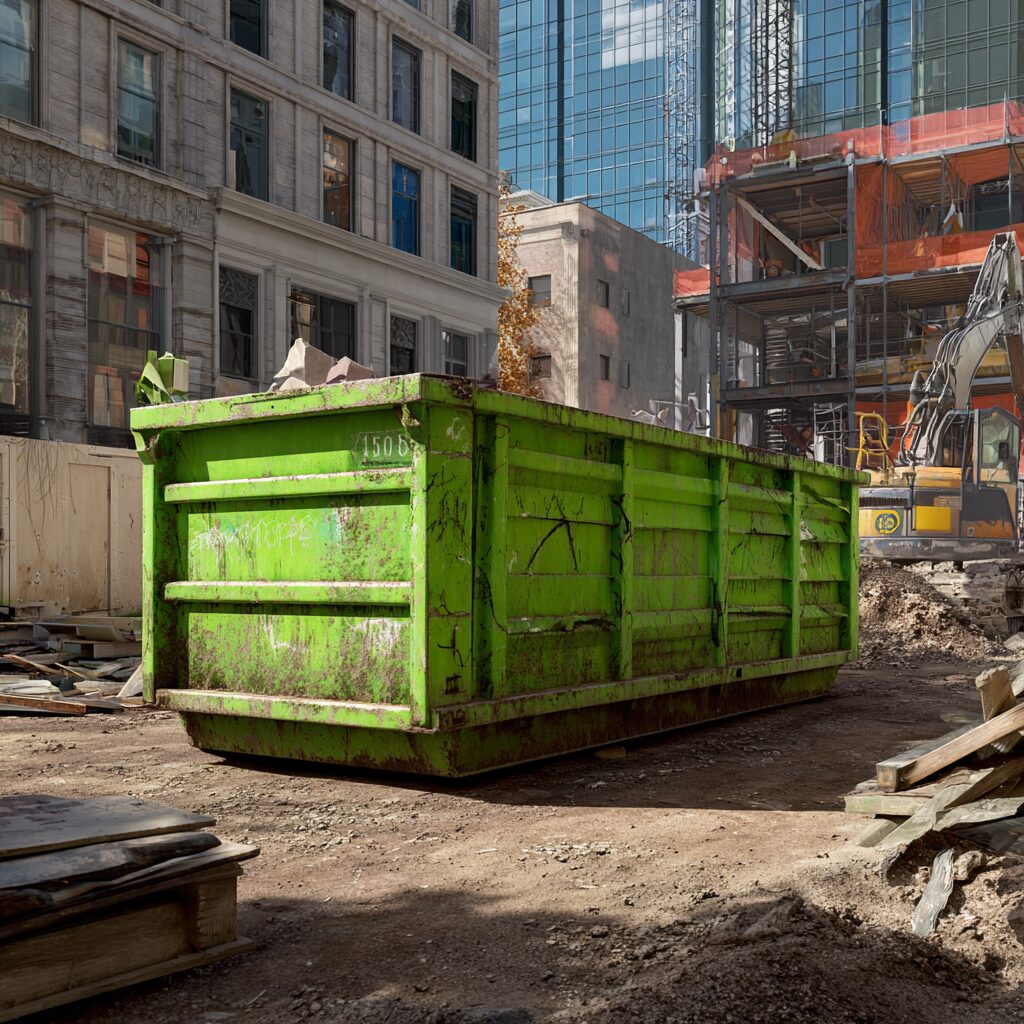
Staying within weight limits is one of the most common ways to avoid surprise charges on a dumpster rental. Most dumpster rentals include a set weight allowance; exceeding that limit triggers additional fees based on overage weight, so estimating your load up front can save you money.
Quick reference — common heavy materials to watch for: soil, concrete, brick, and dense construction debris. Make sure you tell the rental company if your project includes these materials so you can confirm the included tons and overage charge rates before loading the dumpster.
Example tip: if your renovation will generate a lot of concrete or soil, it may be cheaper to arrange a dedicated heavy-load pickup (bulk material hauling) rather than exceed the dumpster’s included tons and pay additional fees. Also confirm pickup scheduling and whether the company charges extra if your load exceeds weight limits at pickup time.
Before you toss everything into the dumpster, sort items that can be donated, recycled, or sold. Removing reusable furniture, appliances, metals, and cardboard reduces the volume and weight of waste in the container, cutting the space you need and lowering disposal costs.
Donating gently used furniture or appliances keeps them out of the landfill and can save you pickup or disposal fees. Many local charities and reuse organizations offer free pickup — make sure to schedule donation pickups before the dumpster delivery so those items don’t take up container space.
Prioritized disposal checklist:
Practical tips: break down and stack materials in the garage before loading, remove liquids from containers, and separate heavy debris from lighter items to manage weight. These small steps reduce the needed dumpster size and the number of trips, helping you stay within budget while minimizing wasted space.
Limiting the length of your dumpster rentals is an easy, reliable way to lower overall costs. Many dumpster companies charge by the day or include only a set number of days in the base price, so keeping the container on-site only as long as necessary saves money and reduces the chance of extension charges.
Operational checklist to minimize time on site:
Example planning timeline for a small home project: Day 1 — delivery and start; Days 2–3 — steady loading (garage cleanout or small remodel work); Day 4 — final load and schedule pickup. This approach helps ensure you rent a 10-yard dumpster or similar size only for the time you need. Make sure to confirm how the company counts rental days (start/end, weekends) so there are no surprises.
Saving money on home dumpster rentals comes down to planning and smart choices: pick the right container size, compare local dumpster rental companies, keep the rental period short, track weight limits, and remove reusable or recyclable items before loading. These practical steps help you control waste disposal costs and keep your project on schedule.
Top takeaways for how to save on dumpsters for your home:
At Prime Dumpster, we can help with sizing recommendations, itemized quotes, and scheduling to minimize pickup delays and extra fees. If you want a free size recommendation or an itemized quote to see how much you can save, contact us — we’ll review your project, recommended dumpster size (including 10-yard dumpster options), and an itemized cost breakdown so you can make the most cost-effective choice for your home project.
If you are looking for What Factors Affect Dumpster Rental Prices For Homes?, Click Here


