Mon - Sat 7:00 am to 7:00 pm


Mon - Sat 7:00 am to 7:00 pm
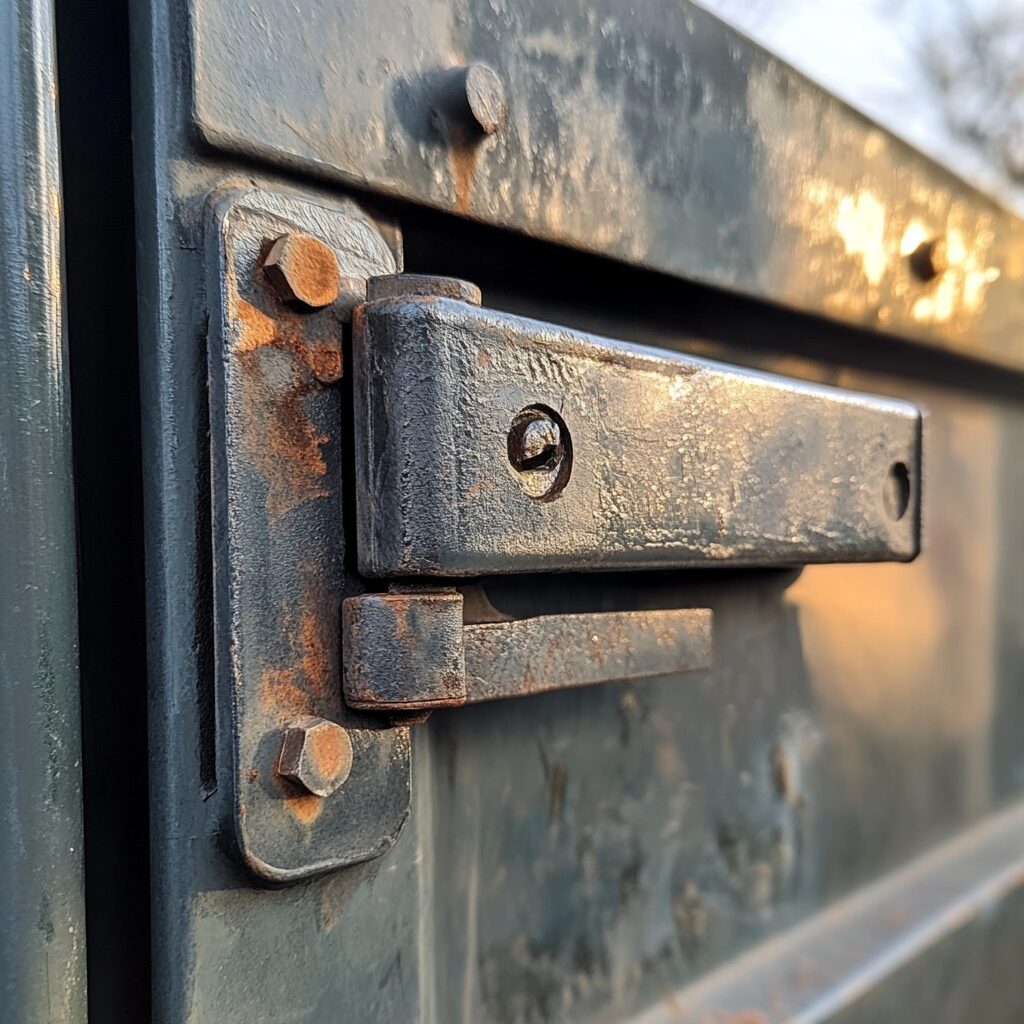
Unwanted and unauthorized dumpster usage can result in costly overflow charges, create potential liability issues, and may even violate local regulations.
In this guide from Prime Dumpster, we’ll explore practical options for preventing unauthorized dumping. You’ll learn about everything from basic padlocks to sophisticated locking bars. We’ll discuss which security measures are best for different situations and container types.
Whether you manage a construction site, run a retail store, or oversee an apartment complex, these strategies will protect your waste management system. They will also keep unwelcome visitors away from your property.
Here’s a quick overview of the most effective security solutions for different container types:
The following sections will walk you through selecting the right lock for your specific container type, proper installation procedures, and additional security measures that create a comprehensive protection system when using a roll off dumpster.
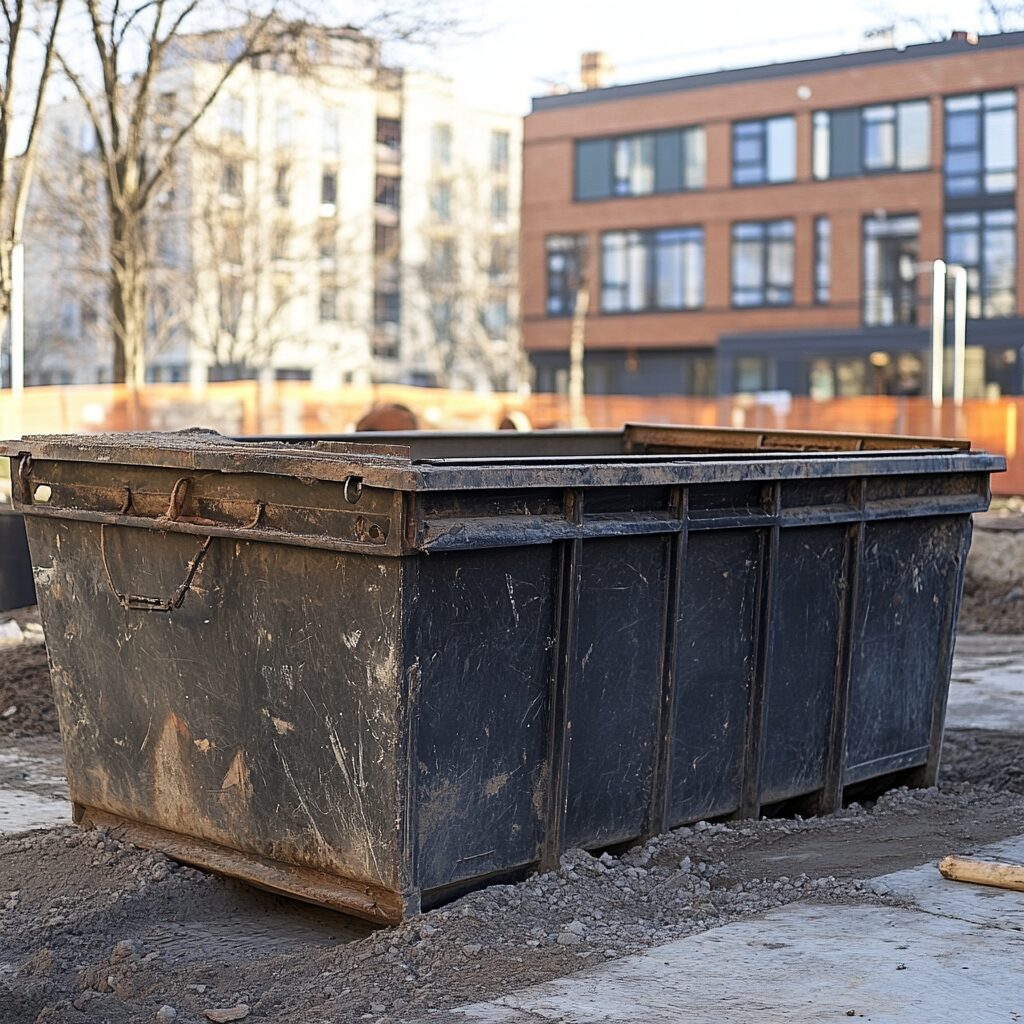
Securing your dumpster is a critical aspect of waste management that many overlook. An unsecured dumpster can quickly become a source of unexpected problems and expenses. From strangers dumping their trash to potential liability issues, neglecting dumpster security can harm your business operations and bottom line.
The most prevalent issue with unsecured dumpsters is unauthorized use. When your dumpster isn’t locked, anyone can toss their garbage into it. Before you know it, your dumpster is overflowing with someone else’s waste, leaving no room for your legitimate disposal needs.
Illegal dumping, often referred to as “fly dumping,” is more than just an inconvenience—it’s a financial burden. When strangers fill your container with their waste, you end up paying for disposal services you didn’t use. Your scheduled pickup might not be enough to handle the excess trash, resulting in additional collection fees or overflow charges.
Unsecured dumpsters also attract vandalism and can become targets for dumpster theft of valuable recyclables or sensitive documents. In some cases, people may even rummage through your waste looking for useful items or information, creating privacy concerns and potential liability issues if someone gets injured while accessing your dumpster area.
Installing proper locks on your dumpster delivers immediate and tangible benefits. First and foremost, you’ll maintain control over your waste disposal process. When only authorized personnel can access your dumpster, you ensure it remains available for your waste alone, preventing overflow problems and keeping your disposal costs predictable.
Securing your dumpster significantly reduces the risk of fly dumping and unauthorized use. A simple lock can deter opportunistic dumpers who are looking for the path of least resistance. They’ll likely move on when they see your dumpster is protected, saving you from dealing with their waste and the associated costs.
Proper waste management security also contributes to a cleaner property. Locked dumpsters help prevent spillage and scattered trash that can make your business look unprofessional. A tidy waste disposal area enhances your property’s appearance and can even improve customer perceptions of your business.
Beyond the practical advantages, securing your dumpster helps you avoid potential compliance issues with local regulations. Many municipalities have ordinances regarding waste management, and some explicitly require businesses to secure their dumpsters. By proactively locking your container, you stay ahead of regulatory requirements and avoid possible fines.
Dumpster locks also discourage dumpster theft and unauthorized scavenging, protecting any sensitive materials you might discard and reducing liability concerns. When your waste area is secure, you minimize the risk of someone getting injured while trespassing on your property—an incident that could potentially lead to legal complications.
The modest investment in dumpster security pays for itself many times over through prevented illegal dumping, reduced waste management costs, and a cleaner, safer business environment. In the following sections, we’ll explore the various types of locks available and how to implement them effectively for different dumpster styles.
The realm of dumpster security encompasses several distinct locking mechanisms, each with its own set of advantages for various scenarios. The choice of lock hinges on factors such as container size, location, and access requirements.
We’ll look into the most effective dumpster lock types available today. This will aid in making an informed decision regarding the protection of your waste management investment.
Padlock systems are the most traditional and versatile approach to securing dumpsters. These locks attach to specially designed hasps, fitting virtually any dumpster type.
Weather-resistant padlocks, crafted from hardened steel, offer superior protection against tampering and harsh environmental conditions. Models with shrouded shackles prevent easy cutting by bolt cutters.
The hasp component, a metal plate with a hinged loop for the padlock, comes in various styles to fit different dumpster designs. Opt for hasps with concealed mounting hardware to thwart intruders from unscrewing the assembly.
Many waste management companies favor padlock systems for their ability to accommodate multiple authorized users while maintaining robust security. You can distribute identical keys to approved personnel or choose combination locks, eliminating the need for physical keys.
Gravity lock dumpsters employ an automatic locking mechanism that secures the container upon lid closure. This system requires no manual locking, making it perfect for high-traffic areas where users might forget to secure a traditional lock.
The mechanism behind gravity locks is elegantly simple. When the dumpster lid falls shut, a weighted latch automatically secures the container, preventing unauthorized access. Authorized users can unlock the dumpster with a specialized tool or key that releases the latch mechanism.
These locks are ideal where convenience is as important as security. Restaurant staff appreciate not having to fumble with locks while disposing of waste.
Weather rarely impacts gravity lock performance, though extreme ice buildup can occasionally hinder the mechanism. Regular maintenance ensures smooth operation throughout the year. Many commercial properties opt for gravity locks for their balance of security and ease of use.
Bar lock systems provide the most robust physical barriers against unauthorized access. These heavy-duty devices consist of metal bars that physically block lids from being opened without proper authorization.
Bar locks are available in various configurations to suit different dumpster styles. Single-bar models secure one lid section, while crossbar systems span multiple access points. The bars are constructed from heavy-gauge steel with powder-coated finishes to resist corrosion.
Installation of bar lock systems typically involves welding or bolting mounting brackets to the dumpster body. This more permanent modification offers enhanced security, making it a worthwhile investment for many businesses.
These systems excel in high-risk areas where dumpster diving or illegal dumping is common. The visible deterrent of a substantial metal bar often discourages potential intruders before they attempt access.
The latest innovation in dumpster security is electronic dumpster locks, which integrate digital technology into waste management. These systems can include keypad entry, RFID card readers, or even smartphone-controlled access.
Electronic locks offer unparalleled control over who can access your dumpster and when. Many systems maintain access logs, allowing businesses to monitor usage patterns and identify potential security breaches.
While more costly than mechanical alternatives, smart locking systems provide valuable features for companies managing multiple dumpsters or requiring detailed access records. Some advanced models even send notifications when dumpsters are accessed or when maintenance is needed.
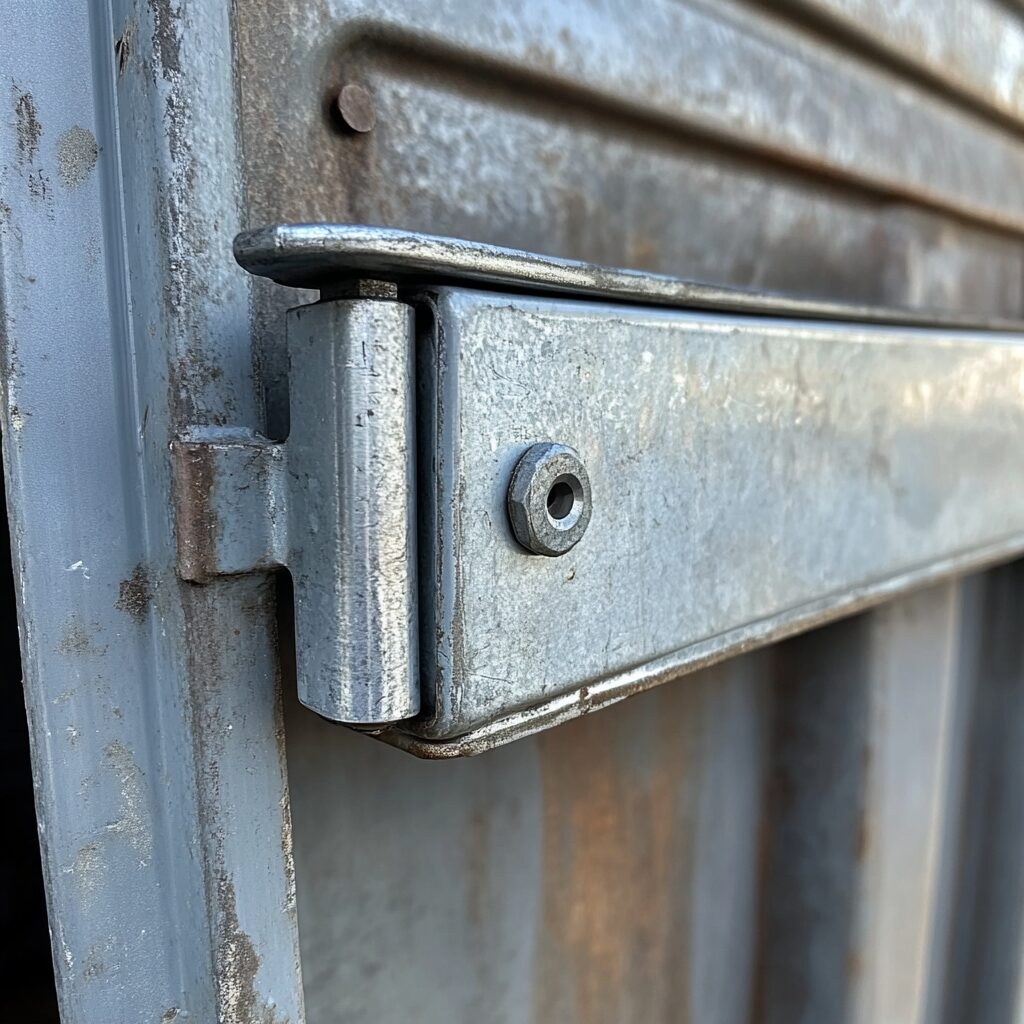
Roll-off containers pose unique security challenges, necessitating custom locking solutions. These open-top dumpsters are ubiquitous at construction sites, home renovations, and large cleanups across America.
Their visibility and accessibility make them prime targets for illegal dumping, potentially leading to additional disposal fees. Here’s how to secure these containers based on their size and typical usage.
The smaller roll-off containers (10–15 yards) are favored for residential renovations, small cleanouts, and minor construction projects. Their compact size makes them easier to secure, but they still require proper protection.
A heavy-duty padlock paired with a specialized hasp offers excellent security for these containers. Choose for hasps designed for dumpsters, as they withstand outdoor conditions and tampering. Many contractors prefer a chain-and-padlock system that threads through the container’s side pockets and secures the lid when closed.
Another effective option is a simple crossbar system that blocks the lid from opening without authorization. These bars mount across the top of the container and can be secured with a padlock, preventing unauthorized access.
Medium-sized 20-yard containers balance capacity and manageability, making them popular for larger residential projects and small commercial jobs. Their design often features a rear door along with the top opening, requiring a more comprehensive security approach.
Specialized crossbar systems work well for these containers. These bars span across both the top lid and rear door, securing all access points with a single locking mechanism. For added security, consider combining a crossbar with a heavy-duty chain lock configuration.
Some contractors opt for slide locks that mount directly onto the container. These devices feature a metal plate that slides into position, blocking the lid from opening. When paired with a sturdy padlock, slide locks provide excellent protection against unauthorized access.
The largest roll-off containers (30–40 yards) present the biggest security challenges. Used primarily at major construction sites and large commercial operations, these massive dumpsters have multiple access points and require industrial-strength security measures.
Heavy-duty bar lock systems are the gold standard for these containers. These robust steel bars mount across the entire width of the container, securing both the top and side access points. Look for systems with tamper-resistant designs and weather-resistant coatings to ensure longevity.
For sites with multiple large containers, consider investing in a master lock system. This approach uses keyed-alike padlocks that allow authorized personnel to access any container with a single key, simplifying management while maintaining security.
Some construction companies are now turning to GPS-enabled locks for their largest containers. These smart systems not only secure the dumpster but also track its location and alert you if unauthorized access is attempted.
Installing locks on roll-off containers requires careful planning and the right tools. Before beginning, always check with your waste management company to ensure your locking method won’t interfere with their collection process.
For most installations, you’ll need basic tools including:
The installation process typically involves mounting hardware to the container itself. Start by measuring and marking your drill points according to the lock manufacturer’s specifications. Drill pilot holes before securing any hardware, and always double-check measurements before making permanent modifications.
When installing crossbar systems, ensure the bar sits flush against the container and doesn’t interfere with the lid’s operation. For chain systems, verify the chain is tight enough to prevent lid opening but allows for proper waste collection when unlocked.
| Container Size | Recommended Lock Type | Security Level | Installation Difficulty | |
| 10-15 Yard | Padlock with Hasp System | Medium | Easy | |
| 20 Yard | Crossbar System | High | Moderate | |
| 30-40 Yard | Heavy-Duty Bar Lock | Very High | Moderate to Difficult | |
| Any Size | GPS-Enabled Smart Lock | Maximum | Professional Installation |
Securing smaller front-load dumpsters requires different strategies than larger roll-off dumpsters. These compact containers are often found behind restaurants, retail stores, and apartment complexes. They face unique security challenges due to their accessible locations. Despite their size, they experience more frequent unauthorized use and tampering.
Let’s explore how to protect these commercial waste containers effectively. This is without disrupting your regular collection service.
Front-load container security starts with the right lock type. Gravity locks are particularly effective for these dumpsters. They automatically secure the lid when closed, allowing waste collection professionals to empty the container without manual unlocking.
Bar-style locks that span across the lid offer robust protection against unauthorized access. Many waste management companies provide compatible commercial dumpster locks. It’s crucial to consult with your service provider before installing any locking mechanism.
For businesses with multiple dumpsters, keyed-alike padlock systems are beneficial. They allow your staff to use a single access method across all containers. This simplifies management while maintaining security.
Front-load dumpsters have several vulnerable areas that need attention. The main lid is the primary access point. However, side doors and sliding panels may also exist, depending on your model.
Dumpster lid locks should secure firmly without hindering the collection process. Look for systems that automatically disengage during dumping but re-engage when the container returns to its position.
For side access doors, consider installing separate padlock hasps or specialized latching mechanisms. Many commercial establishments overlook these secondary entry points. This creates security gaps even when the main lid is properly secured.
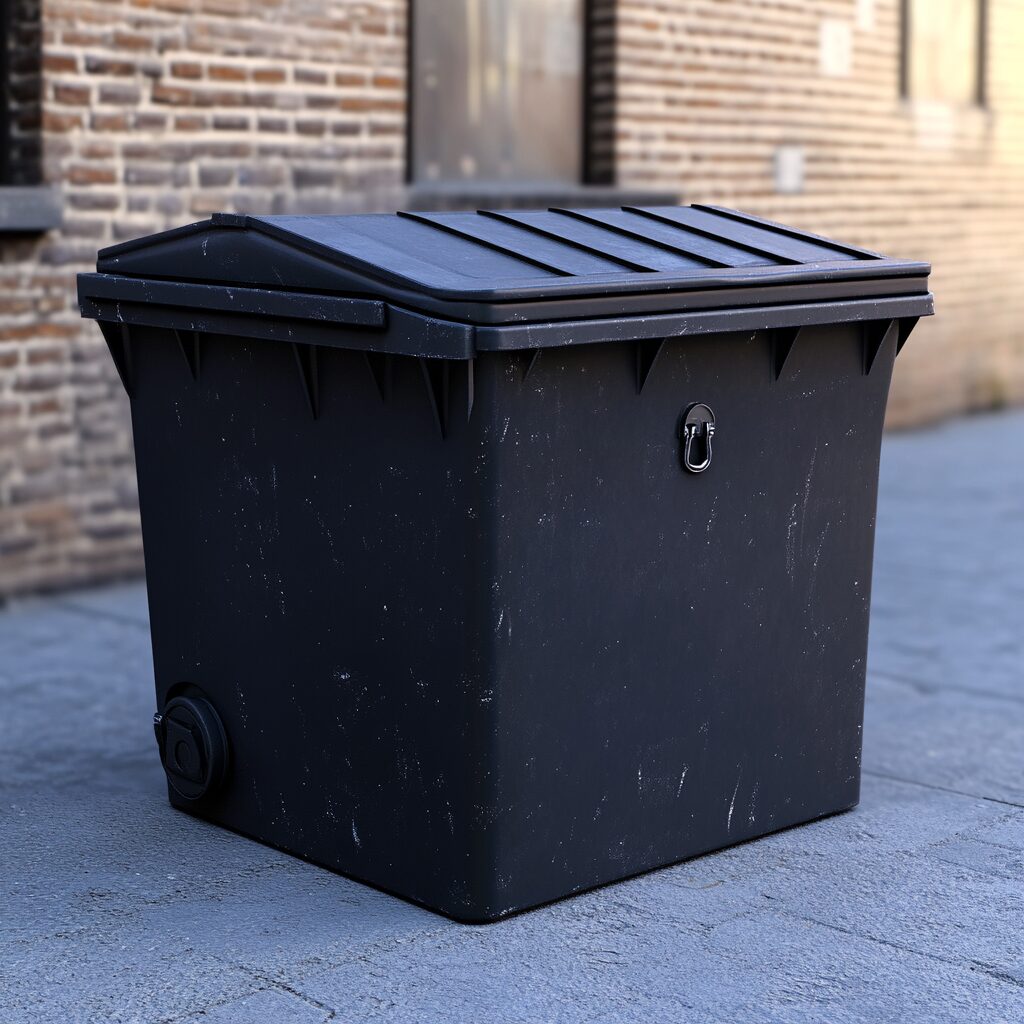
Before installing any small dumpster locks, contact your waste management provider. Explain your security concerns and ask about approved locking systems. Ensure they won’t interfere with their collection process.
For gravity lock installation:
For bar lock systems:
Always wear appropriate safety gear, including gloves and eye protection, when drilling into metal dumpsters. After installation, leave a note for your collection service. Alert them to the new security measures.
Even well-installed commercial dumpster locks can encounter problems. If your gravity lock fails to engage properly, check for debris in the mechanism. Also, ensure the mounting hardware hasn’t loosened over time.
In colder climates, locks may freeze during winter months. Apply a silicone-based lubricant periodically to prevent this issue. Avoid oil-based products, as they can attract dirt and grime, potentially worsening performance.
If waste collection personnel report difficulties accessing your dumpster, schedule a time to observe a collection. This can help identify the specific problem. Sometimes, minor adjustments to lock positioning can resolve compatibility issues without sacrificing security.
For locks that become damaged through attempted break-ins, replace them promptly rather than attempting repairs. Compromised security hardware rarely returns to full functionality even after fixes.
Locks are crucial for dumpster security, but a multi-faceted strategy offers the best protection.
Installing dumpster security cameras allows for continuous monitoring, capturing any unauthorized access attempts. Place cameras where they can clearly capture access points and ensure they’re weather-resistant for all seasons.
Proper lighting significantly enhances security around waste areas. Motion-activated lights deter intruders and eliminate hiding spots. Many businesses also use constant low-level lighting for continuous visibility at night.
Physical barriers enhance security further. Dumpster enclosures, made from fencing, concrete, or decorative materials, limit access while ensuring service convenience. These structures can be designed to match your property’s aesthetic while preventing illegal dumping.
Strategic placement is also key. Place containers away from public roads and in less accessible areas. The more difficult it is to access your dumpster, the less appealing it is for unauthorized use.
Clear policies for employees and tenants are essential. Regular security assessments help identify and address vulnerabilities early. Collaborating with your waste management provider ensures your security measures don’t hinder regular service.
Preventing illegal dumping also saves money in the long run. A combination of physical locks, surveillance, lighting, enclosures, and strategic placement creates a robust system. This protects your investment in waste management.
Looking for more help about how to lock a dumpster for residential, commercial, and industrial use? Contact Prime Dumpster learn more about rolloff dumpster rentals, including security tips. We can recommend appropriate locking solutions based on your container type, usage patterns, and security concerns.
From simple padlock systems for small front-load dumpsters to heavy-duty crossbars for large roll-offs, our experts will help you select and implement the perfect security solution for how to lock a dumpster effectively at your business or construction site.
If you are looking for What’s the Best Roll Off Dumpster Size for Construction?, Click Here


