Mon - Sat 7:00 am to 7:00 pm


Mon - Sat 7:00 am to 7:00 pm
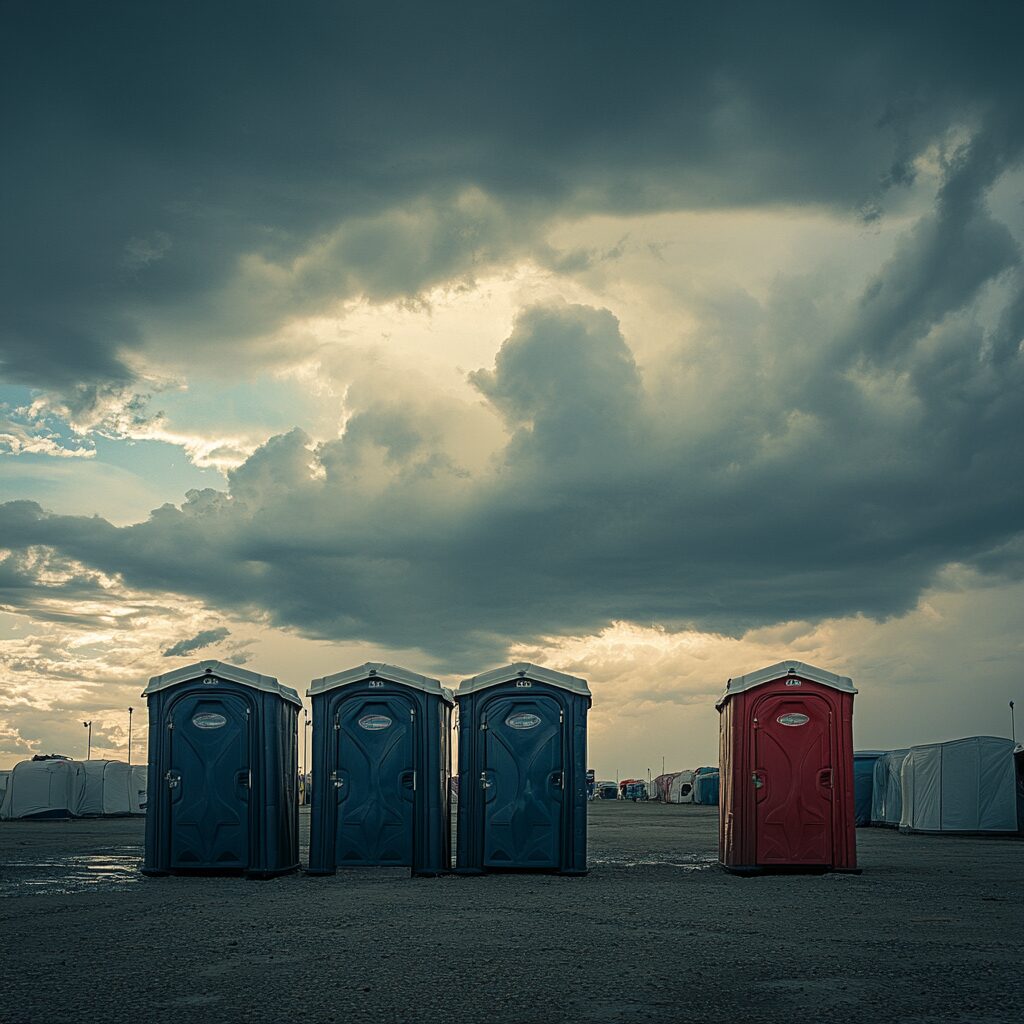
Porta potties for tornado relief become critical infrastructure when devastating winds leave communities without basic services and traditional restrooms. These portable facilities transform from everyday conveniences into essential components of public health protection and recovery coordination after disaster strikes.
Prime Dumpster has facilitated sanitation site services to countless tornado-ravaged areas where strategic placement prevents disease outbreaks. Our guide to porta potty rental for tornado relief explores rapid deployment strategies, optimal positioning techniques, and specialized equipment options to help emergency response teams integrate portable sanitation into effective recovery operations.
Here’s what disaster response teams need to know about portable sanitation during tornado recovery:
These critical factors transform portable sanitation from a basic necessity into a strategic asset during the challenging days of recovery efforts following a 2025 natural disaster.
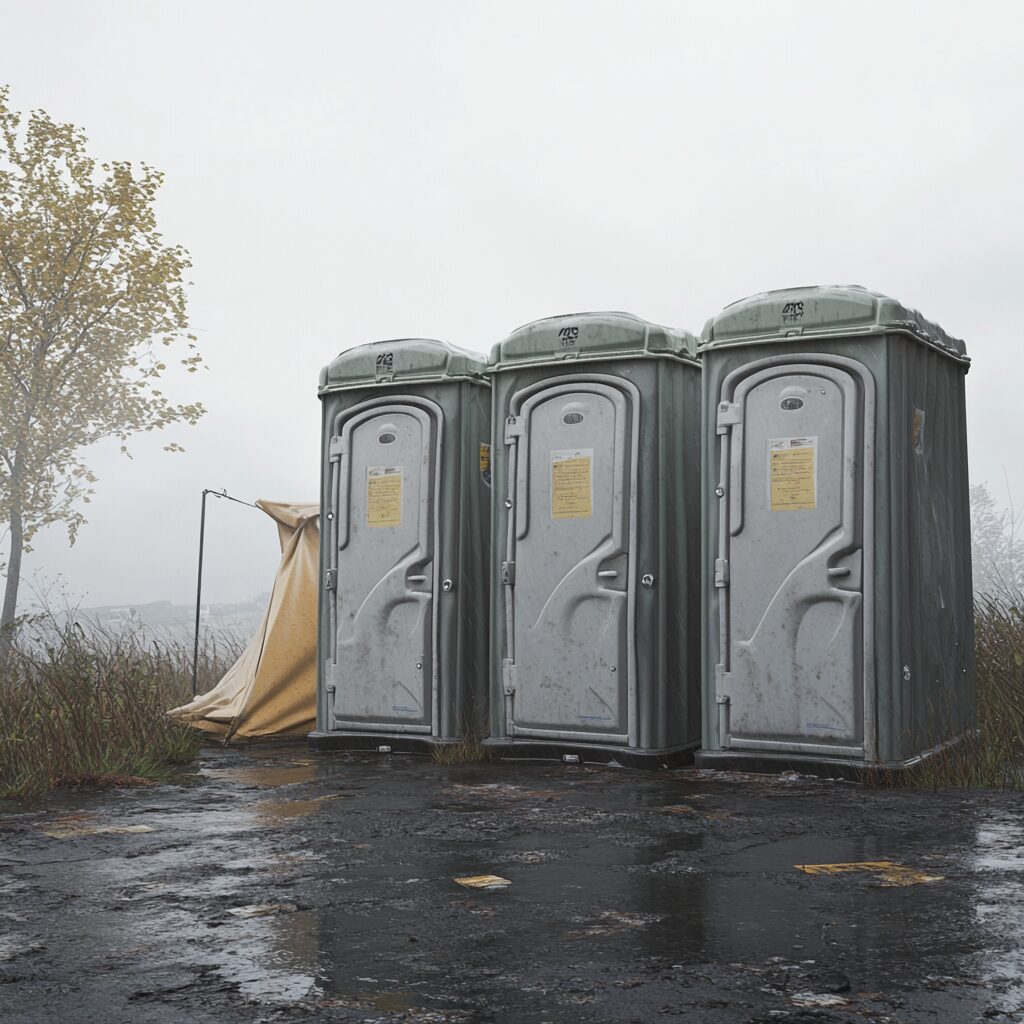
Sanitation is a silent hero in disaster zones, preventing outbreaks when resources are scarce. Overflowing waste and contaminated water turn recovery areas into health hazards within hours. Research from FEMA’s 2019 disaster response report shows disease rates spike 72% in the first week when sanitation systems fail.
Broken sewer lines and flooded streets create breeding grounds for bacteria. Without functional facilities, diseases like cholera and dysentery spread rapidly. After the 2011 Joplin disaster, mobile units installed within 24 hours reduced infection risks by 60% in temporary shelters.
| Location | Infrastructure Challenge | Solution Deployed |
| Urban areas | Collapsed buildings blocking roads | Units placed in parking lots |
| Rural zones | Flooded access roads | ATV-delivered restrooms |
| Suburban neighborhoods | Power outages | Solar-lit portable units |
Debris-covered roads and downed power lines make traditional restrooms unusable. During the 2013 Moore, Oklahoma recovery, crews used all-terrain vehicles to bypass blocked highways. Imagine rebuilding your life without a working bathroom—it’s not just uncomfortable, it’s dangerous.
When infrastructure crumbles, the smallest comforts make the biggest difference. Mobile restrooms transform disaster areas by addressing two critical needs: preventing disease spread and restoring normalcy. These units become community anchors where shattered neighborhoods regroup.
Restroom trailers with handwashing stations stop germs in their tracks. Shower trailers let survivors rinse off debris while maintaining privacy—a rare luxury amid chaos. After the 2021 Kentucky tornado outbreak, relief teams credited these setups with reducing skin infections by 43% in temporary camps.
Emergency crews can roll out sanitation solutions faster than most relief supplies arrive. Here’s why they work:
During Iowa’s 2022 storm season, crews placed 200+ units across eight counties before FEMA tents arrived. And let’s face it—few things boost morale like a spotless restroom when you’re covered in mud.
Time bends differently during crises. Choosing the right sanitation partner means finding someone who treats urgency as standard practice. Look for providers with 24/7 emergency response teams – those trailers won’t haul themselves through debris fields.
Disaster recovery veterans know mobile units need two superpowers: rapid deployment and smart placement. A 2022 study by the National Emergency Management Association found teams using GPS-mapped restroom clusters reduced contamination risks by 38% compared to random setups.
Three non-negotiables when evaluating services:
During last year’s Midwest tornado outbreaks, companies using flatbed trucks instead of standard carriers cut setup times by 65%. That’s the difference between containing health risks and playing catch-up with outbreaks.
Always ask about maintenance frequency. Units servicing disaster zones require daily sanitization – no exceptions. Pair this with shaded handwashing stations near food distribution points, and you’ve built hygiene into recovery workflows.
Disaster zones demand adaptable sanitation solutions that match the chaos they’re deployed in. From no-frills setups to deluxe trailers, emergency crews now have options that fit everything from 24-hour triage to month-long recovery efforts. Let’s break down your choices for porta potty rental for tornado relief.
Basic single-stall units remain the frontline warriors of disaster response. After Hurricane Katrina, 78% of initial sanitation deployments used these lightweight models due to their rapid setup. But modern accessibility matters – ADA-approved units with widened doors and grab bars became mandatory in FEMA-funded relief after 2015.
When recovery drags into weeks, upgraded facilities preserve morale. Post-2021 Kentucky tornadoes, shower trailers with private changing areas reduced shelter overcrowding by 31%. These climate-controlled spaces often include:
A 2022 Johns Hopkins study found luxury units cut stress markers by 22% in displaced families compared to basic setups. Think of them as a spa day for people rebuilding their lives.
Choose based on your crisis timeline. Immediate response? Prioritize standard units. Extended recovery? Blend ADA and luxury options. Remember – dignity isn’t a luxury when everything else is gone.
Locating restrooms in a disaster zone isn’t just about convenience—it’s a logistical puzzle. Proper positioning prevents bottlenecks and keeps hygiene efforts on track. Start by mapping high-traffic zones like medical tents and food distribution points, then work outward.
Scout the area like a chess master planning their next move. Avoid low spots where water pools and areas downwind of debris piles. Ideal spots have three features:
During the 2021 Midwest floods, crews placed units near school parking lots—central locations with existing drainage. This cut cleanup time by 40% compared to roadside installations.
Make facilities reachable for everyone, not just the able-bodied. Position ADA-compliant units closer to temporary shelters, and mark paths with glow-in-the-dark tape after dark. Pair every cluster with hand-washing stations placed 10 feet away—close enough for convenience, far enough to prevent crowding.
| Location Type | Challenge | Fix |
| Urban | Limited space | Stack units vertically |
| Rural | Muddy terrain | Use gravel pads |
| Suburban | Noisy neighbors | Buffer with supply tents |
Remember: A well-placed restroom does double duty. It meets basic needs while quietly restoring order to chaos.
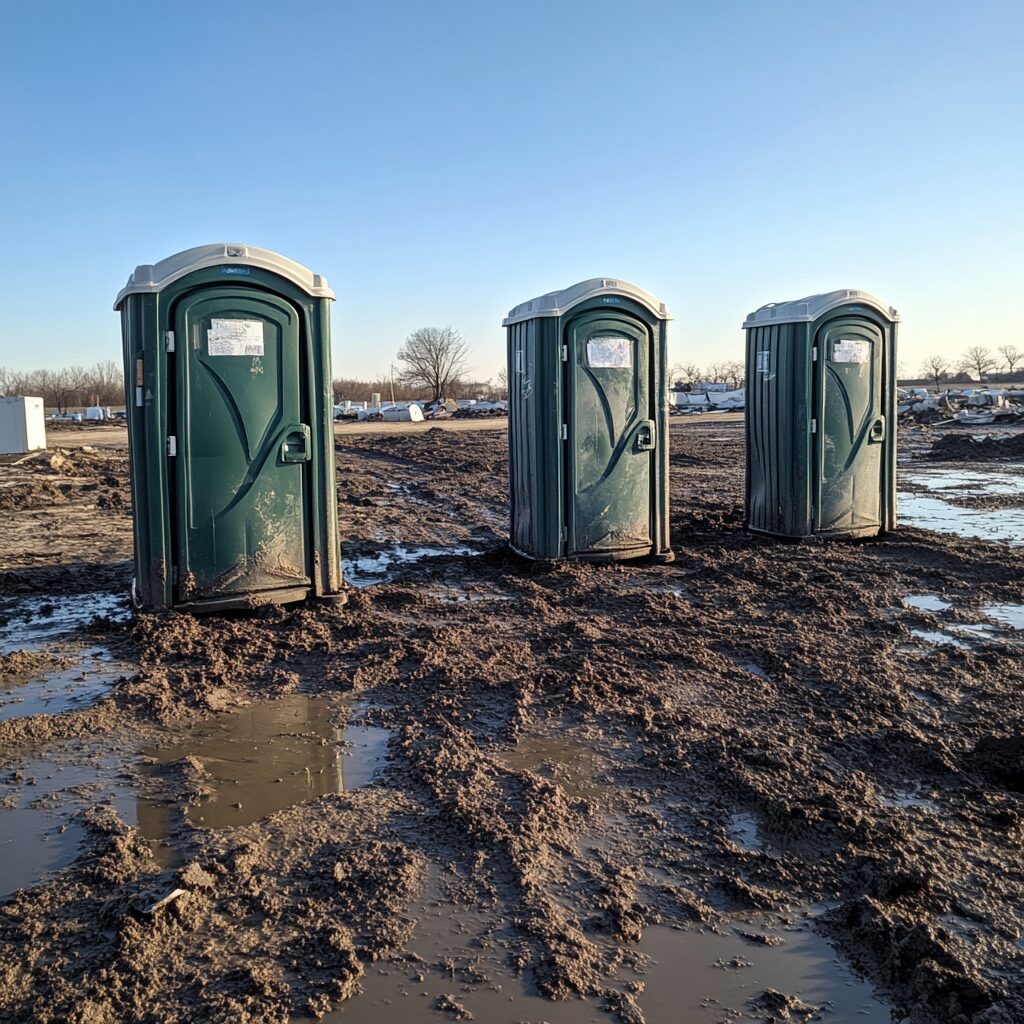
Tornado recovery isn’t a solo mission—it’s a symphony of coordinated efforts. Success hinges on partnerships that move faster than the storm’s aftermath. Let’s explore how porta potty rental for tornado relief amplifies your impact when every minute counts.
Cut through red tape by establishing communication channels before disaster strikes. The 2023 Mississippi tornado response saw teams reduce setup delays by 58% through pre-approved vendor lists with state agencies. Three game-changing tactics:
One Alabama county streamlined operations by creating a shared dashboard showing unit locations, service schedules, and maintenance needs. Transparency builds trust when resources are stretched thin.
Twisters leave signature obstacles—mile-wide debris fields, downed power grids, and unpredictable access routes. During last year’s Little Rock outbreak, crews used drone surveys to identify safe paths for delivery trucks. Pro tips for tough situations:
| Challenge | Solution | Outcome |
| Flying debris risks | Anchor units with hurricane straps | 86% fewer tip-overs |
| No power for pumps | Manual flush models | Continuous operation |
| Road closures | Helicopter drops | 12-hour deployment |
Remember to rotate stockpiled supplies. A Missouri town learned this the hard way when their 3-year-old hand sanitizer gel had separated into useless globs. Freshness matters when preventing outbreaks.
Clean hands and warm showers aren’t luxuries—they’re lifelines in disaster zones. Pairing mobile restrooms with supportive amenities creates a hygiene ecosystem that stops outbreaks before they start. A 2020 CDC study found disaster sites using combined sanitation solutions saw 55% fewer illness reports than those relying on single-facility setups.
Let’s talk about building blocks for healthier recovery efforts. When multiple solutions work together, they create safety nets for displaced communities.
Germs don’t take vacations during emergencies. Stations with soap and clean water break transmission chains that portable toilets alone can’t address. FEMA’s 2022 guidelines recommend placing one handwashing unit per five restrooms, spaced no more than 50 feet apart.
Effective setups use foot-pump designs to conserve water while ensuring access.
Imagine washing tornado debris from your hair with actual hot water. Trailers with private stalls restore dignity and mental resilience. Data from Missouri’s 2022 recovery shows shower access reduced stress-related hospital visits by 34% in temporary camps.
Space heaters and non-slip floors transform these units into safe havens. Pair them with laundry services near clothing distribution points, and you’ve created a self-sustaining hygiene hub. Just remember: Place shower trailers uphill from restrooms to prevent runoff issues.
Coordinating these solutions requires planning but pays off exponentially. Map facility clusters near meal areas and medical tents, using color-coded flags for easy navigation. When every piece works together, recovery accelerates.
Disaster zones transform by the hour, and sanitation plans must keep pace. Balancing speed with sustainability separates functional recovery efforts from chaotic ones. Let’s explore how to deploy solutions that adapt as rubble clears and communities rebuild.
First responders in Louisiana’s Hurricane Laura recovery used mobile units as temporary command centers. Their secret? Pre-positioned trailers staged at weather-resistant hubs. Three tactics that prevent disease spread:
Texas crews during 2023 storms cut contamination risks by 29% using ultraviolet sanitizing wands between services.
Cleanliness isn’t a one-time fix. Arkansas’ 2025 tornado response saw teams rotate units weekly to prevent groundwater contamination. Track these metrics daily:
| Resource | Short-Term Fix | Long-Term Strategy |
| Water supply | Jug refill stations | Bulk tanker deliveries |
| Waste removal | Daily pump-outs | Sealed composting systems |
| Accessibility | Ramp-equipped units | Permanent ADA pathways |
Install handwashing stations with foot pedals near meal distribution points. After Kentucky’s 2021 outbreak, sites using motion-sensor soap dispensers saw 41% fewer norovirus cases. Think of it as a hygiene relay race—every clean handoff matters.
By implementing specialized anchoring systems, smart placement strategies, and consistent maintenance protocols, emergency teams transform these humble facilities into powerful tools for disease prevention and morale support.
Prime Dumpster’s nationwide emergency response capabilities ensure that tornado-affected communities receive properly equipped sanitation units precisely when and where they’re needed most. Our experienced team facilitates your porta potty rental for tornado relief, adapting to changing conditions as recovery progresses from immediate response to long-term rebuilding.
If you are looking for Porta Potty Rentals for Hurricane Relief Efforts, Click Here


