Mon - Sat 7:00 am to 7:00 pm


Mon - Sat 7:00 am to 7:00 pm

Event organizers understand that successful gatherings require attention to countless details, but event porta potty public safety often gets overlooked – until there’s a problem!
From intimate corporate gatherings requiring basic units to massive festivals demanding luxury trailer complexes, proper portable sanitation directly impacts guest satisfaction and legal compliance.
Poorly maintained facilities create slip hazards, unsanitary conditions, and accessibility violations that can result in costly fines and damaged reputations.
At Prime Dumpster, we’ve coordinated comprehensive site services for thousands of events nationwide, helping organizers implement safety protocols that protect attendees while maintaining smooth operations throughout their gatherings.
Event organizers must prioritize portable restroom safety to protect guests and ensure successful gatherings without health code violations or liability issues.
Let’s explore detailed strategies for implementing safe porta potty operations that keep guests comfortable and protected.
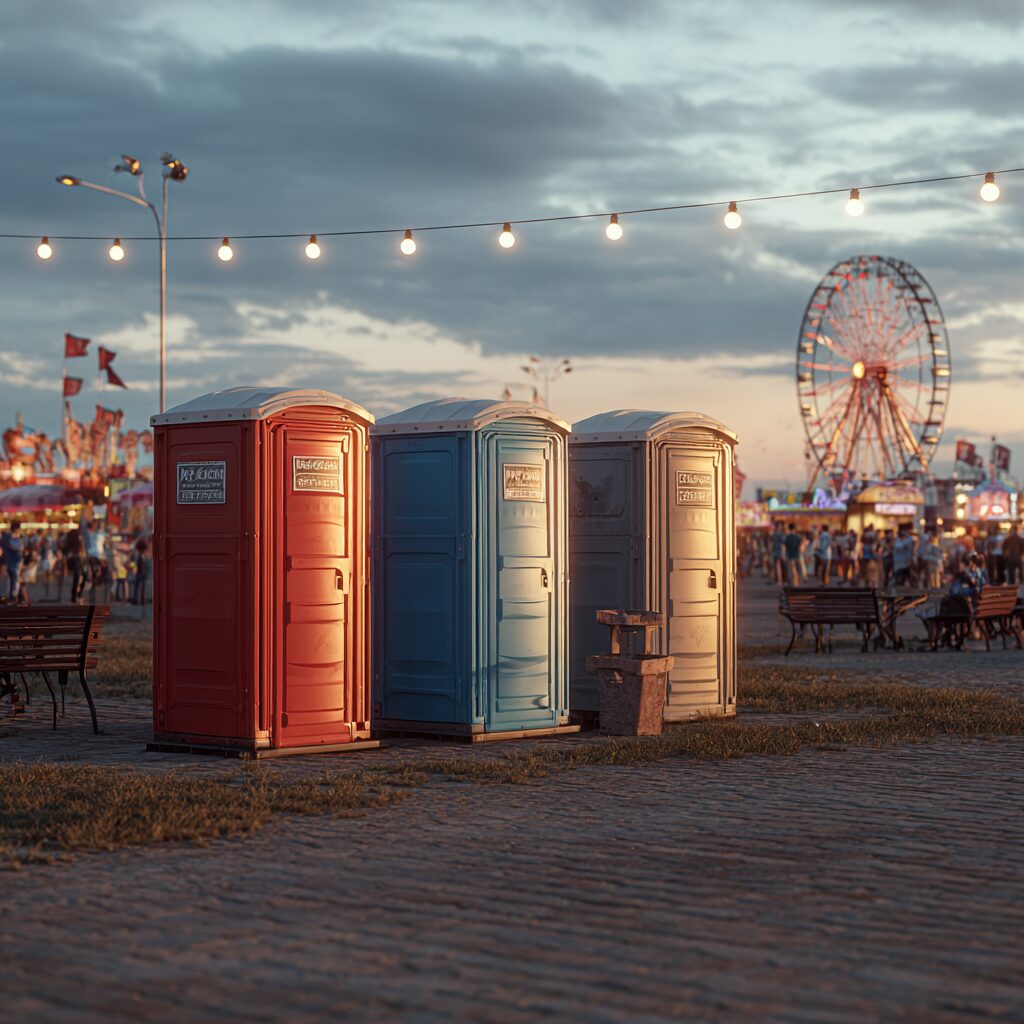
Ever watched someone hesitantly approach a portable facility like it might bite? The right setup prevents that dance. Modern sanitation solutions range from no-frills stalls to luxury trailers – each impacting guest comfort and cleanliness differently.
Basic models surprise people. They come with textured floors to prevent slips and sturdy latches for privacy. These rugged units handle high traffic well at sports tournaments or street fairs.
Upgraded versions change the game. Flushable options mimic home bathrooms with freshwater tanks and foot pumps. Built-in sinks keep soap and water within arm’s reach, cutting germ spread without extra stations.
Trailers redefine expectations. Multiple stalls with proper doors and climate control reduce lines and complaints. Bright interior lighting helps guests navigate safely after dark – crucial for evening weddings or concerts.
Match features to your crowd’s needs. Taco truck rallies need handwashing stations at every unit. Corporate galas? Go for vanity mirrors and air conditioning. Maintenance matters too: simpler units need frequent pumping, while trailers require plumbing checks.
Smart hosts balance budgets with hygiene. A construction site might stick to basics, but a charity gala deserves upgraded facilities. Remember – dry hands and clean seats keep reviews sparkling.
Restroom strategy can make or break your gathering’s reputation. Smart organizers begin mapping sanitation needs 6-8 weeks out, factoring in more than just headcounts. Let’s dig into the blueprint for hassle-free facilities.
Outdoor festivals need wind-resistant units anchored on level ground. Indoor conferences? Prioritize ADA-compliant pathways. Calculate one unit per 50 guests for 4-hour functions – but always add 10% extra capacity.
Sloped terrain demands anti-slip mats. Evening gatherings require solar-lit pathways to units. For multi-day occasions, schedule mid-event pump-outs to maintain cleanliness standards.
Municipal codes vary wildly – Austin requires handwashing stations within 10 feet of units, while Miami mandates hourly checks. Secure permits 30 days minimum before setup day to avoid fines.
What separates smooth occasions from logistical nightmares? Real-time restroom management. Once crowds arrive, your sanitation plan transforms into an active operation requiring sharp coordination.
Place units where foot traffic flows naturally – near food areas and entertainment hubs. But keep them 15+ feet from seating zones to prevent odor complaints. Clear 36-inch pathways let wheelchairs navigate freely while keeping emergency routes open.
Nighttime lighting matters. Solar-powered LED strips around units reduce tripping risks after sunset. Avoid placing facilities near steep slopes or areas prone to flooding during sudden storms.
Assign a dedicated crew to inspect units every 2-3 hours. Their checklist should include:
Peak times demand extra attention. At lunch rushes or between performances, double your cleaning frequency. Spill kits stationed nearby let staff tackle messes immediately before they become hazards.
Ever wonder why some restroom setups stay pristine while others become disaster zones? Smart management starts long before guests arrive. Let’s break down how terrain analysis and proactive cleaning keep facilities functional and safe.
Scout locations like a detective. Choose flat, firm ground that won’t turn into mud soup after one spilled drink. Position units at least 25 feet from food zones but close enough for service trucks to access.
Watch the skies and soil. Anchor units in windy spots using weights or straps. Avoid low-lying areas where rainwater pools – nobody wants to wade through puddles for a bathroom break.
Empty tanks before they hit 90% capacity. Overflowing units aren’t just gross – they’re breeding grounds for bacteria. Schedule extra pump-outs during peak hours like lunch rushes or halftime.
Disinfecting matters more than you think. Use EPA-approved cleaners on seats, handles, and floors. Check vents for proper airflow to control odors that make noses wrinkle.
| Task | Frequency | Purpose |
| Check unit stability | Hourly | Prevent tipping hazards |
| Monitor waste levels | Every 2 hours | Avoid overflow risks |
| Disinfect surfaces | Every 3 hours | Reduce germ spread |
| Inspect pathways | Hourly | Maintain safe access |
Keep surrounding zones debris-free. Sweep near entryways and mark uneven surfaces with bright tape. A clean perimeter stops slips and shows attendees you’ve got every detail covered.
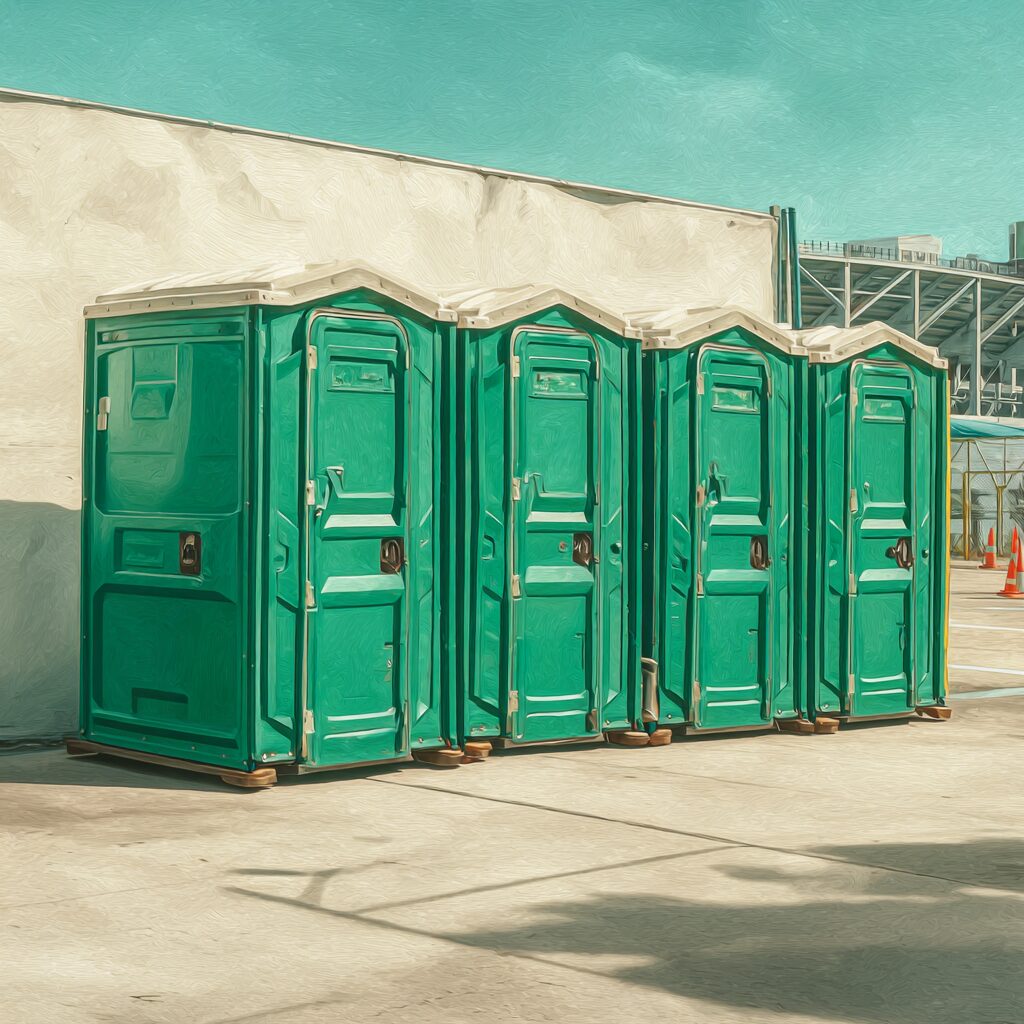
Navigating porta potty legal requirements might not spark joy, but ignoring them could torch your plans. Let’s cut through the red tape without losing our minds. Whether you’re hosting a backyard bash or a city-sponsored concert, rules dictate how you handle sanitation logistics.
Public spaces come with paperwork galore. Most cities demand permits proving your setup meets health standards. Private land? Don’t relax yet – homeowner associations often have stricter rules than municipal codes.
| Factor | Public Property | Private Property |
| Permit Needed | Always | Sometimes |
| Accessibility Rules | ADA-compliant units required | Venue may override local codes |
| Maintenance Standards | Hourly checks often mandated | Contract terms dictate frequency |
| Penalties | Fines up to $5,000+ | Possible breach of contract |
Local ordinances aren’t suggestions – they’re law. Chicago requires units every 50 guests, while Portland mandates hand sanitizer stations at each cluster. Three steps to stay out of trouble:
Ever cringe at viral videos of overturned facilities? Smart organizers know prevention beats cleanup. Protecting sanitation stations requires equal parts strategy and psychology – let’s explore methods that keep troublemakers at bay while maintaining guest dignity.
Visibility deters 80% of would-be vandals according to security experts. Position clusters near food trucks or ticket booths where crowds naturally linger. Install motion-activated lights around units after dark – they’re cheaper than hiring extra guards and just as effective.
Anchoring systems prevent tipping disasters. Use sandbags or ground screws to secure units on uneven terrain. Heavy-duty combo locks on doors discourage casual tampering while allowing staff quick access during checks.
Rotate attendants through restroom zones every 90 minutes. Their presence alone reduces misuse – most people think twice before drawing graffiti when someone’s nearby. Train teams to spot early warning signs like:
Maintenance crews double as security assets. Schedule cleanings during peak hours when lines form – the constant activity discourages mischief. Bonus: Fresh supplies and wiped surfaces keep germs in check throughout your function.
| Prevention Method | Cost | Effectiveness |
| Motion-sensor lights | $25/unit | High |
| Sandbag anchors | $10/unit | Medium |
| Staff patrols | Labor costs | Highest |
Getting event porta potty public safety right turns potential disasters into smooth operations that guests barely notice—and that’s exactly the point. Smart planning prevents accidents, keeps health inspectors happy, and protects your reputation from going viral for all the wrong reasons.
Prime Dumpster’s team knows how to handle the details that matter. We help you choose the right units, place them safely, and keep everything running smoothly from setup to breakdown. Contact us to see how proper planning makes your next event safer and more successful.
If you are looking for My Portable Toilet Tipped Over! Here’s What To Do, Click Here


