Mon - Sat 7:00 am to 7:00 pm


Mon - Sat 7:00 am to 7:00 pm
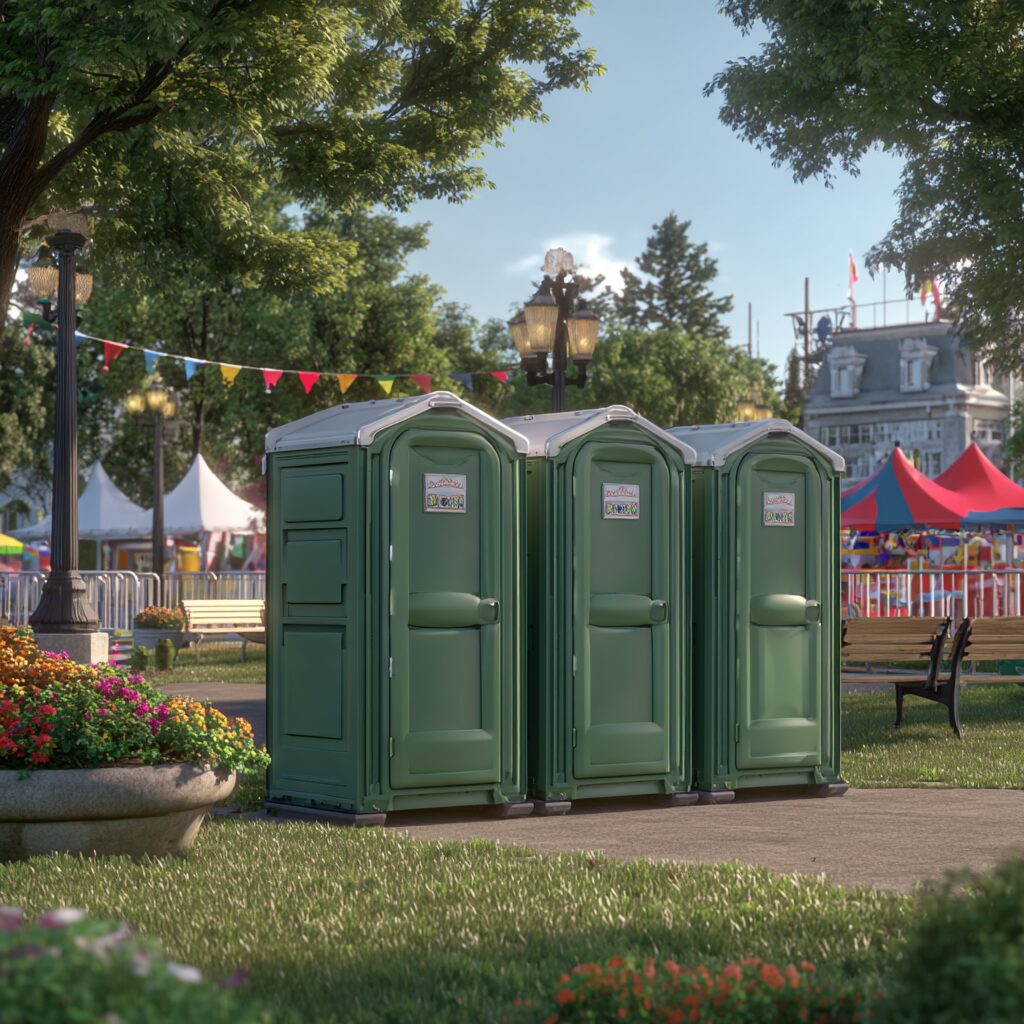
When summer temperatures soar above 90°F, standard weekly maintenance schedules become inadequate for portable restroom hygiene and user satisfaction. Understanding the benefits of twice weekly porta potty cleaning becomes essential for construction managers and event organizers who need to maintain professional standards while preventing odor disasters that can derail projects and events.
At Prime Dumpster, we’ve coordinated twice weekly porta potty cleaning across thousands of summer events and construction sites, helping clients maintain fresh, functional facilities despite extreme heat and high-traffic conditions. Our comprehensive approach reveals why twice weekly porta potty cleaning transforms potential sanitation disasters into manageable operations that protect both user comfort and professional reputation.
The answer depends on temperature, usage levels, and user expectations, but most summer conditions favor enhanced maintenance schedules over standard weekly service. When temperatures exceed 85°F, waste decomposition accelerates dramatically, causing deodorizers to lose effectiveness within 3-4 days rather than the typical week.
High-traffic construction sites and outdoor events particularly benefit from twice weekly cleaning during peak summer months. While the upfront cost increases, the investment prevents user complaints, maintains professional standards, and reduces emergency service calls that often cost more than proactive maintenance.

| Event Type | Duration | Attendees | Recommended Schedule | Key Considerations |
| Construction Sites | Ongoing | 20-50 workers | Twice weekly | Heat exposure, dehydration increases usage |
| Outdoor Festivals | 2-3 days | 500-5,000 | Daily during event | High traffic, alcohol service increases needs |
| Corporate Events | 1 day | 100-300 | Standard weekly | Shorter duration, professional expectations |
| Sports Tournaments | Weekend | 200-1,000 | Twice weekly + event day service | Athletes require frequent hydration breaks |
| Wedding Receptions | 1 day | 50-200 | Standard weekly | Lower traffic, shorter event duration |
| Multi-Day Concerts | 3-5 days | 1,000+ | Daily + mid-day refresh | Extreme usage, extended heat exposure |
Summer transforms temporary restrooms into microbial laboratories. While these units handle basic needs year-round, soaring temperatures rewrite the rulebook for maintenance. You wouldn’t leave potato salad out at a picnic – why treat sanitation facilities differently when mercury rises?
Phoenix-level heat doesn’t just fry eggs on pavement. It supercharges biological processes inside portable facilities. Consider these thermal realities:
Construction crews battling heat exhaustion don’t need nasal assaults. Event guests already sweating through shirts won’t tolerate pungent facilities. Summer demands respect – and adjusted service schedules.
Moist air teams with heat to create perfect storm conditions. Microbial colonies multiply exponentially in these environments. Within 48 hours of standard servicing:
Sudden rainstorms compound issues by increasing humidity and user traffic. The result? Facilities that go from fresh to foul faster than sunscreen melts off noses.
What separates bearable restrooms from biohazard zones during heatwaves? The answer lies in service schedules. Most facilities at parks or job sites follow routine maintenance plans that work nine months out of the year. But when thermometers spike, those same plans become recipes for disaster.
Standard care for sanitation units involves seven-day rotations. Technicians empty tanks, scrub surfaces, and replenish supplies like toilet paper and hand sanitizer. Deodorizing agents get added to neutralize odors – enough to last until the next appointment.
| Service Frequency | Included Services | Summer Effectiveness |
| Standard Plan (1x/week) | Waste removal, basic cleaning, supply restock | Lasts 2-3 days in extreme heat |
| Enhanced Plan (2-3x/week) | Additional deodorizer refresh, thorough disinfection | Maintains 5-day freshness |
Scorching temps break down chemicals faster than kids devour popsicles. More frequent visits prevent that “walking into a wall of stench” feeling by midweek. Job sites see fewer complaints when units stay fresher longer – workers actually use them instead of holding it in.
Overflow risks drop significantly with extra attention. Gas expansion from decomposing waste can push tanks to their limits. Regular pump-outs keep everything contained, even in extreme heat.
Smart scheduling keeps users happier than kids at a sno-cone stand. Ready to make summer sanitation your secret weapon?
Imagine stepping into a restroom that smells like a fresh breeze instead of a dumpster fire. That’s the power of smart maintenance during scorching months. Let’s break down how strategic servicing keeps temporary units functional and users satisfied.
Heat turns neglected units into odor factories within hours. Regular servicing acts like a fire extinguisher for potential disasters. Check out how proactive care stacks up:
| Common Issue | Standard Maintenance | Enhanced Approach |
| Waste accumulation | Overflow risk after 4 days | Contained tanks all week |
| Odor development | Strong smells by Day 3 | Neutralized daily |
| User complaints | 60% report issues | Under 10% dissatisfaction |
This method prevents the “domino effect” of summer sanitation fails. Empty tanks mean no methane gas buildup. Fresh deodorizers combat heat-activated smells.
Clean units transform user behavior. Construction crews stay hydrated when they trust onsite facilities. Event guests spend more time enjoying festivities than avoiding restrooms.
Nobody wants to hold their nose while doing their business. Well-kept spaces encourage respect – fewer clogged toilets or graffiti incidents. Happy workers mean productive sites. Satisfied guests become repeat customers.
What’s the secret behind spotless portable restrooms that don’t make you gag? Professional crews armed with industrial-strength solutions and military-grade precision. These aren’t your average janitors – they’re sanitation specialists trained to combat summer’s worst effects.
Specialized vacuum trucks extract contents with surgical precision, leaving tanks empty and odor-free. Teams then scrub every surface – seats, handles, walls – using EPA-approved disinfectants that obliterate germs. The process finishes with:
This isn’t surface-level tidying. It’s a full-system reset that keeps units fresh longer than sunscreen at high noon.
Certified technicians follow protocols tighter than a drum. They wear protective gear resembling hazmat suits while handling waste – no rookie moves here. These pros spot issues most would miss:
Every service visit gets logged digitally, creating audit trails for health inspectors. It’s like having a superhero squad for sanitation – minus the capes, plus the compliance paperwork.
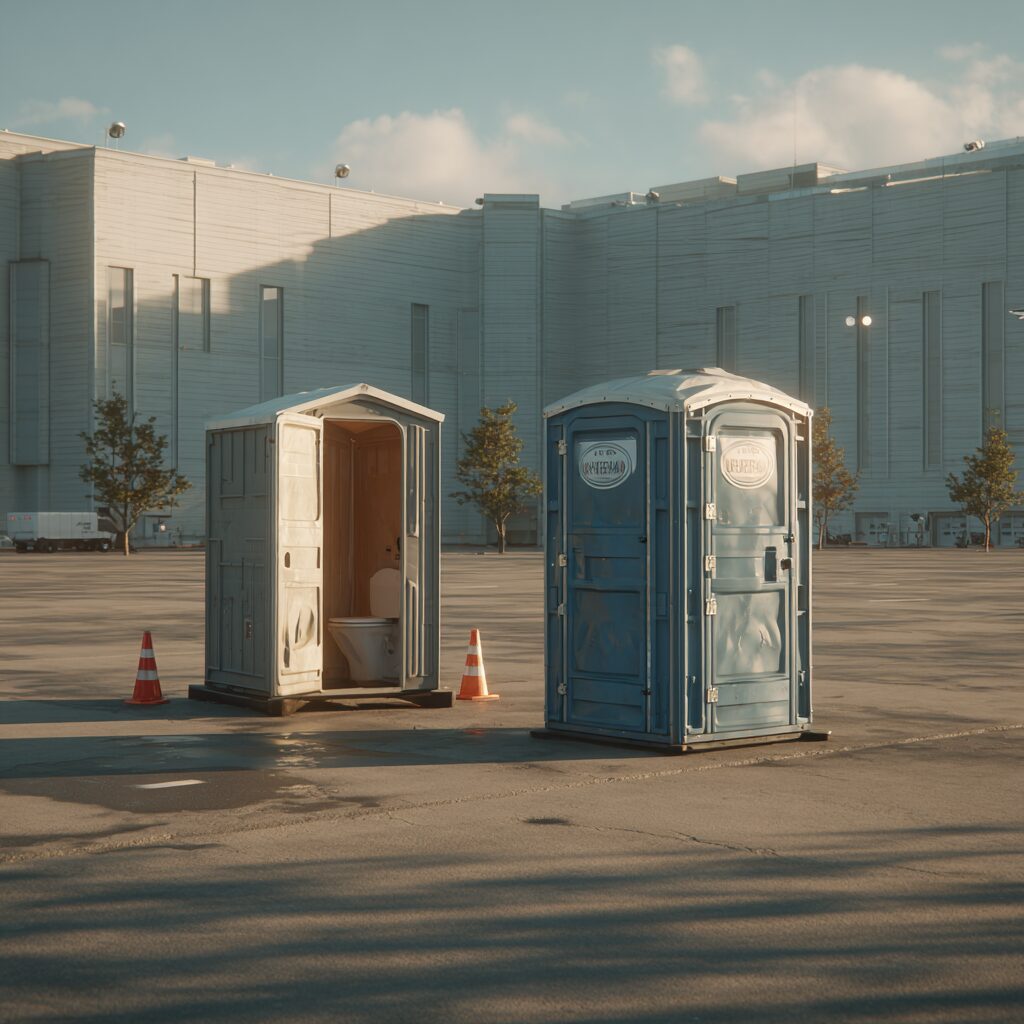
Clean facilities don’t happen by magic – they need smart daily strategies. While professionals handle deep cleaning, your team’s daily efforts make all the difference. Think of it as defense against summer’s triple threat: heat, crowds, and biology.
Treat restroom checks like hydration breaks – essential and non-negotiable. Assign staff to:
Spotting issues early prevents “oh no” moments during peak hours. Track usage patterns like a coach watching play stats – busy units get extra attention.
Stocking stations properly keeps people healthy and happy. Follow this supply checklist to help maintain porta potty hygiene:
Not all portable restrooms are created equal. From basic plastic boxes to luxury trailers, each type of portable toilet requires specific maintenance approaches. Summer heat amplifies the stakes – what works for standard units won’t cut it for complex setups.
Single-occupancy plastic bathrooms need swift servicing: waste removal, surface scrubbing, and supply checks. But add sinks or flushing mechanisms, and the game changes. Many models with these extras require:
Flushable trailers with water hookups need extra care. Technicians handle fresh water tank refills and gray water disposal – think of it as mobile plumbing management.
ADA-compliant bathrooms aren’t just bigger – they’re accessibility hubs. Cleaning crews focus on:
Multi-stall trailers get treated like mini public bathrooms. Teams methodically clean each stall, shared sinks, and mirrors. Professional services adjust their methods faster than kids swap swim trunks in August.
Matching maintenance to unit type keeps facilities functional all season. Because nobody wants their construction crew mutinying over bathroom conditions – or event guests posting restroom selfies for the wrong reasons.
Implementing twice weekly porta potty cleaning during summer months ensures hygienic, odor-free facilities that maintain user satisfaction and professional standards despite extreme heat conditions. Smart maintenance scheduling prevents costly problems while demonstrating commitment to worker and guest welfare during the most challenging weather periods.
Prime Dumpster provides comprehensive twice weekly porta potty cleaning services with specialized summer protocols designed for extreme heat and high-traffic conditions across construction sites and events. Contact our team to discover how our proven maintenance strategies ensure clean, functional facilities while protecting your reputation and maintaining optimal hygiene standards throughout demanding summer seasons.
If you are looking for Porta Potty Hygiene Tips for Summer 2025, Click Here


