Mon - Sat 7:00 am to 7:00 pm


Mon - Sat 7:00 am to 7:00 pm
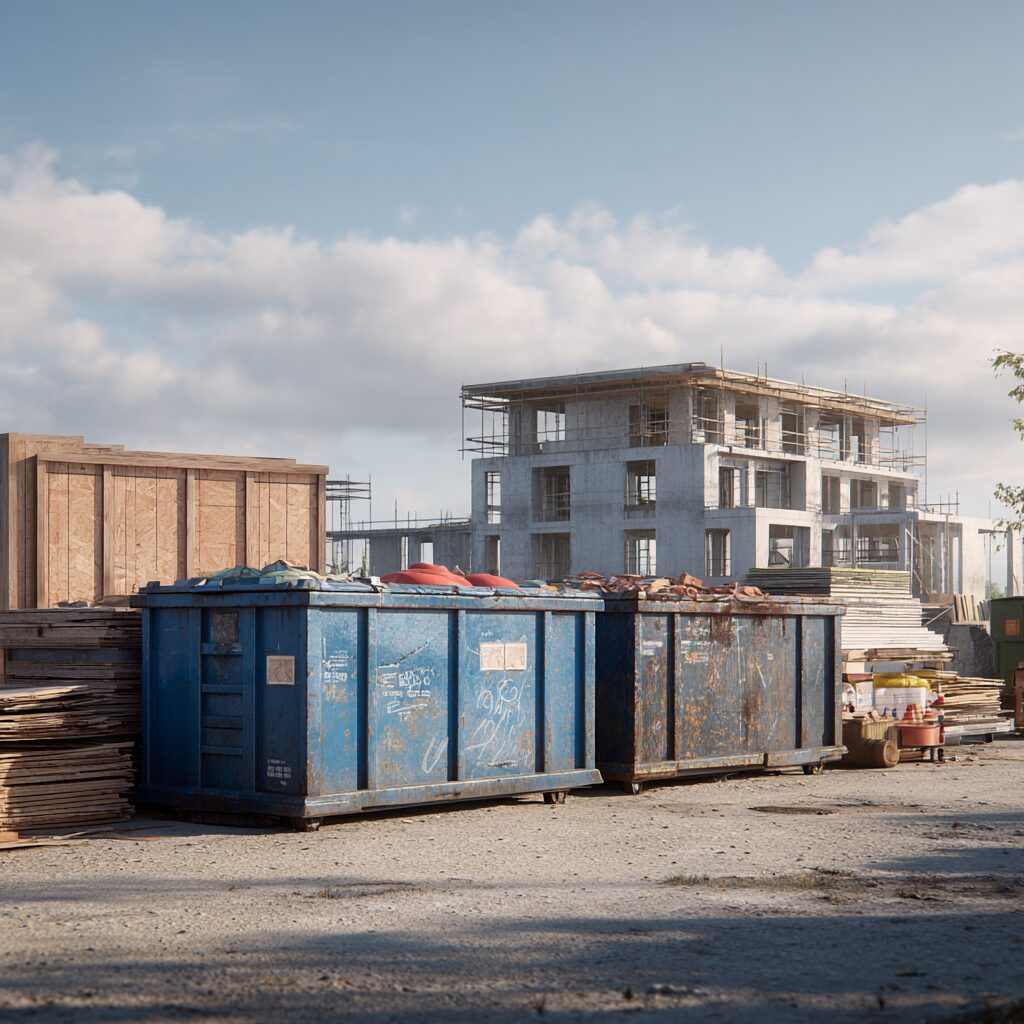
Major construction projects spanning months or years need more than basic waste removal solutions to manage ongoing debris efficiently. Most companies struggle with long-term dumpster rental strategies for construction because short-term approaches create scheduling nightmares and budget overruns that derail project timelines.
Prime Dumpster’s construction industry expertise delivers comprehensive long-term dumpster rental strategies for construction that adapt to project phases and seasonal changes.
Our strategic approach helps large companies transform waste management from operational headache into competitive advantage through flexible agreements and dedicated account management.
Extended rental agreements provide significant operational and financial advantages for large-scale construction projects lasting multiple months or years.
Now let’s explore the detailed strategies that optimize long-term waste management for large construction operations.

Think your six-month build needs the same dumpster plan as a weekend remodel? Think again. Managing debris across seasons requires more than oversized bins – it demands smart systems that evolve with your timeline. Let’s talk trash strategy.
| Aspect | Short-Term Plan | Extended Plan |
| Contract Terms | Week-to-week | Custom timelines |
| Flexibility | Fixed schedules | Weather-adjusted swaps |
| Cost Structure | Per-pickup fees | Volume discounts |
| Communication | Basic updates | Dedicated account managers |
Extended projects create unique challenges. Winter freeze delaying concrete work? Your waste partner should adjust pickup schedules faster than a nail gun jams. Summer storm flooding the site? They’ll need to handle soggy drywall like pros.
Smart teams treat their dumpster provider like an extension of their crew. You wouldn’t hire temporary electricians – why gamble with waste management? Top-tier customer service here means proactive check-ins, not just answering phones.
The rental business thrives on relationships. Lock in partners who track your project phases better than your coffee runs. When permits get pushed or materials arrive late, your waste plan should flex without penalty fees.
Remember: That mountain of debris shouldn’t become your job site’s permanent landmark. With the right approach, your trash system becomes invisible – letting your actual work shine.
Ever tried fitting a bulldozer in a compact parking spot? That’s what happens when you pair massive projects with temporary waste plans. Extended container agreements work differently than quick fixes – they’re built for projects that measure timelines in seasons, not days.
| Container Size | Weight Limit | Best For |
|---|---|---|
| 10-yard | 1 ton | Demo debris, small renovations |
| 15-yard | Mixed materials, medium cleanouts | |
| 20-yard | 1-2 tons | Roofing projects, kitchen renovations |
| 30-yard | 2-3 tons | Frame-out phases, large renovations |
| 40-yard | Site-wide cleanouts, major demolition |
Top providers treat your operation like their own business. You’ll get account reps who know your crew’s names and maintenance teams that show up before you notice wear. Forget playing phone tag when debris piles up faster than expected.
Size adjustments mid-project shouldn’t require new contracts. Smart agreements let you swap containers like changing hard hats – no paperwork headaches. Need three 20-yard units during demolition week? Done. Scaling back to one 30-yard for finish work? Easy.
Here’s the secret sauce: predictable business helps everyone. When providers know you’ll need equipment for 18 months, they invest in better service. You gain priority scheduling and cost breaks that week-to-week users never see.
Prime Dumpster Pro Tip: Wrong container size = wasted money. A 10-yard unit for drywall scraps? Perfect. That same box for concrete waste? You’re basically burning cash. Match your debris type to your dumpster like coffee to deadlines – precise and timely.
Ever watched a traffic jam form around your waste containers? That’s poor logistics in action. Juggling multiple phases of debris removal requires military-grade coordination. Your provider’s trucks shouldn’t block concrete mixers, and full bins can’t delay framing crews.
Track waste patterns like you monitor material deliveries. Demolition weeks need frequent swaps, while finish work might require smaller containers. Smart teams use:
One hospital project saved 18% on service costs by syncing container swaps with their roofing timeline. Your contract should bend, not break, when deadlines shift.
Placement matters more than you think. A misplaced unit can add 45 minutes to daily workflows. Establish:
Remember: Great logistics disappear. No one notices when debris flows smoothly, but everyone feels the chaos when it doesn’t.

Ever tripped over a misplaced bin during a critical lift? Proper container positioning separates smooth operations from daily obstacle courses. For projects lasting months or years, placement decisions ripple through every phase – get it wrong, and that metal box becomes your crew’s least favorite landmark.
Smart teams map container spots like chess moves. Position units where debris flows naturally – near demo zones early, closer to finish areas later. Track how forklifts and cranes navigate: A bin blocking the main material route wastes more time than a broken coffee maker.
Seasonal shifts matter too. Summer’s dry access road becomes winter’s mud pit. One Chicago high-rise team saved 22 labor hours monthly by relocating units before freeze-thaw cycles hit. Their secret? Quarterly site walkthroughs with their equipment provider.
Safety isn’t just hard hats. That $150 high-vis vest does zero good if dumpsters block emergency exits. Keep clearance zones wider than pickup truck mirrors – drivers shouldn’t need contortionist skills to service containers.
Daily checks prevent big issues. Use spray paint markers for “no-go” zones during steelwork. Train drywall crews to report overfilled units faster than they request pizza Fridays. Remember: A visible container is a used container.
Great placement disappears into the workflow. When crews stop noticing your waste system, you’ve nailed it – until someone accidentally decorates a bin with holiday lights. Priorities, right?
What happens when your waste hauler knows your schedule better than your barista? That’s the power of tight provider coordination. Smooth operations demand more than signed contracts – they require shared rhythms that keep debris flowing offsite like clockwork.
| Coordination Factor | Basic Setup | Advanced Partnership |
| Communication Channels | Single phone line | Dedicated app + SMS alerts |
| Response Time | 24-48 hours | Under 2 hours |
| Site Knowledge | Generic maps | Crane schedules memorized |
| Flexibility | 72-hour notice | Same-day swaps |
Trust forms through transparency. When material deliveries get delayed, update your provider before debris piles up. They’ll adjust routes faster than a nail gun reloads. Rural projects especially thrive on this honesty – small communities talk.
Monthly check-ins prevent big headaches. Review fill patterns like you analyze budgets. Did framing create more wood waste than expected? Adjust container sizes before drywall arrives. Smart teams share phase timelines six weeks out.
Top-tier service feels invisible. Providers anticipate needs before you voice them – like swapping bins before rain soaks cardboard. Their drivers become site regulars who know alternate routes when concrete trucks block access.
Remember: Great partnerships work like your favorite coffee shop. They know your order before you ask, but still double-check when you’re having a rough Monday.
Job site crises arrive like uninvited party guests – messy, inconvenient, and always at the worst time. When storms flood access roads or material deliveries triple your debris output, your waste management plan needs built-in shock absorbers.
Pro teams treat emergencies as “when,” not “if.” Establish clear communication protocols with providers before the first nail gets hammered. Know who to call when concrete pours get delayed or permits hit snags. Top partners offer 24/7 dispatch lines, not just voicemail boxes.
Real-time tracking tools prevent small issues from snowballing. Imagine getting alerts about full containers before crews start stacking debris beside them. Digital dashboards show service delays caused by traffic or weather, letting you reroute teams instantly.
Build contingency plans for common disruptions. A Midwest bridge project kept operations running during floods by preselecting alternate container locations on higher ground. Their provider stored extra equipment at nearby yards for rapid deployment.
True preparedness turns chaos into routine. When your waste system handles surprises as smoothly as Tuesday mornings, that’s when job sites hum like Broadway shows – all the hard work happens backstage.
Successful long-term dumpster rental strategies for construction require treating waste management as critical infrastructure rather than afterthought expense. Strategic partnerships and proper planning transform debris removal from logistical challenge into operational advantage that keeps projects moving efficiently.
Prime Dumpster specializes in extended construction partnerships that provide consistent service, flexible terms, and dedicated support throughout your project lifecycle. Contact our team to discover how our long-term dumpster rental strategies for construction can streamline your operations and protect your bottom line across any project timeline.
If you are looking for Guide to Renting a Weekend Dumpster, Click Here


