Mon - Sat 7:00 am to 7:00 pm


Mon - Sat 7:00 am to 7:00 pm
Summer brings peak season for construction projects and outdoor events, creating unique challenges for waste management and portable sanitation that require specialized planning and equipment. From construction crews battling extreme heat to festival organizers managing thousands of guests, proper site services become critical for maintaining safety, efficiency, and guest satisfaction during the year’s most demanding months.
At Prime Dumpster, we’ve coordinated site services for countless summer projects nationwide, learning how temperature extremes, increased usage patterns, and weather conditions affect everything from equipment placement to service schedules. Here’s a closer look at summer site services, with tips to same money, increase efficiency, and enhance safety!

Site services encompass the essential temporary infrastructure that keeps construction projects and outdoor events running smoothly, primarily consisting of waste management through rolloff dumpsters and portable sanitation facilities. These services form the operational backbone that allows work crews to maintain productivity and event guests to enjoy comfortable, clean environments without disrupting project timelines or guest experiences.
Using a single provider for both dumpster and porta potty rentals streamlines coordination, ensures consistent service quality, and often provides cost savings through bundled pricing and unified scheduling.
Whether you’re managing a multi-phase construction project that generates tons of debris daily or coordinating a festival with thousands of attendees, consolidated site services eliminate the complexity of managing multiple vendors while ensuring all temporary facilities work together seamlessly to support your operational needs.
Smart planning and strategic coordination help construction teams and event organizers overcome the unique challenges that summer conditions create for site operations.
These proactive strategies transform potential summer challenges into manageable operational elements that keep projects on schedule and guests comfortable throughout the demanding peak season.
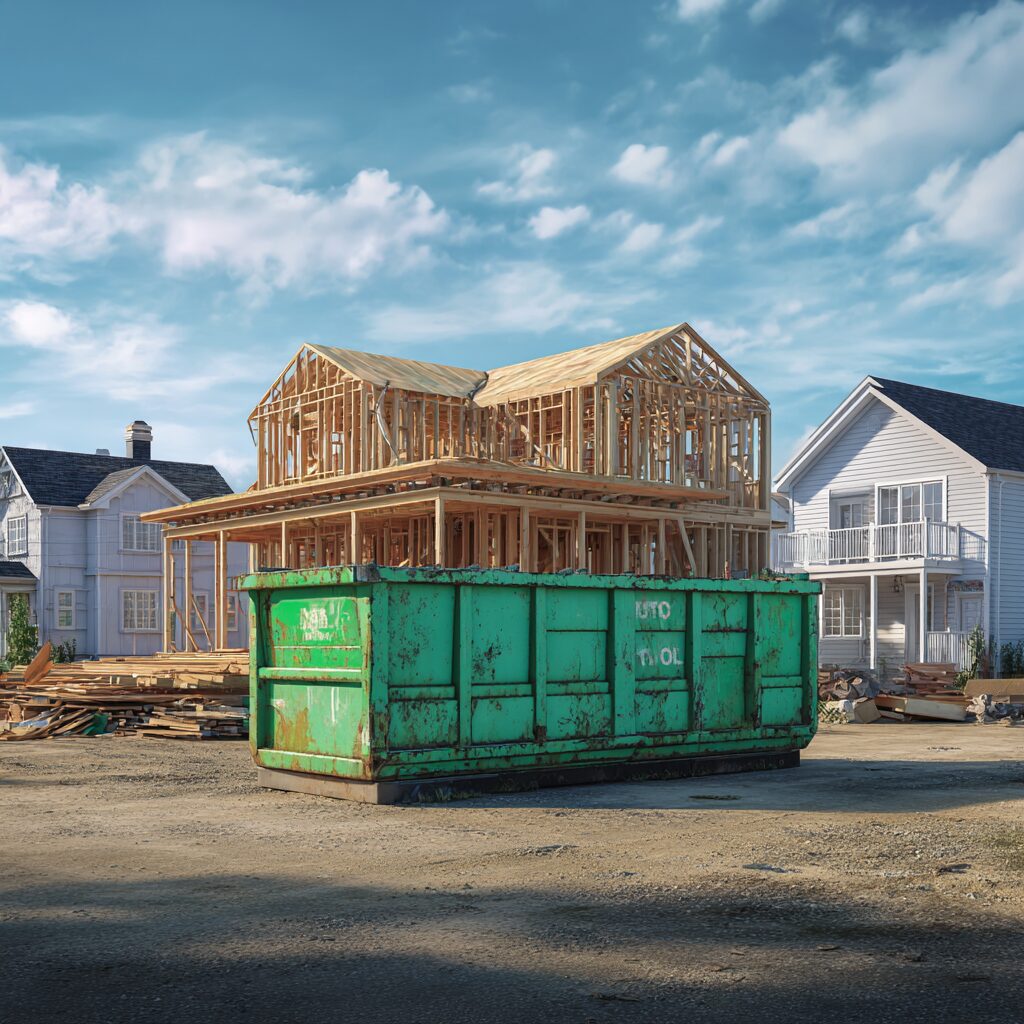
Summer construction and events require dumpsters that can handle increased debris volumes and hot temperatures. Rolloff dumpsters come in various sizes to match different project scales and material types.
| Size | Capacity | Best For | Summer Considerations |
| 10-Yard | 3 pickup truck loads | Bathroom renovations, small cleanouts | Ideal for heavy materials like concrete that become heavier in heat |
| 15-Yard | Mid-sized projects | Garage construction, flooring projects | Good balance of capacity and manageability in hot weather |
| 20-Yard | 6 pickup truck loads | Kitchen remodels, roofing jobs | Most popular size for summer projects |
| 30-Yard | Large renovations | Commercial cleanouts, multi-room demolition | Requires strategic placement to avoid overheating |
| 40-Yard | 16 tons capacity | Major demolition, large construction sites | Position for maximum shade coverage during extreme heat |
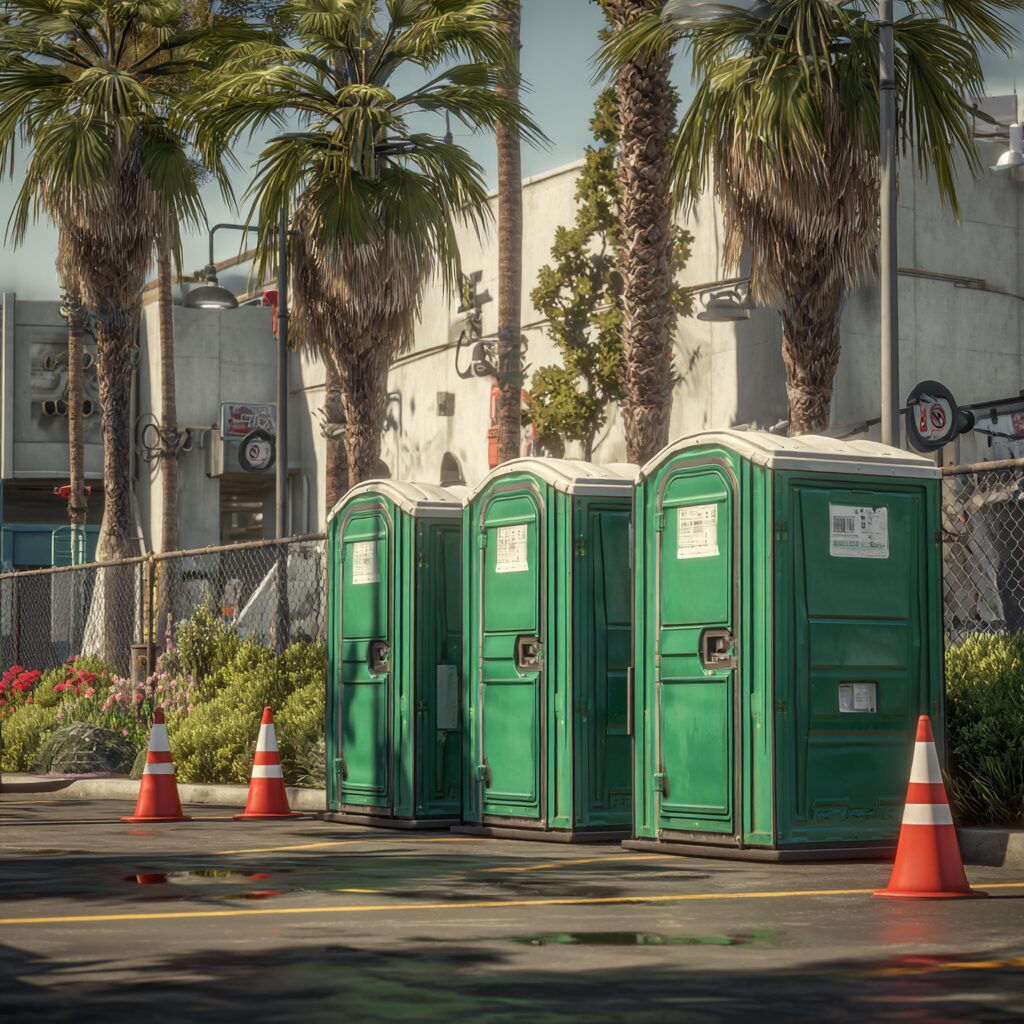
Summer portable sanitation needs vary significantly based on user expectations, event duration, and comfort requirements during hot weather months. Different porta potty types offer varying levels of amenities and climate protection for summer use.
| Type | Features | Best For | Summer Benefits |
| Standard Units | Basic facilities, hand sanitizer | Construction sites, casual events | Cost-effective with adequate ventilation |
| ADA Compliant | Wheelchair accessible, grab bars | Public events, legal compliance | Wider doors improve airflow and comfort |
| Flushing Models | Foot-pedal operation, odor control | Multi-day events, upscale gatherings | Reduced odors crucial in hot weather |
| Units with Sinks | Built-in handwashing stations | Food service areas, health-conscious events | Essential for hygiene in heat and humidity |
| Restroom Trailers | Climate control, multiple stalls | Weddings, VIP events | Air conditioning provides heat relief |
Maintaining equipment in peak season feels like fighting nature itself. Sweltering days test every seal and hinge, while afternoon storms turn functional units into science experiments. Smart teams don’t just react – they outsmart the elements with precision care strategies.
Heat transforms portable restrooms faster than ice melts in July. Odors develop aggressively, demanding twice-weekly servicing instead of standard cleanings. Contractors report plastic components warping under relentless sun exposure, creating gaps that compromise privacy and air quality.
Humidity amplifies challenges, turning dumpster areas into breeding grounds for pests. One Phoenix project manager reduced complaints by 65% using gravel pads and daily deodorizing sprays. Always check drainage routes before storms hit – clogged runoff can flood containment zones overnight.
Top providers adjust their maintenance programs from June through August, adding midday checks during heat advisories. They know metal latches expand in sunlight, potentially jamming doors. Proactive teams track weather patterns to stay ahead of trouble, keeping projects moving smoothly through nature’s toughest tests.
Ever wondered what separates a smooth operation from a disaster scene? Hint: It’s not just hard hats and caution tape. Smart safety programs turn potential nightmares into manageable routines for teams and guests alike.
Dumpster safety begins with weight limits – overloaded units tip faster than toddlers on sugar crashes. Workers need clear information about banned materials like chemicals or asbestos. One construction crew learned this the hard way when a mystery substance sparked an agency inspection.
| Dumpster Musts | Porta Potty Priorities |
| Load evenly – no leaning towers of debris | Report leaks within 4 hours |
| Keep 10ft clearance around units | Stock extra TP and sanitizer |
| Color-code lids for waste types | Lock doors during transport |
Portable restroom cleanliness isn’t just about comfort – it’s public health. A single neglected unit at a county fair once caused three separate 911 calls. Daily checks catch issues before they escalate.
Post service team contact information where everyone sees it – porta potty emergencies wait for no one. Training programs should cover everything from proper handwashing to recognizing structural damage. Documentation protects your team if regulators come knocking.
Prime Dumpster Pro Tip: Safety protocols work best when everyone’s informed. Distribute guidelines during orientation and refresh them weekly. Your future self will sleep better knowing you’ve covered the basics – and the weird what-ifs.
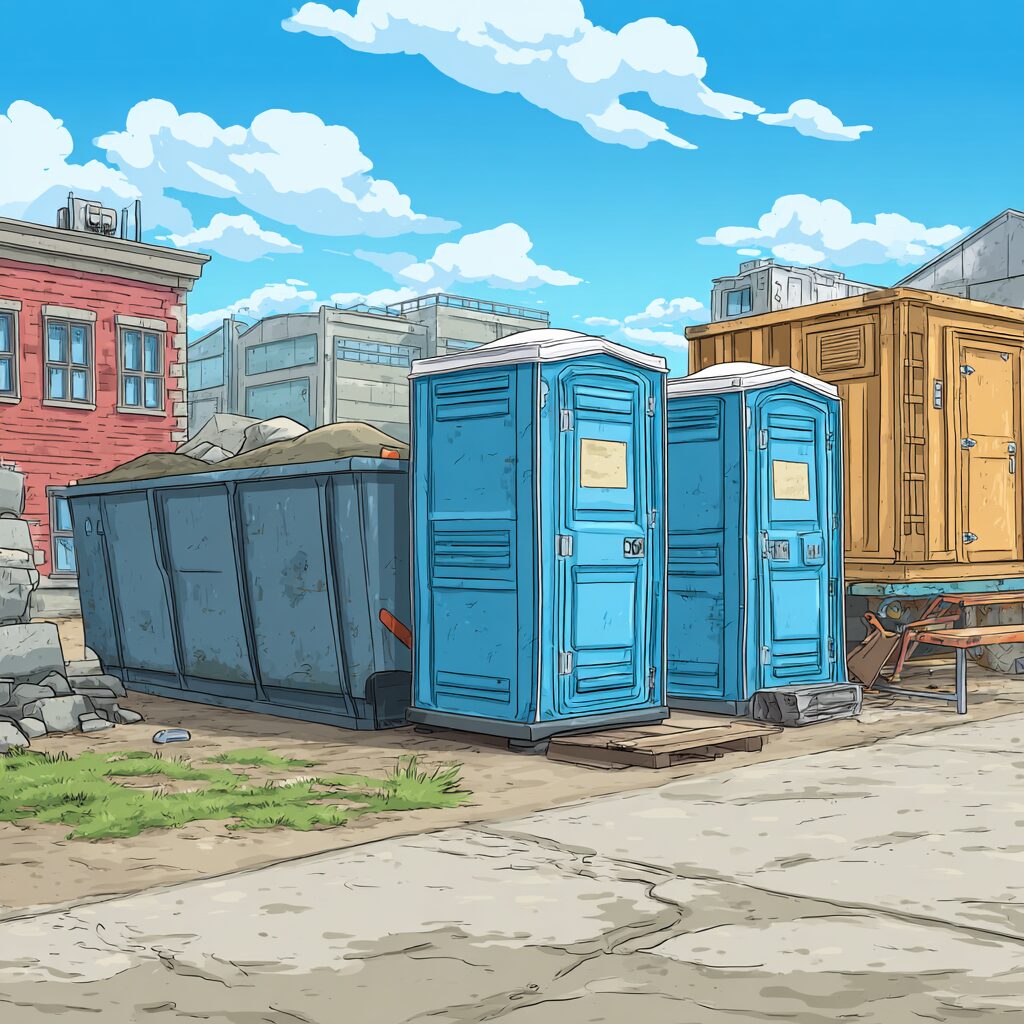
Ever tried parking a dumpster where it blocks the only exit? Thoughtful placement transforms chaotic layouts into smooth-running operations. Your program succeeds when rentals work with existing infrastructure – not against it.
| Integration Factor | Best Practice | Common Mistake |
| Traffic Flow | Map delivery routes separate from attendee paths | Blocking emergency access lanes |
| Utility Access | Mark underground lines before placement | Parking units over water mains |
| Service Coordination | Share cleaning schedules with all vendors | Double-booking pump-out hours |
Dumpsters thrive near work zones but hate tight corners. Position them where trucks can swing wide during pickup hours. Leave space for doors to fully open – crushed fences cost more than extra planning time.
Porta potties need discreet yet reachable spots. Cluster them 30 feet from food areas unless you want lemonade stands smelling like a science fair volcano. Always check slope gradients – nobody enjoys a tilting toilet experience.
Smart programs consider power outlets for trailer AC units and drainage for stormwater runoff. A Michigan festival avoided parking nightmares by revising their layout three times before setup day. Remember: Good integration means never hearing “We can’t get through!” during crunch time.
Weather patterns aren’t just small talk—they’re maintenance game-changers. Imagine trying to keep a chocolate bar solid in a sauna. That’s what happens to waste systems when thermometers spike. Your maintenance rhythm needs to sync with nature’s beat.
Hotter days mean faster breakdowns. Weekly cleanings? Try every three days when heat accelerates odor development. Providers often double their visits during peak months. Extended daylight lets crews work later, but also means more users per unit daily.
| Maintenance Factor | Standard Program | Summer Program |
| Cleaning Frequency | Weekly | Every 72 hours |
| Chemical Formulas | Standard deodorizers | Heat-activated enzymes |
| Equipment Checks | Monthly inspections | Biweekly component tests |
Temperature swings stress materials differently. Plastic seals expand in afternoon heat, then contract overnight. Smart teams track these shifts to prevent gaps before they become problems.
Talk to your rental company about seasonal adjustments. Their modified programs account for everything from monsoon rains to heatwaves. A flexible approach keeps operations smooth all year—no matter what the sky throws at you.
Successful summer site services require understanding how extreme heat, increased usage, and weather conditions affect both equipment performance and user comfort throughout the peak season. Strategic planning that addresses these seasonal challenges ensures construction projects stay on schedule and events provide positive experiences for all participants.
Our Prime Dumpster team brings extensive experience coordinating summer site services for diverse projects across challenging climates and demanding conditions. Contact us to discover how our comprehensive approach to seasonal planning can help make your project or event a success, regardless of what Mother Nature brings your way.
If you are looking for Dumpster Q&A with the Prime Dumpster Pros, Click Here


