Mon - Sat 7:00 am to 7:00 pm


Mon - Sat 7:00 am to 7:00 pm
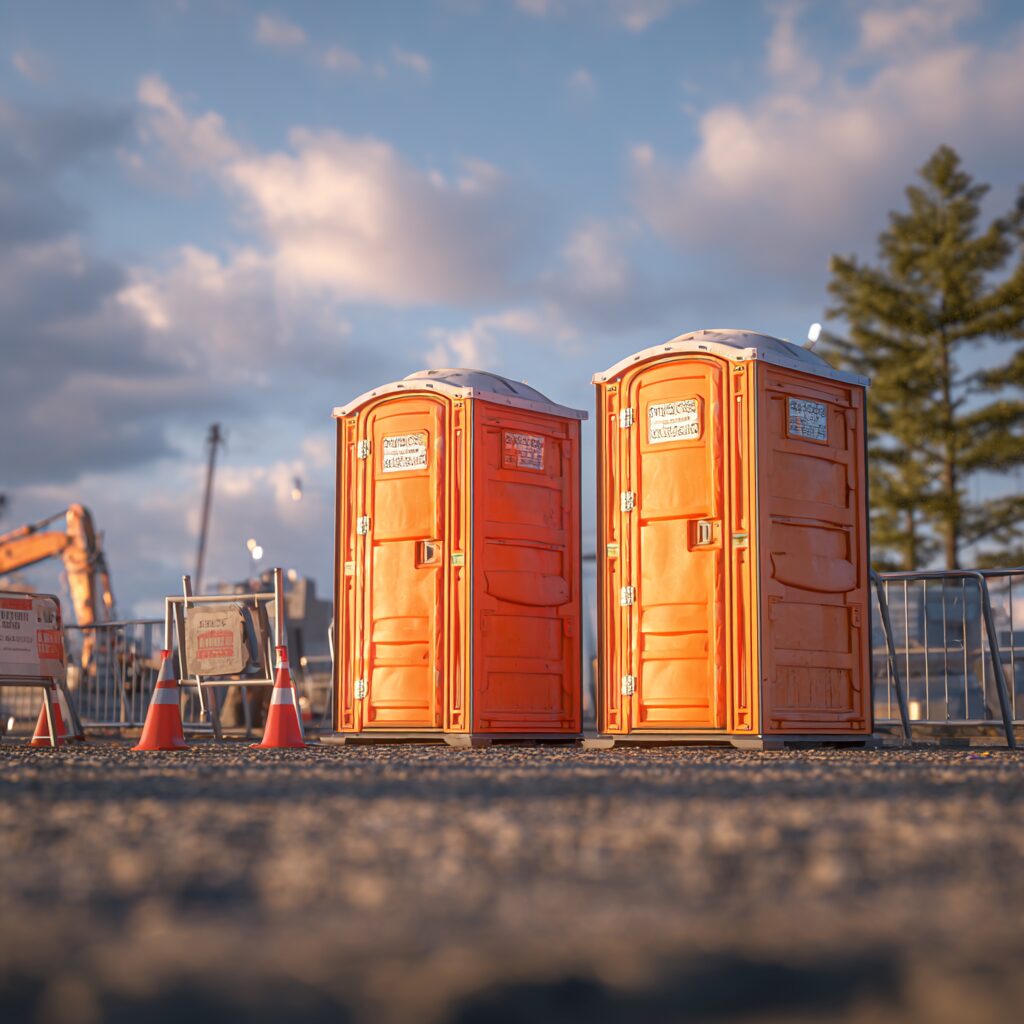
If your event or construction site lacks the correct type and number of accessible portable toilets, you risk failing to serve users who depend on these features. Plus, you could face a variety of fines and other penalties.
What type of handicapped portable toilet should I rent? Understanding the answer requires navigating ADA requirements, accessibility standards, and user needs.
At Prime Dumpster, our team created the following guide exploring handicapped accesible portable toilets for rent, including their unique features as well as a comparison to ADA-compliant units.
Handicapped accessible portable toilets provide essential restroom facilities designed specifically for users with mobility challenges, featuring wider doors and spacious interiors that accommodate wheelchairs and assistive devices. These specialized units ensure that people with disabilities can access portable restroom facilities with dignity and safety at construction sites, outdoor events, and temporary locations.
While they offer improved accessibility over standard units, understanding the difference between basic accessible features and full ADA compliance helps ensure you select the right equipment for your specific legal and user requirements.
ADA compliant portable toilets meet strict federal accessibility standards with precise specifications that exceed basic handicapped accessible features. They’re required by law for public events and construction sites, offering enhanced dimensions and safety features that ensure full regulatory compliance.
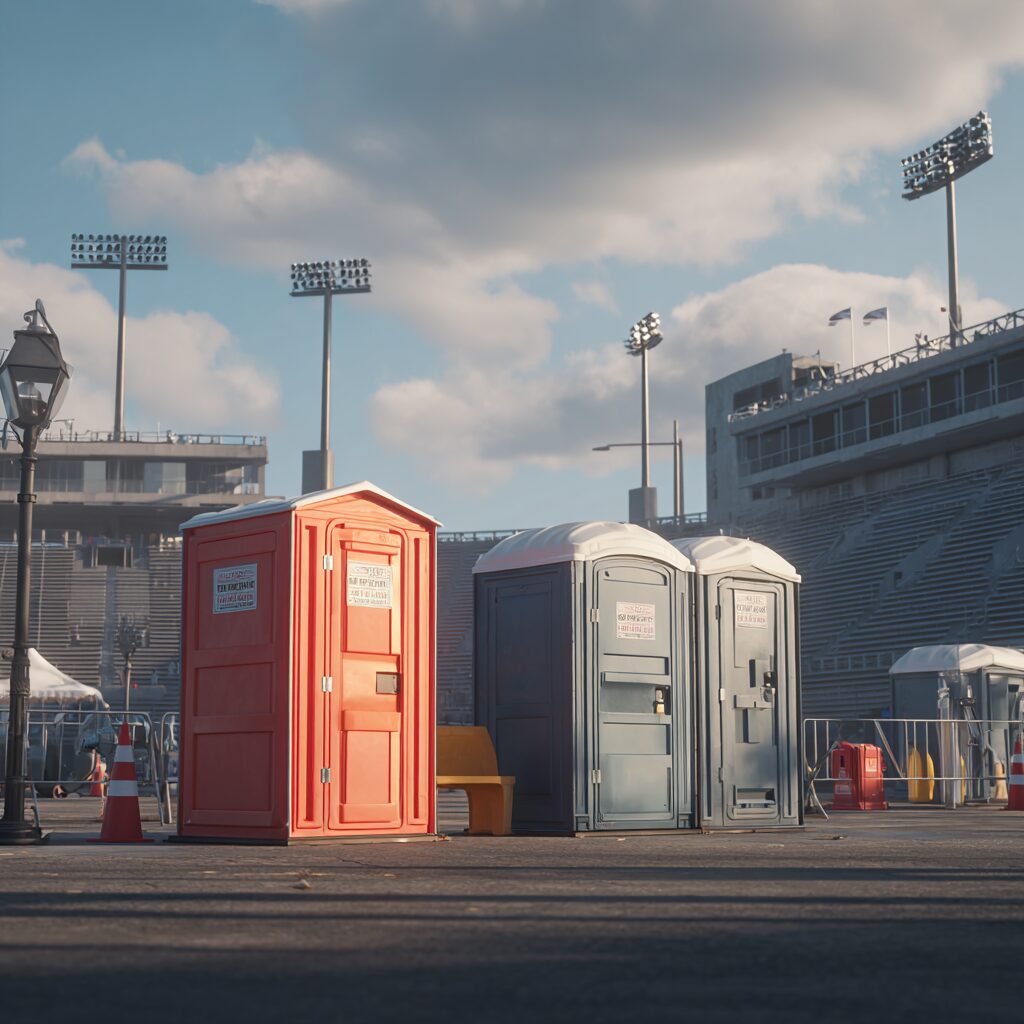
Here’s a look at the average features and uses you’ll find in these two types. Keep in mind, these are typical features and specifics, which may vary based on availability in your area.
| Feature | Handicapped Accessible | ADA Compliant |
| Interior Dimensions | 62″ wide x 62″ deep x 91″ high | 67″ wide x 86.5″ deep x 90″ high |
| Door Width | Wider doorways (unspecified) | Minimum 36″ wide |
| Wheelchair Turning | Three-point turn capability | Full 360-degree turning radius |
| Entry Method | Ramp entry | Ground-level entry |
| Door Features | Standard door | Spring-loaded with occupancy indicator |
| Safety Features | Enhanced accessibility | ADA-compliant grab bars, non-slip flooring |
| Legal Compliance | Improved accessibility | Federal ADA compliance required |
| Best Use Cases | Private events, basic accessibility needs | Public events, construction sites, legal compliance |
| Required For | Voluntary accessibility improvement | Mandatory for public venues |
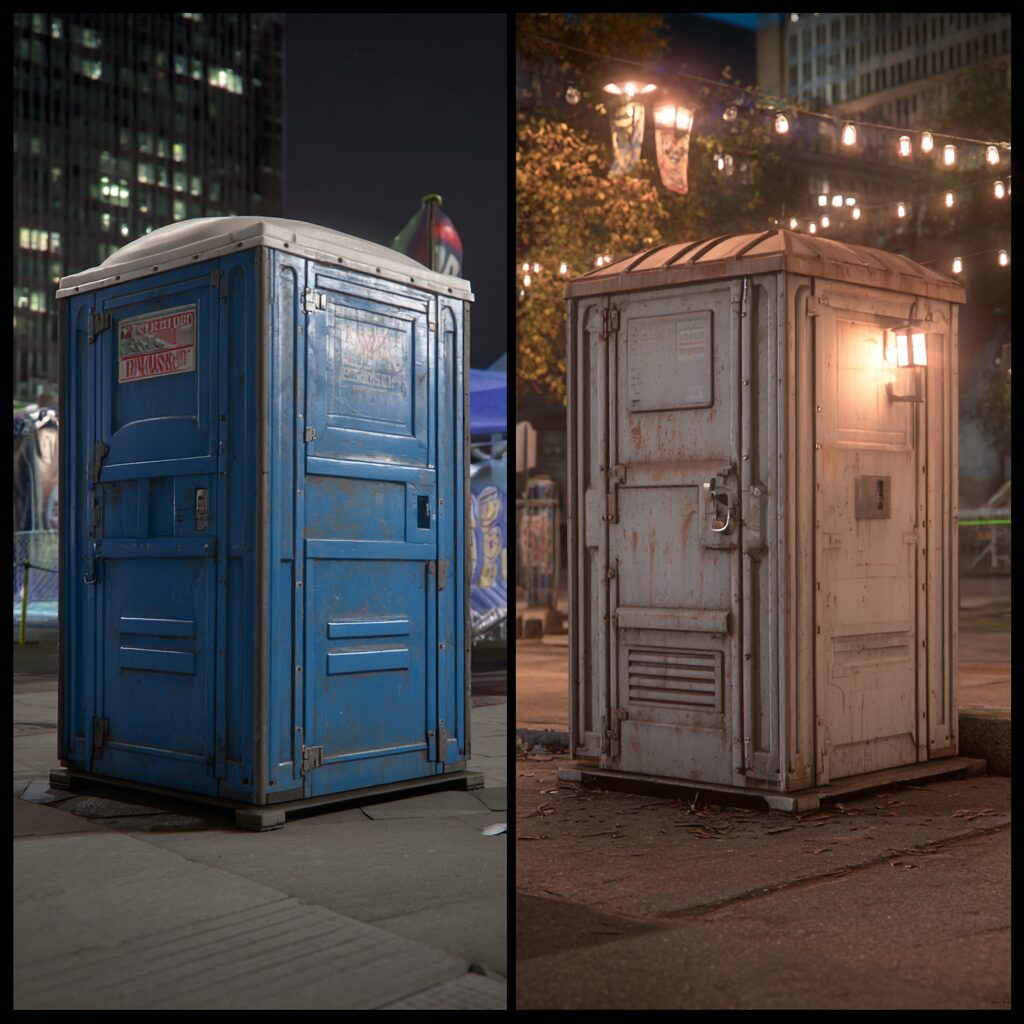
Various handicap porta potties cater to different needs, from basic accessibility to premium comfort. Knowing your rental options helps you pick the best fit for your event and budget.
Standard units offer essential accessibility features at a budget-friendly price. They include wider doors (at least 32 inches), interior grab bars, and ample space for wheelchair users. Rental costs usually fall between $199 to $349 per day.
Standard units are ideal for:
A deluxe handicapped restroom combines a toilet with a built-in handwashing station. This design eliminates the need for separate sinks, ensuring better hygiene. It also saves space and enhances user convenience.
These premium units are perfect for food festivals, corporate gatherings, and upscale outdoor events. Cleanliness is key in these settings.
The flushable accessible toilet offers the highest level of comfort in portable restrooms. With foot-operated flush mechanisms and larger water tanks, it mimics traditional indoor facilities. These units boast enhanced ventilation and often include interior lighting.
Great for weddings, VIP areas, and extended events, these premium options are worth the extra cost. They ensure guest satisfaction.
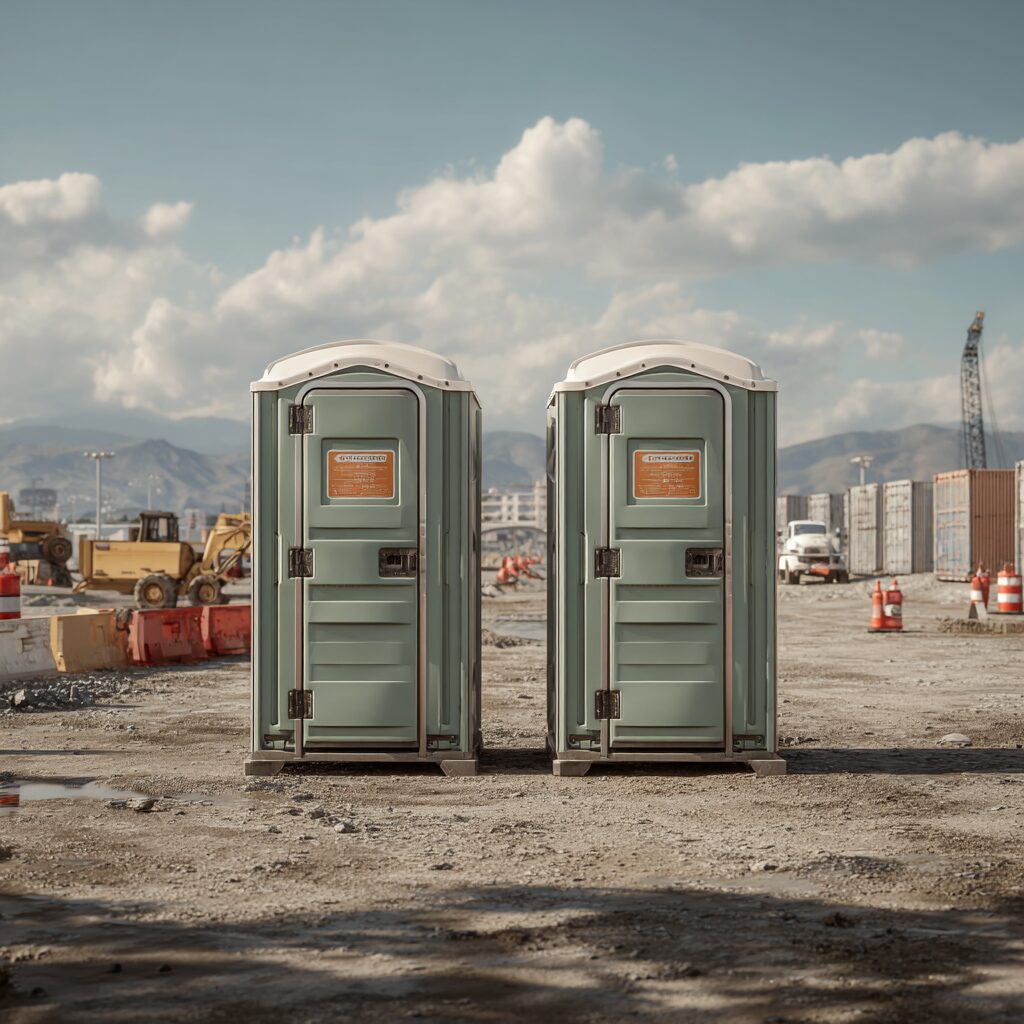
Renting portable toilets for events or construction sites requires understanding ADA compliant and handicap accessible units. Both offer better access for people with disabilities. However, only ADA compliant units meet strict federal standards.
ADA compliant units must adhere to federal guidelines. They measure 67 inches wide by 86.5 inches deep and 90 inches high. This size ensures a 60-inch turning radius, allowing wheelchair users to move easily. Each unit has a ground-level entry, sturdy grab rails, and door handles at accessible heights.
Handicap accessible porta potties share similar features but don’t always meet all wheelchair accessible regulations. They often have wider doors, grab rails, and lower toilet seats. While better than standard porta potties, they might not meet public venue disability access laws.
When planning any gathering or work project, understanding federal restroom standards is not just advisable—it’s mandatory. Both event organizers and construction managers must adhere to specific regulations. This ensures everyone has equal access to sanitation facilities.
OSHA portable toilet requirements outline exact numbers for work sites. You need at least one unit for every 20 workers during a standard 40-hour work week. Construction site regulations, however, go beyond just counting heads. Each facility must include:
Event accessibility laws differ. Public event compliance requires that 5% of all portable toilets be ADA-compliant units. For instance, a music festival with 100 standard porta potties needs at least 5 accessible ones. These rules apply to any event, from county fairs to outdoor weddings or community 5K races.
Smart planners anticipate long-term needs. Monthly rental packages often include damage protection and emergency replacement options. These are ideal for construction projects lasting several months. Starting with the right setup saves headaches down the road.
Remember, these are not just suggestions. Federal agencies can issue fines for non-compliance, and injured parties may pursue legal action. More importantly, following these guidelines ensures everyone can participate fully in your event or contribute to your work site.
Figuring out the right number of portable toilets for your event or job site begins with understanding basic rental quantity guidelines. Professional rental companies apply specific formulas. These are based on crowd size, event duration, and activity type. A portable toilet quantity calculator aids in planning effectively, ensuring you meet accessible unit requirements.
Calculating event restroom ratios involves several factors. For events up to four hours, plan for one portable toilet per 50 guests. Increase the number of units for events with alcohol or longer durations. Music festivals and outdoor concerts require restroom clusters across the venue, with at least 5% being ADA-compliant units. Weather and food service also impact your needs.
Public gatherings must adhere to specific accessible unit requirements for equal access. Event planners should consider these standard ratios:
| Event Size | Standard Units Needed | Accessible Units Required |
| 100-500 guests | 2-10 units | 1 accessible unit |
| 500-1,000 guests | 10-20 units | 2 accessible units |
| 1,000-2,000 guests | 20-40 units | 3 accessible units |
Construction toilet standards demand meticulous planning. A 50-person crew working regular hours requires at least three units. The recommended ratio is one unit per 10 workers for eight-hour shifts. Consider extra units for split shifts, overtime, and remote work areas on large sites. Remember to account for visitor and inspector access when determining your rental quantity guidelines.
What type of handicapped portable toilet should I rent? The answer requires a balance between legal compliance and user dignity.
Ready to ensure your project meets the highest accessibility standards? Contact us for help with all of your portable toilet rental needs. Our team offers fast, friendly service for projects and events nationwide.
If you are looking for Q&A with the Prime Dumpster Pros: How to Use Rented Portable Toilets Near Me , Click Here


