Mon - Sat 7:00 am to 7:00 pm


Mon - Sat 7:00 am to 7:00 pm
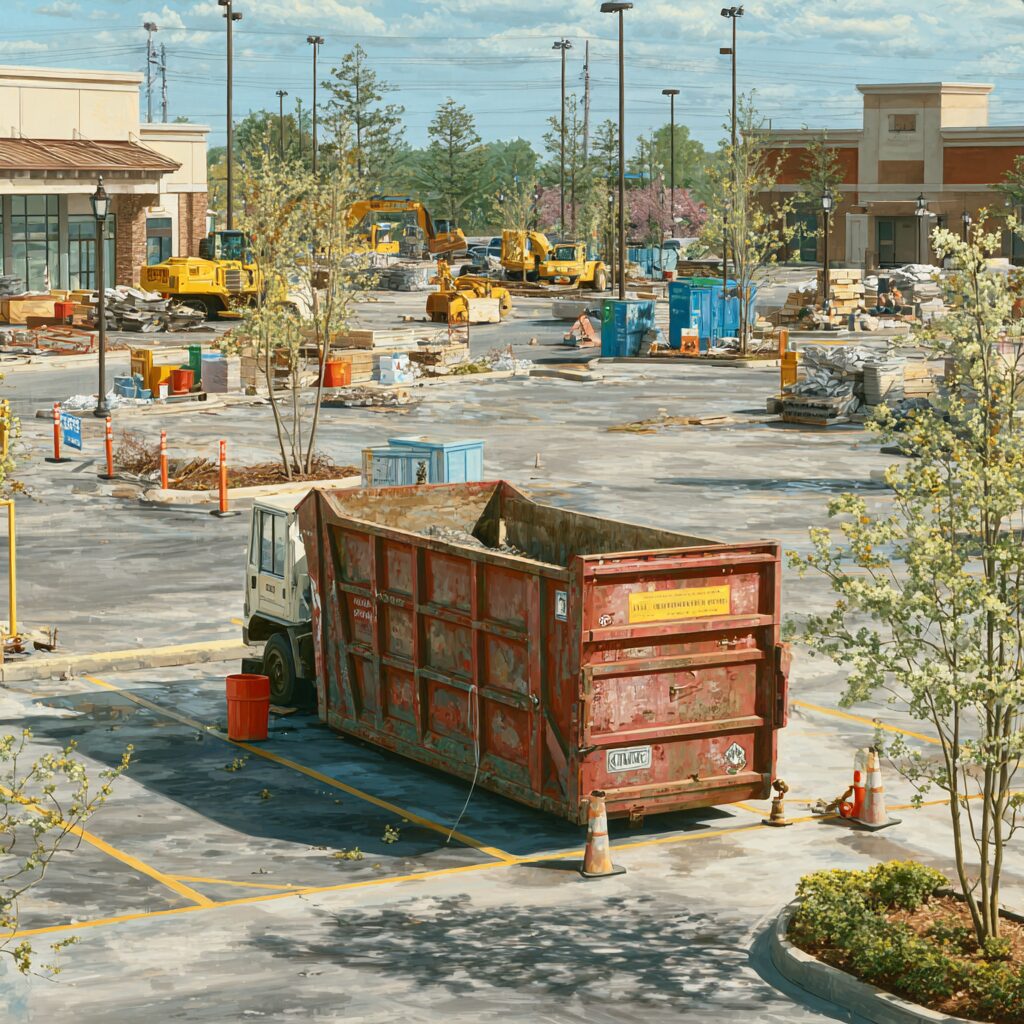
Retail parking lot renovations present unique waste management challenges that can disrupt customer access and overwhelm project budgets without proper planning. From removing tons of broken asphalt to disposing of concrete curbing and drainage materials, successful exterior upgrades require strategic debris handling that maintains operational flow while crews transform your property.
At Prime Dumpster, we’ve coordinated dumpster rental services for property managers navigate everything from minor surface repairs to complete pavement overhauls. Our comprehensive guide to roll-off dumpsters for retail parking lot renovations covers container sizing strategies, phased disposal planning, and customer access management techniques that keep your renovation on schedule while preserving daily operations.
These strategic approaches ensure your parking lot renovation proceeds efficiently while preserving customer access and avoiding costly operational disruptions.

Ever seen a squirrel try to organize its nut stash before winter? That’s what managing exterior upgrades at commercial properties can look like – chaotic energy with a critical need for smart systems. These improvements range from minor fixes to full-scale overhauls, each requiring tailored solutions for material handling.
Exterior work isn’t just about fresh pavement. Projects often involve:
Each phase generates unique waste streams. Broken concrete from curb replacements piles up fast. Old asphalt chunks from surface removal need proper disposal. Weather patterns and customer foot traffic directly impact timelines – nobody wants delivery trucks stuck in a demolition zone during holiday shopping rushes.
Centralized waste collection keeps active sites functional. Contractors use these steel containers to:
Custom service schedules ensure containers get swapped before they overflow. This approach lets crews focus on laying new pavement instead of tripping over scrap metal. Smart managers balance construction needs with daily operations, keeping access routes clear while transforming properties.
Ever tried herding cats while planning a parade? That’s the delicate balance of keeping retail spaces operational during exterior makeovers. Smart material handling turns chaos into controlled progress – especially when customers need clear pathways and contractors require efficient workspaces.
Commercial upgrades move through distinct stages, each demanding specific solutions. Early demolition might fill three large containers weekly with broken pavement, while final touches produce minimal scraps. Crews often switch between container sizes as work progresses – bigger units for heavy concrete removal, smaller ones for packaging materials during landscaping phases.
Strategic placement matters when maintaining access. Experienced teams position collection units near work zones without blocking delivery routes. Temporary walkways and clear signage help shoppers navigate around activity areas while crews focus on transformations.
Active sites with mixed traffic require rigorous protocols. Daily debris removal prevents trip hazards near customer entrances. Providers offering after-hours hauling ensure dumpsters get emptied before morning rushes. Digital tracking systems help managers monitor fill levels without constant site checks.
Local regulations often dictate how materials get separated and disposed. Partnering with knowledgeable services prevents fines from improper handling of asphalt chunks or discarded light fixtures. Flexible billing options accommodate unexpected project extensions, keeping budgets intact when timelines shift.
Selecting the right container capacity keeps worksites clean without wasting money on unused space.
The 10-yard unit holds 50-70 trash bags – perfect for focused tasks. Use it when replacing cracked sidewalks or clearing old signage bases. Contractors love its narrow footprint for tight spaces near storefronts.
Step up to 15-yard capacity for 80-100 bags of material. It handles lighting fixture swaps or small asphalt patches without hogging prime parking spots. Along with the 20-yard dumpster, these mid-sized options keep early-stage projects moving smoothly.
When overhauling entire vehicle pathways, think big. The 30-yard container swallows 170-190 bags of broken concrete from curb replacements. Its taller walls contain flying debris during busy demolition days.
Full property makeovers demand the 40-yard behemoth. With room for 230-250 bags, it devours old drainage pipes and entire asphalt layers in one go. Smart teams use these during peak removal phases then downsize for finishing touches.
Matching container dimensions to project timelines prevents two headaches: overflowing debris mountains and half-empty rentals. Start small during planning stages, then ramp up as demolition kicks into high gear.

Ever tried eating spaghetti with a spoon? That’s the challenge of managing mixed debris streams during multi-phase upgrades. Each task demands tailored solutions to keep materials moving smoothly from work zones to recycling centers.
Stripping old pavement creates heavyweight headaches. Broken asphalt chunks pile up fast – one wrong move and you’ve got a 10-ton paperweight. Restriping jobs trick you with their variety: paint chips, metal signage, and traffic cones all need separate disposal paths.
Landscaping overhauls mix dirt with concrete borders. Containers here pull double duty, handling organic waste alongside construction scraps. Smart teams use divided boxes to keep soil from contaminating recyclable materials.
Replacing curbs? Brace for concrete dust avalanches. These projects fill containers faster than a popcorn machine at halftime. Drainage upgrades add complexity – think rusty pipes and muddy sediment needing special handling.
Light pole swaps blend electrical components with cement bases. You’ll need boxes that accept both construction demolition debris and regulated electronics. Partnering with disposal experts helps navigate local rules for tricky materials.
Matching container types to specific tasks prevents budget meltdowns. Heavy debris jobs require reinforced boxes, while mixed loads need flexible sorting options. Track material weights weekly to avoid surprise fees – your finance team will thank you.
Smart scheduling and spatial planning turn logistical nightmares into smooth operations – even with backhoes rumbling near store entrances.
Timing makes or breaks customer experiences. Arrange debris pickup before sunrise or after closing hours to avoid clashing with shopping rushes. Most businesses request container deliveries on Mondays when foot traffic dips – a simple trick that keeps pathways clear during weekend sale crowds.
Adjust pickup frequency as projects evolve. A full container during concrete demolition might need daily service, while restriping phases could require weekly visits. Digital alerts from waste providers help track fill levels without constant site checks.
Placement matters more than you’d think. Position collection units near loading docks instead of main entrances – customers appreciate unobstructed views of your storefront. Use bright safety cones to create pedestrian detours around work zones without blocking emergency lanes.
Phased approaches keep portions of your property operational. Rotate containers between project areas like chess pieces, always maintaining clear routes to parking spots. Some teams use temporary fencing with branded signage to guide visitors while hiding debris piles.
Communication with waste crews proves vital. Share your event calendar – nobody wants a garbage truck competing with Santa’s arrival during holiday photos. Flexible ordering systems let you add last-minute pickups when surprise concrete chunks appear.
Successful retail parking lot renovations require waste management solutions that balance heavy debris removal with ongoing customer access and operational requirements. The right approach to roll-off dumpsters for retail parking lot renovations transforms complex exterior projects into organized operations that protect both your timeline and business continuity.
Prime Dumpster’s experienced team is ready to help with friendly, expert service for all your waste management needs. Contact our team to discover how our proven strategies can help you coordinate efficient debris management that supports your project goals while maintaining the customer experience your business depends on.
If you are looking for Renting Dumpsters for Anchor Store Closures, Click Here


