Mon - Sat 7:00 am to 7:00 pm


Mon - Sat 7:00 am to 7:00 pm

Retail store transitions create complex waste management challenges that can overwhelm operations and drain budgets without strategic planning. Whether:
Successful transitions require efficient debris removal that maintains safety standards while meeting tight deadlines and regulatory requirements.
At Prime Dumpster, we’ve coordinated waste management for retail transitions nationwide, helping store managers and corporate teams navigate everything from inventory cleanouts to complete demolitions.
Our comprehensive guide to roll-off dumpsters for retail store transitions covers container sizing strategies, cost management techniques, and compliance considerations that streamline your transition while protecting your bottom line and timeline.
Understanding the right approach to waste management can make the difference between a smooth store opening and costly delays that impact your launch timeline.
New store construction and buildout projects generate significant volumes of packaging materials, construction debris, and installation waste that require strategic disposal planning. The key is coordinating container deliveries with construction phases to handle everything from concrete footings and heavy demolition materials to mountains of fixture packaging without disrupting your contractor workflows.
Use 10-yard containers for heavy construction debris like concrete, broken tiles, and dense materials that hit weight limits quickly during the early buildout phase. Transition to larger 20-30 yard units during the finishing phase when you’re primarily dealing with bulkier but lighter packaging materials from fixtures, signage, and inventory deliveries that require more volume capacity without weight concerns.
Store closures involve dismantling entire retail environments, from removing heavy fixtures and shelving units to clearing out remaining inventory and promotional materials. The challenge is managing mixed debris streams efficiently while maintaining safety standards and meeting lease termination deadlines that often include strict cleanup requirements.
Start with 10-yard containers for heavy items like concrete display bases, metal fixtures, and dense materials that reach weight limits quickly during the initial teardown phase. Scale up to 20-30 yard units for the bulk removal phase when you’re handling lighter but voluminous materials like shelving, signage, packaging, and general store contents that require more cubic capacity than weight management.
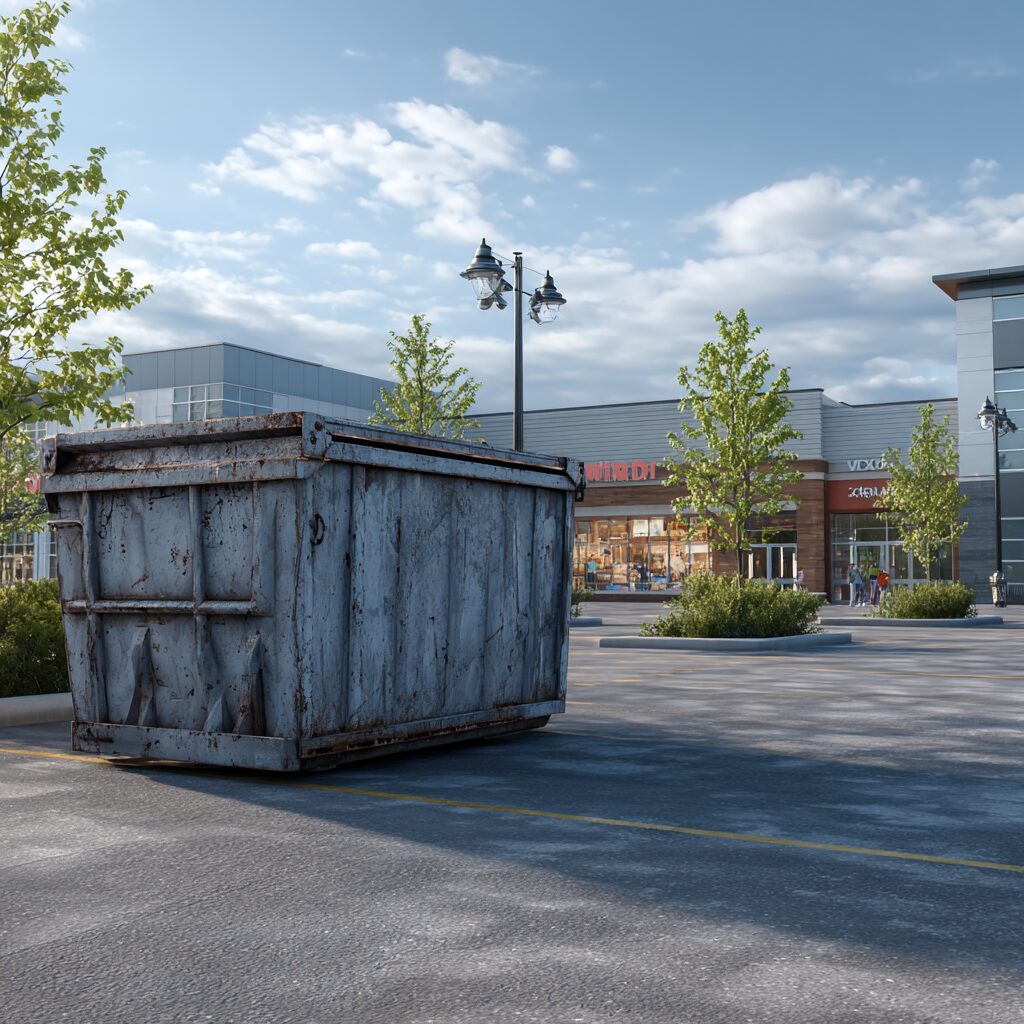
Retail renovation and cleanup projects generate significant waste that requires strategic disposal solutions. Store renovation dumpsters play a critical role in managing debris efficiently during commercial transitions. Selecting the right dumpster involves understanding size, capacity, and material restrictions to streamline your retail cleanup solutions.
Choosing the appropriate dumpster size can make or break your renovation project. Dumpsters are measured in cubic yards, with each cubic yard representing a 3x3x3-foot space. Retail projects typically require different sizes depending on the scope of work:
Understanding material restrictions is crucial for avoiding unexpected fees and ensuring safe disposal. Different materials have varying weight limits and disposal requirements:
| Material Type | Weight Limit | Disposal Recommendation |
| Construction Debris | 3-4 tons | Standard construction dumpster |
| Retail Fixtures | 2-3 tons | Specialized recycling or disposal |
| Mixed Retail Waste | 4-5 tons | Comprehensive waste management plan |
Effective store renovation dumpsters require careful planning. Work closely with waste management professionals to create comprehensive retail cleanup solutions that meet your project’s specific needs.
Navigating a retail transition requires strategic waste management. Commercial dumpster rental becomes crucial during store closures, inventory cleanout, and remodeling projects. Selecting the right container size can make or break your waste disposal efficiency.
Understanding dumpster sizes helps retailers plan their cleanout process effectively. Different project phases demand specific container capacities to manage waste streams smoothly.
Retailers can optimize their waste management strategy by matching container size to project scope. A well-planned commercial dumpster rental approach ensures cost-effectiveness and streamlined disposal.
| Container Size | Best Used For | Typical Weight Capacity |
| 10-yard | Small retail displays, minor renovations | 2-3 tons |
| 20-yard | Medium store remodels, inventory clearance | 3-4 tons |
| 30-yard | Large store transitions, significant inventory cleanout | 5-6 tons |
| 40-yard | Complete store demolition, major retail restructuring | 6-8 tons |
Proper planning with the right commercial dumpster rental ensures smooth inventory cleanout and minimizes operational disruptions. Consult waste management professionals to determine the most suitable container for your specific retail transition needs.
Managing costs for shopping center waste removal can be tricky. Retail construction debris management requires strategic financial planning to keep your project on budget. Smart managers know that understanding dumpster rental pricing can save significant money during retail transitions.
Effective budget strategies start with comprehensive cost analysis. Let’s break down the critical financial considerations for your waste management project:
Dumpster rental costs fluctuate based on project length. Short-term rentals typically have higher daily rates, while extended rentals often provide more economical pricing. Most waste removal companies offer flexible pricing structures:
Savvy retail managers must anticipate potential extra charges in shopping center waste removal. Watch for fees related to:
Prime Dumpster Pro Tip: Request a detailed quote upfront and ask about potential hidden costs. Negotiating clear terms can prevent unexpected expenses in your retail construction debris management budget.
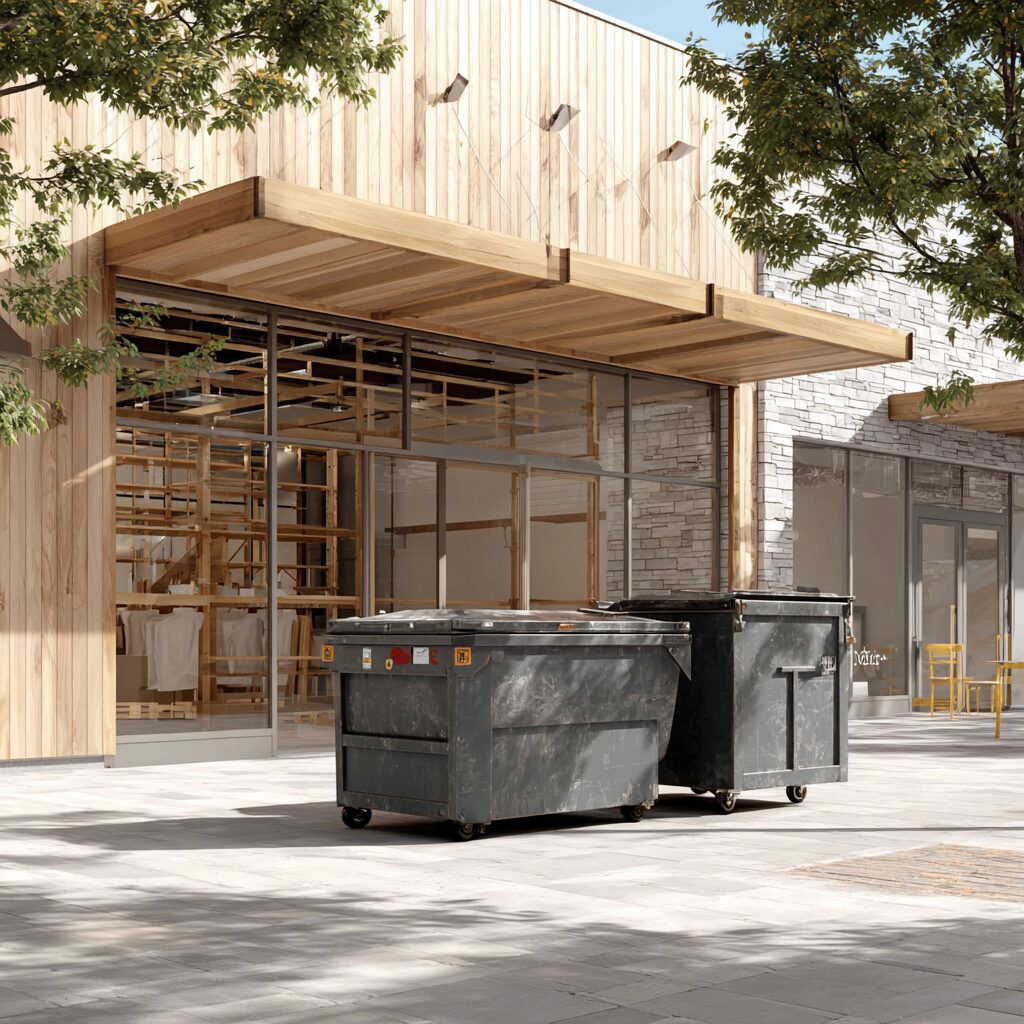
Navigating safety protocols for commercial dumpster rental involves more than simply placing a waste container on your property. Retail waste management requires careful planning to prevent potential hazards and ensure regulatory compliance.
Proper dumpster placement becomes critical for maintaining a safe retail environment. Consider these essential safety guidelines:
Regulatory compliance demands attention to local ordinances and waste management regulations. Retailers must understand specific requirements for commercial dumpster rental, including:
Preventing unauthorized access remains a significant safety concern. Installing locked gates, using security cameras, and implementing clear signage can deter potential risks associated with open dumpster areas.
Professional retail waste management strategies minimize potential legal and safety issues. Working with experienced commercial dumpster rental providers helps businesses stay compliant and create secure waste disposal environments.
Retail cleanup solutions aren’t just about clearing space—they’re about making smart environmental choices. Modern businesses recognize sustainability as a critical component of their operational strategy. When transitioning stores or managing inventory cleanout containers, smart waste management can dramatically reduce environmental impact.
Recycling plays a pivotal role in sustainable retail practices. Broken shelving, outdated displays, and excess materials can be transformed from potential landfill waste into valuable resources. Creative repurposing offers another innovative approach to sustainable retail cleanup solutions.
Instead of discarding old fixtures, businesses can donate usable items to local nonprofits, schools, or community centers. Retail equipment like display cases, mannequins, and shelving units can find second lives through strategic redistribution, reducing waste while supporting community organizations.
Implementing a strategic waste management plan requires collaboration between store management, waste disposal services, and local recycling centers. By prioritizing sustainable practices during retail transitions, businesses can minimize environmental footprint, potentially reduce disposal costs, and enhance their brand reputation as environmentally responsible organizations.
Successful retail store transitions require waste management solutions that balance operational efficiency with cost control and regulatory compliance. Strategic planning for roll-off dumpsters for retail store transitions transforms potentially overwhelming projects into organized operations that protect your investment while meeting critical deadlines.
Prime Dumpster’s experienced team understands the unique demands of retail transitions and the importance of maintaining professional standards throughout the process. Contact our specialists to discover how our proven approach to roll-off dumpsters for retail store transitions can help you coordinate efficient waste management that supports your business objectives while ensuring smooth, compliant transitions.
If you are looking for Q&A with the Prime Dumpster Pros: Roll-Off Dumpsters for Retail Stores, Click Here


