Mon - Sat 7:00 am to 7:00 pm


Mon - Sat 7:00 am to 7:00 pm
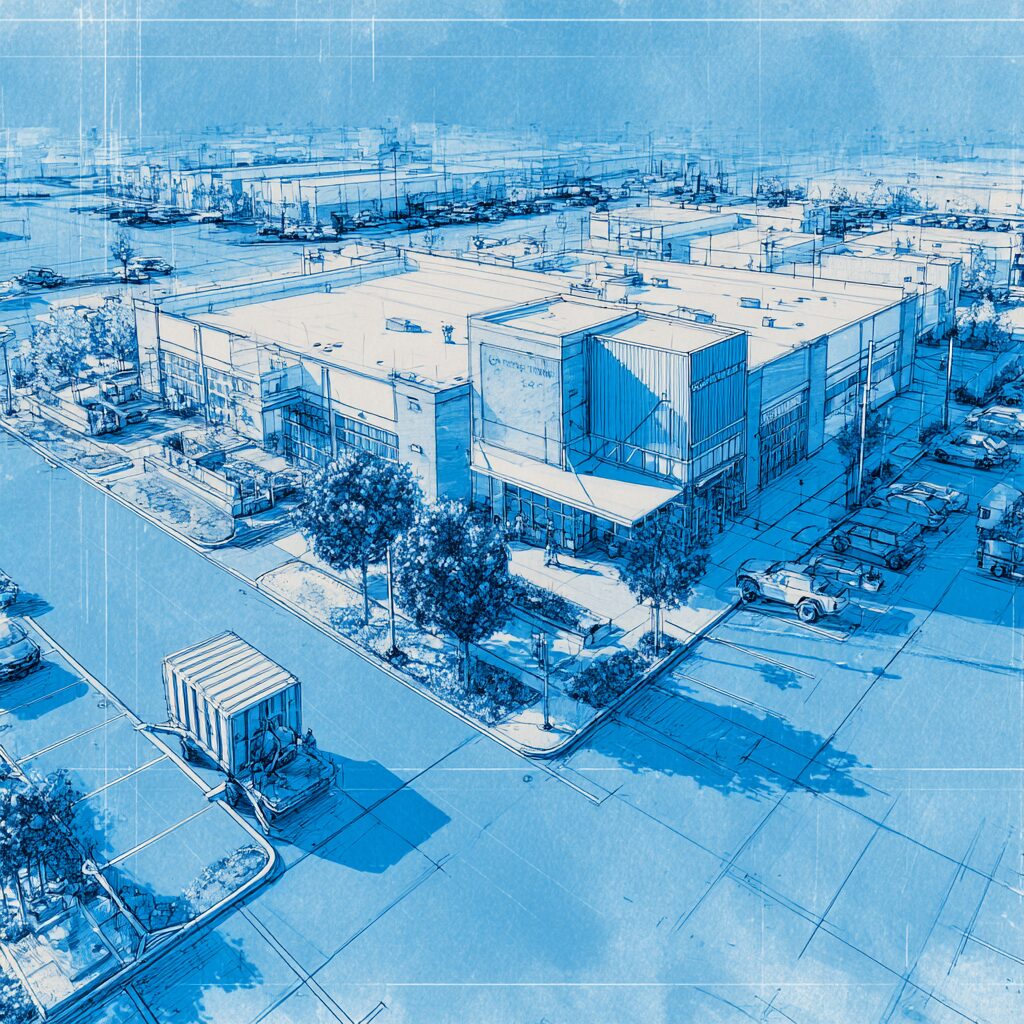
Effective placement and logistics for retail dumpsters can make the difference between a seamless renovation and a customer service nightmare that damages your brand reputation. Shopping center managers and retail operators face the complex challenge of coordinating waste management while maintaining customer access, emergency compliance, and tenant satisfaction throughout construction projects.
At Prime Dumpster, we’ve coordinated placement and logistics for retail dumpsters across thousands of shopping centers, strip malls, and standalone stores nationwide, learning how proper planning prevents costly delays and safety violations. Our comprehensive guide reveals the essential strategies that keep retail renovations running smoothly while protecting customers, employees, and your bottom line.
We asked our Prime Dumpster Pros for their expert answers to common placement and logistics questions for shopping mall and retail complex projects.
“Fire trucks need a minimum 20-foot clearance, but most modern codes require 25 feet for ladder truck operations. Always measure twice and use laser tools rather than eyeballing distances, then document your clearances with daily photos. Keep pre-approved alternate routes filed with property management in case emergency situations require quick access changes.”
“Maintain 60-inch pathways around all accessible entrances and 96-inch clearance near designated parking spots. Never block tactile paving strips or existing ramps, and always provide alternate accessible routes if construction temporarily affects main pathways. Document everything with photos and signed audits showing your container locations meet local ADA requirements.”
“Schedule deliveries and pickups during early morning hours before retail operations begin, typically between 5-7 AM. Use temporary fencing and clear signage to guide customers around work areas while maintaining sight lines to store entrances. Color-code your zones – red for no-access areas during sales events, green for safe debris staging spots.”
“Start with 30-40 yard containers during heavy demolition when you’re removing large fixtures and structural materials. Scale down to 15-20 yard units during finish work when you’re mainly handling packaging and lighter debris. Smaller containers during final phases also preserve parking spaces and maintain better aesthetics near customer areas.”

Blocked emergency routes turn routine renovations into full-blown crises. One contractor learned this the hard way when their container placement led to a $12,000 fine – before the project even started. Keeping these zones clear isn’t just about avoiding fines; it’s what separates smooth projects from viral parking lot fails.
Fire trucks need 20 feet of clearance minimum, but most codes demand 25 feet for modern rigs. That orange dumpster? It needs to sit 15 feet back from marked lanes. Use neon spray paint on asphalt to mark zones – inspectors notice these details.
When a shopper collapses from heat exhaustion, that ambulance needs a straight shot to the door. Your debris field can’t become their obstacle course. Smart teams implement three safeguards:
Remember: Fire marshals don’t care about your project timeline. Their ladder trucks need 180-degree turning capacity. Plan like you’re playing chess with them – every move matters.
Ever watched a fire truck try to parallel park around a dumpster? Neither have we – because proper planning prevents that circus act.
Those red curbs aren’t suggestions. Fire codes demand 20 feet of clear space – enough room for ladder trucks to deploy equipment. Paint markings create legal boundaries even construction crews can’t ignore. Three non-negotiable rules:
Local regulations vary wildly. Scottsdale requires 25-foot setbacks, while Mesa allows 15 feet if approved. One shopping center avoided citations by getting their fire marshal’s stamped approval taped to the container.
Violations trigger instant headaches. Work stoppages cost $1,200/day average. Worse? Relocation fees when inspectors demand immediate moves. Smart teams keep:
Prime Dumpster Pro Tip: Mark zones with bright orange cones during delivery. Drivers appreciate visible guides, and inspectors see your proactive approach. Because nobody wants their renovation project starring in next week’s “Fire Lane Fails” TikTok compilation.
Ever seen a wheelchair user navigate around a misplaced container? That’s the moment when ADA standards become everyone’s business. Accessible routes aren’t just about ramps – they’re legal lifelines that keep retail spaces open and inclusive.
Construction zones can’t become obstacle courses. Three non-negotiable rules for container positioning:
Smart teams measure twice and document everything. Snap photos showing clear routes before debris piles up. One Phoenix shopping center avoided lawsuits by mapping alternate paths with blue tape during their remodel.
Documentation saves projects. Keep signed audits showing container locations meet local requirements. Property managers should verify:
Compliance isn’t optional – it’s how you protect customers and avoid five-figure fines. Treat ADA standards like a chess game with inspectors. Stay three moves ahead, and everyone wins.
Picture this: A ladder truck arrives at your construction zone only to find its path blocked by debris containers. Smooth operations require more than just moving steel boxes – they demand strategic planning that keeps emergency routes open without slowing progress.
Smart site management turns potential disasters into seamless workflows. Start by mapping primary and backup routes with your local fire department. Their input often reveals blind spots even experienced teams miss.
| Strategy | Action | Outcome |
| Clear Communication | Pre-construction meetings with emergency responders | Established protocols for route changes |
| Route Mapping | Digital diagrams shared with all crews | 24/7 access during unexpected incidents |
| Timed Service | Container swaps scheduled before 7 AM | Zero interference with peak response times |
Document every decision. Photos showing clear lanes and signed approval forms become your insurance policy if questions arise. One Ohio shopping complex avoided fines by timestamping their daily access checks.
Professional waste partners bring battle-tested solutions. They’ll help position units where crews can work fast while keeping escape routes visible. Because nobody wants their project to star in next week’s “Emergency Access Fails” TikTok trend.
Who’s really steering the dumpster ship during your remodel? Professional rental teams handle the heavy lifting while you focus on renovations. Clear role definitions prevent everything from insurance headaches to surprise fines.
Providers arrive with specialized trucks designed for tight spaces. They position containers using laser-guided systems to meet local codes. Their crew handles permits, asphalt protection mats, and daily compliance checks.
Top-tier services include automatic pickup scheduling and 24/7 support hotlines. One Chicago strip mall avoided $8k in fines when their provider flagged an overlooked fire lane regulation mid-project.
Never push or drag containers – even empty ones weigh 2+ tons. Renters excel at three tasks:
Attempting DIY relocations voids most insurance policies. A Florida contractor learned this hard way when moving a 20-yard unit cracked their parking lot. Smart teams document everything with time-stamped photos and checklists.
Rental agreements protect both parties. Providers cover transportation damage while you manage site safety. Weekly email updates keep everyone aligned without constant check-ins. Because successful projects need clear lanes – both for trucks and communication.

Choosing the wrong container capacity is like wearing flip-flops to a black-tie event – painfully obvious and wildly impractical. Get it right, and your project hums along unnoticed. Get it wrong, and everyone’s talking about your waste management blunder.
Let’s break down what each unit handles:
Bigger jobs demand heavy hitters:
Smart sizing keeps projects lean. A 20-yard container costs 30% less than a 30-yard unit – money better spent on marble countertops than empty steel space. Measure your debris piles twice, then pick the tightest fit that won’t overflow.
Prime Dumpster Pro Tip: Book one size up during holiday seasons. Those extra gift boxes and packaging add up faster than last-minute shoppers.
Timing your waste strategy wrong during holiday sales? That’s like hosting a Black Friday event with no parking spots left. Smart teams treat debris plans like seasonal menus – what works in July crashes hard in December.
Start big, finish smart. Demolition phases crave 40-yard monsters that swallow drywall piles whole. Once crews shift to trim work, swap for compact 15-yard units that don’t hog prime parking real estate. This size-shifting act keeps sites cleaner than a freshly mopped store aisle.
Back-to-school rush? Position containers behind delivery docks before dawn. Holiday decor swaps? Schedule dumpster swaps during off-hours – think ninja-fast moves between closing and reopening. One mall avoided chaos by color-coding zones: red for no-go areas during sales, green for safe debris spots.
Store closures need military precision. Use temporary fencing to hide containers from view, and text neighboring businesses before noisy pickups.
Prime Dumpster Pro Tip: Treat post-holiday cleanouts like a relay race – coordinate with janitorial teams to keep materials flowing out as fast as new inventory arrives.
Getting placement and logistics for retail dumpsters right means your renovation stays on track while customers keep shopping. Smart container placement prevents headaches like blocked fire lanes, upset shoppers, and surprise fines that can derail your project timeline.
Prime Dumpster’s team understands the unique aspects of placement and logistics for retail dumpster rentals. Contact us to learn more about how we can keep your renovation running smoothly while your business stays open.
If you are looking for 7 Tips for Dumpster Safety in Retail Environments, Click Here


