Mon - Sat 7:00 am to 7:00 pm


Mon - Sat 7:00 am to 7:00 pm
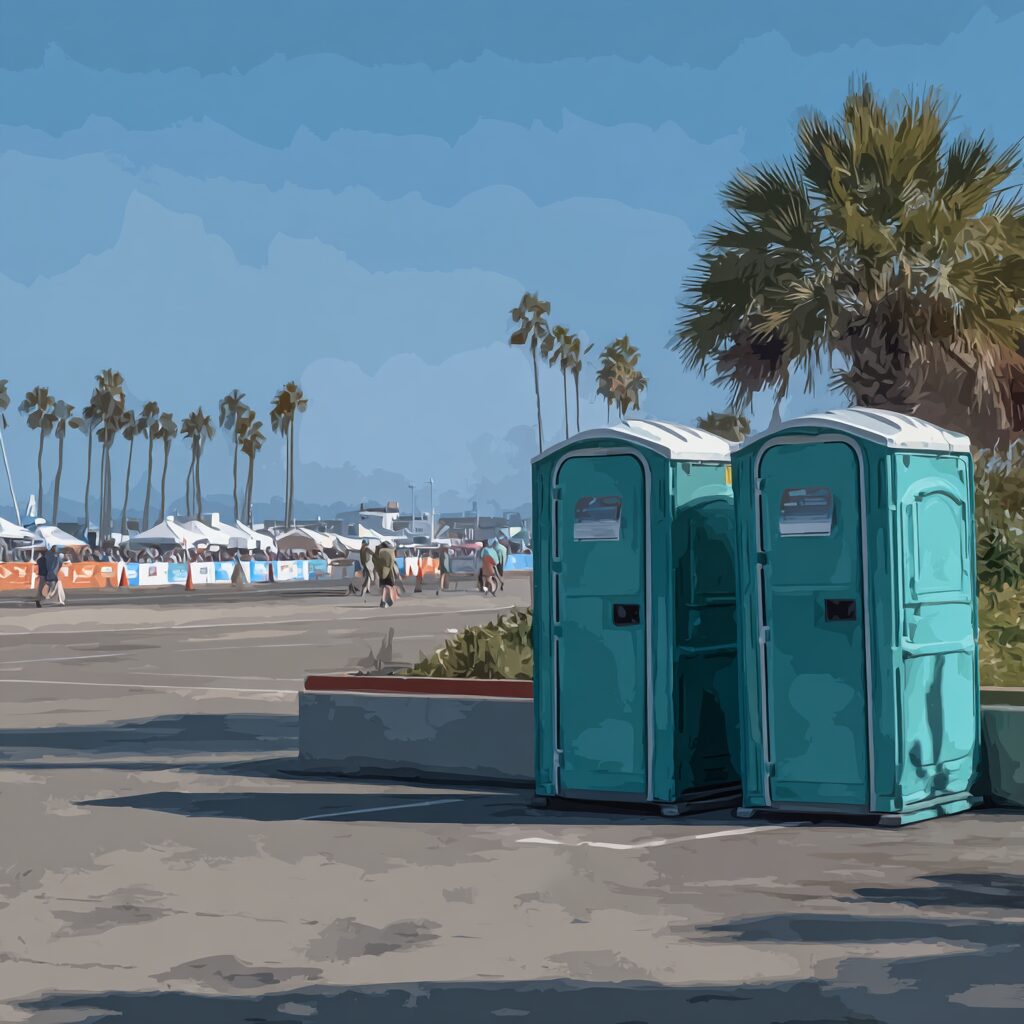
Water-free portable restrooms offer innovative sanitation solutions that eliminate water consumption while providing reliable facilities for construction sites, outdoor events, and remote locations.
There are actually several types of “water-free portable restrooms near me,” each serving different and distinct purposes. Not sure what type you need or how they’re used?
At Prime Dumpster, we’ve experts in portable sanitation systems of all types, including the different water-free options. Let’s learn more about the various types of water-free portable restrooms and their ideal applications, so you can make informed decisions for your next project.
Water-free portable restrooms fall into four broad categories, each utilizing different technologies to eliminate water consumption while managing waste effectively.
Understanding these four categories helps you match the right waterless technology to your project’s specific requirements, from temporary construction sites to permanent remote installations.
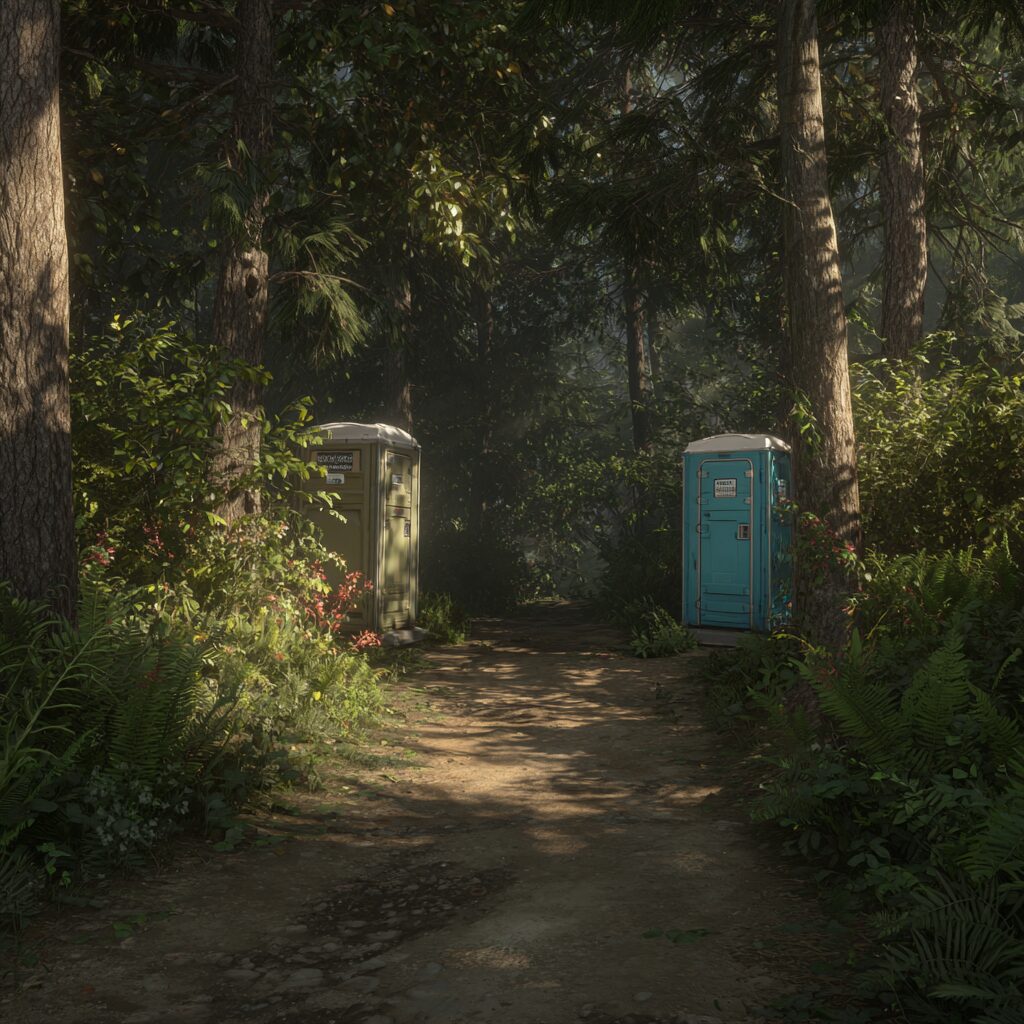
Portable sanitation solutions have evolved, but none are as iconic as the porta-potty. These blue-and-white units revolutionized temporary hygiene with their no-frills design. A typical model combines a lightweight plastic tank, seat, and ventilation system. Chemicals in the holding tank break down solids and combat odors, eliminating plumbing needs.
Contractors love these units for three reasons. First, they cost 60% less than permanent installations. Second, professional setup can take under 30 minutes – just level the ground and unlock the door. Third, they handle 100+ uses between service calls. Event planners appreciate their stackable transport and UV-resistant materials.
Need facilities yesterday? Porta-potties shine in these scenarios:
They’re less suited for multi-year projects or extreme cold without insulation. For weekly events, calculate one toilet per 50 guests. Always include ADA-compliant units – roughly 5% of your total.
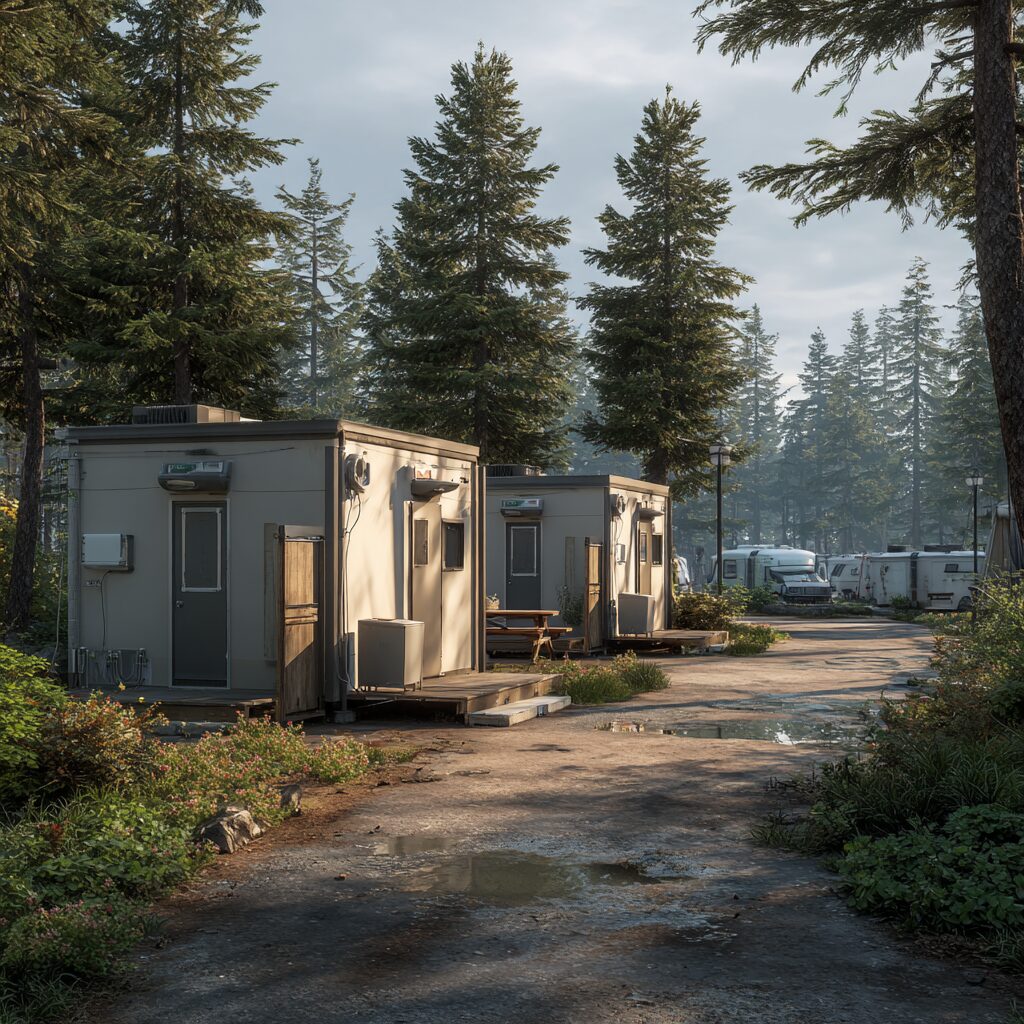
Think of vault toilets as the SUVs of sanitation – built tough for rough terrain and heavy use. These permanent structures ditch plumbing while handling high traffic. Their secret? A massive underground chamber that stores waste until professional pumping.
Steel-reinforced concrete or rot-resistant polymers form their foundation. Unlike temporary units, these buildings withstand hurricanes, wildfires, and -40°F winters. Vent pipes taller than the roof whisk odors upward, while angled roofs shed snow loads.
The chamber beneath holds weeks of use without maintenance. A 1,000-gallon tank serves 50 daily users for a month. Construction crews love them for multi-year projects. Park rangers rely on them at trailheads far from sewer lines.
Choose these when you need facilities that outlast your project. Ideal for:
Service trucks empty chambers every 4-8 weeks. Properly maintained, these structures serve communities for decades. Next up – how composting models turn waste into garden gold.
Nature’s recycling crew works overtime in composting toilets. These clever systems turn human waste into nutrient-rich soil using biological processes – no plumbing required. Perfect for eco-focused projects or remote sites, they’re changing how we handle sanitation.
These systems separate liquids from solids right away. Liquid gets filtered or evaporated. Solids meet oxygen-loving microbes in the chamber. These bacteria break down waste while killing odor-causing germs.
Carbon-rich materials like coconut coir or sawdust balance moisture. Think of them as microbial snacks that keep the process humming. Over weeks or months, waste shrinks to 5% of its original size. What’s left resembles garden soil – minus the pathogens.
| System Type | Additives Used | Service Interval |
| Basic Units | Sawdust/Peat Moss | Daily Mixing |
| Mid-Range Models | Coconut Coir | Weekly Checks |
| Advanced Systems | Automatic Mixers | Annual Emptying |
Simple models need hands-on care – think weekly stirring and additive top-ups. High-end versions automate temperature and airflow for set-and-forget operation. One Alaskan cabin system ran seven years without servicing!
Choose based on your crew’s bandwidth. Construction sites might prefer daily maintenance for faster composting. Forest ranger stations? Annual service makes more sense. Either way, you’re keeping waste out of watersheds and creating usable compost.
Step into the future of sanitation with a twist-and-seal solution. These high-tech units deliver the flush experience you know – minus the plumbing and water waste. Perfect for luxury RVs or off-grid cabins, they’re rewriting the rules of portable hygiene.
Press a button, and watch engineering ingenuity at work. Double-layered liner bags snap into action, wrapping waste in an airtight cocoon. A rotating mechanism drops the sealed package into a storage container while deploying fresh liner material. No leaks. No smells. Just science doing the dirty work.
These systems shine where comfort meets conservation. Film crews on location? They’ll appreciate the familiar flush feel. Marine applications? Saltwater won’t clog these tankless wonders. Even disaster relief teams use them for rapid deployment without infrastructure.
Maintenance stays simple – swap containers when full. Most units alert you via app when service nears. Unlike composting models, there’s no mixing or additives required. Just seal, store, and dispose responsibly when ready.

Selecting the right water-free portable restroom depends on matching system capabilities to your project’s specific requirements, duration, and environmental conditions.
Porta-potties work best for temporary projects requiring quick setup and flexible placement, such as construction sites, outdoor events, and emergency response situations.
These chemical-based systems excel when you need reliable sanitation without infrastructure investment or long-term maintenance commitments.
Vault toilets are ideal for permanent installations at remote locations with heavy usage, including national parks, campgrounds, and multi-year construction projects.
These durable structures provide the best value when you need facilities that can withstand extreme weather while serving high traffic volumes over extended periods.
Composting systems work best for environmentally conscious projects with dedicated maintenance staff and space for the composting process, such as eco-resorts, research stations, and sustainable construction sites.
These biological systems are perfect when waste-to-resource conversion aligns with your environmental goals and you have personnel available for regular monitoring.
Dry flush units are ideal for luxury applications or situations requiring familiar toilet functionality without water infrastructure, including high-end RVs, executive job site trailers, and upscale outdoor events.
These advanced systems excel when user comfort and convenience are priorities alongside water conservation goals.
What are water-free portable restrooms? The term applies to several different types of restroom facilities, but now you have the knowledge to find the best one for your needs!
Each waterless technology offers unique advantages, from composting systems that create usable soil to dry-flush units that provide familiar functionality without water waste.
Understanding these options ensures you select systems that meet project needs while contributing to sustainable resource management practices. Contact our team for more information on water-free portable restrooms, including expert guidance on renting eco-friendly porta potties for events, construction sites, and other situations where water-free sanitation is required.
If you are looking for PD Quick Guide: Biodegradable Portable Toilet Chemicals, Click Here


