Mon - Sat 7:00 am to 7:00 pm


Mon - Sat 7:00 am to 7:00 pm
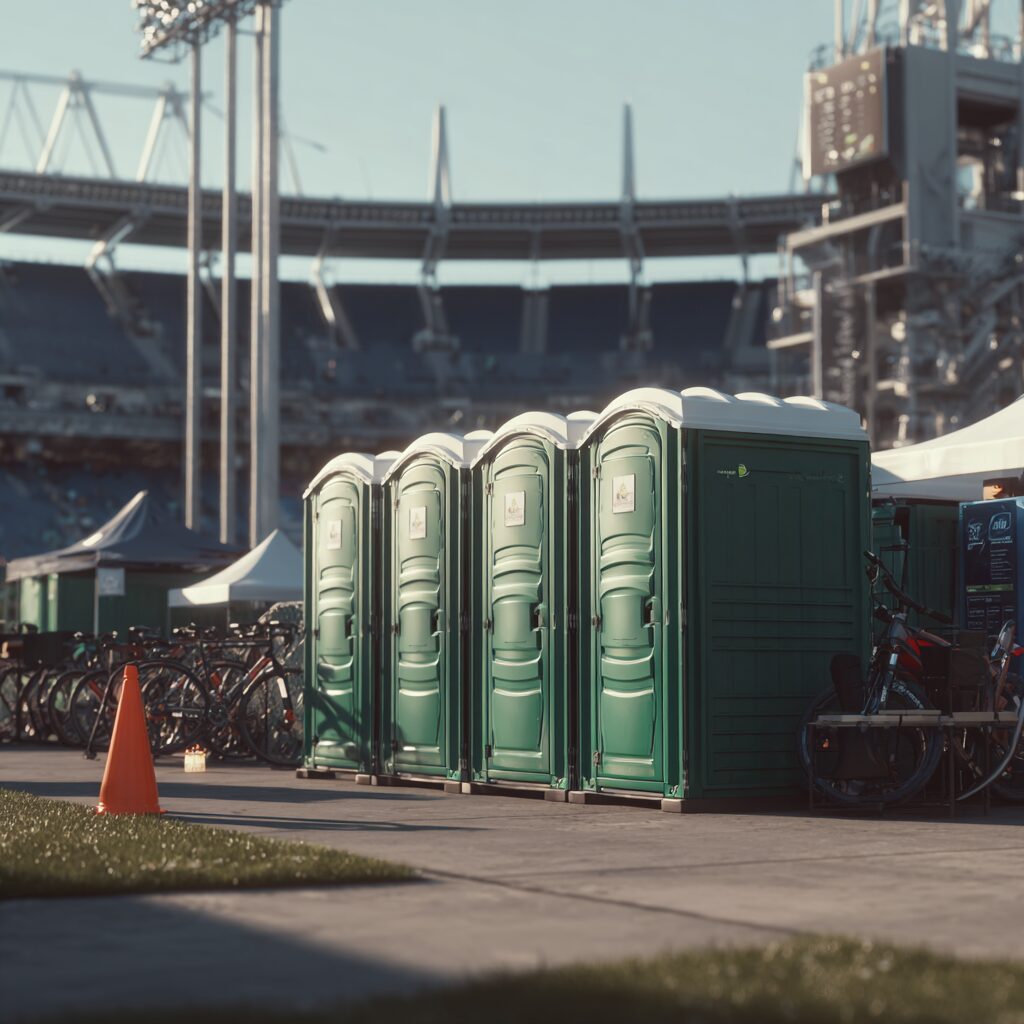
Sustainable porta potties for sporting events represent a game-changing approach to large-scale sanitation that combines athlete and spectator comfort with environmental responsibility.
From marathons drawing 50,000 participants to multi-day tournaments, these eco-friendly portable restrooms reduce water consumption, eliminate harsh chemicals, and support green sports initiatives.
At Prime Dumpster, we’ve coordinated sustainable porta potties for sporting events that demonstrate how environmental stewardship enhances rather than compromises the attendee experience while supporting venue sustainability commitments.
While porta potties provide valuable benefits for a wide variety of events, sporting events pose unique challenges. Here’s a look at how the eco-friendly features of rented porta potties apply to different types of sports.
Marathon runners require frequent bathroom access along race routes, creating logistical challenges for water supply and waste management across multiple mile markers.
Solar-powered porta potties eliminate the need for electrical hookups at remote course locations while providing reliable lighting and ventilation throughout the event.
Stadium overflow crowds in parking lots and tailgating areas can overwhelm permanent facilities, creating long lines and unsanitary conditions during peak usage periods.
Water-saving flush mechanisms reduce demand on municipal water systems while biodegradable cleaning products prevent soil contamination in sensitive parking and landscaping areas.
Multi-day golf tournaments on pristine course grounds require facilities that won’t damage delicate turf or landscaping with heavy equipment or chemical runoff.
Lightweight sustainable units with recycled construction materials minimize ground impact while waterless systems eliminate the risk of chemical leaching into golf course water features.
Extended tennis matches during hot weather create high demand for handwashing and hydration facilities near courts where traditional plumbing isn’t available.
Touch-free hand sanitizer dispensers and minimal-water handwashing stations reduce cross-contamination risks while conserving water resources during peak summer tournament seasons.
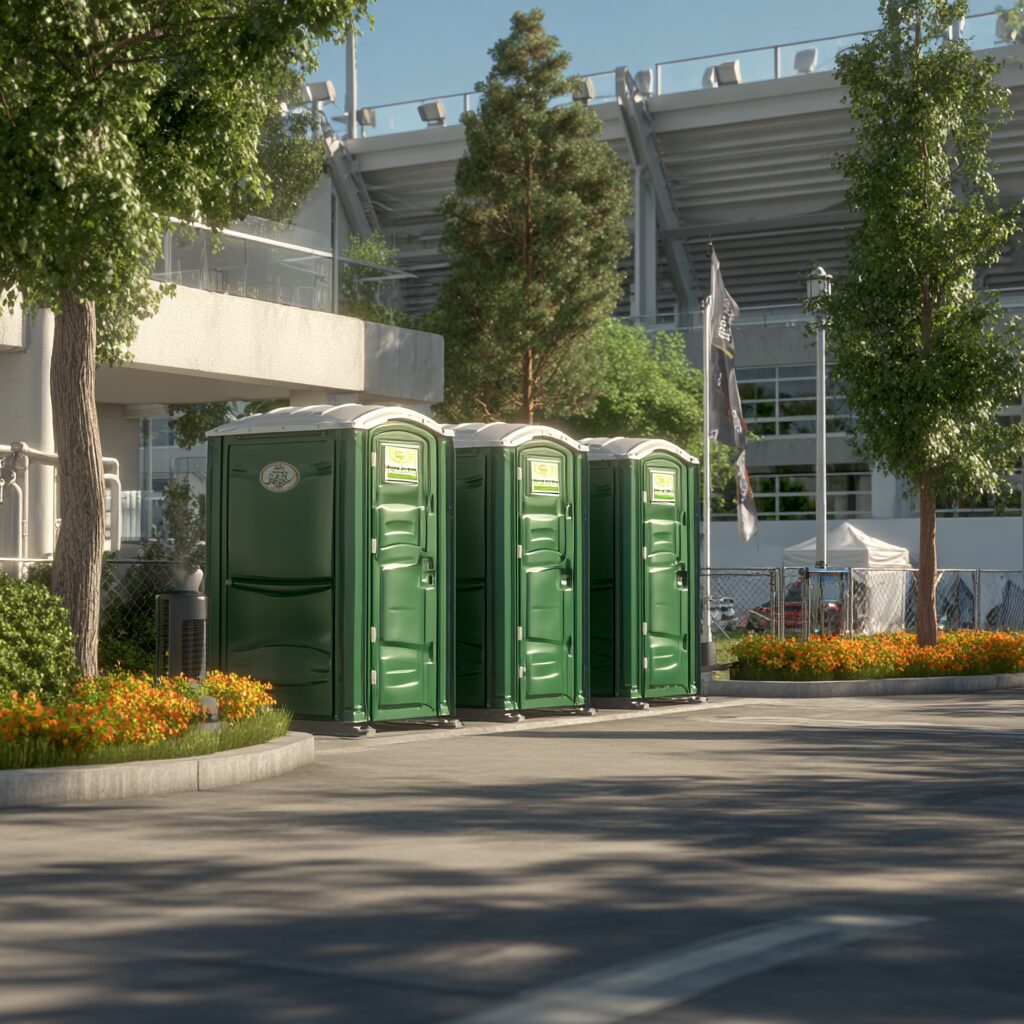
Sporting events gather thousands of people in a small area, creating logistical and environmental challenges for venue managers and event teams.
Traditional portable restrooms rely on water and chemicals that increase an event’s footprint; modern water-conservation portable toilets and sanitation solutions reduce resource use while improving the attendee experience.
Large metropolitan arenas and major league stadiums increasingly include sustainability targets in their event planning. Choosing eco-friendly portable toilets helps event organizers meet green facility goals, support local carbon- and waste-reduction efforts, and demonstrate stewardship to sponsors and attendees.
When making claims about certifications or emissions, cite local or industry documentation and municipal permit requirements.
Placing water-saving portable toilets near hydration zones and high-traffic areas is an effective strategy: foam-flush, vacuum, and fully waterless systems can dramatically lower water demand compared with traditional flushing models.
Depending on the technology and usage patterns, water use reductions can be very large—verify manufacturer data for conservative planning. Use a simple water‑savings calculator (downloadable worksheet) to estimate local water saved and to inform permit submissions.
Sustainable porta potties that support waste segregation and composting streamline post-event cleanup and lower disposal costs.
Event crews frequently report faster teardown times where separation systems are used and where crews follow a defined waste-diversion plan—document these efficiencies with photos and time logs to support future planning and local approvals.
Large sporting events require portable toilets that balance durability, hygiene, and low environmental impact. Modern porta potties and portable restrooms now include practical green features that reduce resource use, improve the fan and athlete experience, and simplify onsite maintenance.
Below are the most important eco-friendly features event planners should prioritize when selecting units for races, stadium overflows, and multi-day tournaments.
Solar-powered porta potties remove the need for temporary electrical hookups while keeping restrooms safe and visible after dark. Typical units use small photovoltaic panels to charge batteries during daylight; properly sized systems can power LED interior lights for the duration of most evening events.
When specifying solar-lit units, request basic product specs such as lumen output, battery runtime in hours, and whether motion sensors are included to maximize energy efficiency. In cold climates, check battery performance ratings and consider insulated housings for reliable operation.
Switching to biodegradable, plant-based cleaners reduces the risk of soil and water contamination and improves air quality around high-traffic sanitation areas.
Look for EPA-recognized or regionally certified products and document safety data sheets for local permitting. These cleaners control odors without harsh fumes, making them safer for maintenance crews and event attendees while supporting overall event sustainability goals.
Water-saving portable toilets include foam-flush, vacuum, and fully waterless systems that dramatically lower water demand compared with traditional flush models; water savings depend on technology and usage patterns, so verify manufacturer data for planning.
Complement these units with touch-free hand sanitizer dispensers or hand washing stations that use minimal water. For events in drought-sensitive regions, prioritize waterless or ultra-low-water options and include hand-sanitizer refill plans in your supply checklist.
Durable porta potties built from recycled plastics and repurposed metals reduce lifecycle waste and often require fewer raw materials to manufacture. Modular construction that allows swap-in replacement parts extends unit lifespan and simplifies repairs between events.
Ask providers for material sourcing details and expected service life to support procurement decisions and local sustainability reporting.
Getting restroom positioning right can make or break an event. Whether you are managing a marathon, coordinating a packed stadium, or running a neighborhood 5K, careful porta potty planning keeps athletes and spectators comfortable and reduces congestion.
The guidance below helps you size and place units for different event types while meeting local permit and accessibility requirements.
Route placement depends on runner volume, course layout, and where people naturally pause (hydration stations, mile markers). As a planning baseline, position portable toilets every 2–3 miles for long courses and concentrate units at water stations and aid zones.
For larger races, expect to stage multiple clusters rather than single isolated units to reduce lines and keep runners moving.
Practical placement rules of thumb:
When permanent restrooms reach capacity, thoughtful placement of portable toilets in parking lots and tailgating areas prevents long walks and keeps fans near amenities. Use the table below to estimate unit counts by crowd size, and adapt spacing to lot geometry and pedestrian flow.
Recommended units per 1,000 attendees and optimal spacing
| Event SizeOptimal Spacing | Units per 1,000 Attendees | Optimal Spacing |
| Under 5,000 | 8–10 units | ~200 feet apart |
| 5,000–20,000 | 6–8 units | ~150 feet apart |
| Over 20,000 | 5–6 units | ~100 feet apart |
Adjust these figures for alcohol-serving areas by increasing unit counts 20–100% depending on local experience and the expected mix of attendees.
Map placement to natural congregation points (concessions, entrances, and tailgate clusters) and ensure service vehicle access for pump trucks without obstructing crowd routes.
Start and finish areas need the highest concentration of units because athletes often require facilities within minutes of race time. A common approach is to allocate about 35–45% of your total unit count to the start/finish zones.
Arrange units in horseshoe or semicircle formations around staging and holding areas so athletes can approach from multiple directions and so lines do not block flow to registration or warm-up spaces.
Fast, low-impact setup reduces venue downtime. Best practices include pre-staging units near access roads the night before the event, marking exact placement points with paint or stakes at least 48 hours ahead, and using flatbed trucks with appropriate lifting gear for rapid unloading. Coordinate with local public works or DOT when placing units near roadways and secure any necessary permits for curbside staging.
Accessibility and local compliance notes: always verify ADA requirements and municipal permit rules for restroom placement in your city or county. Create a placement checklist and a simple site map for vendors that shows access lanes, service points, and emergency egress routes. For convenience, offer a downloadable placement checklist and a unit-calculator spreadsheet to estimate needs based on attendees, event duration, and alcohol service.
Effective event sanitation planning starts with recognizing that athletes and spectators have different needs. Athletes require quick access to competitor comfort stations near warm-up areas and along race routes; spectators need conveniently located porta potties near parking, concessions, and seating.
Creating separate sanitation zones reduces lines, improves flow, and raises the overall experience for everyone.
Typical spectator units often measure around 46.5″ wide by 48.5″ deep, while ADA-compliant competitor comfort stations are larger (approx. 62.5″ wide by 88″ deep). Verify product specs with your provider and follow local ADA guidance when calculating how many accessible units to reserve.
For overnight or multi-day events, plan additional restroom coverage in camping and staging areas. A common operational rule is to allocate extra units for campers (confirm local health codes for exact ratios), and to provide separate zones for athletes, staff, and general attendees to maintain hygiene standards.
Adjust unit types by climate and local conditions: in cold regions, consider insulated or winterized porta potties; in hot, dusty climates prioritize ventilation and extra hand sanitizer supplies. Always check municipal permit requirements and disposal rules for your city or county.
For smoother logistics, create a simple site map showing athlete and spectator sanitation zones and offer it to your team and vendors. Consider restroom trailers for VIP or media areas where higher quality and additional facilities (running water, climate control) are needed, and evaluate local potty rentals to secure the right mix of units for your event.
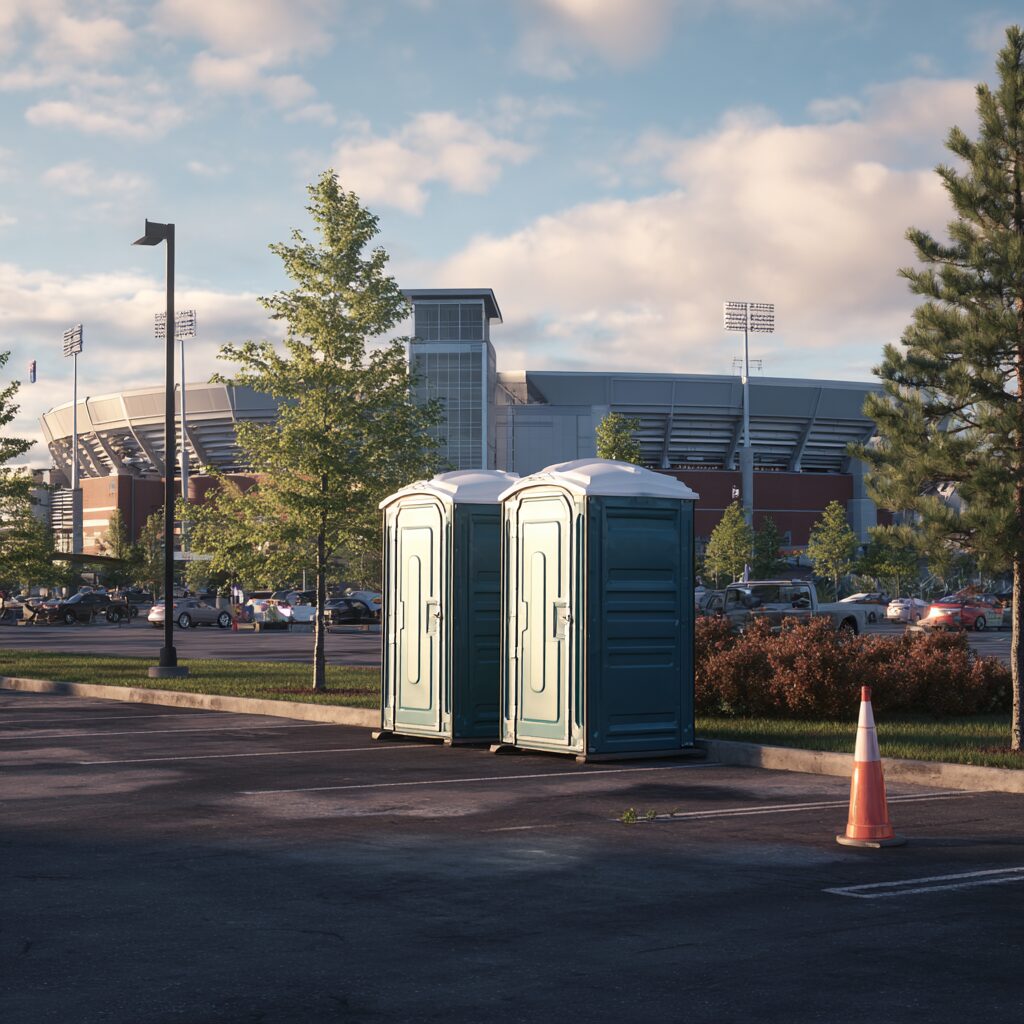
Successful sporting event sanitation requires strategic planning that balances sustainability goals with operational efficiency.
These practices create seamless sanitation experiences that support both event operations and sustainability objectives. Effective coordination between planning, placement, and maintenance ensures reliable facilities that enhance rather than detract from sporting event success.
Sustainable porta potties for sporting events prove that environmental responsibility and operational excellence work together to create superior experiences for athletes and spectators alike. From water-saving technologies to solar-powered systems, these innovative facilities support both performance goals and planetary health while delivering the reliability that sporting events demand.
Contact us to discover how our eco-friendly portable restroom expertise can help your sporting event achieve sustainability goals while providing the clean, reliable facilities that keep athletes performing and spectators cheering.
If you are looking for Green Wedding Porta Potty Solutions: Elegant and Eco-Conscious, Click Here


