Mon - Sat 7:00 am to 7:00 pm


Mon - Sat 7:00 am to 7:00 pm

Construction sites generate mountains of materials – some valuable, some not. Traditional single-container systems often turn potential profits into costly landfill fees, like tossing steel beams and drywall scraps into one mixed pile that resembles throwing cash into a shredder.
Understanding how multiple dumpsters boost recycling rates transforms debris handling from chaotic waste disposal into strategic resource recovery that benefits both budgets and the environment. At Prime Dumpster, we’re experts in roll-off containers that demonstrate how multiple dumpsters boost recycling rates through dedicated material streams that keep recyclables pure, profitable and ready for reuse rather than destined for landfills.
We asked our Prime Dumpster Pros for their expert answers to the most common questions we receive from construction managers about using multiple containers to boost recycling rates.
“Single containers create contaminated waste streams where valuable materials like copper and clean concrete get mixed with trash, making everything worthless to recycling facilities. Multiple dedicated containers keep materials separated and pure, which means scrap dealers and recycling plants pay top dollar instead of rejecting contaminated loads. You’ll typically see 30-40% higher payouts for clean materials compared to mixed debris.”
“When workers have clearly labeled containers for specific materials, they naturally sort as they work instead of throwing everything together. Clean separation means recycling facilities can actually process the materials instead of sending contaminated loads to landfills. Many sites using multiple containers see recycling rates jump from around 20% with single bins to something like 60-75% with dedicated material streams.”
“Place containers where debris naturally accumulates – metal bins near welding stations, wood containers by framing crews, concrete units at demo zones. Use bright color coding and simple graphics so workers can identify the right container instantly. Position the most commonly used containers closest to work areas to make proper sorting easier than lazy disposal.”
“Multiple containers typically cost 15-20% more upfront but save significantly more through reduced disposal fees and material resale revenue. Clean materials avoid contamination penalties and generate income through scrap sales, while sorted loads require fewer truck trips due to better density. Most construction managers see overall waste costs drop 25-35% within the first few months of switching to multi-stream systems.”

Construction zones thrive on precision – and that includes what gets tossed where. Proper material separation isn’t just eco-friendly; it’s a financial safeguard. Dedicated containers act like sorting assistants, keeping wood, metal, and concrete in their lanes so nothing loses value.
Ever seen a pile of mixed materials? That’s like a bad smoothie – nobody wants it. Assigning specific containers prevents steel beams from cozying up to plywood scraps.
Clean metal loads fetch 30% more at scrap yards compared to contaminated batches.
Wood stays splinter-free for mulch production, while concrete gets crushed into fresh aggregate instead of clogging landfills.
| Material | Container Purpose | End Use |
| Wood | Prevent contamination | Mulch, engineered lumber |
| Metal | Maximize scrap value | Rebar, structural steel |
| Concrete | Enable crushing | Road base, new foundations |
Workers aren’t mind readers – bright colors do the talking. Blue bins scream “metal here,” green shouts “wood only,” and gray whispers “concrete zone.” Pair these with graphic signs showing forbidden items (no pizza boxes in the steel bin!), and sorting becomes second nature. Training takes 15 minutes but saves hours in misplaced debris fines.
Site managers report 40% fewer sorting errors after adopting color systems. It’s not magic – just smart visual cues that keep profits from vanishing into the wrong container.
Think of your construction site as a giant sorting machine – every beam and brick has its lane. Specialized containers act like traffic cops, directing materials to their ideal destinations. This approach keeps valuable resources pure and ready for reuse.
Mixed debris equals lost profits. Dedicated bins prevent steel scraps from tangling with drywall or concrete chunks. Workers quickly learn:
Placement matters. Position bins near work zones – metal containers by steel cutters, wood bins near framing areas. This “right place” strategy slashes sorting errors by 40%.
Pre-sorted materials skip expensive processing steps. Recycling plants pay top dollar for:
| Material | Preparation | Price Bonus |
| Copper | No insulation | +45% |
| Clean concrete | Crushed | +22% |
| Untreated wood | Nail-free | +18% |
Rotate containers weekly to match project phases. Track progress with simple weight logs – most sites see landfill use drop 60% within three months. Now that’s what we call turning trash into treasure.
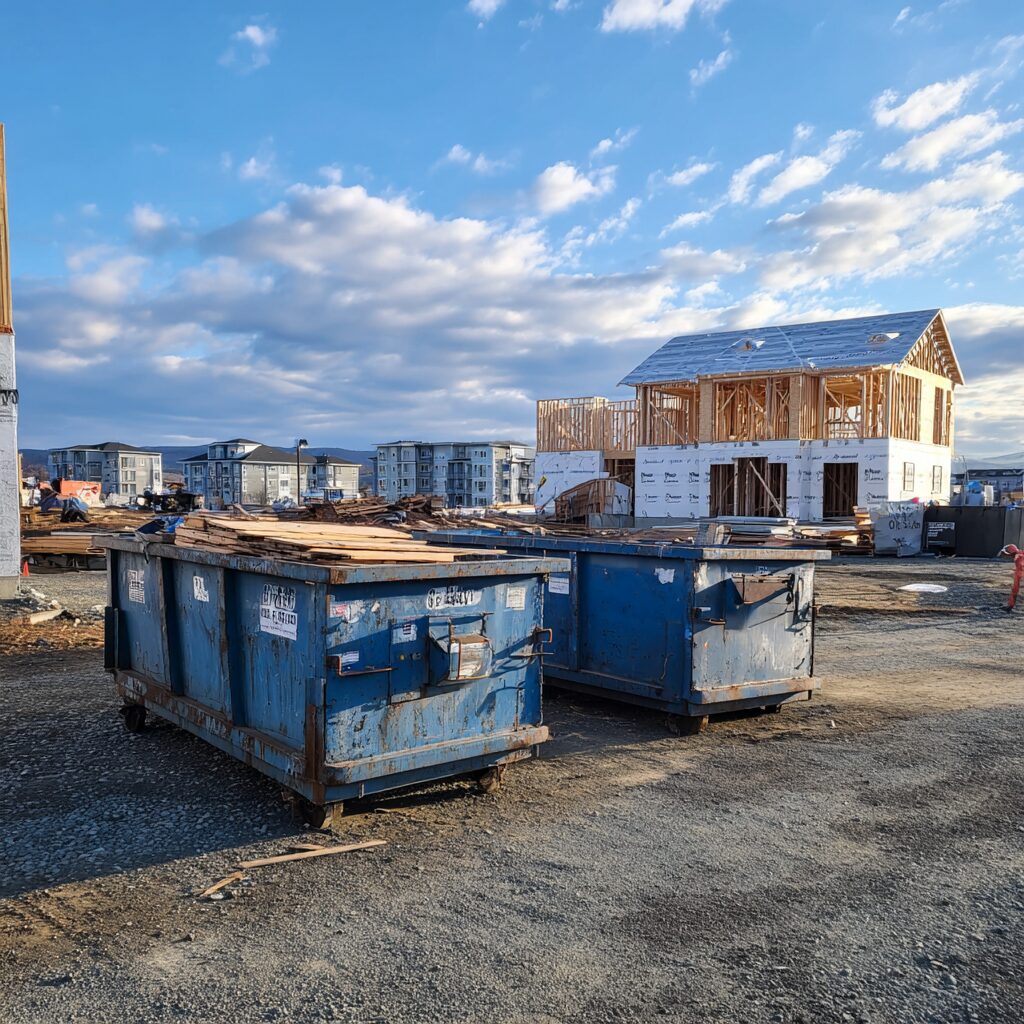
Ever rented a dumpster that felt like mismatched shoes? Size impacts efficiency and costs more than you’d think. Your construction site’s needs dictate container dimensions – get it wrong, and you’ll face overflows or wasted space.
Dumpster sizes range from compact 10-yard units to sprawling 40-yard giants. Match the container to your project phase and debris type:
| Size | Best For | Capacity Tips |
| 10-yard | Concrete, bricks, metal | Avoid overloading – max weight 2 tons |
| 15-yard | Medium remodels | Fits 6 pickup truck loads |
| 20-yard | Roofing jobs | Handles 8-10 tons of mixed debris |
| 30-yard | Wood framing waste | Ideal for 3+ week projects |
| 40-yard | Full demolitions | Requires 50+ sq.ft. clearance |
These rugged boxes tackle heavy materials without breaking scales. Their steel-reinforced design handles concrete chunks and metal scraps that sink lighter containers. Place them near demo zones – workers save steps, and disposal stays efficient.
Prime Dumpster Pro Tip: Rent two 10-yard dumpsters instead of one 20-yard for separate metal and concrete. Haulers charge less for sorted loads, and you’ll dodge contamination fees. Now that’s smart disposal!
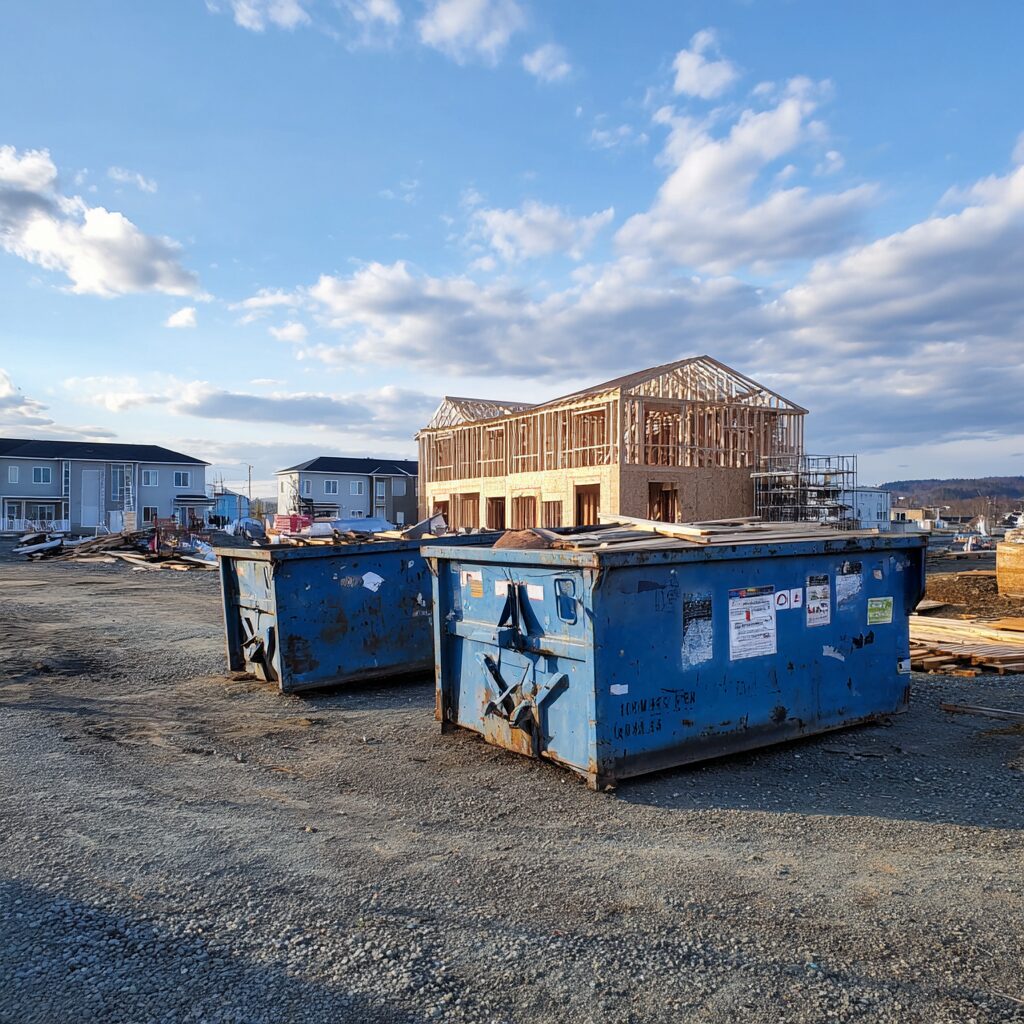
Smart waste plans turn chaos into cash flow – here’s your blueprint. Effective management starts with clear strategies that adapt as projects evolve. Let’s build systems that protect profits and the planet simultaneously.
Map your debris flow before the first hammer swings. Break projects into phases: demolition, framing, finish work. Assign containers to match each stage’s dominant materials.
Train crews during orientation – show them where scrap metal goes versus wood offcuts. Use quick-reference guides with photos of common items. Weekly check-ins keep everyone sharp.
| Cost Factor | Impact | Savings Potential |
| Disposal Fees | Reduced landfill use | Up to $3,800/month |
| Contamination Penalties | Cleaner loads | $200-$500/incident |
| Recycling Revenue | Material resale | 15-30% material value |
Track every pound. Digital logs reveal which materials generate income versus expenses. Share results with teams – nothing motivates like seeing “$2,100 earned from copper recycling” on the breakroom whiteboard.
Partner with haulers offering transparent reporting. Negotiate rates based on your sorted streams. Bonus: Many states offer tax breaks for sustainable practices – your accountant will high-five you.
Recycling on job sites doesn’t have to feel like herding cats. Cities like San Francisco and Seattle prove organized systems work – they divert over 50% of construction debris through smart sorting. Their secret? Making eco-friendly practices part of daily operations, not an afterthought.
Sync material deliveries with collection schedules. Drop steel beams Monday morning? Empty the metals container Friday afternoon. This rhythm keeps sites clutter-free and materials separated.
Tech tools simplify decisions. Workers scan QR codes on dumpsters to see approved items – like checking a food label. Apps instantly display disposal rules for uncommon materials like gypsum or insulation scraps.
Commercial projects need different setups than home builds. High-rises benefit from compactors, while infrastructure work requires mobile crushing units. Adapt your approach like a chef adjusts recipes – same ingredients, different techniques.
One demolition crew slashed hauling costs 27% by pulverizing concrete on-site. Their secret? Renting a portable crusher that transformed rubble into road base within hours. Now that’s what we call working smarter, not harder.
Learning how multiple dumpsters boost recycling rates reveals construction waste management as a profit center rather than just another project expense that drains budgets and clogs landfills.
Smart construction managers recognize that sustainable practices and cost control work together when waste solutions match material types rather than forcing everything into single containers that contaminate valuable resources.
Contact us for custom guidance on rental strategies for multiple dumpsters, to help your project turn debris into dollars while supporting environmental goals.
If you are looking for How Rented Dumpsters Help You Obtain LEED Certification, Click Here


