Mon - Sat 7:00 am to 7:00 pm


Mon - Sat 7:00 am to 7:00 pm
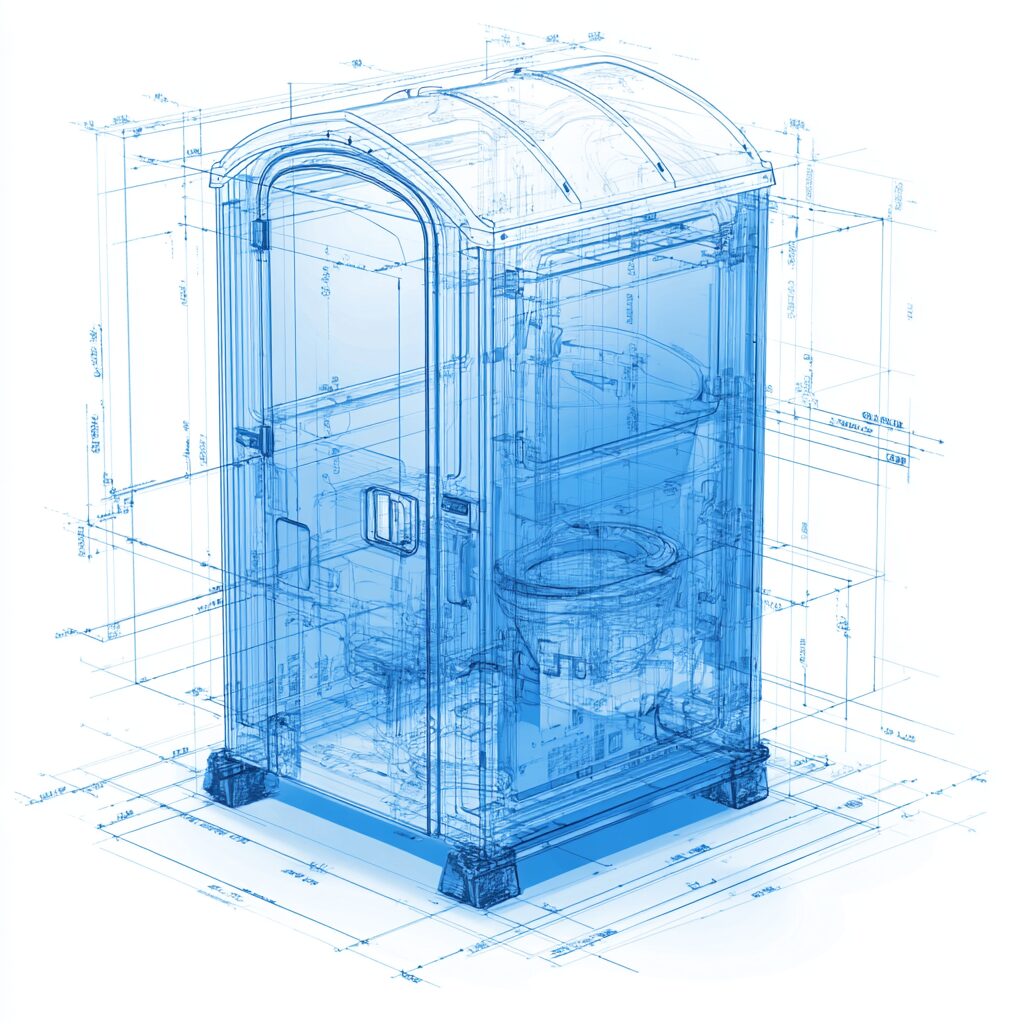
💡Welcome to another installment of Q&A with the Prime Dumpster Pros! We’re asking our team members for their expert insights into the history and functionality of porta potties💡
Portable restrooms might not spark dinner party conversations, but they solve real problems for millions of people daily. From construction crews to wedding guests, these humble units provide essential services where traditional plumbing can’t reach. At Prime Dumpster, our team coordinates portable sanitation solutions nationwide, understanding both the technology and history behind these essential facilities.
We asked our Prime Dumpster Pros for their expert answers to the most common questions about porta potty fundamentals, covering everything from basic operations to the surprising story of their invention.
Portable restrooms pop up everywhere from wedding venues to highway construction zones. These self-contained units solve sanitation needs when regular bathrooms aren’t available or practical.
Our sanitation specialists explain the basic components and applications that make these units essential for construction sites, outdoor events and emergency situations.
“A porta potty is a self-contained portable restroom that operates without water or sewer connections, making it perfect for temporary use at construction sites, festivals and outdoor events,” says a Prime Dumpster Pro. “Unlike permanent restrooms, these units use chemical treatments to break down waste and control odors while storing everything in a sealed holding tank that gets pumped out regularly.”
“Standard porta potties include a toilet seat, urinal, toilet paper dispenser, hand sanitizer and ventilation system all housed in a weather-resistant plastic shell,” explained a Prime Dumpster Pro.
“The waste holding tank sits at the bottom with chemical treatments that neutralize bacteria and control odors until the next service visit.”
“Basic units work great for construction sites and casual events, while deluxe models with handwashing stations and mirrors suit upscale gatherings,” a Prime Dumpster Pro notes. “Luxury restroom trailers with multiple stalls, running water and air conditioning provide the ultimate experience for weddings and corporate events.” ADA-compliant units ensure accessibility for users with disabilities at all types of locations.
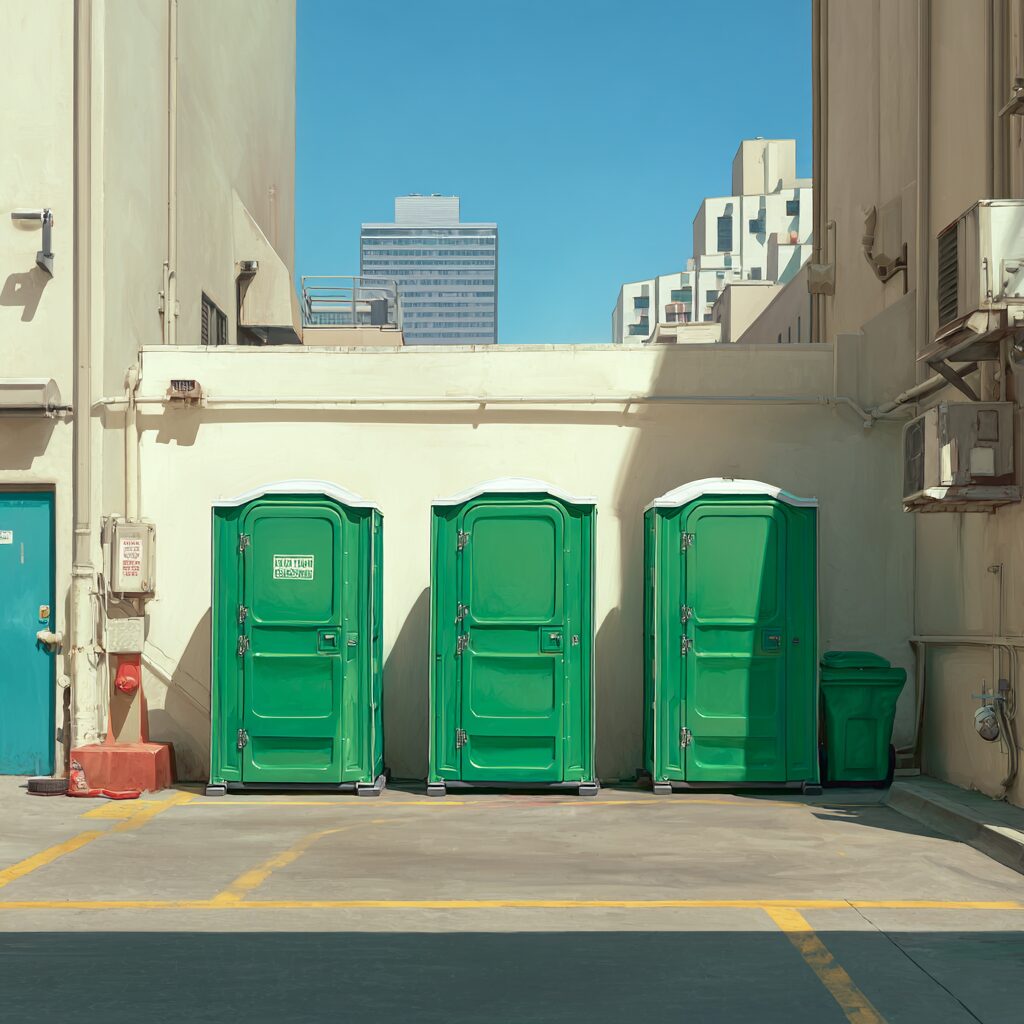
Next in our series on questions about porta potty fundamentals, we’re looking at how these units function.
Portable restrooms operate using surprisingly simple technology that keeps things sanitary without fancy plumbing. The secret lies in chemical treatments and smart engineering that make these units functional anywhere.
“Porta potties rely on gravity and chemical treatments instead of water-based flushing systems. Waste drops into a holding tank where specially formulated chemicals break down solids and control bacterial growth. Ventilation systems prevent odor buildup while the sealed tank contains everything until service crews pump it out,” explained a Prime Dumpster Pro.
“Most porta potty chemicals contain biocides that kill harmful bacteria, deodorizers that neutralize smells, and dye that helps mask waste while indicating the chemical solution is working properly,” a Prime Dumpster Pro notes. “Modern formulations use biodegradable ingredients that break down naturally after disposal. The blue or pink liquid you see isn’t just for show — it’s working hard to keep things sanitary.”
“Service frequency depends on usage levels, but most units get pumped out weekly during regular use. High-traffic events might need daily service, while lightly used construction sites can go longer between visits,” says a Prime Dumpster Pro. “Each service includes waste removal, fresh chemicals, restocking supplies and thorough cleaning to maintain hygiene standards.”
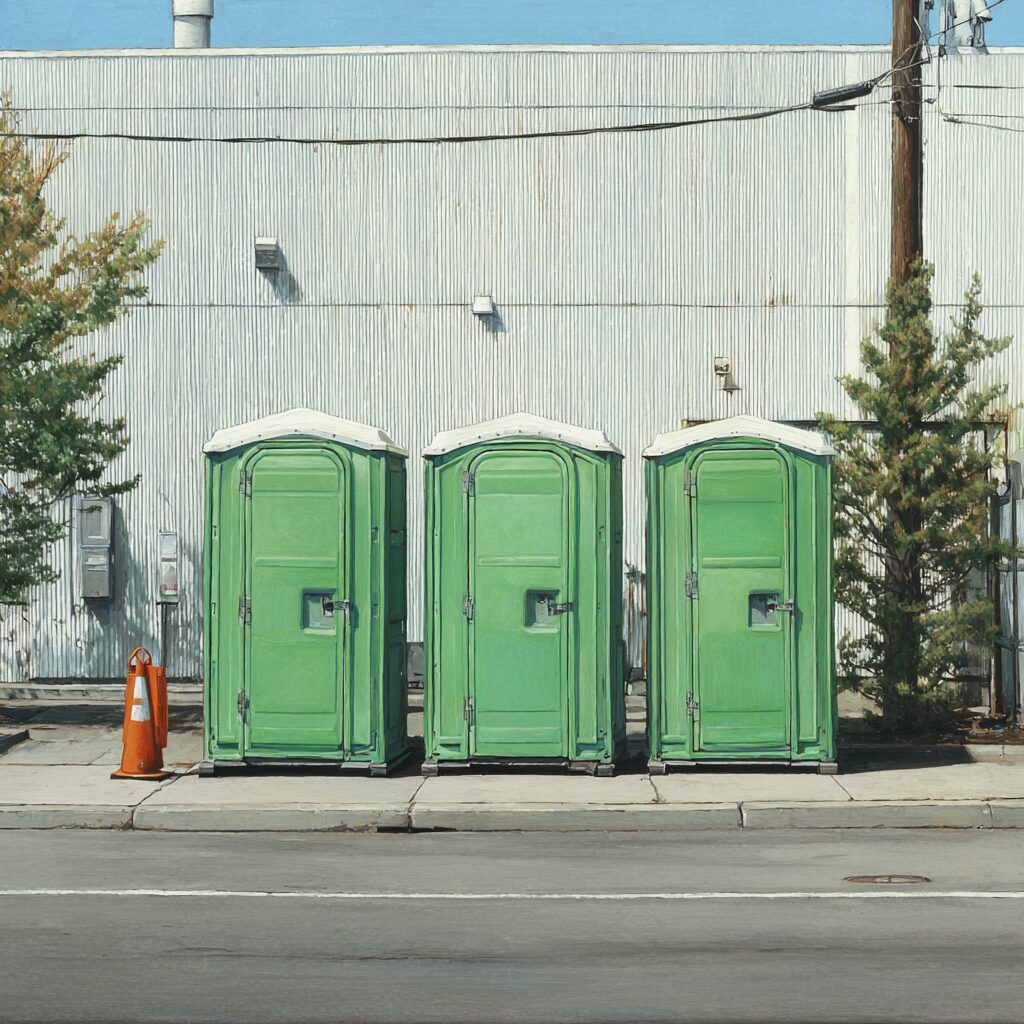
Portable restrooms have a surprisingly rich backstory that spans decades of innovation. From humble beginnings to high-tech luxury units, these sanitation solutions evolved alongside America’s construction boom and outdoor event culture.
“George Harding invented the first portable toilet in the 1940s for shipyard workers who needed facilities far from permanent restrooms,” explained a Prime Dumpster Pro. “His company, United Sanitation, started renting these fiberglass units to construction sites around Long Beach, California, solving a basic workplace problem that nobody else had tackled.”
“Today’s units feature improved ventilation systems, better chemical formulations and even solar-powered lighting and hand-washing stations,” a Prime Dumpster Pro notes. “Luxury restroom trailers with air conditioning, running water and multiple stalls would probably shock George Harding, but they solve the same basic problem he identified 80 years ago.”
Portable restrooms have come a long way since George Harding’s first fiberglass boxes hit California construction sites. Modern units offer comfort and convenience that early inventors never imagined possible.
Having your questions about porta potty fundamentals answered by experienced professionals helps you make informed decisions for your next project or event. Whether you need basic units for a job site or luxury trailers for a wedding, understanding the basics makes the rental process smoother.
Our experienced team at Prime Dumpster coordinates portable sanitation solutions that work in the real world with real budgets. We know what works and what doesn’t. Contact us to discover how the right portable restroom strategy can support your next project while keeping everyone comfortable and safe.
If you are looking for Are Porta Potties Environmentally Friendly?, Click Here


