Mon - Sat 7:00 am to 7:00 pm


Mon - Sat 7:00 am to 7:00 pm
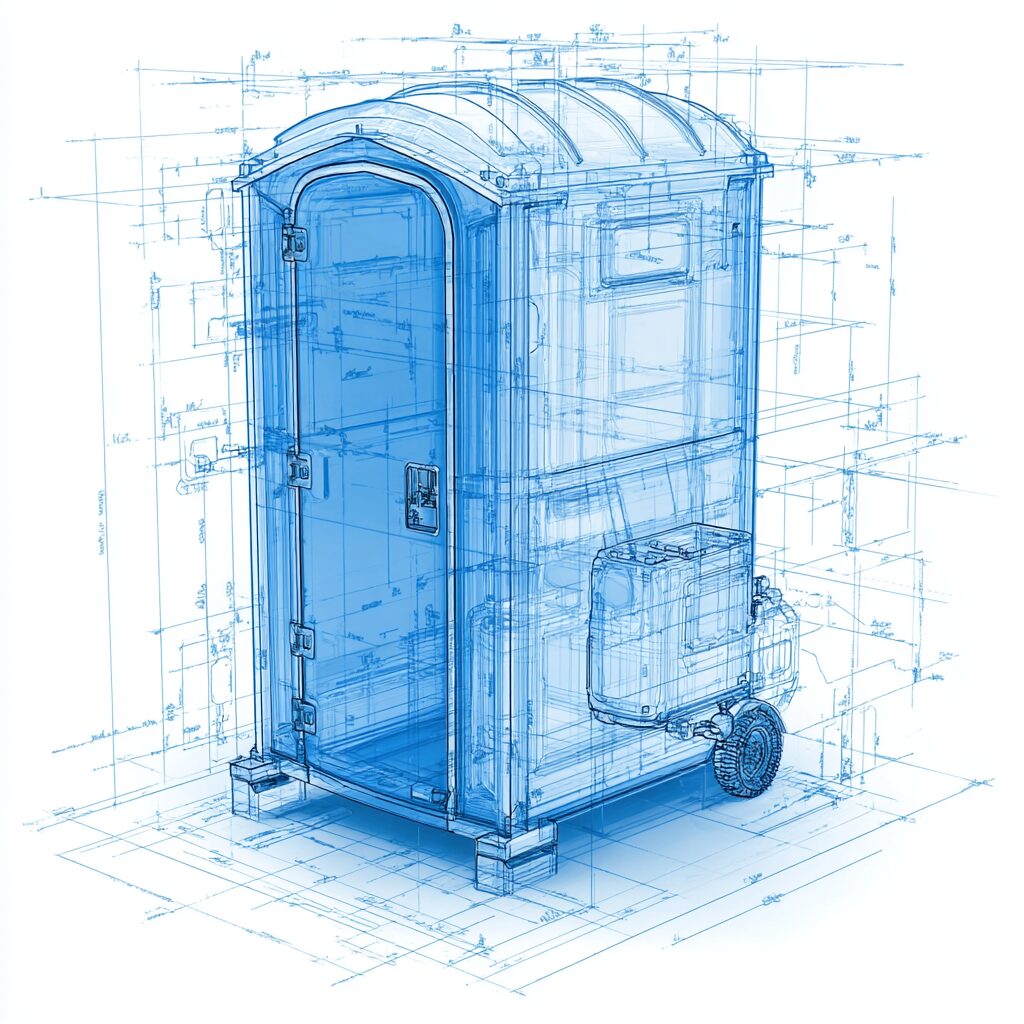
Discovering what’s inside a porta potty reveals engineering marvels that transform simple plastic boxes into essential sanitation solutions for construction sites, festivals, and events nationwide.
Behind that familiar blue exterior lies an intricate system of holding tanks, ventilation channels, and chemical treatments working in harmony to manage waste and control odors.
Prime Dumpster’s comprehensive guide explores every component of these portable facilities, from chemical formulations and structural materials to specialized variants like ADA-compliant units, high-rise models, and luxury restroom trailers designed for upscale events.
Ever wondered what engineering marvels hide behind that familiar blue door? These essential components work together to create functional sanitation solutions for any location.
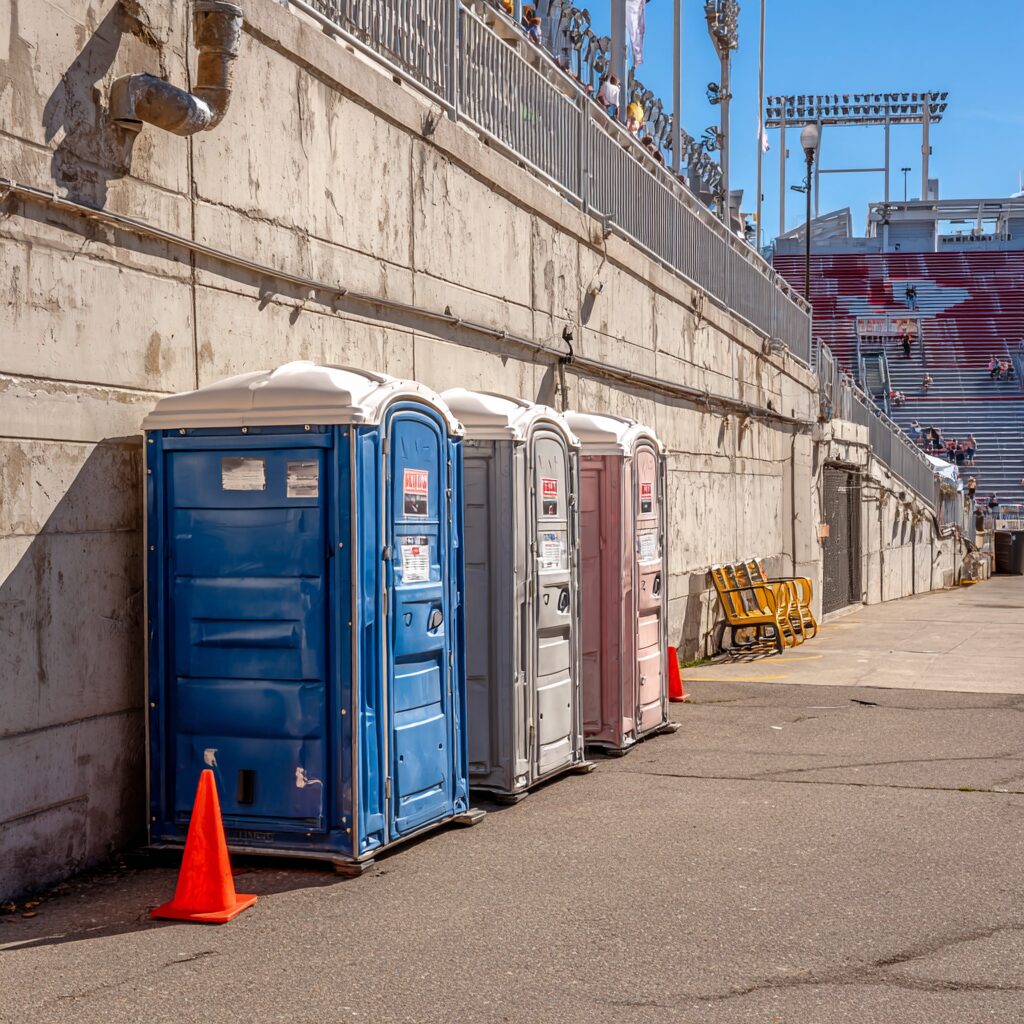
Three key systems work in harmony to create basic porta potty functionality:
Specialized chemicals do heavy lifting behind the scenes. Deodorizers mask odors, biocides stop bacterial parties, and enzymes digest organic matter. This triple-action cocktail keeps units usable for weeks.
Modern materials changed the game. Unlike old metal boxes that rusted, today’s plastic units withstand UV rays and rough handling. Clever placement of hand sanitizers and toilet paper holders maintains cleanliness without sacrificing space.
From construction sites to concert fields, every component serves a purpose. The door latch seals tight but opens easily. The tank sits low for stability yet allows easy servicing. It’s all about balancing durability with practical comfort.
While users notice the door latch and seat, engineers obsess over the real MVP: the holding tank. This sealed chamber handles the dirty work so your job site or event stays functional. Let’s explore what happens after the flushless toilet gets used.
Standard tanks hold 60-100 gallons – enough for 100-150 uses before servicing. Their sloped floors act like slides for waste during pump-outs. No messy leftovers means faster cleaning and fewer odors.
Chemical solutions wait in the tank’s base like bouncers at a club. When waste arrives, deodorizers attack smells while enzymes break down solids. The blue liquid also stops bacteria from multiplying, keeping units safer between services.
Smart design features prevent disasters:
Capacity planning matters. A 60-gallon tank lasts 3-4 days at a 50-person worksite but only hours at a 500-guest wedding. Rental facilitation teams calculate needs based on crowd size and duration – because nobody wants mid-event tank emergencies.
Ever caught a whiff of a porta potty and wondered why it doesn’t smell worse? Thank the science-packed blue cocktail swirling in the tank.
Four powerhouse ingredients team up in that iconic liquid. Biocides act like microscopic security guards, stopping odor-producing bacteria from multiplying. The vibrant blue dye isn’t just decorative – it hides unpleasant sights below the surface.
Fragrances do more than mask smells. Modern formulas neutralize odor molecules chemically, attacking stink at its source. Detergents ensure these scent warriors distribute evenly through the liquid for consistent coverage.
Gone are the days of harsh formaldehyde-based solutions. Today’s biodegradable formulas use safer alternatives that protect both users and the environment.
These innovations create a triple defense system:
The result? Sanitation that keeps up with crowds without assaulting noses. Next-gen solutions prove effective odor control requires equal parts chemistry and creativity.
The secret to a portable toilet’s longevity? Innovative materials that laugh at harsh conditions. Modern units ditch clunky metal boxes for high-density polyethylene – a space-age plastic that shrugs off dents, graffiti, and bacterial growth. This superhero material makes units 40% lighter than old steel models while being three times more durable.
Molded construction eliminates seams where germs hide. Walls emerge from factories as single pieces, creating surfaces that pressure washers blast clean in minutes. UV inhibitors baked into the plastic prevent sun damage that once turned units brittle and discolored within months.
Doors get military-grade treatment. Heavy-duty hinges withstand 50,000 slams, while latches click shut through windstorms. Roof vents aren’t random – their precise placement creates airflow that whisks odors upward without drafts. Textured floors grip boots even when wet, using patterns that channel spills toward drainage points.
These engineering choices solve real-world problems. At construction sites, non-slip surfaces prevent falls. Outdoor events benefit from fade-resistant colors that stay presentable for months. Environmentally conscious designs use 100% recyclable materials, reducing landfill waste when units eventually retire.
Maintenance crews love the upgrades too. Seamless walls need less scrubbing time. Antimicrobial additives in plastics slow bacterial growth between cleanings. The result? Units stay fresher longer while requiring fewer chemical products – a win for users and the environment.
Forget basic blue boxes – some portable restrooms now rival home bathrooms. These upgraded models combine flushing toilets with running water, offering users hotel-like hygiene in temporary settings. Let’s explore how luxury meets practicality in modern sanitation solutions.
Flushable portable toilets use foot pumps or electric systems to move water from pressurized tanks. A dual-chamber setup keeps fresh water separate from waste, preventing contamination. These units require 5-10 gallons of water daily – far less than traditional plumbing but enough for 50+ flushes.
| Feature | Standard Unit | Flushable Unit |
| Water Usage | None | 5-10 gal/day |
| Service Frequency | Weekly | Every 3 days |
| User Capacity | 150 uses | 200 uses |
Handwashing stations transform portable restrooms into complete hygiene hubs. These compact sinks feature:
Event planners love these units for weddings or corporate gatherings. Construction crews appreciate reduced germ spread. Though pricier to rent, they cut cross-contamination risks by 60% compared to standard options.
Maintenance crews handle these units differently. Freshwater tanks need refilling about every 2 days. Waste tanks require more frequent pumping due to added liquid from sinks. The extra service keeps units smelling fresh despite heavy use.
ADA porta potties transform basic facilities into accessible spaces. Wider 36-inch doors welcome wheelchairs, while outward-swinging hinges prevent interior collisions. Inside, 60+ square feet allows full wheelchair rotation—a game-changer for users with mobility devices.
Critical safety features include:
These units act as health compliance agents on job sites and at public events. Non-slip floors and lever-style door handles reduce accident risks. Hand sanitizer stations sit at wheelchair-appropriate heights—no awkward reaching required.
Regulations demand specific layouts, but smart design goes further. Service agents prioritize antimicrobial surfaces and touchless fixtures. Proper ADA units don’t just check boxes—they create dignified experiences while meeting federal mandates.
Mobility isn’t just for people – portable sanitation units go where the action is. Specialized engineering transforms standard facilities into rugged travelers that conquer construction sites and mountain peaks alike. These mobile marvels keep crews productive in locations where traditional units can’t reach.
Towable models roll up their sleeves for road trips. Heavy-duty trailer hitches connect to trucks, while safety chains and LED road lights meet DOT requirements. Their secret weapon? A reinforced chassis with torsion suspension that absorbs bumps on job site access roads.
| Feature | Towable Units | High-Rise Units |
| Transport Method | Vehicle trailer hitch | Crane/Helicopter lift |
| Key Components | Road lights, suspension | Steel lifting points |
| Weight Capacity | 1,200 lbs | 800 lbs |
| Common Uses | Remote work sites | Skyscraper construction |
Skyscraper specialists take sanitation vertical. High-rise portable toilets feature steel-reinforced frames and aircraft-grade lifting points. These units undergo rigorous safety testing – because nobody wants a bathroom surprise at 800 feet.
Transport teams use specialized protocols for aerial moves. Weight distribution calculations prevent mid-air spins. Four-point tie-down systems keep units stable during crane lifts. Units destined for upper floors get extra corrosion protection from high-altitude weather conditions.
Both types require more frequent service than standard models. Towable units need axle inspections after rough terrain travel. High-rise facilities get daily safety checks when elevated. Smart operators track these units using GPS – because losing a toilet mid-project makes for terrible comedy.
Imagine stepping into a restroom that feels more like a boutique hotel than a temporary facility. Multi-stall trailers redefine portable sanitation for upscale weddings, corporate galas, and music festivals. These rolling comfort stations handle crowds with hotel-grade amenities while maintaining the mobility of standard units.
Today’s luxury trailers solve two event headaches: long lines and “eww” faces. Climate-controlled interiors keep guests comfortable in any weather, while sound systems mask awkward noises. Wall-mounted vanities with touchless faucets add unexpected polish.
Plumbing systems rival permanent facilities. Freshwater tanks feed sinks and toilets, while graywater systems divert handwashing runoff. Waste tanks hold 300+ gallons – enough for 1,000+ uses before servicing. Event planners love how these units blend into venues without compromising function.
Setup requires planning. Most trailers need:
From Coachella to country club weddings, these mobile palaces prove portable sanitation can be both practical and posh.
What’s inside a porta potty? An impressive blend of engineering, chemistry, and practical design!
Prime Dumpster facilitates portable restroom rentals nationwide for construction sites, government contracts, and events of all sizes, ensuring you have the right units exactly when and where you need them.
Contact our team to discover how our comprehensive porta potty services can support your next project with reliable, efficient solutions that let you focus on success.
If you are looking for Q&A with the Prime Dumpster Pros: Questions about Porta Potty Fundamentals, Click Here


