Mon - Sat 7:00 am to 7:00 pm


Mon - Sat 7:00 am to 7:00 pm

When portable toilets are fresh and inviting, nobody notices. But when they are not, it becomes the main topic of conversation for all the wrong reasons. A negative experience with these essential facilities can overshadow an otherwise perfect day.
Behind every successful project or event lies a sanitation strategy that addresses both routine maintenance and unexpected challenges through professional service partnerships, proper supply management, and effective odor control techniques.
At Prime Dumpster, our team has created a comprehensive guide covering everything from daily cleaning protocols and odor management to professional service schedules and user education. Here’s what event planners and site managers maintain portable restrooms that impress rather than distress.
When you know how to keep porta potties clean, you can help ensure your facilities remain sanitary and pleasant throughout your event or project timeline while minimizing complaints and maintenance emergencies.
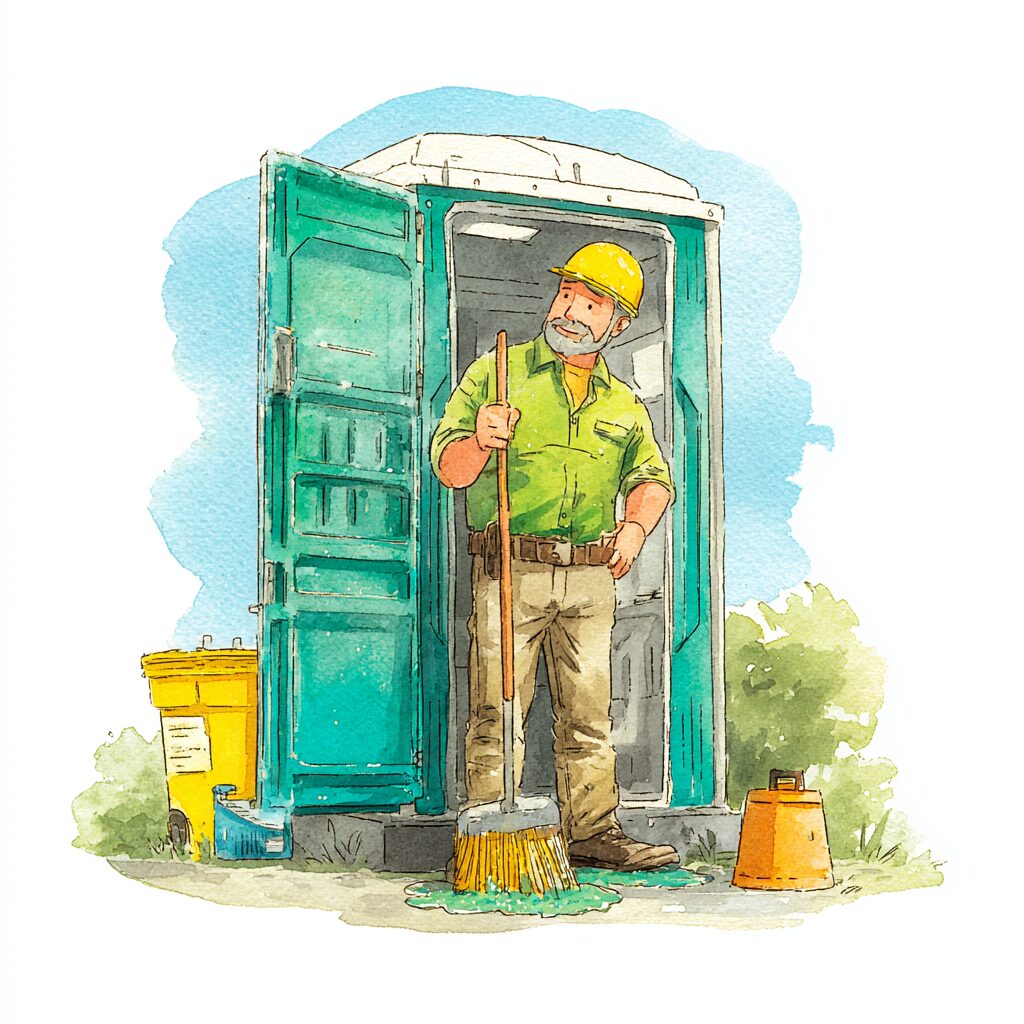
Knowing which units you’re working with helps you plan effective cleaning strategies.
Standard portable toilets are the basic workhorses you see everywhere. They feature simple holding tanks and ventilation systems. These units require straightforward maintenance, with a focus on waste management.
Flushable models upgrade the experience with foot-pump or electric flushing mechanisms. They enhance user comfort but require additional attention to water systems. Units with sinks add handwashing stations for better hygiene.
ADA compliant units provide wheelchair accessibility with wider doors and interior grab bars. Their spacious design accommodates users with disabilities.
These larger facilities need special consideration during placement and cleaning. Their size affects maintenance routines and service frequency.
Regardless of type, all portable toilets share core maintenance principles. Understanding your specific units helps anticipate cleaning needs and supply requirements.
Clean portable restrooms don’t happen by accident – they result from smart planning and regular attention. Good maintenance starts with understanding a few core principles that apply to all facility types.
Think of maintenance as a partnership between you, your service provider, and users. This approach prevents problems before they become noticeable issues.
Establishing a regular schedule is your first step. Usage levels determine frequency. High-traffic events need multiple daily checks, while construction sites might require weekly service.
Environmental factors play a big role too. Hot weather accelerates odor development, while cold temperatures affect product performance. Adjust your strategies seasonally.
| Usage Level | Recommended Service | Critical Checkpoints | Seasonal Adjustments |
| High Traffic (Events) | 2-3 times daily | Supplies, odors, waste levels | Increase frequency in summer |
| Medium Use (Worksites) | Every 2-3 days | General cleanliness, functionality | Monitor product effectiveness |
| Low Usage | Weekly | Basic maintenance, vandalism | Standard schedule sufficient |
Remember that cleanliness directly impacts user satisfaction. Well-maintained facilities reflect positively on your organization, whether you manage construction sites or special events.
The right cleaning products and techniques make all the difference. We’ll explore specific solutions in the next section to help you maintain optimal hygiene standards.
There’s a world of difference between basic upkeep and the comprehensive approach professional services provide. These experts bring specialized equipment and systematic methods that ensure thorough sanitization.
Professional crews use commercial-grade disinfectants designed for tough environments. Liquid blue treatment chemicals serve multiple purposes in waste tanks.
They break down solids, control bacteria, and neutralize odors. For eco-friendly options, vinegar solutions offer natural disinfecting power.
Advanced techniques include antimicrobial fogging that reaches hidden surfaces. This comprehensive approach tackles every corner of the facility.
Service frequency depends entirely on usage patterns. Professionals assess your specific needs to create optimal maintenance plans.
| Site Type | Service Frequency | Key Tasks | Special Considerations |
| Construction Sites | Weekly | Waste removal, chemical refresh | Dust control, equipment checks |
| Weekend Events | Pre/post-event | Deep cleaning, supply restock | Peak usage preparation |
| Multi-day Festivals | Daily service | Continuous maintenance | High-traffic management |
| Long-term Installations | Weekly/bi-weekly | Routine inspection | Consistent quality control |
Professional servicing handles complex tasks like waste removal and chemical handling. This ensures your facilities maintain optimal hygiene standards between visits.
Odor management tops the list of worries for anyone overseeing portable sanitation. Fortunately, numerous effective solutions exist that go beyond simply masking unpleasant odors.
Quick-action sprays provide immediate relief from unpleasant odors. Staff can apply these products to interior surfaces and toilet bowls during routine checks.
Dry toss packets offer extended odor control. These concentrated solutions break down waste while releasing pleasant fragrances. They work continuously for days or weeks.
Environmentally conscious options include plant-derived fragrances like eucalyptus oil. Natural enzyme-based products effectively neutralize odors without harsh chemicals.
Fresh straps attach inside units and provide consistent fragrance release for up to sixty days. These long-lasting solutions reduce maintenance frequency.
| Product Type | Duration | Best For | Environmental Impact |
| Deodorizing Sprays | Immediate – 24 hours | Quick fixes between services | Varies by formula |
| Dry Toss Packets | 7-14 days | Medium usage sites | Standard chemical |
| Fresh Straps | 30-60 days | Long-term installations | Low impact options available |
| Natural Solutions | 3-7 days | Eco-sensitive locations | Biodegradable |
Proper ventilation enhances all odor control efforts. Position units to catch breezes and ensure vents remain clear. These simple steps boost product effectiveness.
Select solutions based on climate and usage levels. Hot weather and heavy use demand more aggressive odor management strategies.
User satisfaction hinges on consistent attention to sanitation and supply management. People form lasting impressions based on facility conditions. A positive experience reflects well on your entire operation.
Thoughtful maintenance transforms basic necessities into comfortable amenities. This approach directly impacts overall user experience and professional reputation.
Germs accumulate quickly on frequently contacted surfaces. Door handles, locks, and toilet seats require regular attention. Hand sanitizer dispensers and paper holders also need disinfection.
Use antimicrobial products with adequate contact time. Even clean-looking surfaces harbor bacteria. Establish a routine schedule for thorough sanitization.
Disposable wipes streamline this process. They allow quick cleaning between professional services. Proper hygiene prevents odor development and maintains freshness.
Nothing frustrates users more than empty dispensers. Regular checks ensure toilet paper remains available. Hand sanitizer should always be full and functional.
Quality matters with essential supplies. Better paper reduces clogging issues. Effective hand products encourage proper hygiene practices.
Assign specific staff to monitor inventory levels. Daily inspections work best for high-traffic situations. Small touches create a pleasant experience for everyone.
Well-maintained facilities generate positive feedback and goodwill. These efforts require minimal time but deliver maximum impact on user satisfaction.
Festivals and concerts present unique sanitation challenges that demand strategic planning. Concentrated usage over short periods tests even the most robust maintenance programs.
Success hinges on anticipating peak demand and deploying resources effectively. These events require more aggressive maintenance strategies than typical installations.
During peak event hours, inspection rounds should occur every 2-4 hours. This frequency prevents small issues from becoming major problems.
Each check should include supply verification and quick cleaning. Staff should restock toilet paper, empty trash, and apply deodorizers consistently.
Strategic unit placement near food areas and main stages helps manage traffic flow. Extra facilities in high-demand zones prevent overuse and maintain cleanliness.
Multi-day festivals benefit from early morning professional service. Scheduling pump-outs during low-traffic periods minimizes disruption.
Establish a maintenance command center for large events. This hub coordinates responses and tracks which units receive service.
Proper planning ensures facilities remain functional throughout your event. Adequate capacity and proactive maintenance prevent negative attendee experiences.

Maintaining clean portable toilets requires clear understanding of who handles what tasks.
Everyone benefits when responsibilities are clearly outlined. This prevents confusion and ensures facilities remain in optimal condition.
Your staff can perform daily visual inspections of each unit. They should restock basic supplies like toilet paper and hand sanitizer regularly.
Simple maintenance tasks include applying deodorizing sprays and wiping high-touch surfaces. These actions help maintain proper hygiene between professional visits.
Staff should never attempt waste tank pumping or chemical handling. Leave repairs and complex maintenance to your service provider.
Establish a simple reporting system for users and staff. Designated personnel, phone hotlines, or clear signage work effectively.
Users should report supply shortages or damage immediately. Proper waste disposal and moderate toilet paper use prevent most common issues.
When everyone treats facilities respectfully, professional service visits remain effective. Shared responsibility keeps units clean and functional for all users.
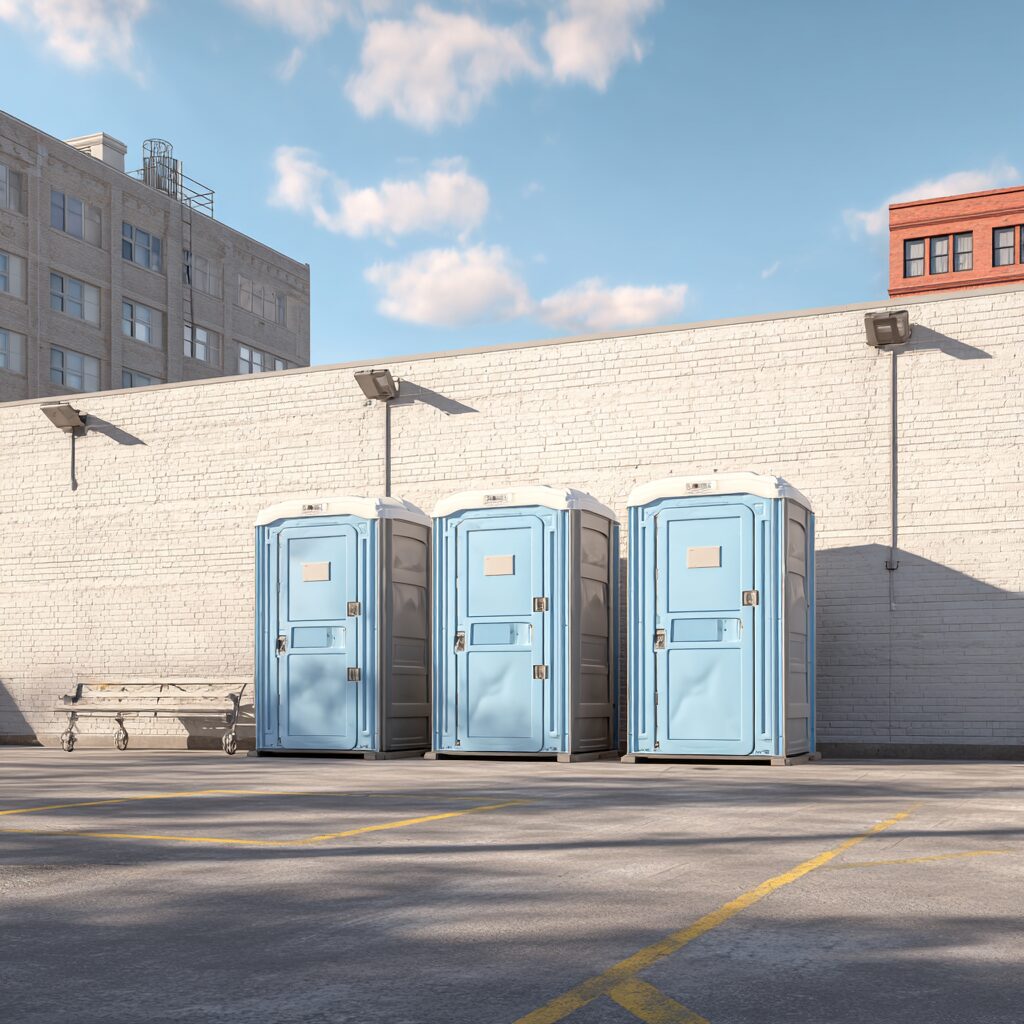
True sanitation excellence means looking beyond just the interior. Your facility’s external appearance sets user expectations before they even open the door. Complete maintenance addresses both visible surfaces and hidden areas where harmful bacteria thrive.
We need to consider every aspect of these essential units. A comprehensive approach ensures both hygiene and positive user experiences.
Germs concentrate on high-touch surfaces inside your restroom. Door handles, toilet paper holders, and sanitizer dispensers require regular attention. Use antimicrobial products on these areas between professional services.
Proper air circulation prevents odor buildup and reduces humidity. Open doors during low-use periods to refresh the interior environment. Ensure ventilation pipes remain clear for optimal airflow.
The eight-fold method works well for surface disinfection. Fold a clean rag to create eight fresh surfaces. Use a new section for each area to prevent cross-contamination.
External surfaces need regular washing to maintain professional appearance. Remove dirt, dust, and debris from walls and roofs. Clean exteriors prevent users from tracking contaminants inside.
Graffiti removal requires specialized cleaners designed for portable unit surfaces. Address vandalism promptly to discourage repeat incidents. Quick action maintains your facility’s clean image.
| Maintenance Area | Priority Tasks | Frequency | Products Needed |
| Interior Surfaces | Disinfect high-touch areas, toilet seats | Daily during events | Antimicrobial spray, wipes |
| Air Quality | Ventilation check, door opening | 2-3 times daily | None required |
| Exterior Walls | Washing, graffiti removal | Weekly or as needed | Pressure washer, graffiti remover |
| Door and Handle | Disinfection, functionality check | Each inspection | Disinfectant, lubricant |
Weather conditions affect both interior and exterior maintenance needs. Rain can help clean exteriors but may increase interior moisture. Sun exposure helps dry interiors but might fade external surfaces.
Regular attention to complete unit cleanliness demonstrates your commitment to quality. Users notice when every aspect receives proper care.
Implementing effective strategies for how to keep porta potties clean ensures these essential facilities remain functional, odor-free, and user-friendly throughout your event or project duration.
Prime Dumpster facilitates portable restroom services nationwide for construction projects, festivals, and special events, ensuring your facilities receive proper maintenance, timely servicing, and quality supplies that support positive user experiences.
Contact our team to discover how our expertise in portable sanitation management can elevate your next event or project with clean, well-maintained facilities that reflect positively on your organization’s attention to detail and commitment to quality.
If you are looking for Guide to Increasing Porta Potty Comfort at Events, Click Here


