Mon - Sat 7:00 am to 7:00 pm


Mon - Sat 7:00 am to 7:00 pm
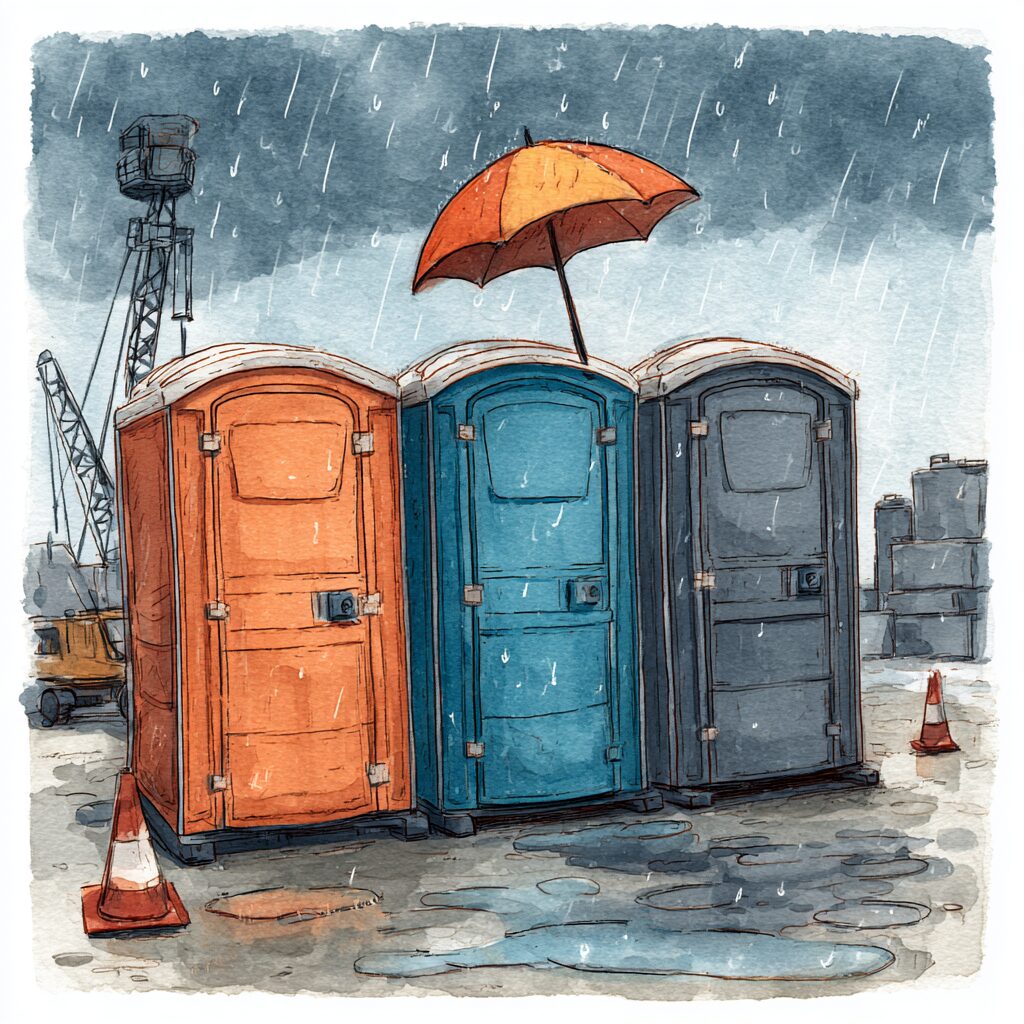
Weather forecasts determine more than just your crew’s outdoor work schedule. They dictate whether your portable restrooms remain functional, accessible, and compliant throughout unpredictable conditions.
Smart porta potty weather adjustments for construction sites help prevent problems. In this comprehensive guide from the pros at Prime Dumpster, we walk you through weather-specific strategies for each challenge.
Follow these weather-specific strategies to maintain functional, accessible sanitation facilities regardless of what conditions your construction site faces.
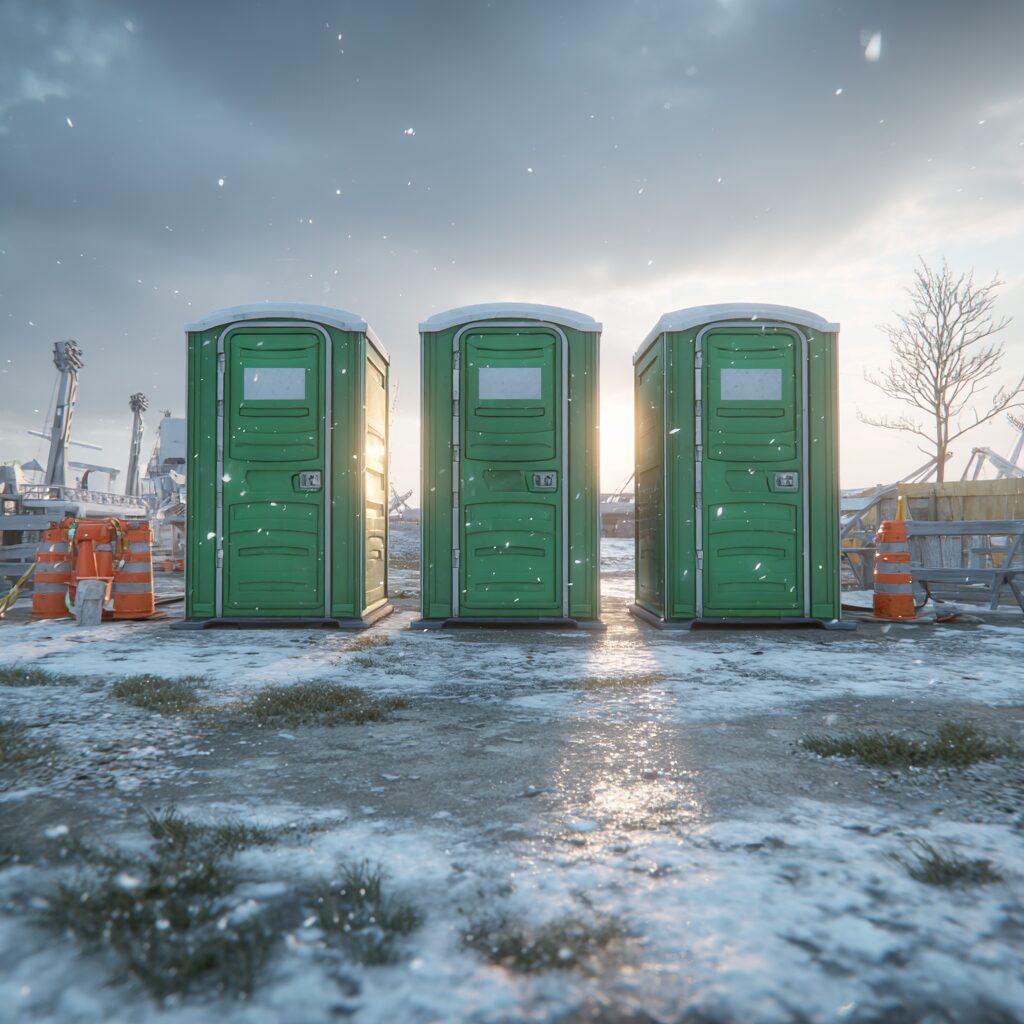
Unpredictable conditions can turn your well-planned restroom schedule upside down in minutes. We see this happen regularly across various job locations. Proper planning makes all the difference when nature intervenes.
Severe conditions force providers to adjust maintenance visits. Sometimes they need to come earlier than planned. Other times, trucks cannot reach the location at all.
Rental periods often require extension when pickup becomes impossible. Continued bad conditions mean units must stay longer than originally scheduled. This affects your overall project timeline and budget.
| Condition | Service Impact | Access Challenge |
| Heavy Rain | Trucks delayed, maintenance gaps | Flooded pathways to facilities |
| Snow/Ice | Technicians need extra time | Slippery steps and doors |
| High Winds | Safety protocols limit work | Units may shift or become unstable |
| Extreme Heat | More frequent servicing needed | Uncomfortable conditions for use |
Your team faces real challenges when pathways flood or ice over. Simple trips become safety hazards. Productivity drops when basic needs go unmet.
These access issues create compliance concerns too. Understanding these impacts helps managers build better contingency plans. Smart preparation keeps operations running smoothly.
A sudden downpour can transform your well-organized work area into a logistical nightmare. We see this happen when rain creates immediate problems for facility access and maintenance. Your team deserves reliable solutions that keep operations running smoothly.
Heavy rainfall creates multiple access problems that affect your entire operation. Water pooling around facilities creates dangerous slip hazards for workers. It can also flood unit interiors through door gaps, making them unusable.
Service trucks face real challenges navigating muddy roads or flooded areas. This leads to missed maintenance appointments and extended cleaning intervals. Planning ahead prevents these service gaps from disrupting your timeline.
| Rain Challenge | Immediate Impact | Quick Solution |
| Water Pooling | Slip hazards, interior flooding | Elevated platforms, gravel bases |
| Muddy Access Roads | Blocked service vehicles | Alternative vehicle routes |
| Saturated Ground | Unit instability on slopes | Strategic placement away from drainage paths |
| Door Gap Intrusion | Water entering facilities | Proper door sealing with ventilation |
Smart placement decisions make all the difference during storms. Position facilities away from natural drainage paths and low-lying areas where water accumulates. This simple step prevents many rain-related problems before they start.
Elevated platforms or gravel bases keep units above ground level. They prevent water intrusion while maintaining stable footing around entrances. These solutions work effectively across various construction environments.
Establish alternative access routes for service vehicles so maintenance continues during heavy rain. Simple grading or temporary channels direct water away from critical work areas. Proper drainage improvements protect your investment and keep teams productive.
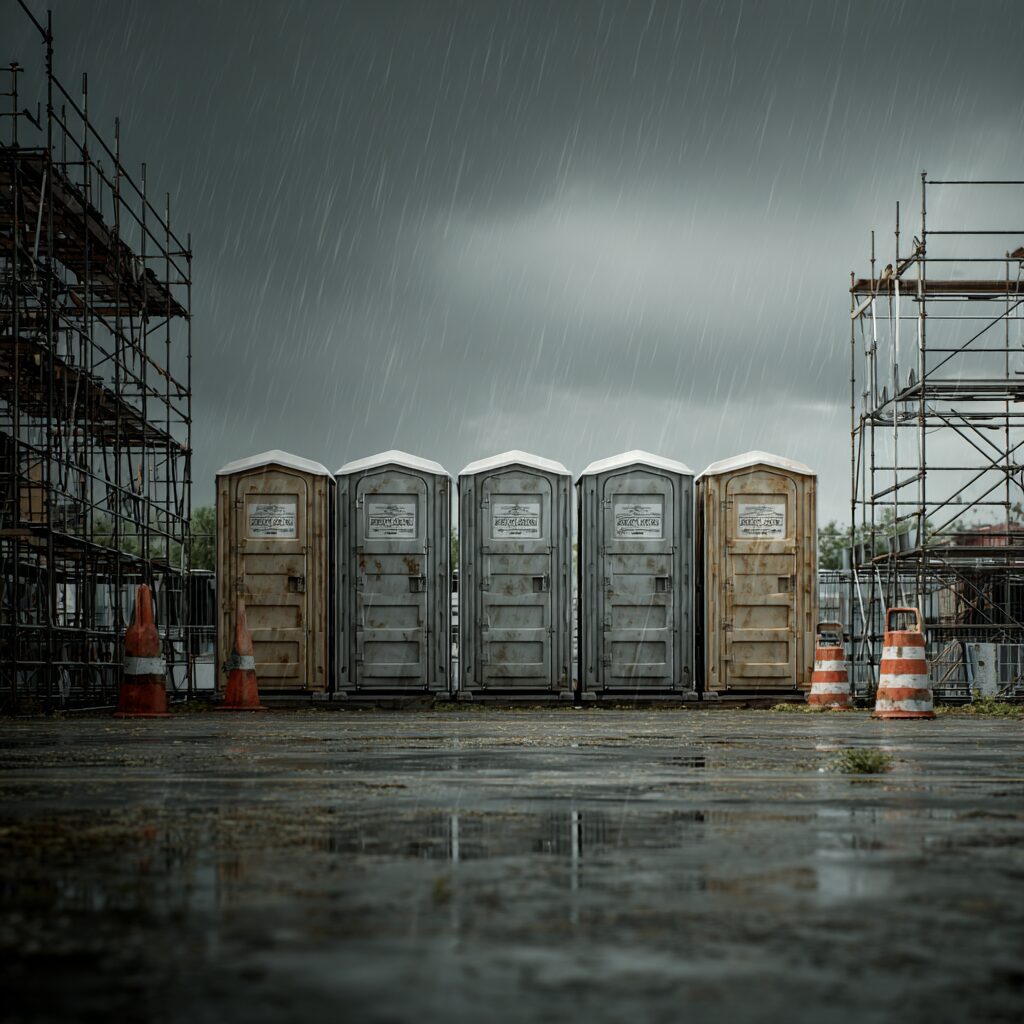
Freezing conditions can turn your portable restrooms from essential amenities into frozen liabilities overnight. We see this happen when temperatures drop and maintenance becomes challenging.
When waste tanks freeze solid, facilities become completely unusable. Thawing can take days during sustained cold snaps. Ice buildup around unit bases creates serious slip hazards for workers.
Snow accumulation blocks doors and buries entire units. This creates access challenges even after storms pass. Standard cleaning solutions freeze immediately in extreme cold, making regular maintenance ineffective.
Switch to insulated units that maintain warmer interior temperatures. These resist freezing during sustained cold weather. Antifreeze treatments prevent waste tank freezing while maintaining sanitation.
Adjust service schedules to midday hours when temperatures peak. This allows cleaning solutions to work properly before temperatures drop again.
Implement snow removal protocols that prioritize pathways to units. Keep entrances clear with regular checks after each snowfall. Winter-formulated chemicals designed for cold weather performance replace standard treatments that lose effectiveness.
These adjustments ensure your equipment remains functional and safe throughout the winter months. Proper planning keeps workers productive despite challenging conditions.
When the wind starts howling across your location, those seemingly sturdy facilities can turn into safety hazards in seconds. We see this happen when gusts catch lightweight units. Proper preparation is your best defense against wind-related incidents.
Strong air currents can easily tip over unsecured equipment. An unanchored unit can slide or even become airborne. This creates a serious risk for workers and other site assets.
Doors can be ripped from hinges, and vents may be damaged. Even when anchored, powerful drafts make using the facilities uncomfortable. Workers might avoid them, which hurts productivity.
Your primary solution is robust anchoring. Use heavy-duty stakes driven deep into the ground. Sturdy straps connected to solid anchor points also work well.
Place units behind natural windbreaks like buildings or terrain. If that’s not possible, set up temporary barriers from fencing materials. Always inspect anchors before forecasted high wind events.
After a severe wind event, act quickly. Contact your service provider for a full inspection before anyone uses the facilities again. They can check for structural damage you might miss.
This proactive step ensures everything is safe and functional. It prevents minor issues from becoming major problems later on.
| Wind Risk | Potential Consequence | Immediate Action |
| Unit Tipping/Sliding | Injury to personnel, damage to equipment | Verify and tighten all anchor straps and stakes |
| Becoming a Projectile | Widespread damage across the work area | Relocate units to a sheltered position if possible |
| Structural Damage (Doors/Vents) | Unusable facilities, repair costs | Schedule immediate post-storm inspection by provider |
| Worker Avoidance Due to Discomfort | Decreased productivity and morale | Ensure doors function properly and units are stable |
Summer sun turns portable restrooms into ovens faster than you’d think. Interior temperatures can soar 20-30 degrees above outside air. This creates genuine safety concerns for everyone on location.
We see how extreme conditions affect both equipment and personnel. Proper planning makes these hot months manageable.
Strategic placement is your first defense against intense heat. Position units under natural shade from trees or existing structures. Purpose-built canopies work well where natural cover isn’t available.
Choose lighter-colored units that reflect sunlight rather than absorbing it. This simple choice keeps interiors significantly cooler. Proper positioning to catch prevailing breezes provides natural airflow.
Consider upgrading to models with enhanced ventilation systems. Solar-powered fans create continuous airflow without electrical connections. They dramatically improve air quality and temperature control.
High temperatures accelerate waste decomposition and odor development. Units become unpleasant much faster than in moderate weather. This can discourage workers from proper hydration breaks.
Increase service frequency during peak heat months. Move from weekly to twice-weekly maintenance visits. This prevents odor buildup and ensures fresh supplies.
Monitor plastic components that may become more fragile in extreme heat. Seals can soften, and chemical treatments lose effectiveness faster. Regular inspections help catch issues early.
| Heat Challenge | Worker Impact | Prevention Strategy |
| Extreme Interior Temperatures | Heat exhaustion risk during use | Shade placement + ventilation upgrades |
| Accelerated Odor Development | Discomfort and avoidance | Twice-weekly servicing schedule |
| Dehydration Concerns | Productivity and health issues | Ensure comfortable, accessible facilities |
| Material Degradation | Equipment failure risks | Regular inspections and lighter-colored units |
Think of your maintenance calendar as a flexible tool, not a rigid rulebook. When environmental factors shift dramatically, your sanitation routine needs to adapt right along with them. We see successful managers treating their service plans as living documents that evolve with changing circumstances.
Standard weekly visits work fine during moderate periods. But extreme heat demands more frequent attention to maintain proper sanitation. Extended hot spells might require twice or even three times weekly maintenance.
Communicate proactively with your service provider about upcoming forecasts. This allows schedule adjustments before problems develop. Shift visits to avoid predicted storms or extreme temperature peaks.
Establish emergency protocols for requesting additional maintenance outside regular cycles. Maintain direct contact channels for rapid response when unexpected situations create urgent needs. This prevents minor issues from becoming major disruptions.
Build weather contingencies into your project budget and timeline. Recognize that some service delays are inevitable during severe conditions. Planning for these realities prevents surprises and keeps your operation compliant.
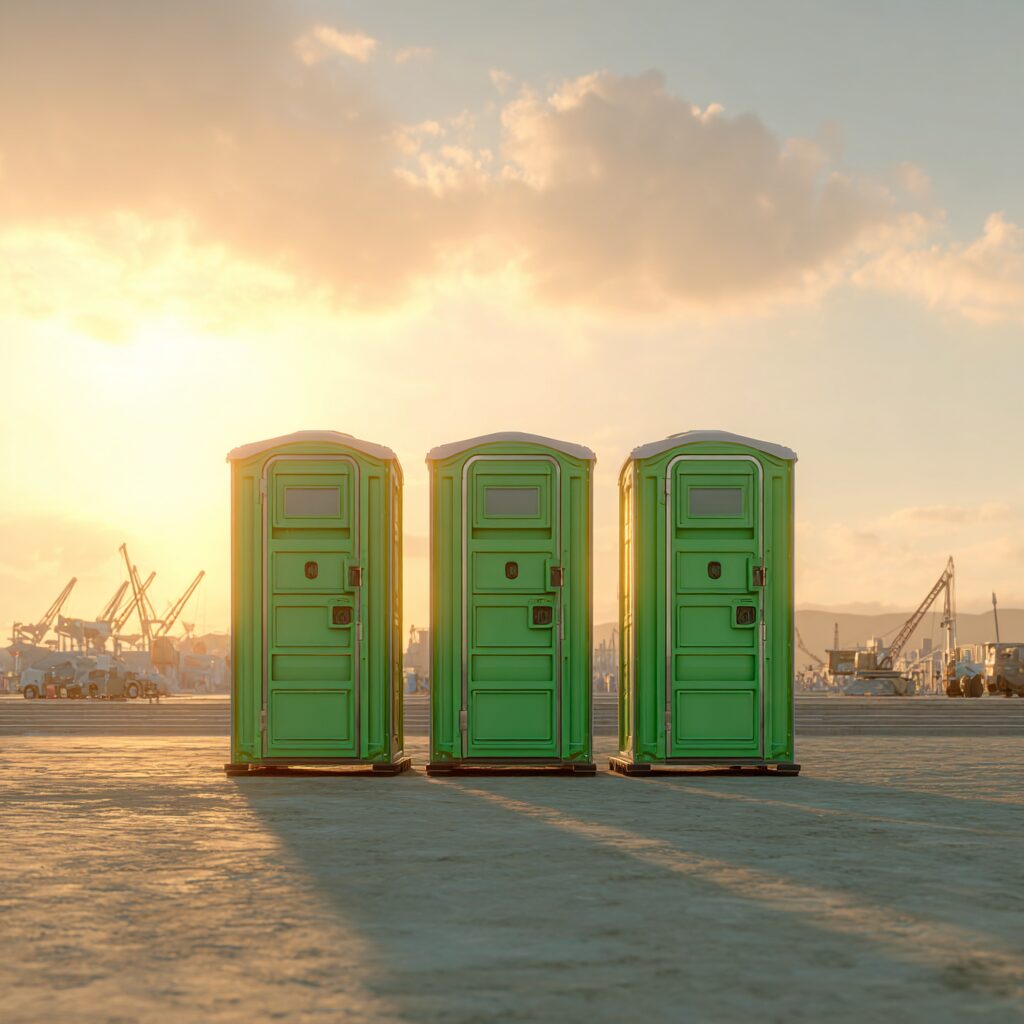
Smart managers know that facility success hinges on adapting to seasonal demands before they become problems. Every project has unique environmental challenges that require customized approaches.
Start by analyzing your location’s specific vulnerabilities. Consider terrain, typical climate patterns, and project duration. This assessment helps you select the right equipment from day one.
Strategic placement within 200 feet of active work zones ensures quick access while minimizing exposure to harsh elements. Choose insulated units for winter projects and well-ventilated models for summer work.
Position facilities where they’ll perform best during your project’s timeframe. Summer locations need shade, while winter spots benefit from maximum sun exposure.
Establish clear protocols for different weather scenarios before your project begins. Create procedures for rain, heat, wind, and cold events.
Regularly assess unit placement and condition as work areas shift. Maintain proper ratios of one facility per ten workers, even during extreme conditions when usage patterns change.
Build strong relationships with providers who understand local climate patterns. Their expertise helps you anticipate challenges specific to your construction projects.
Integrating these considerations into initial planning prevents costly adjustments later. Successful management combines smart equipment selection, strategic placement, and proactive communication.
Successful porta potty weather adjustments for construction sites transform unpredictable conditions into manageable challenges through proactive planning. Heavy rain demands elevated platforms and alternative service routes. Winter requires insulated units with antifreeze treatments. High winds need robust anchoring systems. Extreme heat calls for doubled servicing frequencies.
Need construction sanitation partners who understand weather-adaptive strategies? Prime Dumpster coordinates porta potty solutions with weather-resistant equipment options and flexible service scheduling that adjusts to forecast changes. Contact us for weather-resilient sanitation logistics that maintain compliance and crew productivity regardless of what Mother Nature delivers.
If you are looking for Porta Potty Placement During Construction Phases, Click Here


