Mon - Sat 7:00 am to 7:00 pm


Mon - Sat 7:00 am to 7:00 pm
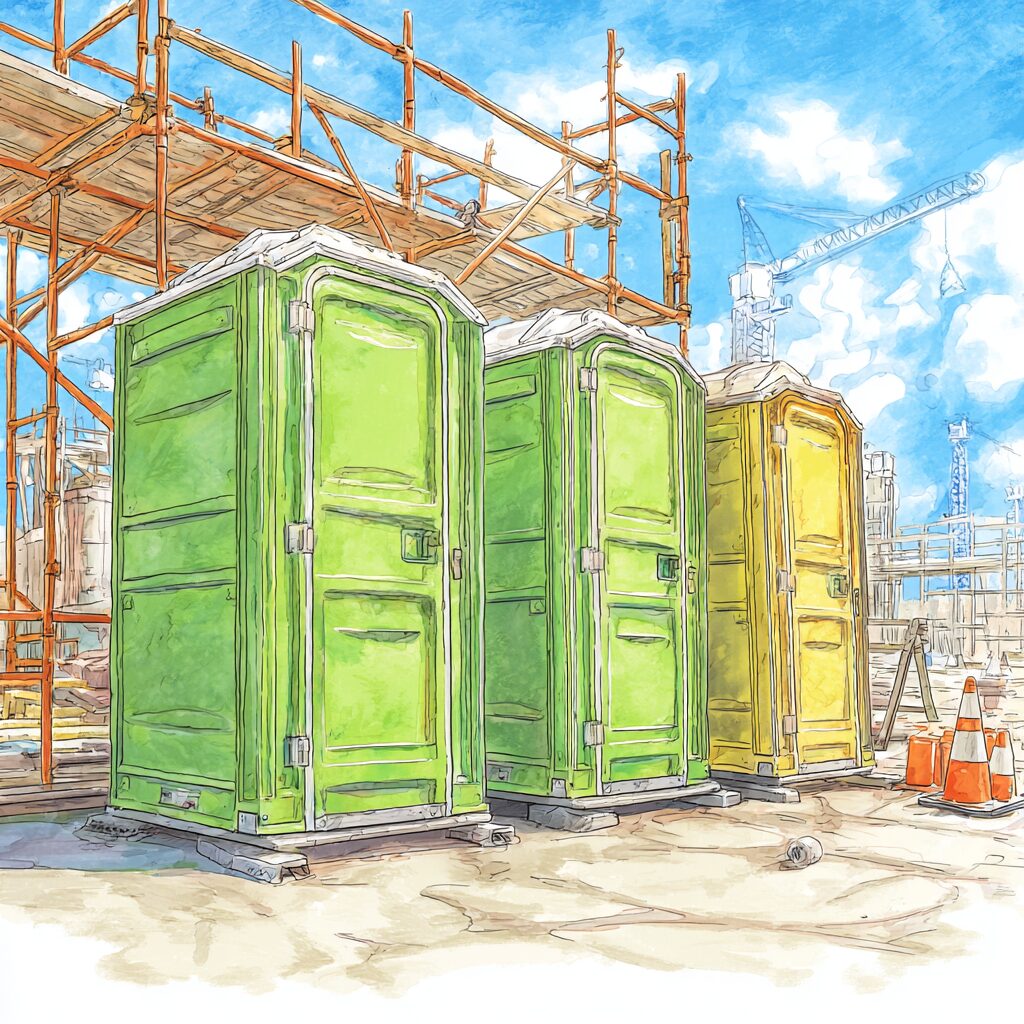
Managing porta potty deliveries across multiple locations feels like coordinating a dozen moving parts simultaneously. Construction managers overseeing regional builds, retail chains executing store renovations, and organizations hosting simultaneous events all face the same challenge: getting portable restrooms to the right place at the right time without overwhelming your team or creating logistical bottlenecks.
At Prime Dumpster, we walk you through coordination strategies for city-level and regional deployments. Here’s a closer look at porta potty deliveries across multiple locations, including how they work, their benefits, and more.
Staggered deliveries mean units arrive at different times according to a master plan. You work with your service provider to determine which areas require access first.
This approach considers project timelines and workforce schedules. Delivery dates align with site readiness and specific operational needs.
This method reduces coordination demands significantly. You don’t need personnel at every location simultaneously.
Cost efficiency improves as rental periods match actual usage. Better access control ensures each unit arrives when the site is secure.
The approach spreads out delivery windows, making inspections easier. It also accommodates schedule changes more flexibly without disrupting entire operations.

Ever wonder how those rented facilities appear right on time at each site? The process is a coordinated dance between you and your provider.
It all starts with a conversation. You provide a complete list of your sites, including addresses and special instructions. Think gate codes or specific placement spots.
The sequence repeats until every location has its facility. This methodical approach ensures a smooth rollout from start to finish.
Coordinating restroom arrivals involves more than just calendar dates – it’s about navigating the unique challenges of each location. We’ll explore the practical elements that can speed up or slow down your sanitation setup.
Getting your portable toilet rentals to each construction site depends heavily on accessibility. Locations requiring special arrangements like gate codes or security escorts add significant time to each delivery stop.
Clear communication about site-specific challenges helps providers create realistic schedules. This prevents delays from cascading through your entire operation.
Construction managers know the drill: crews show up ready to work, but without proper facilities, productivity grinds to a halt. Most construction sites lack permanent restrooms, making portable sanitation essential from day one.
Coordinating units requires aligning deliveries with your project timeline. Think site preparation, foundation work, and vertical construction stages. Each phase has different crew sizes and sanitation needs.
| Construction Phase | Timing Consideration | Recommended Units |
| Site Preparation | Before ground crew arrival | 1-2 basic units |
| Foundation Work | Coordinate with concrete pours | 2-4 units with handwash |
| Vertical Construction | Align with trade schedules | 4+ units, regular service |
Schedule deliveries to match crew mobilization at each job site. Your team shouldn’t wait for facilities to arrive. Plan for subcontractors arriving on different dates too.
Designate one point of contact for all locations. This streamlines communication and prevents confusion. As your project grows, adjust unit numbers and service frequency accordingly.
Construction-focused planning often includes long-term rental benefits. Many providers offer project-duration pricing that saves money compared to short-term arrangements.
Retail managers face unique challenges when coordinating temporary sanitation needs. Your stores must maintain operations while renovations or special events disrupt normal facilities.
During parking lot projects or interior remodels, permanent restrooms often become unavailable. Smart planning ensures your customers and staff have clean, accessible options.
Delivery timing becomes crucial in retail environments. Providers typically schedule arrivals during early mornings or after closing hours. This approach minimizes disruption to daily business operations.
Appearance matters significantly in customer-facing settings. Units should be placed in discreet areas away from main entrances. Maintaining immaculate condition protects your brand image throughout the project.
Getting the right equipment to each location on schedule is half the battle in multi-site operations. Smart planning makes all the difference between smooth coordination and logistical headaches.
Route mapping starts with identifying the most efficient travel sequence. Providers analyze all your sites to minimize transit time and fuel costs.
Interval planning determines spacing between stops. This balances logistics efficiency with your timing needs at each site.
Standard portable toilets measure approximately 93 inches high by 47 inches wide by 49 inches deep. These work well for most applications.
Wheelchair accessible units offer larger dimensions around 90 inches high by 63 inches wide by 88 inches deep. Include these where ADA compliance matters.
Restroom trailers provide scalable solutions for high-traffic areas. These towable units offer multiple stations and enhanced amenities.
Service models should accommodate business growth and seasonal changes. Flexible terms let you adjust unit counts without complete replanning.
Standardizing equipment types across similar sites simplifies logistics. Uniformity helps with scheduling and cost management for your potty rentals.
Document each location’s specific requirements clearly. Note unit types, quantities, placement spots, and service frequency to avoid oversights.

Clean portable sanitation isn’t just about appearances – it’s about workforce health and productivity. We’ll explore how to maintain consistent standards when managing several sites simultaneously.
Start by choosing providers who thoroughly inspect and sanitize each unit before placement. All potties should arrive ready for immediate use.
Hand washing stations are essential companions to toilet units. They provide access to clean water for proper hygiene.
Service frequency should match usage levels at each site. High-traffic areas need more frequent attention than low-use locations.
| Usage Level | Recommended Service | Supply Check Frequency |
| Low (1-10 users/day) | Weekly | Every service visit |
| Medium (11-30 users/day) | Twice weekly | Every service visit |
| High (30+ users/day) | Daily or every other day | Daily monitoring |
Conduct periodic spot checks to verify standards are maintained. Clear signage helps users understand proper facility use.
During winter operations, ensure water lines have freeze protection. All stations must remain functional in cold conditions.
Worker safety begins with meeting basic needs, and sanitation access sits at the top of that list. Proper facilities aren’t just about comfort—they’re about compliance and protection.
| Regulatory Standard | Application | Key Requirements |
| OSHA | All construction sites | Toilet access within 5 minutes walk |
| ADA Compliance | Public events & certain sites | Wheelchair access, grab bars, proper dimensions |
| Local Health Codes | Varies by jurisdiction | Regular servicing, proper waste disposal |
OSHA mandates toilet access for all workers. Failure to provide adequate facilities can result in citations and work stoppages. These interruptions affect your entire operation.
For public gatherings and certain construction projects, ADA-compliant units become essential. These feature spacious interiors and proper accessibility features. Placement matters too—stable ground away from traffic patterns ensures safety.
When requesting a quote for your next job, discuss compliance requirements upfront. Include necessary unit types and quantities for each site. Documentation proves you maintained standards throughout project durations.
Work with providers who understand varying local regulations. This knowledge becomes crucial when your operations span different jurisdictions. A comprehensive quote helps budget appropriately for compliant portable sanitation across all your events.
Successful porta potty deliveries across multiple locations depend on staggered scheduling that matches each site’s timeline. Geographic clustering maximizes delivery efficiency. Clear communication protocols prevent the confusion that derails multi-site operations.
Need partners who specialize in multi-site coordination? Prime Dumpster handles porta potty deliveries across multiple locations with route optimization, flexible scheduling, and centralized communication. Contact us for multi-location logistics that keep your construction projects, retail renovations, and simultaneous events properly equipped whether you’re managing five sites or fifty.
If you are looking for Guide to Porta Potty Pickup After an Event, Click Here


