Mon - Sat 7:00 am to 7:00 pm


Mon - Sat 7:00 am to 7:00 pm
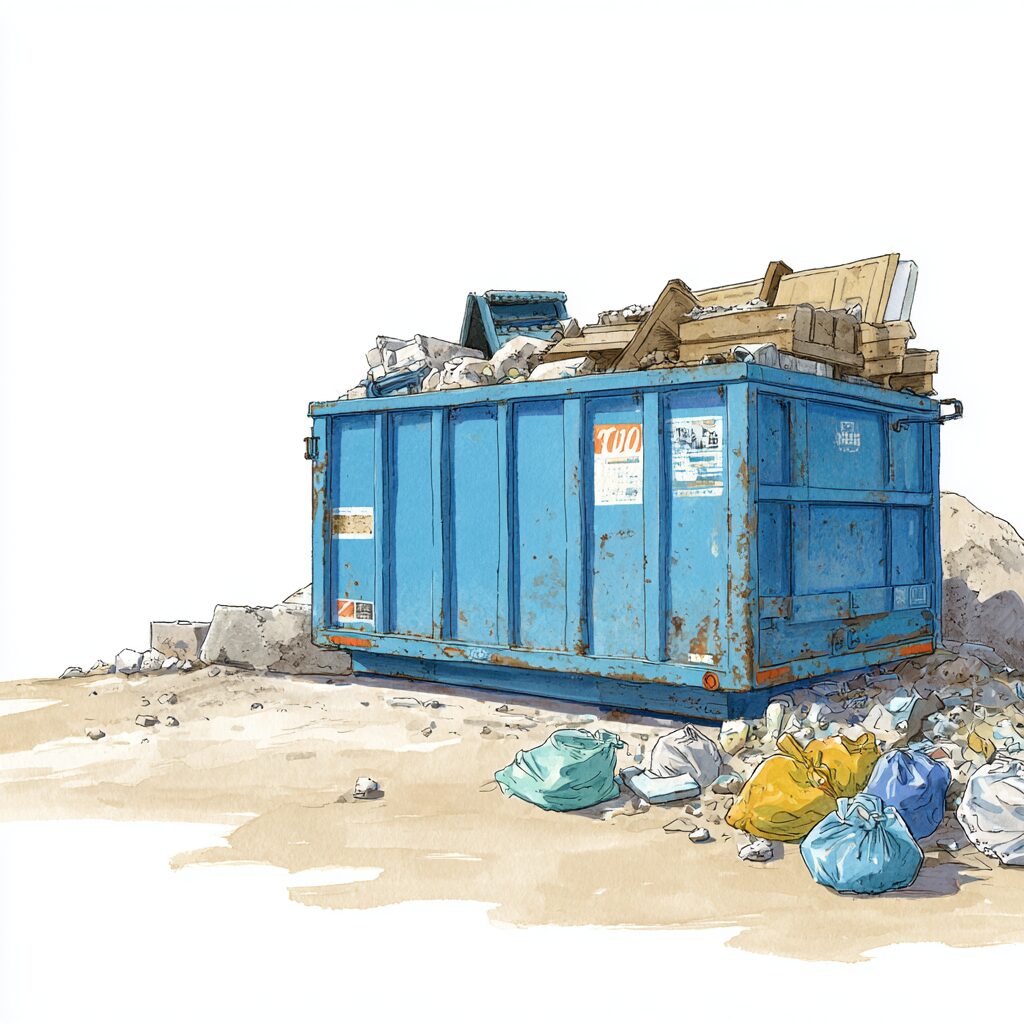
Your rented dumpster just arrived, and now you’re wondering what you can actually throw in it. Understanding disposal rules isn’t just about avoiding fees – it’s about staying safe, protecting your location, and keeping your project running smoothly.
At Prime Dumpster, we’ve coordinated waste disposal for thousands of projects nationwide, and we know the most common disposal questions that arise once containers are on-site. Our quick guide covers what can and can’t go in your rented dumpster.
Here’s a closer look at what’s commonly allowed and what isn’t when loading a rented dumpster. Keep in mind you’ll want to check with your rental provider for the specifics in your situation.
Most construction debris, household waste, and renovation materials are perfectly fine for your rented dumpster. Drywall, lumber, flooring, furniture, and general trash make up the bulk of acceptable items.
Metal fixtures, appliances without refrigerants, and most building materials can go straight in. Clean fill dirt, concrete, and asphalt are usually acceptable, but check weight limits first since these materials are heavy.
Hazardous materials create the biggest problems for dumpster loads. Paint, chemicals, batteries, and automotive fluids require special disposal and can’t mix with general waste streams.
Electronics, tires, and appliances with refrigerants need separate handling due to environmental regulations. These items often have free disposal options through retailers or municipal programs.
Heavy materials like concrete and soil can max out weight limits long before your container looks full. Plan smaller amounts of dense materials to avoid overage charges.
Large items work best when broken down first. Furniture, appliances, and building materials fit more efficiently when disassembled, giving you better value from your rental.
Disposal rules vary significantly by location and facility. What’s acceptable in one area might be prohibited in another, especially for materials like treated lumber or certain roofing materials.
Your rental provider knows local regulations and can guide you through area-specific restrictions. They’ll also coordinate with appropriate disposal facilities to ensure your materials reach the right destination.

Understanding which materials belong in your dumpster rental helps you avoid contamination fees and disposal problems. Smart sorting keeps your project on track while protecting both your budget and the environment.
If you’re not sure, ask your rental provider. Accidentally tossing something you shouldn’t into a dumpster can stop your workflow cold and result in fines and other potential problems.
Smart material management in your rented dumpster protects your project timeline while ensuring safe, compliant disposal that meets all local requirements. Understanding what can and can’t go in your rented dumpster prevents costly delays and keeps your cleanup operations running smoothly.
Contact us for expert guidance on waste disposal rules specific to your location and project type, ensuring your rental experience stays efficient and problem-free from start to finish.
If you are looking for Rented Dumpster Playbook: Loading Strategies and Material Management, Click Here


