Mon - Sat 7:00 am to 7:00 pm


Mon - Sat 7:00 am to 7:00 pm
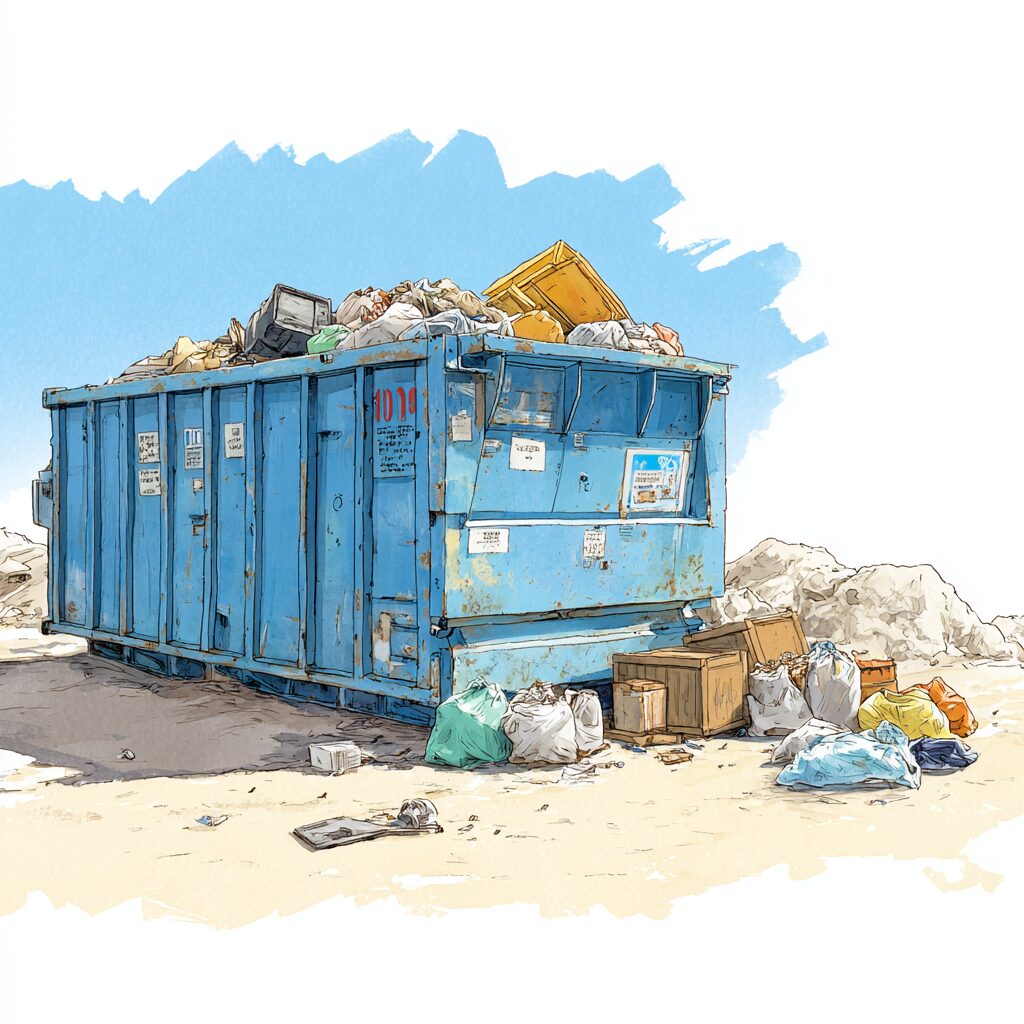
Different materials require different loading approaches to maximize space, ensure safety, and avoid costly disposal problems. Understanding material specific loading for rented dumpsters helps you handle everything from heavy construction debris to delicate household items with professional efficiency.
At Prime Dumpster, we’ve coordinated waste disposal for thousands of projects involving every type of material imaginable, and we know how proper loading techniques vary dramatically based on what you’re throwing away. Our quick guide covers the essential strategies that help you handle different waste streams safely and efficiently.
Here’s a closer look at the proven methods for handling different waste types when loading your rented dumpster. Keep in mind that safety always comes first, and you’ll want to check with your rental provider about weight limits and material restrictions for your specific situation.
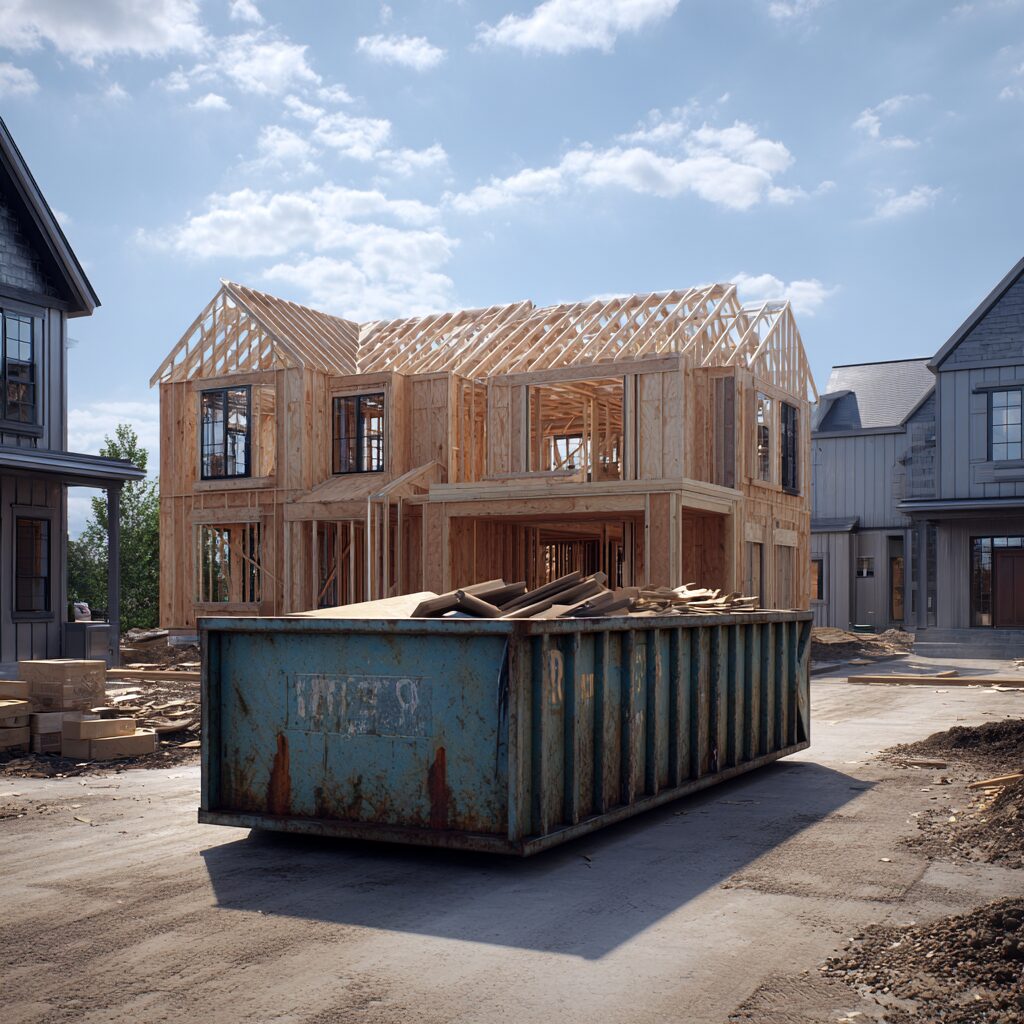
Construction materials like concrete, lumber, and drywall create unique challenges due to their weight and bulk characteristics. Heavy items can quickly exceed weight limits while lighter materials like insulation can blow around during transport, creating safety hazards and load instability.
Strategic layering helps manage these challenges by placing dense materials at the bottom and lighter debris on top for compression. Pre-sorting materials by weight and breaking down large pieces before loading maximizes space utilization while maintaining safe weight distribution throughout the container.
Mixed household items create unpredictable weight distribution and can contain prohibited materials that contaminate entire loads. Furniture, electronics, and personal items often have varying disposal requirements that need careful attention during the loading process.
Systematic sorting before loading prevents contamination issues while strategic placement maximizes available space efficiently. Breaking down furniture, separating recyclables, and checking for prohibited items ensures smooth disposal while protecting against unexpected fees and delays.
Renovation projects generate diverse material streams that combine heavy construction debris with lighter household items in unpredictable combinations. This mixture can create loading challenges where weight limits and space utilization compete against each other throughout the disposal process.
Balanced loading approaches work best by alternating heavy and light materials while maintaining proper weight distribution across the container. Planning disposal phases around material types allows for better organization and prevents overloading issues that can halt project progress.
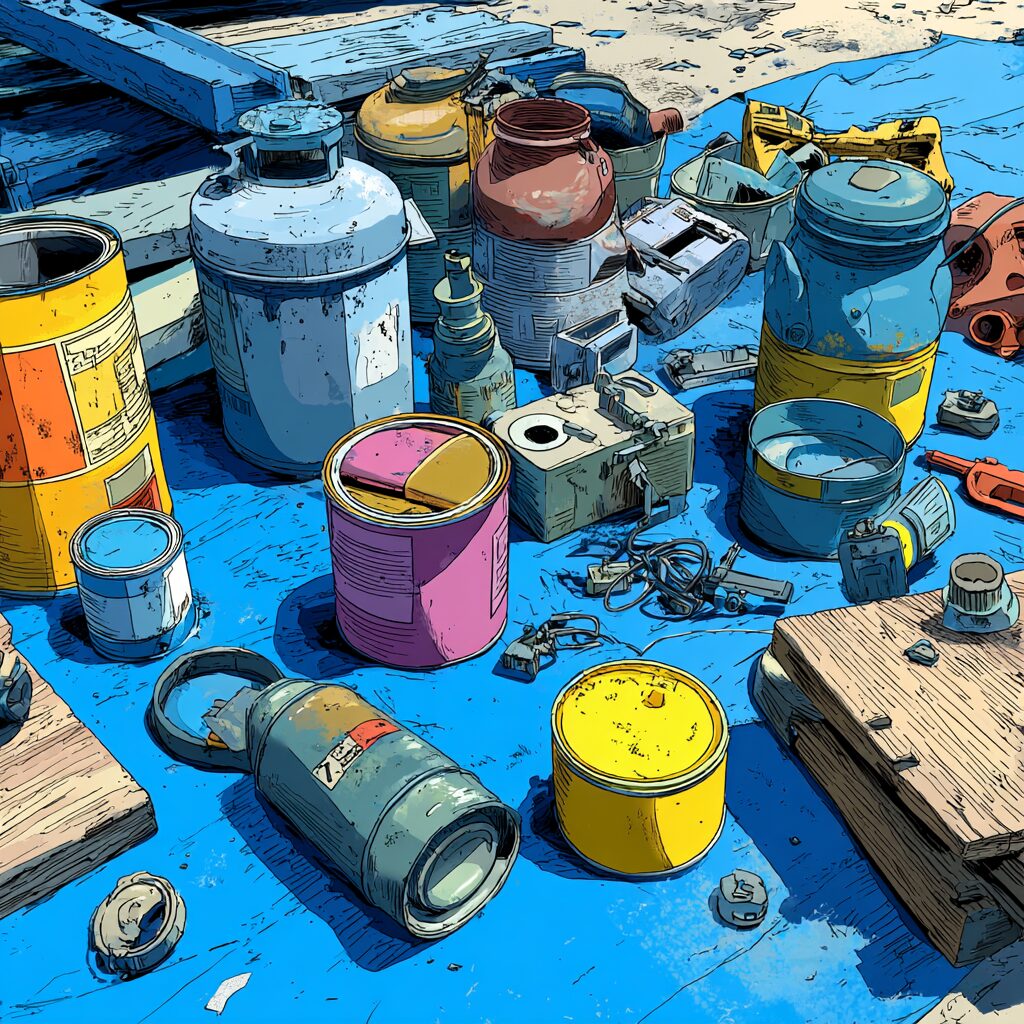
Understanding safe loading practices for different material types helps you avoid contamination fees and disposal problems. Smart material management protects both your project timeline and your rental investment.
If you’re not sure about proper loading techniques for your specific materials, ask your rental provider. Different waste types require different approaches and dumpster sizes, and professional guidance prevents costly mistakes that can derail your entire project.
Effective material specific loading for rented dumpsters ensures safe disposal while maximizing your rental value across all project types. Understanding how different materials behave in containers helps you avoid common pitfalls while maintaining compliance with all safety and disposal requirements.
Contact us for expert guidance on loading strategies specific to your materials and project type, ensuring your waste disposal runs smoothly regardless of what you’re throwing away.
If you are looking for Tips for Managing Access to Rented Trash Dumpsters, Click Here


