Mon - Sat 7:00 am to 7:00 pm


Mon - Sat 7:00 am to 7:00 pm
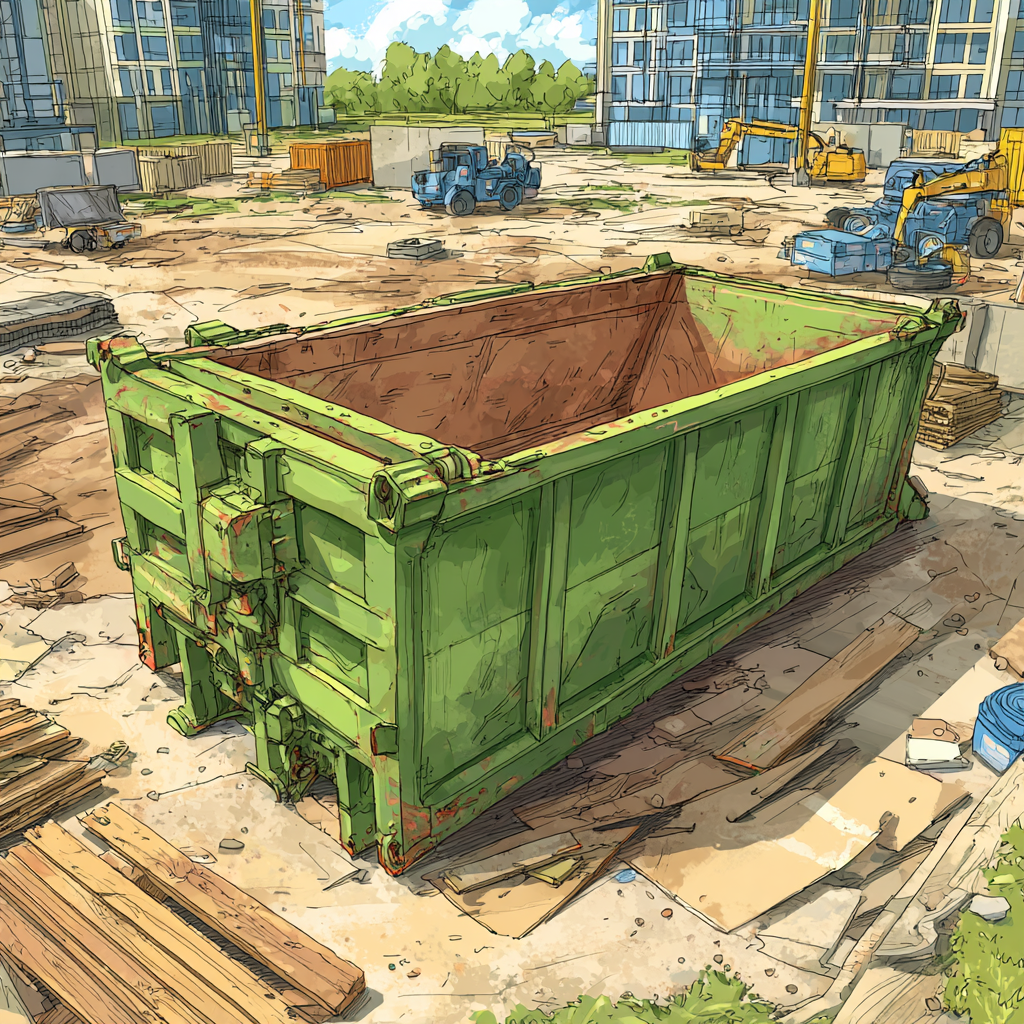
You’ve managed a construction site or a major event before. You know your way around a roll-off container. So why do those extra charges still pop up on your final bill?
Those surprise costs are what we call dumpster rental fees. They typically kick in when you go beyond your original agreement. Think overfilled bins, extra rental days, or tossing in items that need special handling.
Understanding these potential add-ons is crucial. It turns your project budget from a rough guess into a solid plan. No more frustrating surprises that can throw your entire timeline off track.
At Prime Dumpster, we’ve created the following guide for pros like you, where we break down the main factors that influence your final cost. More importantly, we give you practical ways to manage each one.
Here’s your in-depth look at dumpster rental fees explained:
| Type of Potential Fee | Strategy to Prevent or Reduce It |
| Weight overage charges | Mix heavy and light materials; break up concrete and dense debris |
| Overfilling penalties | Monitor fill line closely; schedule pickup before reaching capacity |
| Extended rental fees | Build buffer days into initial rental period rather than extending |
| Trip fees for blocked access | Clear delivery path and ensure site accessibility before arrival |
| Prohibited material charges | Review restricted items list; separate electronics and hazardous waste |
| Additional pickup costs | Coordinate single pickup when container is properly loaded and accessible |
Let’s explore the detailed strategies that transform these potential fees from budget surprises into manageable, preventable expenses.
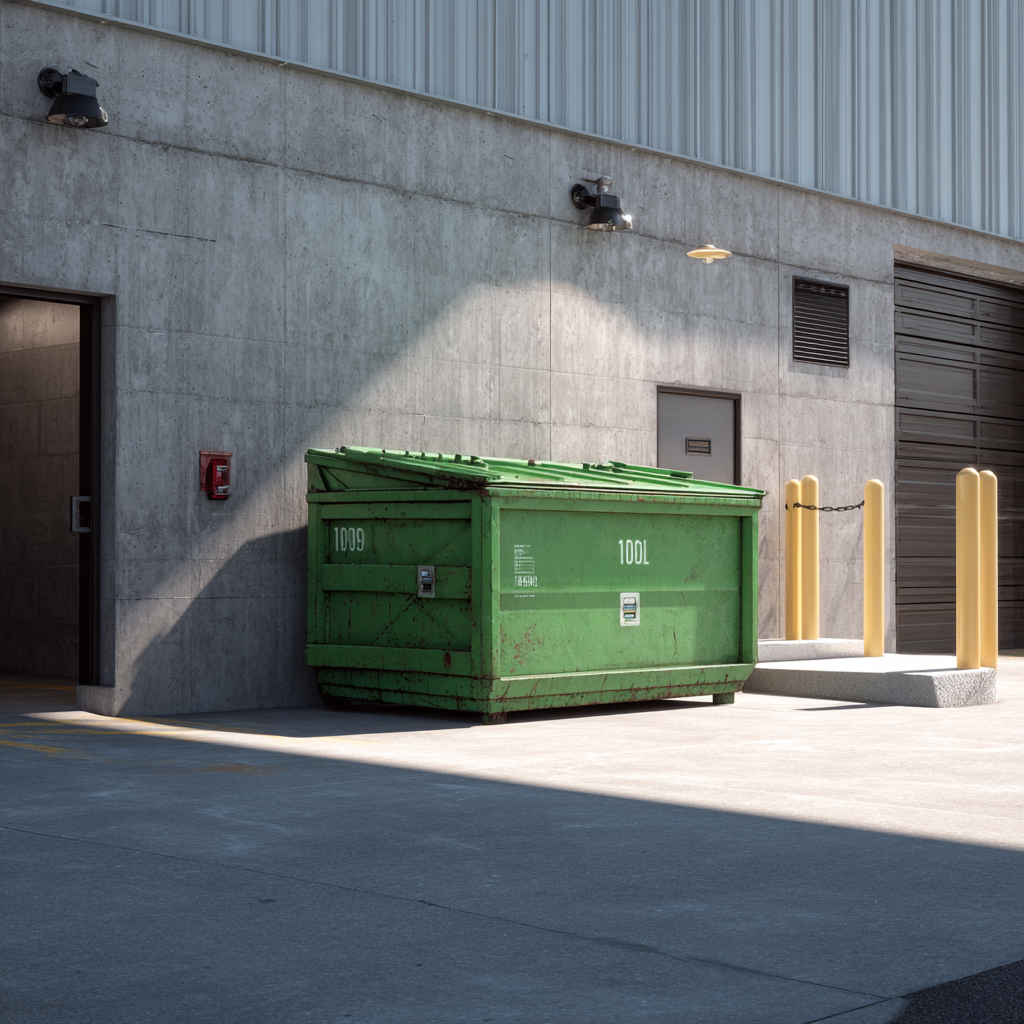
The final price tag on your container service isn’t just about the box itself. Multiple elements combine to create your total cost. Understanding these helps you budget accurately.
Your project’s scale directly determines which charges apply. A small office cleanout generates minimal weight. But a major demolition needs multiple pickups.
The type of work dictates your base rate. It also determines which extra fees become relevant. Heavy materials like concrete reach weight limits quickly.
Geography plays a big role in disposal costs. Urban areas often have different fee structures than rural locations. Landfill proximity affects pricing.
Material type dramatically changes your cost equation. Disposal facilities charge differently based on what you’re tossing. Some waste streams need special processing.
Conduct a waste audit before booking. Identify material types and volumes for accurate projections. This helps you select the appropriate container size.
Understanding local market patterns helps you spot hidden charges. It also ensures you get transparent pricing for your specific needs.
Your waste management costs hinge largely on picking the appropriate container dimensions. Getting this right prevents budget surprises.
Different projects need different capacities. The goal is to match your waste volume to the container size.
| Container Size | Best For | Considerations |
| 10-yard | Single room renovations, small cleanouts | Compact but fills quickly with heavy materials |
| 15-yard | Garage cleanouts, moderate projects | Middle ground for flexibility |
| 20-yard | Kitchen remodels, roofing work | Handles most standard renovation debris |
| 30-yard | Whole-house projects, commercial cleanouts | Ideal for substantial demolition work |
| 40-yard | Major construction sites, large operations | Maximum capacity for continuous waste generation |
Smaller containers work perfectly for focused jobs. A 10-yard unit suits bathroom remodels or basement cleanouts.
The 15-yard size offers that sweet spot. It provides extra space without paying for unused capacity.
Bigger projects demand larger containers. A 20-yard dumpster handles most whole-house renovations comfortably.
For major demolition or commercial work, consider 30 or 40-yard sizes. These accommodate continuous waste flow.
Measure your debris pile before ordering. Consult your provider about your specific project details for the best fit.
Two factors often catch experienced project managers by surprise: how long you keep the container and how much it weighs. These elements directly impact your final bill more than you might expect.
Getting these right means the difference between staying on budget and facing unexpected charges.
Every container comes with a specific weight limit that’s included in your base rate. This tonnage allowance reflects what disposal facilities can safely handle.
Exceed this limit, and you’ll face additional charges per ton. Heavy materials like concrete or dirt reach these thresholds quickly.
Request detailed weight limit information when comparing quotes. Different providers offer varying allowances.
Estimate your material weight before delivery using online calculators. Consider separating heavy items into dedicated containers to avoid pushing past your limit.
Standard rental periods typically run five days, but your project timeline should drive this decision. Don’t just accept default terms.
Daily extension fees add up quickly when you underestimate your time needs. Plan your schedule accurately from the start.
Build buffer days into your rental period rather than cutting it close. The cost of extra included days usually beats premium extension rates.
Schedule pickup for the day after your expected completion. This gives you flexibility without triggering additional fees.
Even the most carefully planned project can face unexpected costs when it comes to waste removal. Being aware of these potential add-ons is your first line of defense.
Overfilling your container is a major culprit for extra charges. When debris piles above the fill line, it creates a safety hazard. The driver cannot legally transport it.
This situation triggers a trip fee. The company charges for the driver’s time and fuel, even though the job wasn’t completed. You might even need a second container.
Delivery and pickup can also hide surprises. Some companies advertise a low base price but add separate transportation fees. These are often based on your distance from their facility.
Trip fees also apply if the driver arrives and finds blocked access. Wait fees start if the driver is stuck waiting for you to clear a path.
Here are practical ways to avoid these extra costs:

Strategic placement and loading methods turn your waste container into a cost-saving asset rather than an expense. Smart professionals know that controlling these elements keeps projects on budget.
| Strategy | Cost Impact | Implementation Tip |
| Efficient Loading | Reduces container size needs | Break down large items first |
| Proper Placement | Avoids access fees | Choose level, solid ground |
| Weather Protection | Prevents weight overages | Use waterproof tarps |
| Timing Alignment | Eliminates idle days | Schedule with active work phase |
Always get multiple quotes before you commit. This establishes fair market rates for your area. Compare what’s included in each offer.
Budget an extra amount beyond your initial quote. Projects often generate more debris than expected. This cushion prevents budget stress.
Plan your workflow to maximize container use. Consolidate waste generation during your rental period. This approach saves time and money.
You’re now armed with the complete playbook for managing waste disposal costs like a seasoned pro. Fee structures, weight limits, and potential add-ons no longer hold mystery or surprise – they’re simply elements you can control and optimize to keep projects profitable and on schedule. Smart cost management becomes your competitive advantage, protecting budgets while ensuring efficient disposal that meets every requirement.
Prime Dumpster’s transparent pricing and nationwide expertise delivers far more than just a metal container – you gain professional partners who’ve mastered the art of predictable waste management. Experienced managers choose providers who eliminate surprises, optimize value, and support project success rather than complicate it. Contact our team for your next project and discover how true professionals handle waste disposal with precision, transparency, and results that exceed expectations.
If you are looking for Rented Trash Dumpster Playbook: Delivery Day and Beyond, Click Here


