Mon - Sat 7:00 am to 7:00 pm


Mon - Sat 7:00 am to 7:00 pm

Equipment malfunctions happen even with the best planning. Discovering a problem with a rented porta potty during your event or construction project creates immediate stress. Overflowing tanks, broken door latches, or foul odors demand quick responses that keep operations running smoothly.
Understanding how to handle a problem with a rented porta potty means knowing which issues you can address yourself versus when to call professionals immediately. At Prime Dumpster, we’ve guided thousands of customers through every type of porta potty challenge nationwide. Our comprehensive troubleshooting guide walks you through daily monitoring routines, simple fixes you can safely handle, and critical situations requiring emergency service calls.
Master these common problem scenarios to keep your porta potty rentals functional from delivery through final pickup.
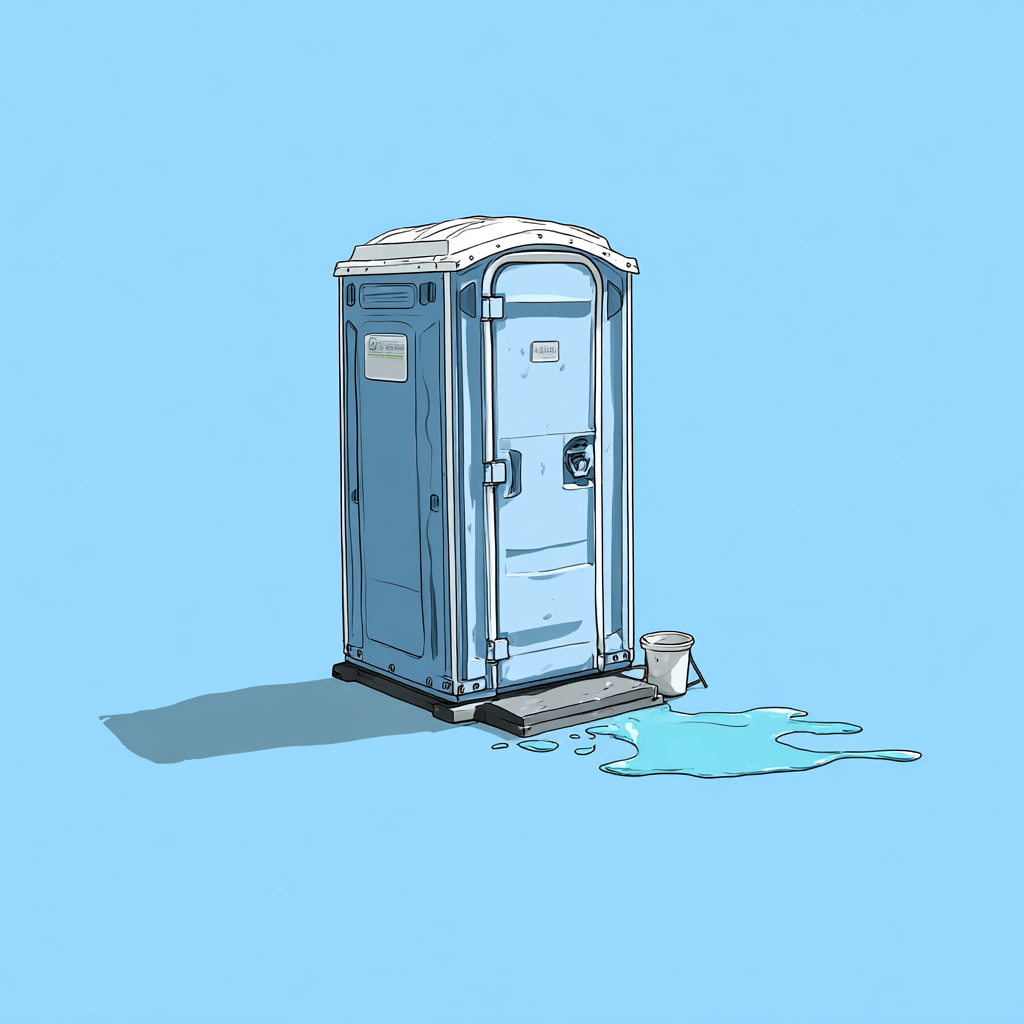
Many renters, especially first-time renters, are unsure which maintenance tasks they can handle and which they should leave to professionals.
Your part is straightforward. You ensure the units remain accessible and are used properly by guests or workers.
Think of it as a team effort. The rental company’s crew handles all heavy lifting. This includes scheduled servicing, waste pumping, and major repairs.
Your job involves daily monitoring. You can safely perform a few basic actions.
Leave the complex work to the experts. Never attempt to pump tanks, fix structural damage, or adjust chemical systems.
Professional crews have specialized training and equipment you lack. Attempting a do-it-yourself fix can void your agreement and increase liability. When in doubt, make the call.
A simple daily inspection routine transforms rental management from reactive to proactive. Consistent monitoring helps you catch small concerns before they escalate.
Set up quick daily checks for multi-day events or construction projects. This takes just minutes per unit but provides valuable insights.
Create a basic checklist or use your phone to track inspections. You’ll spot usage patterns and identify which facilities need more attention.
| Inspection Frequency | Best For | Key Focus Areas | Time Required |
| Daily | Multi-day events | Supplies, waste levels, damage | 2-3 minutes per unit |
| Twice Daily | High-traffic locations | Peak usage times, overflow risk | Quick visual scan |
| Weekly | Long-term projects | Structural integrity, ventilation | 5 minutes per unit |
During your checks, look for approaching capacity in waste tanks. Monitor toilet paper and sanitizer supplies.
Check for visible damage to doors or walls. Unusual odors may indicate ventilation or chemical balance issues.
Examine the area around each unit for damp ground or pooling liquid. Clear vent pipes to prevent odor buildup.
Early detection means simpler fixes and prevents disruptions to your event or worksite.
Smart renters understand the difference between a quick fix and a professional job. Knowing what you can handle keeps your event or worksite running smoothly.
Always have your rental company’s contact details ready. This includes weekend and after-hours numbers.
You can safely manage a few basic tasks. Keep a small maintenance kit on hand for these moments.
Restock toilet paper if supplies are available. Prop the door open briefly for ventilation between busy periods.
Wipe down dirty handles with basic cleaners. Post a temporary “out of order” sign if something seems off.
Remember, deep cleaning is not your job. Leave that to the trained crews.
Some situations demand expert help immediately. Never attempt repairs on the waste tank or chemical systems.
Structural damage or mechanical failures also require a professional service call. Your safety is the top priority.
Before you call, take a quick photo of the issue. This helps the maintenance team arrive fully prepared.
Calling for help shows you are a responsible renter. Companies appreciate early contact to prevent bigger issues.
Even the most reliable sanitation unit can face a few common hiccups during heavy use. Knowing what to look for and how to react keeps your site or event running smoothly.
We will guide you through identifying these situations and taking the right steps.
An overfilled waste tank is hard to miss. Strong odors and visible waste level near the top signal an urgent need for professional pumping.
Prevent this by tracking user numbers. Schedule waste removal service before tanks reach capacity.
Leaks and cracks pose a hygiene risk. Look for damp ground around the base or damage to walls.
These issues require a professional repair crew. Do not attempt fixes yourself.
A broken door latch leads to an embarrassing moment. Constant use can wear out the mechanism.
Report faulty hardware to your rental company immediately. They can quickly replace it.
If a unit becomes excessively soiled, call for an emergency cleaning. Do not handle deep cleaning without proper gear.
Running out of toilet paper causes frustration. While you can restock if supplies are on hand, frequent shortages mean you need more units or more frequent service.
| Common Issue | What to Look For | Your Immediate Action |
| Overfilled Tank | Strong odor, waste near top | Call for immediate pumping service |
| Leak or Crack | Damp spot, visible damage | Report for professional repair |
| Faulty Door Latch | Door won’t stay closed | Contact company for hardware replacement |
| Excessive Soiling | Heavy dirt on floors/walls | Request professional cleaning service |
| Paper Shortage | Empty dispensers | Restock if possible; review service schedule |
Mother Nature can throw some curveballs at your outdoor sanitation setup. Environmental factors directly impact user comfort and unit functionality throughout your rental period.
Proper planning helps you stay ahead of weather-related issues. Let’s explore how to manage these challenges effectively.
Summer heat can turn portable toilets into uncomfortable spaces. High temperatures intensify odors and accelerate chemical breakdown in waste tanks.
Position units in shaded areas whenever possible. Schedule more frequent servicing during heat waves to maintain optimal conditions.
Ventilation plays a crucial role in user experience. Blocked vent pipes trap odors inside, creating stale air that discourages usage.
Ensure vent pipes remain clear of obstructions. Battery-operated fans can improve air circulation during peak usage times.
Chemical balance requires special attention in extreme weather. Too little chemical means poor odor control, while imbalances occur faster in hot conditions.
Contact your rental company if odors persist despite regular service. They can adjust chemical levels professionally.
Freezing temperatures present different challenges. Chemicals and water in handwashing stations can freeze solid during winter events.
High winds threaten unit stability on construction sites. Improperly secured facilities can tip over, causing damage and safety hazards.
Verify that your rental company properly anchors all units. Position them in protected areas away from strong wind exposure.
Harsh weather accelerates wear and tear on temporary facilities. Protective covers help minimize sun damage and extend unit lifespan.
Remember that extreme conditions often require professional intervention. Don’t hesitate to request additional service during unusual weather patterns.
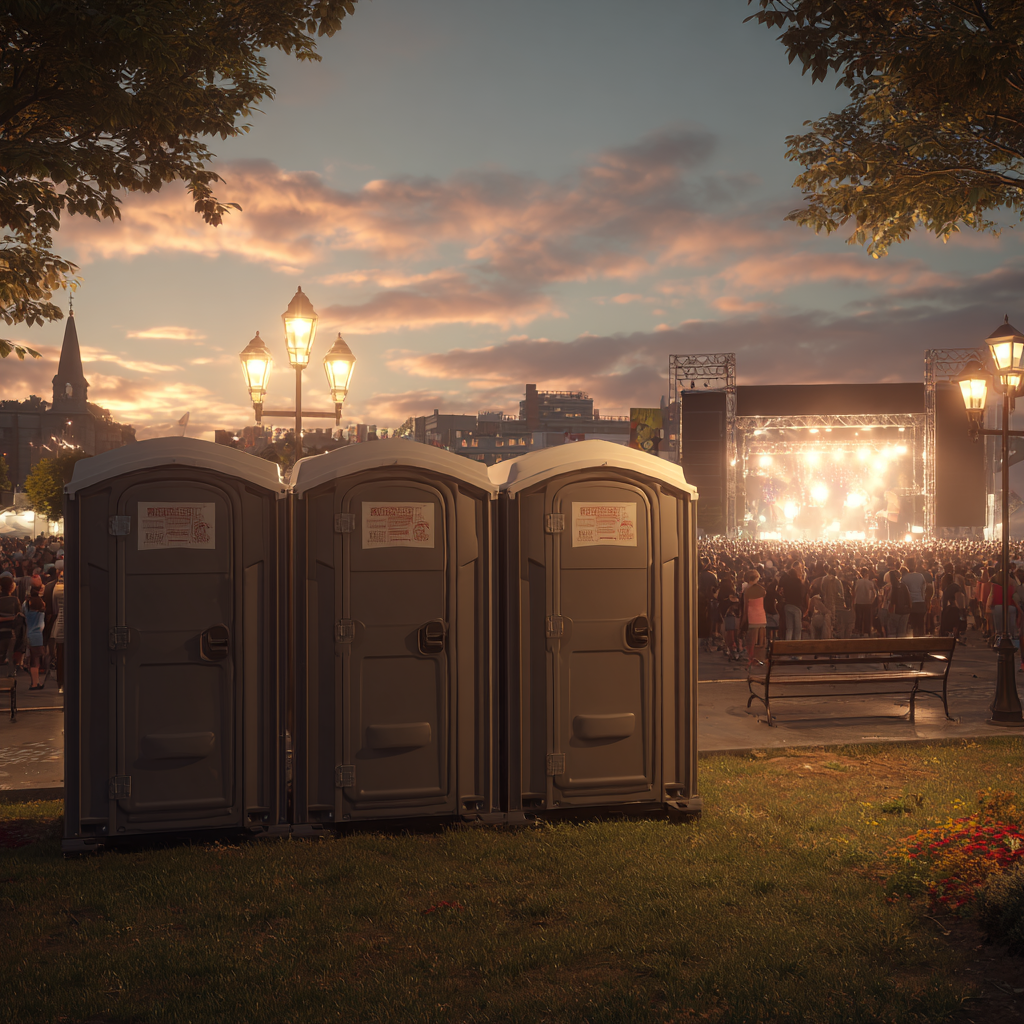
Where you position your mobile restrooms can make or break the comfort level at your gathering or job site. Smart placement prevents issues before they start.
Select level, firm ground away from slopes or flood zones. This prevents tipping and maintains stability throughout your rental period.
Position facilities close to high-traffic areas but with appropriate separation from food service spaces. Workers and guests should find them easily without long walks.
| Placement Factor | Ideal Condition | What to Avoid | Why It Matters |
| Ground Surface | Level, firm, dry land | Slopes, mud, flood areas | Prevents tipping and instability |
| Accessibility | Visible, easy to reach | Hidden, distant locations | Reduces wait times and frustration |
| Traffic Flow | Clear pathways, no bottlenecks | Blocking entrances or work zones | Maintains smooth operations |
| Lighting | Well-lit for evening use | Dark, unsafe areas | Ensures user safety and comfort |
Post simple signs reminding people about proper usage. Clear instructions prevent clogs and maintain facility cleanliness.
Ensure you have adequate units for your attendance numbers. Overcrowding leads to quick capacity issues and user dissatisfaction.
Consult your rental company for specific placement recommendations. Their experience helps optimize location based on your site layout and local regulations.
Successfully managing a problem with a rented porta potty comes down to three fundamentals:
Simple fixes like restocking supplies stay within renter scope while waste pumping, structural repairs, and chemical adjustments always require professional intervention.
Need rental partners who provide responsive emergency support when problems arise? Prime Dumpster offers 24/7 contact lines, rapid response protocols, and the nationwide expertise to resolve porta potty issues quickly whether you’re managing construction sites, coordinating events, or overseeing long-term projects. Contact us for portable restroom solutions backed by professional support that keeps your operations running smoothly even when unexpected challenges emerge.
If you are looking for Q&A with the Prime Dumpster Pros: Porta Potty Event Timeline Coordination, Click Here


