Mon - Sat 7:00 am to 7:00 pm


Mon - Sat 7:00 am to 7:00 pm
Planning for 2026? You’re not alone—construction schedules are filling up fast, and smart project managers are already securing their waste management strategies. From billion-dollar infrastructure overhauls to local business renovations, successful operations depend on one critical factor: efficient debris disposal.
Government contracts, commercial development, and large-scale events are all competing for the same disposal resources during what’s shaping up to be a busy year in construction.
At Prime Dumpster, we’ve tracked booking patterns and project forecasts nationwide to understand who’s driving this demand. Whether you’re coordinating federal infrastructure work or managing a commercial renovation, understanding these industry trends helps you plan smarter. Here’s a look at dumpster rentals for 2026 projects.
Understanding these industry-specific applications helps you plan dumpster size selection and booking timing for maximum project efficiency.
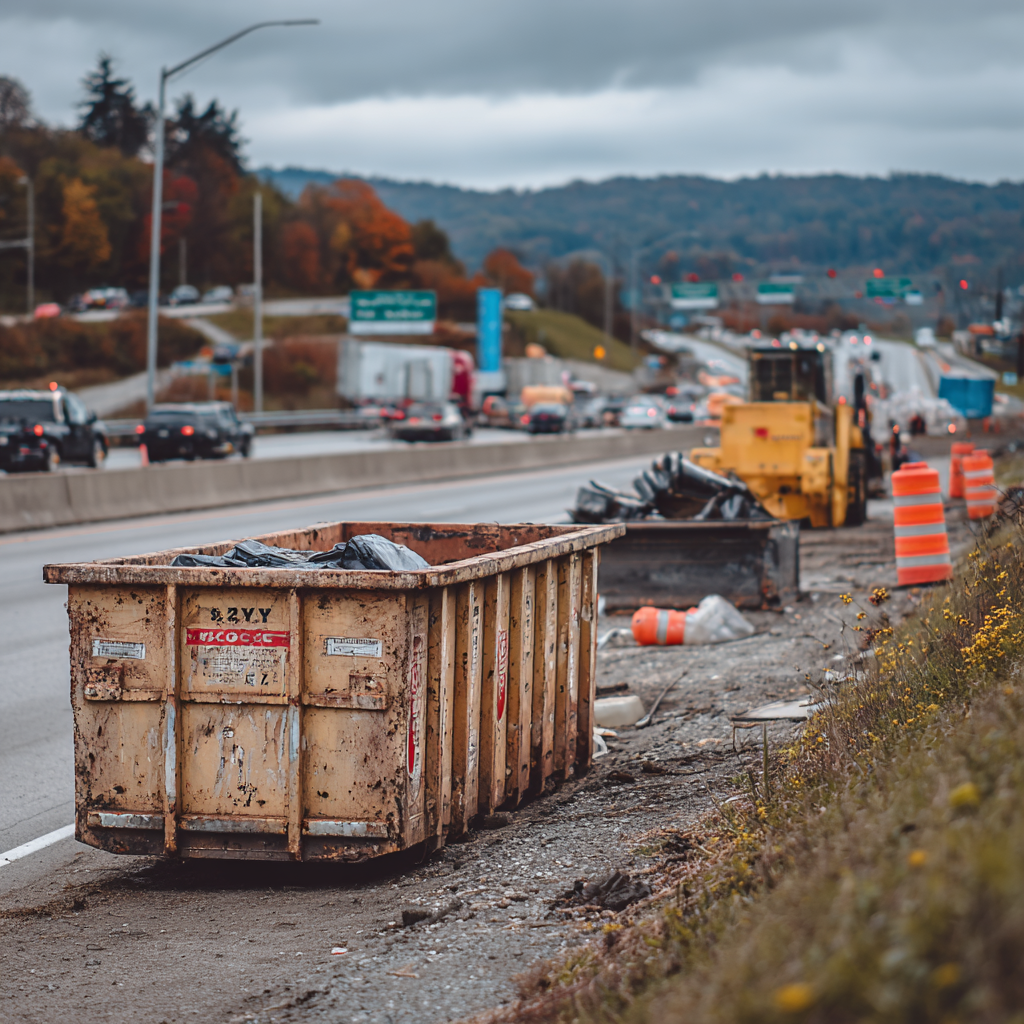
America’s infrastructure will likely experience slow but steady growth in 2026, and with it comes a mountain of materials to manage. Roadway improvements, bridge renovations, and utility expansions are all on the docket. These large-scale public works generate substantial amounts of heavy construction debris.
Understanding dumpster rental trends is the best way to keep these complex operations on schedule. That’s where roll-off containers become the backbone of site management.
These large containers offer centralized waste collection. This keeps work zones safer and compliant with regulations. It significantly reduces the risk of accidents and costly delays.
Flexible rental periods are another huge plus. They align perfectly with multi-phase construction timelines. This allows crews to maintain a clean site from start to finish without interruption.
Heavy materials like concrete, asphalt, and metal debris require 10-yard containers to avoid exceeding weight limits that trigger costly overage fees. These compact units prevent overloading while providing safe, manageable loading heights for dense construction materials that can quickly max out weight allowances.
Larger 20-, 30-, and 40-yard containers handle bulky but lighter infrastructure debris, such as damaged guardrails, signage, packaging materials, and general construction waste. These high-capacity units work perfectly for project phases involving site preparation, material staging, and cleanup operations where volume capacity matters more than weight density.
Government contracts represent a major segment of the construction landscape with unique disposal requirements. Public sector work operates under tighter scrutiny and stricter compliance standards than private projects. This demands waste management solutions that can handle both volume and paperwork.
The rental process for these initiatives often involves specialized teams who understand government procurement. They help agencies select the right container size and rental period to avoid unnecessary fees. Expert advice during planning stages ensures smooth project execution from start to finish.
Public works are seeing new emphasis on documentation and sustainability reporting. Agencies now track material diversion from landfills more carefully. They require detailed records of disposal methods to satisfy transparency requirements.
Municipal cleanup programs and disaster response efforts need flexible solutions. The ability to scale disposal services up or down helps manage taxpayer dollars effectively. This approach maintains clean, safe public spaces during renovation work.
Government contractors value working with waste service providers who navigate complex compliance needs. These partnerships ensure projects meet all environmental standards while staying on schedule. It is a teamwork approach that benefits entire communities.
From retail centers to office buildings, commercial development is experiencing unprecedented growth this year. Business districts nationwide are expanding as entrepreneurs and corporations alike invest in new spaces.
This surge creates substantial waste management needs. Smart developers understand that efficient disposal keeps projects moving smoothly.
Commercial operations rely on these services from start to finish. Restaurants, retail stores, and landscapers all need reliable solutions for their business waste.
These containers handle everything from demolition debris to construction materials. They keep work zones organized and professional-looking throughout each phase.
The versatility of rental options allows perfect matching to project needs. This approach maintains clean, safe environments for work crews.
For commercial projects involving heavy materials like concrete floors, tile removal, or structural demolition, 10-yard containers are essential to avoid weight limit violations and costly overage fees. These compact units also work perfectly for smaller business cleanouts, office renovations, and retail space updates where space is limited but debris density is manageable.
Medium-capacity 20 and 30-yard containers handle substantial commercial remodeling projects, restaurant buildouts, and multi-room office renovations involving lighter construction materials. Large 40-yard units serve major commercial construction, complete facility overhauls, and warehouse cleanouts where volume capacity becomes the primary concern over weight restrictions.
From music festivals to community fairs, the event scene is experiencing a remarkable resurgence that demands smart planning. Crowds are returning in full force, creating both excitement and logistical challenges for organizers.
Professional planners know that successful events require seamless cleanup operations. Strategic waste management keeps venues safe and beautiful throughout each gathering.
Large events deploy multiple containers across venues for efficient debris collection. Fifteen-yard and twenty-yard units often work perfectly for balancing capacity with accessibility.
These roll-off containers handle diverse waste streams from food service to decorations. Proper placement prevents overflow and maintains clear attendee pathways.
Delivery requires about 60 feet of straight-line space with 23 feet overhead clearance. Services coordinate pickup when containers reach capacity, ensuring timely removal.
Effective cleanup protects organizers from environmental violations and maintains community goodwill. It also supports sustainability goals that attendees now expect.
Flexible rental service allows containers to arrive before setup and depart after cleanup. This approach minimizes costs while ensuring adequate capacity.
Whether you’re planning a weekend festival or multi-day convention, reliable waste service eliminates questions about post-event restoration. Crews work more efficiently with properly sized equipment.
Modern project management requires integrating disposal solutions directly into the planning phase rather than treating them as secondary concerns. This strategic approach prevents costly disruptions.
The industry is shifting toward transparent pricing and flexible terms. Clients now expect consultative partnerships instead of simple transactions.
Specialized teams help match container capacity to actual project scope. This prevents overpaying for unused space or facing capacity shortages.
Forward-thinking professionals request quotes during early planning stages. This allows comparison shopping and secures capacity during peak seasons.
The right equipment selection affects multiple project aspects. Proper sizing prevents work stoppages and controls costs effectively.
| Project Type | Recommended Size | Primary Benefits | Ideal Applications |
| Major Renovation | 30-40 yard | High capacity, fewer exchanges | Whole-building updates, large demolitions |
| Commercial Remodel | 20-30 yard | Balanced space and accessibility | Store renovations, office updates |
| Targeted Cleanup | 10-15 yard | Space efficiency, cost control | Office clearouts, landscaping projects, heavy materials |
Whether you’re managing a complex construction timeline or a single commercial update, strategic waste planning ensures smooth operations from start to finish.
The professionals leading successful dumpster rentals for 2026 projects treat waste management as a strategic advantage, not an afterthought. Smart project managers book early, size containers accurately, and partner with providers who understand their industry’s unique demands—avoiding the delays and budget overruns that plague unprepared projects.
At Prime Dumpster, we combines enterprise-scale logistics with neighborhood expertise, helping ensure your 2026 projects stay on schedule regardless of scope or location. Contact us to secure your waste management capacity before peak season demand makes availability scarce.
If you are looking for Complete Trash Dumpster Rental Playbook, Click Here


