Mon - Sat 7:00 am to 7:00 pm


Mon - Sat 7:00 am to 7:00 pm

Rising costs are hitting every aspect of construction and event planning. Smart professionals know the best strategies to save money when renting dumpsters in 2026 start with understanding what’s driving prices up and how to work around those challenges.
Fuel costs, labor shortages, and new regulations are pushing disposal rates higher than ever. But the professionals who plan ahead, choose containers strategically, and negotiate smartly will control their waste management budgets while others pay premium rates.
At Prime Dumpster, we’ve tracked pricing trends nationwide to identify the cost-saving opportunities that matter most. Our guide covers container sizing, timing strategies, and fee avoidance tactics that keep your projects profitable even when market conditions get tough.
Whether you’re managing construction sites or coordinating events, the right approach to waste management can become a competitive advantage instead of just another expense line item.
Industry leaders preparing for 2026 projects should prepare for potential shifts in disposal service pricing. Several factors will influence what you pay for container rentals.
Fuel costs and labor shortages continue to drive up base rates. Supply chain issues make equipment availability unpredictable.
Booking your rental service well in advance becomes more critical. This ensures you secure favorable rates before peak demand periods.
Inflation affects disposal fees at landfills significantly. Companies pass these increased charges directly to customers.
| Season | Demand Level | Price Impact | Booking Advice |
| Spring | High | Premium Rates | Book 4-6 weeks ahead |
| Summer | Peak | Highest Charges | Secure dates 2 months early |
| Fall | Moderate | Average Cost | 2-3 week lead time sufficient |
| Winter | Low | Best Rates | Flexible scheduling available |
New environmental regulations take effect in 2026. These affect disposal methods for construction debris specifically.
Urban areas face stricter permitting requirements. This adds time delays and potential fees to your overall cost.
Rental companies adjust pricing models dynamically. Real-time demand now influences final charges more than ever.
Regional variations remain significant due to local rules. Competitive landscapes differ across metropolitan areas.
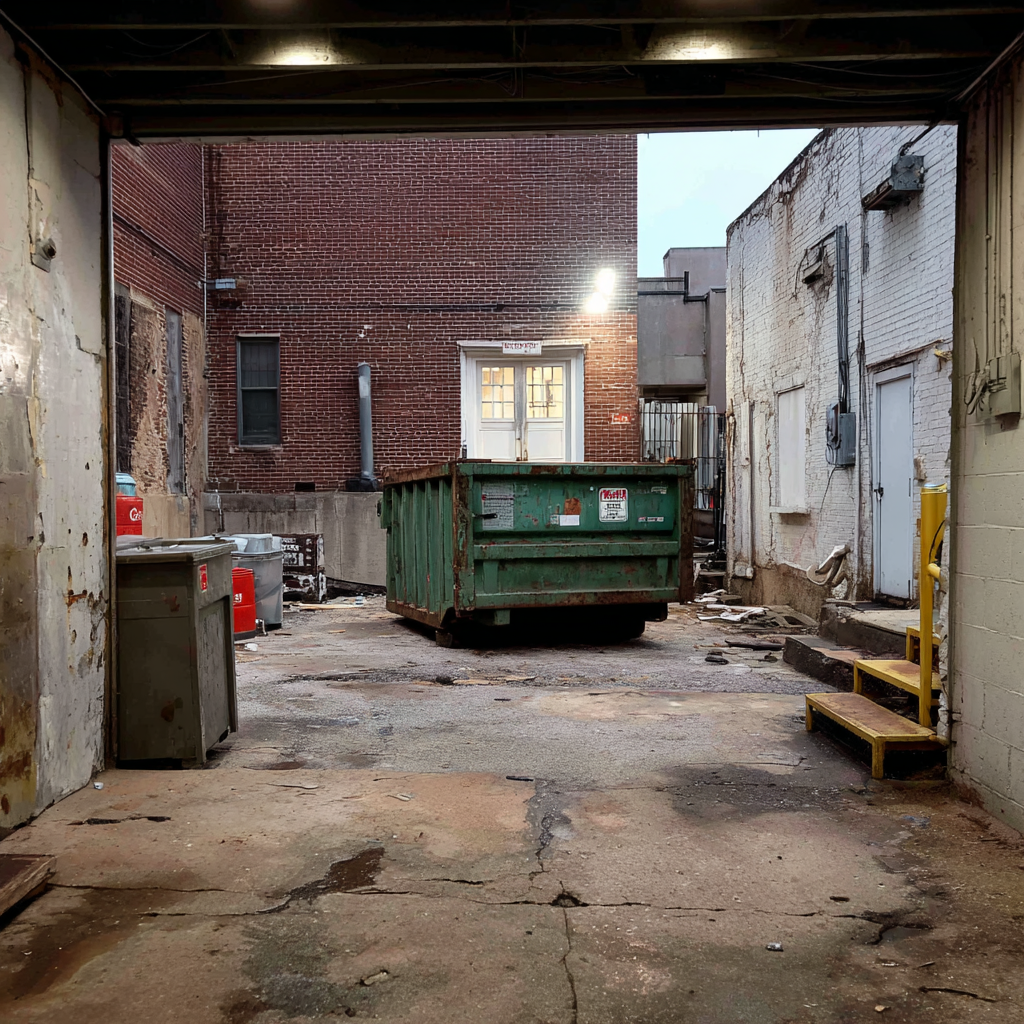
Picking the perfect container for your job site can feel like a guessing game, but it doesn’t have to be. We’ll help you match your needs to the ideal capacity.
Rolloff dumpsters come in five main sizes. Each serves different project types and waste volumes.
Think of cubic yards in practical terms. A standard pickup truck holds about 2.5 cubic yards of material.
| Size | Dimensions | Truck Loads | Best For |
| 10-yard | 13′ x 8′ x 3.5′ | 4 loads | Small cleanouts, bathroom remodels |
| 15-yard | 16′ x 8′ x 4′ | 6 loads | Kitchen renovations, garage cleanouts |
| 20-yard | 22′ x 8′ x 3.5′ | 8 loads | Roofing jobs, small construction |
| 30-yard | 22′ x 8′ x 5′ | 12 loads | Major renovations, construction sites |
| 40-yard | 22′ x 8′ x 7′ | 16 loads | Demolition, commercial projects |
Choosing the wrong dumpster size leads to two problems. You either pay for empty space or face overflow fees.
Estimate your debris volume carefully. Construction debris fills space differently than light trash.
Heavy materials like concrete need smaller containers due to weight limits. Light materials can fill larger units completely.
Remember that proper sizing balances rental costs against labor efficiency. It’s the foundation of smart project planning.

The real cost of waste management often hides in the details of service agreements. Many professionals discover unexpected charges only after receiving their final bill.
We will show you how to spot potential fee triggers before they impact your budget. These strategies work for both one-time projects and ongoing needs.
Estimate your project timeline realistically, then add one or two buffer days. This prevents expensive daily extensions.
Document everything from the empty container to final pickup. Photos can protect against disputed charges.
Ask about prepayment discounts or bundled service packages. These options can significantly reduce your overall cost.
Beyond just choosing the right container size, timing and organization play crucial roles in controlling disposal expenses. We will explore advanced tactics that professionals use to maximize their investment.
Smart scheduling makes a significant difference in your overall costs. Book your dumpster rental during midweek days rather than weekends.
Off-season months like winter often offer better rates. Construction projects should reserve containers 4-6 weeks in advance.
Event planners can typically book 2-3 weeks ahead. Coordinate with your team to concentrate waste generation during the rental period.
This prevents paying for idle containers between work stages. Proper planning ensures equipment availability during high-demand periods.
Strategic loading techniques can dramatically increase your container’s capacity. Break down large items and stack materials efficiently.
Distribute weight evenly to avoid overage fees. Consider these space-saving approaches:
Collaborative rentals present excellent opportunities. Multiple contractors on nearby job sites can share containers and split costs.
Homeowners undertaking similar renovations might pool resources. This approach leads to substantial savings for all parties involved.
Professionals managing construction and cleanup projects must adapt to evolving service constraints. New regulations and operational challenges require strategic approaches to waste management.
Weight limits vary significantly by container size. Heavy materials like concrete or dirt can trigger overweight charges even in partially filled units.
Separate dense debris from lighter trash to optimize your load. Understand per-ton pricing structures before loading begins. This prevents unexpected penalties at pickup time.
Distribute materials evenly throughout the container. Proper weight management saves you from costly surcharges.
Driver shortages create limited delivery windows. Plan around these constraints by scheduling well in advance.
Urban areas face strict placement regulations. Always confirm local permitting requirements before ordering your container.
Place bins on flat, solid surfaces to prevent damage. Avoid blocking sidewalks or public access points. These simple steps help you avoid fines and service delays.
Work closely with your rental company to navigate traffic restrictions. Build contingency plans for weather-related disruptions.
The professionals who successfully save money when renting dumpsters in 2026 share one approach: they treat waste management as a strategic business decision, not just an operational necessity. Smart container sizing, advance booking, and relationship building with reliable providers create consistent savings that add up across multiple projects.
At Prime Dumpster, we combine competitive pricing with industry expertise to help you avoid costly mistakes that drain project budgets. We understand the market pressures affecting 2026 pricing and can help you navigate them with strategies that control costs without sacrificing service quality. Contact our team to develop a waste management approach that keeps your projects profitable regardless of market conditions.
If you are looking for 2026 Dumpster Rental Planning: Essential Tips for Success, Click Here


