Mon - Sat 7:00 am to 7:00 pm


Mon - Sat 7:00 am to 7:00 pm
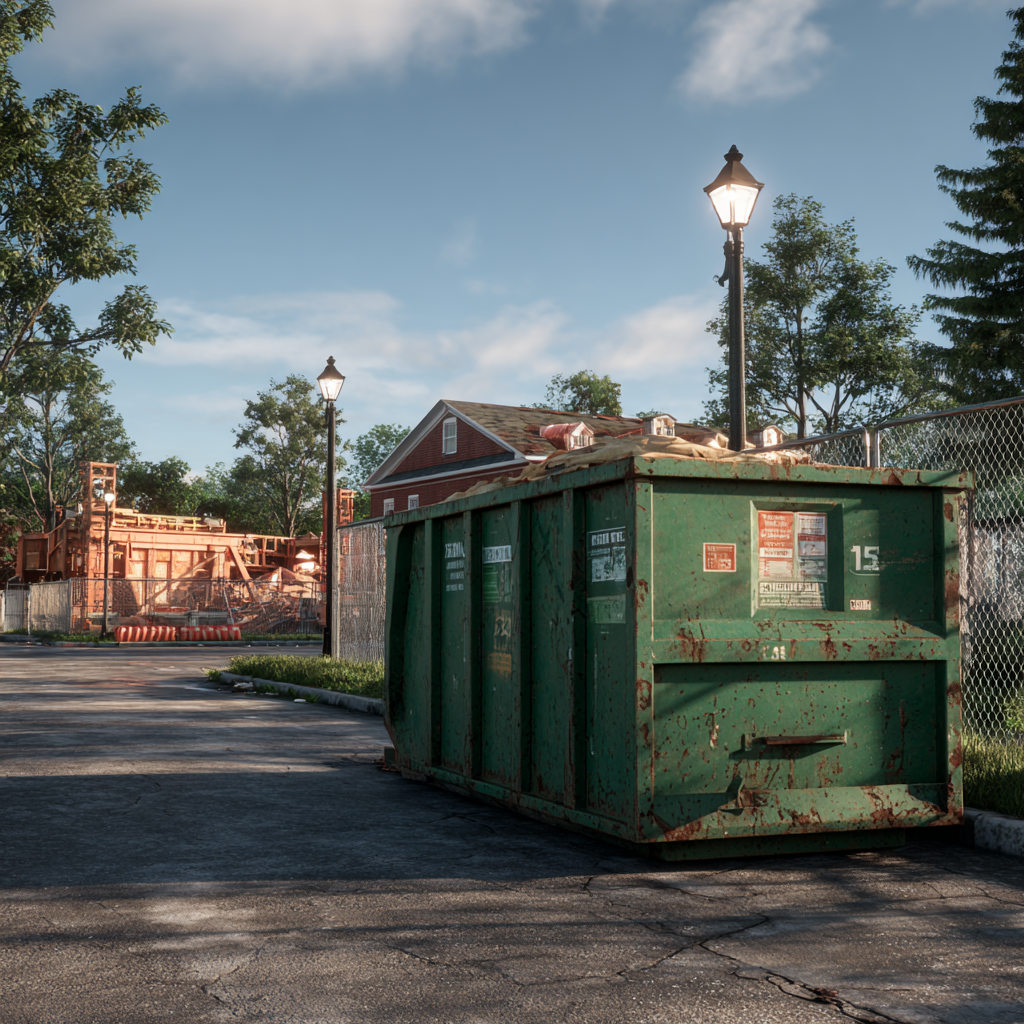
Spring construction season creates unprecedented competition for equipment availability as projects delayed by winter weather launch simultaneously. Smart professionals know that securing dumpster rentals for spring 2026 requires strategic planning to avoid the capacity shortages and premium pricing that plague unprepared contractors during peak demand periods.
At Prime Dumpster, we’ve tracked seasonal demand patterns nationwide to understand how spring construction surges impact equipment availability and project timelines. Our preparation guide covers early booking strategies, container sizing, timeline optimization, and regulatory compliance that help you secure the equipment you need before spring demand creates costly delays and limited options.
Understanding these spring construction patterns helps professionals secure equipment and control costs during the year’s most competitive rental period.

March through June represents a critical window when development timelines converge across the country. This seasonal push creates a perfect storm of demand that every pro needs to understand.
Warmer weather tops the list of reasons for the seasonal uptick. Frozen ground thaws, making sites accessible again. Budget cycles also play a huge role.
Many organizations release new fiscal year funds during this period. This financial timing means multiple developments launch simultaneously. The result? Everyone needs equipment at the same time.
The construction industry has followed predictable seasonal patterns for years. Permit approvals that stacked up during winter months suddenly get processed. This creates a cluster of project starts.
Crews return to full strength after seasonal hiring. Companies execute plans made during slower months. The market experiences this concentrated activity every spring.
| Region | March Starts | April Peak | June Slowdown |
| Northeast | 35% | 45% | 20% |
| Midwest | 30% | 50% | 20% |
| South | 25% | 40% | 35% |
| West | 40% | 35% | 25% |
Project concentration varies by geographic area, and understanding these patterns helps you plan around the busiest periods.
Picture this: every contractor in town needs a dumpster at the exact same moment. Welcome to peak season challenges.
When building activity intensifies, rolloff containers become hot commodities. The increased demand creates a domino effect across the industry.
Rolloff dumpster requests follow project timelines closely. As multiple developments launch, rental companies face capacity constraints.
Popular sizes like 20-yard and 30-yard units disappear fastest. These demand spikes can exhaust local inventory within days.
Geographic patterns matter significantly, too. Some regions experience more pronounced activity increases than others.
| Region | Early Season Demand | Peak Period | Inventory Strain Level |
| Northeast | Moderate | April-May | High |
| Midwest | Low-Moderate | May-June | Medium-High |
| South | Consistent | March-May | Medium |
| West | High | February-April | Very High |
The biggest headache? Discovering your preferred dumpster size isn’t available when needed. This forces compromises that affect project efficiency.
Delivery schedules get stretched thin too. Rental companies manage competing requests with limited trucks and drivers.
Pricing reflects basic supply and demand economics. Planning ahead helps avoid premium rates during these busy times.
The secret to avoiding rental headaches lies in early action before the market gets crowded. We see it every year – contractors who plan ahead sail through busy periods while others scramble for last-minute solutions.
Start your dumpster arrangements 4-6 weeks before your project begins. This advance planning gives you first dibs on inventory before the seasonal rush depletes available units.
Early reservations lock in better rates and ensure you get the equipment you need. Rental companies appreciate customers who communicate their needs well in advance.
Take time to accurately estimate your waste volume requirements. Getting the size wrong can force you back into a competitive market for replacements.
Discuss your project scope with rental providers. They can recommend the right container size based on your specific debris types and timeline.
Build flexibility into your schedule, too. Delivery delays become more common when rental companies manage high demand across multiple projects.
When everyone’s racing for the same equipment, your rental strategy makes all the difference. Getting the right dumpster requires both timing and knowledge about your specific project requirements.
Understanding container sizes helps you avoid costly mistakes when availability is tight. Let’s break down your options to match equipment to your exact needs.
Choosing the correct dumpster size prevents ordering too small or paying for unused space. Here’s how standard sizes compare for different project types.
| Size (Yards) | Capacity Equivalent | Best For Projects Like |
| 10 | 4 pickup truck loads | Small renovations, landscaping |
| 15 | 6 pickup truck loads | Mid-size renovations, roof work |
| 20 | 8 pickup truck loads | Whole-room remodels, large cleanouts |
| 30 | 12 pickup truck loads | Major renovations, new construction |
| 40 | 16 pickup truck loads | Commercial projects, complete home renovations |
During peak rental periods, you might need to adjust your preferred size based on availability. Knowing how adjacent sizes compare helps you make smart substitutions.
Build relationships with multiple rental providers to expand your options. This approach gives you backup choices when your first supplier runs short on your preferred dumpster sizes.

Smart contractors have a secret weapon for beating the rental rush: local intelligence. While national patterns provide general guidance, your immediate area tells the real story about equipment availability.
Understanding what’s happening in your neighborhood gives you a competitive edge when planning projects.
Check your municipal building department’s permit data regularly. This public information reveals how many projects are approved and ready to start.
Watch for clusters of commercial developments in your area. Large projects can monopolize dumpster inventory for weeks.
Follow local business journals and development news. These sources often announce major projects before construction begins.
Regional construction associations publish valuable market reports. These documents highlight upcoming activity levels and potential demand spikes.
Build relationships with rental companies in your area. They often share insights about upcoming capacity constraints.
Track infrastructure projects and seasonal patterns specific to your region. This awareness helps you time reservations strategically.
The dance between your project phases and dumpster availability requires careful choreography. Getting this timing right can make or break your entire schedule.
Smart timeline management means thinking beyond just start and end dates. It involves aligning equipment needs with specific work stages.
Break your work into distinct phases like demolition, framing, and finishing. Each stage generates different amounts of debris.
Remember that timeline optimization includes planning for potential delays. Building buffer time prevents schedule cascades when availability issues arise.
Successfully navigating dumpster rentals for spring 2026 starts with early preparation. The professionals who book equipment weeks ahead will dominate their markets. Others will scramble for last-minute solutions at premium rates.
Our nationwide network combines seasonal expertise with flexible scheduling options. We understand regional surge patterns and equipment availability constraints. Contact our team to develop a spring preparation strategy that guarantees equipment availability and controls costs throughout peak construction season.
If you are looking for PD Quick Guide: Dumpster Rentals for the Sunbelt in 2026, Click Here


