Mon - Sat 7:00 am to 7:00 pm


Mon - Sat 7:00 am to 7:00 pm

Summer construction season brings peak demand and intense competition for equipment availability. Projects launch simultaneously as weather improves, creating capacity shortages that can derail timelines. Smart professionals planning dumpster rentals for the summer of 2026 need strategic approaches to secure the equipment they need.
At Prime Dumpster, we’ve analyzed summer booking patterns nationwide to understand peak season challenges. Our preparation guide covers early booking strategies, site preparation, container sizing, and delivery coordination. These tactics help you secure equipment and maintain project schedules during the year’s busiest construction period.
Understanding these summer-specific challenges helps contractors develop preparation strategies that secure equipment and maintain project timelines during the year’s most competitive rental period.
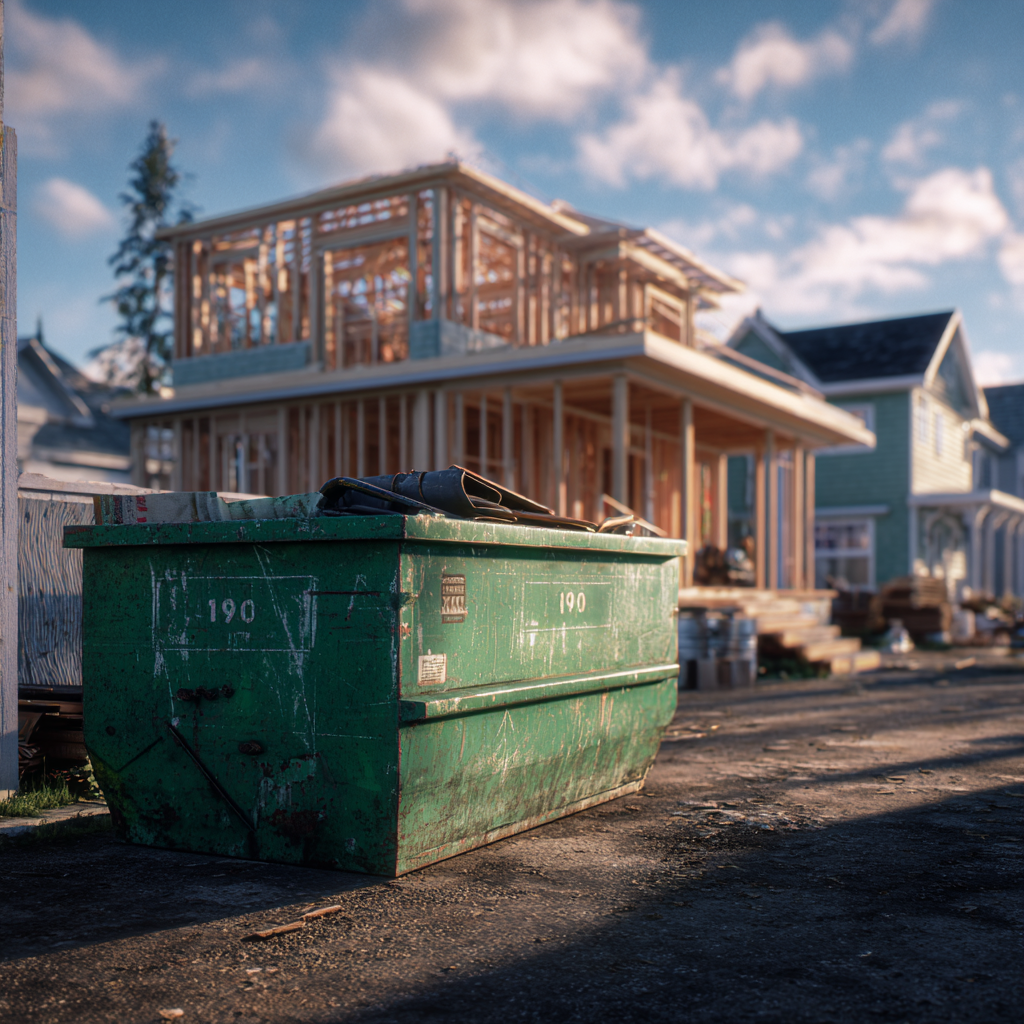
When temperatures rise, so does the pace of building activity across the nation. The warm weather creates perfect conditions for construction work. Extended daylight hours mean more productive time on site.
Commercial developers and contractors push hard during these months. They compress schedules that would normally span multiple seasons. This avoids weather delays that plague fall and winter projects.
Business districts, residential neighborhoods, and industrial zones all buzz simultaneously. Renovation projects that were postponed during colder months suddenly launch. Maintenance work that accumulated now demands attention.
This creates a domino effect across industries. Everyone needs equipment at the same time. The finite inventory of roll-off containers faces unprecedented pressure.
That essential waste management service becomes harder to secure. Your rental timeline needs careful planning. The construction boom directly impacts container availability.
Smart professionals recognize this seasonal pattern. They adjust their scheduling strategies accordingly. Understanding the surge helps you navigate the peak demand period successfully.
As job sites multiply across neighborhoods, securing essential equipment becomes a strategic challenge. The warm weather construction boom creates unique pressure points that affect everyone in the industry.
Professionals tell us they often face last-minute needs during busy periods. Understanding these seasonal patterns helps you build realistic timelines with appropriate buffers.
Contractors frequently request the same rental periods across multiple locations. This creates booking conflicts that strain provider capacity.
Popular container sizes disappear weeks in advance. You might face delays or need to compromise on dimensions. Every unit stays in circulation longer when demand spikes.
Services struggle to maintain standard turnaround times. The domino effect means one delayed job can push back schedules for other customers.
Sudden summer storms and extreme heat create unpredictable delivery windows. Work schedules shift unexpectedly, affecting pickup and drop-off timing.
Site access issues intensify when streets fill with utility work and road construction. Festival setups and neighborhood events compete for limited space.
Your rental strategy needs flexibility in both timing and placement options. Anticipating these challenges keeps projects moving smoothly through peak season.
Peak season demands a different approach to securing essential site equipment. The strategies that work during quieter months won’t cut it when demand spikes.
Booking your equipment 3-4 weeks ahead becomes crucial during high-demand periods. This extended lead time ensures availability when you need it most.
Establish relationships with providers early in your planning phase. A quick call to their customer service team can confirm availability for your preferred size.
Discuss backup options before committing to project timelines. This proactive approach saves headaches later.
Proper site preparation prevents delivery delays that can derail your schedule. Measure access routes and clear obstacles beforehand.
Mark the placement area clearly for the delivery team. Designate a point of contact who can address last-minute questions.
Proactive communication about your specific needs helps providers allocate equipment efficiently. Everyone stays on schedule this way.
| Strategy Element | Off-Season Approach | Peak Season Approach |
| Booking Timeline | 1-2 weeks ahead | 3-4 weeks minimum |
| Site Preparation | Standard clearance | Enhanced access planning |
| Communication | Basic coordination | Proactive updates |
Building contingency time into your project schedule accommodates potential delays. This smart planning keeps your work moving forward smoothly.
Nothing slows down progress faster than choosing the wrong equipment dimensions. The perfect fit saves money and keeps your timeline intact.
We see professionals struggle most with container selection. Getting this right prevents availability issues during busy periods.
Let’s break down the five standard sizes. The 10-yard unit handles light demolition or attic cleanouts. It fits about 50-70 bags of debris.
Move up to the 15-yard size for bathroom remodels or garage projects. This container manages 80-100 bags comfortably.
The 20-yard option serves as your versatile middle ground. It accommodates kitchen demos and home improvements with 110-130 bags.
For major property cleanouts or construction phases, consider the 30-yard container. It holds 170-190 bags of waste material.
The massive 40-yard unit tackles complete demolitions. This largest standard size manages 230-250 bags for major projects.
Selecting the correct yard capacity requires honest assessment. Too small means multiple trips and extra fees.
Too large wastes money and occupies unnecessary space. Consult your provider about debris volume and materials.
During peak demand, understanding your size requirements prevents delays. Know your acceptable alternatives beforehand.
Navigating the final mile of your waste management plan requires precision timing and clear access. During busy construction periods, your delivery location becomes a critical factor in project success.
We see many professionals underestimate the logistics involved. Proper planning prevents costly delays and additional fees.
Your driveway or designated area needs thorough preparation before the truck arrives. Clear a straight path of at least 60 feet with 23 feet of vertical clearance.
Remove all vehicles, construction materials, and equipment from the delivery zone. Low-hanging branches and power lines can create unexpected obstacles.
Take photos of your intended placement spot beforehand. This helps confirm measurements and identify potential issues.
During high-demand periods, service providers often work with broader delivery windows. Maintain flexibility in your schedule to accommodate their routing needs.
Mark your preferred location clearly with cones or spray paint. This becomes especially important when multiple projects share the same area.
Remember that trip fees apply when drivers cannot complete delivery due to access problems. Proper preparation saves money and keeps your timeline intact.
Keep your container accessible throughout the rental period. Debris should never pile higher than the sidewalls for safe pickup.
The high-demand season transforms what should be a straightforward rental into a carefully orchestrated process. Every step requires more attention when providers juggle multiple customer needs simultaneously.
We see professionals face unexpected hurdles during peak periods. Understanding the complete workflow prevents costly misunderstandings.
Start by asking detailed questions about your rental period and extension options. Many companies adjust their policies during busy times to manage equipment flow efficiently.
Weight limits become critical with summer construction materials. Heavy debris like concrete and asphalt quickly reaches tonnage caps. Exceeding limits triggers overage fees that impact your project budget.
Look for the fill line inside your container. This marks the maximum safe height for debris. Overfilled units cannot be transported safely and may incur additional charges.
Pricing structures often reflect seasonal demand. While we cannot provide specific numbers, expect that prices may adjust based on availability and disposal costs at transfer stations.
Review what materials each company accepts before loading your container. Contaminated loads create delays that affect your schedule and other customer needs.
Document the condition of your equipment at delivery and before pickup. Photos provide clear evidence if disputes arise about damage or overfill situations.
Clear communication about your project timeline helps rental services allocate resources effectively. This collaborative approach keeps everyone’s work moving forward smoothly during the busiest season.
Smart planning today separates successful projects from chaotic ones when demand peaks. Your 2026 construction schedule requires more than just marking dates on a calendar.
We recommend starting with a thorough review of your project pipeline. Understand your anticipated waste generation across all upcoming work.
Map your construction timeline against traditional peak periods running from May through September. Identify which jobs offer flexibility versus fixed deadlines.
Prioritize equipment reservations for time-sensitive work first. Coordinate with business partners and subcontractors to align disposal needs.
Building buffer time into schedules accounts for inevitable delays during busy seasons. Establish backup plans including alternative container sizes.
Businesses managing multiple projects benefit from staggered timelines. This spreads rental needs across several weeks rather than concentrating demand.
Monitor local construction activity that might strain availability. Strategic relationships with providers improve your chances of securing equipment.
Time invested in planning today prevents costly delays during the construction rush. Smart preparation keeps your business moving forward smoothly.
The professionals who succeed with dumpster rentals summer 2026 start planning months ahead of peak demand. Early booking, proper site preparation, and flexible scheduling separate successful projects from delayed disasters. Strategic preparation transforms summer’s equipment challenges into manageable logistics.
At Prime Dumpster, we’re experts in capacity constraints, regional demand patterns, and the coordination challenges that define busy construction seasons. Contact our team to develop a summer rental strategy that guarantees equipment availability and keeps your projects on schedule throughout peak season.
If you are looking for Dumpster Rentals for Spring 2026, Click Here


