Mon - Sat 7:00 am to 7:00 pm


Mon - Sat 7:00 am to 7:00 pm
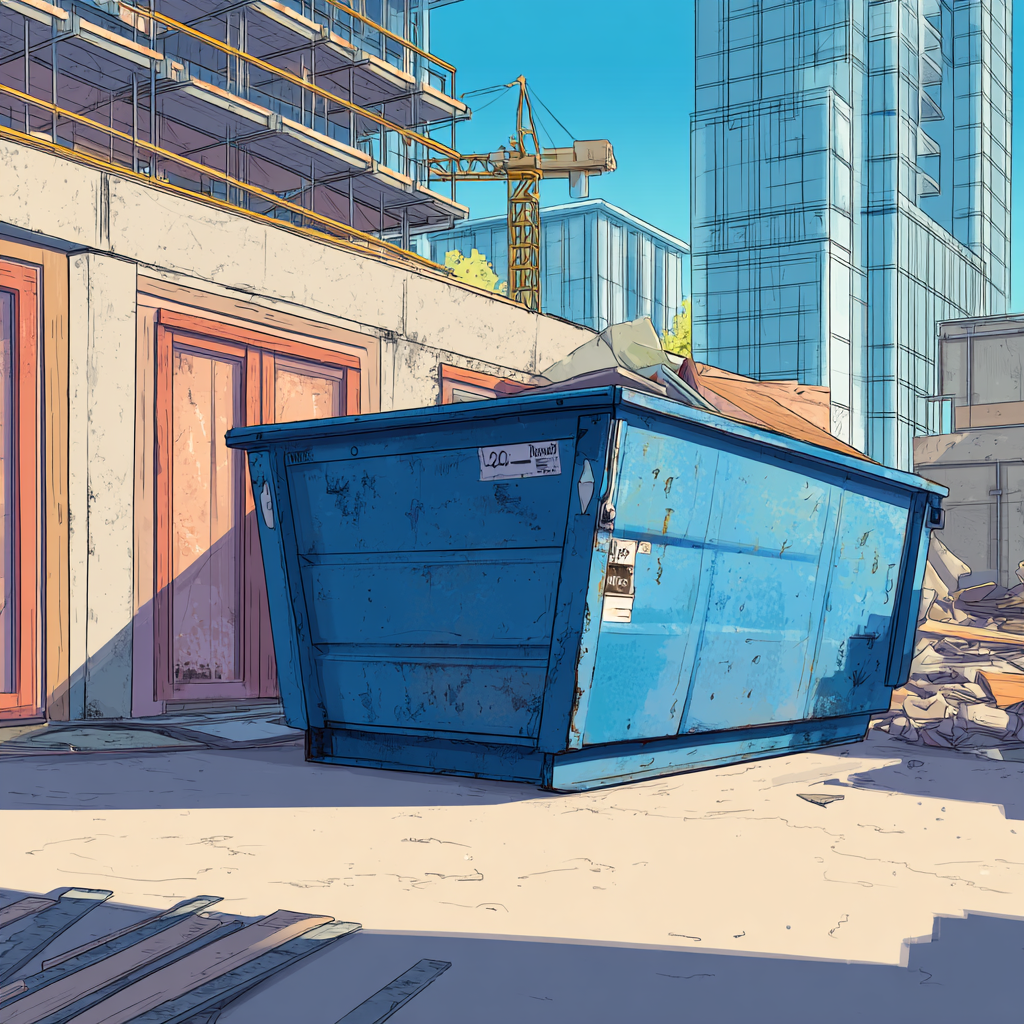
Timing can make or break your waste management budget. Construction demand peaks, weather delays, and equipment shortages create predictable patterns that smart professionals use to their advantage when planning seasonal booking strategies for renting dumpsters in 2026.
At Prime Dumpster, we’ve tracked booking patterns nationwide to understand how seasonal demand affects pricing and availability throughout the year. Our guide covers spring surge preparation, summer capacity planning, fall completion strategies, and winter opportunity windows that help you secure better rates and guaranteed equipment when your projects demand it.
We asked our Prime Dumpster Pros for their expert opinions on how to maximize efficiency, and reduce costs, throughout each different construction season in 2026.
“Spring brings the biggest price jumps because everyone’s starting projects at once after winter delays. You’re looking at serious competition for containers when construction crews and homeowners all need equipment simultaneously. The solution is booking three to four weeks ahead before the rush hits and rates climb.”
“Summer is peak season with maximum demand and limited equipment availability driving costs to their highest levels. Construction activity hits full swing while disposal facilities get strained, pushing up both rental and disposal fees. Smart contractors book four to six weeks early and lock in pricing before the summer surge.”
“Fall creates a completion rush where everyone’s trying to finish projects before winter weather hits. This secondary demand spike catches people off guard and drives up prices for smaller containers especially. Book two to three weeks early during fall and aim for delivery before peak leaf cleanup season.”
“Winter offers the best rates because demand drops significantly and companies want to keep equipment working. You can save substantially compared to peak season pricing while getting much better availability and flexibility. Use winter to pre-book spring containers and lock in those lower rates before demand returns.”
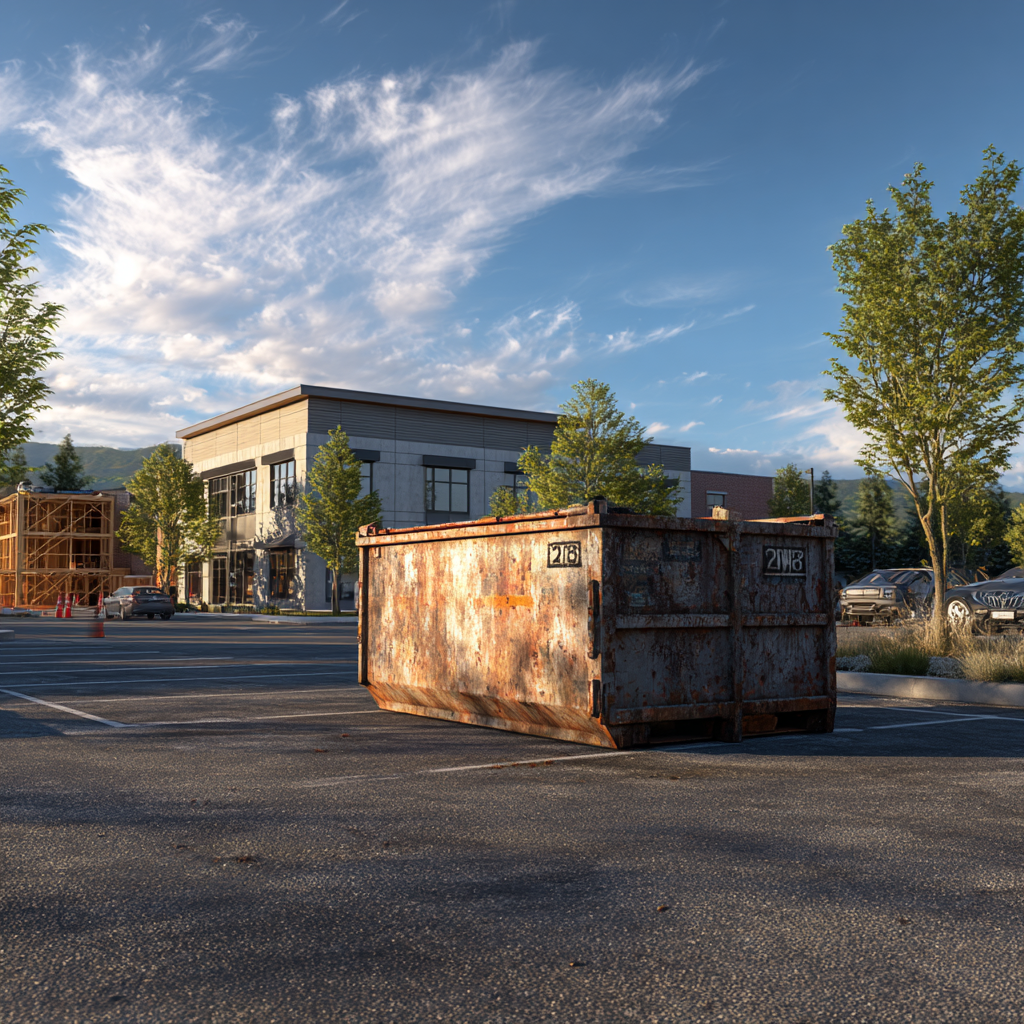
Think of dumpster availability like concert tickets. When everyone wants to go, tickets get scarce and prices rise. The same happens with dumpster rentals.
Industry experts predict an increase in construction and home renovations during the warmer summer months of 2026. Contractors and DIYers all need containers at once. This high demand directly impacts your rental costs and timing.
| Factor | Peak Season (Spring/Summer) | Off-Peak Season (Late Fall/Winter) |
| Demand Level | Very High | Moderate to Low |
| Equipment Availability | Limited, high competition | Widely available |
| Average Rental Cost | 15-25% higher | Standard or discounted rates |
| Primary Users | Construction crews, renovators | Year-round contractors, cleanup projects |
Your local area plays a big role. A new housing development can tie up dumpsters for months. This creates a localized squeeze on availability.
Weather is another major player. Harsh winters push many projects to spring. This creates a compressed, high-demand period once the thaw hits.
In northern states, these swings are dramatic. Southern regions see more steady demand year-round. Always check what big local projects are planned.
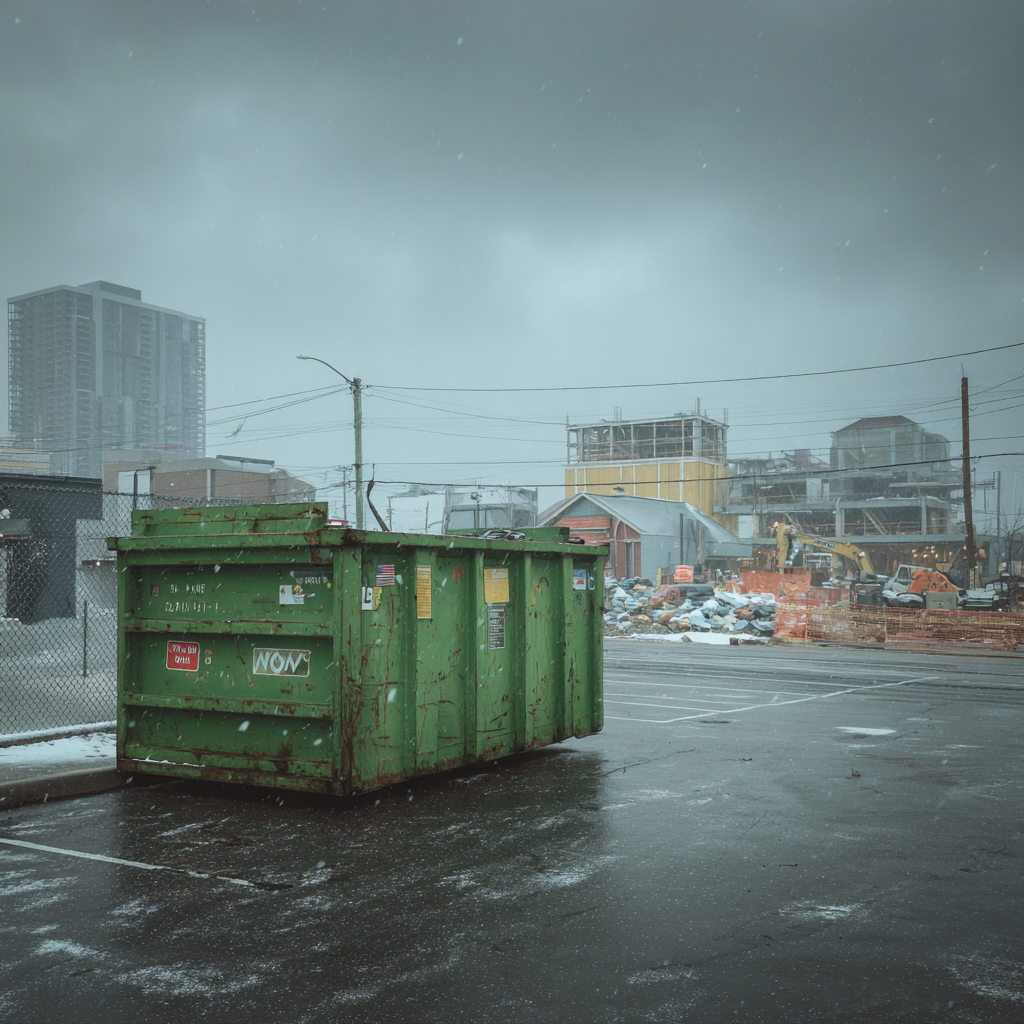
Timing your dumpster rental can feel like trying to catch a wave. Get it right, and you ride smoothly toward savings. Miss the window, and you might face higher costs and limited options.
We see the smartest approach involves understanding annual demand cycles. Rental companies offer their best rates when equipment sits idle. This creates golden opportunities for budget-conscious professionals.
The best time to save money often falls during shoulder seasons. Think early spring and late fall. Weather remains workable but demand hasn’t peaked yet.
Booking early locks in current rates before spring and summer surges. This protects you from last-minute price increases. It also guarantees equipment availability before inventory runs low.
Winter rentals can save you 10% to 15% compared to peak rates. Even if your project can’t shift seasons, advance planning captures better pricing.
Off-peak advantages extend beyond just cost savings. You typically get more flexible rental periods during fall and winter. Companies have fewer restrictions on container placement.
Customer service becomes more responsive with lower call volumes. Your waste management planning should happen during project design, not after construction begins.
April showers don’t just bring May flowers – they also trigger the biggest dumpster rental rush of the year. As temperatures rise, construction crews and homeowners launch projects delayed by winter weather. This creates intense competition for available containers.
Spring brings predictable project patterns. Kitchen and bathroom remodels dominate residential work. Exterior projects like roof replacements and deck installations surge as weather stabilizes.
Landscaping overhauls add to the demand mix. These projects often create combined waste streams. Construction debris mixes with yard waste, requiring careful planning.
Choosing the right container size prevents costly mistakes. A 10-yard dumpster works for small bathroom updates. It handles drywall, old fixtures, and minor landscaping debris.
Consider 15-yard units for deck removals or moderate kitchen renovations. Roof replacements and larger remodeling jobs typically need 20-yard containers.
Book your rental 3-4 weeks ahead to secure preferred sizes. Spring weather can be unpredictable, so plan for flexible delivery scheduling.
When temperatures rise, so does the scramble for waste containers across job sites nationwide. Summer brings maximum activity with over 8 million construction workers needing equipment simultaneously. This creates intense pressure on dumpster availability.
Summer projects create a perfect storm for container shortages. Residential roofing dominates the landscape, requiring larger 30-40 yard units for shingle disposal. Outdoor kitchen installations and commercial upgrades compete for the same resources.
Advance planning becomes critical during these busy months. Waiting until you need equipment often means delays and limited size options. Book your rental 4-6 weeks ahead to secure preferred delivery dates.
Summer brings the highest rental rates due to intense competition for available equipment across all project types. Increased fuel costs during peak construction season and higher disposal fees at capacity-strained landfills drive base prices upward throughout the warmer months.
Container sizes become critical during summer when availability tightens and wrong choices trigger expensive mid-project exchanges. Heavy materials like roofing debris and concrete require careful planning to avoid weight limit violations that add significant overage penalties to your total cost.
Summer heat affects both waste decomposition rates and operational scheduling, creating additional cost factors beyond base rental fees. Extended rental periods become more expensive during peak demand, making accurate timeline planning essential for controlling your total project expenses.
When autumn arrives, contractors face a unique challenge: the race against winter weather to complete outdoor work. This creates a secondary demand spike that surprises many renters who expect calm after summer’s peak.
Fall demand patterns differ significantly from spring and summer. Instead of new project starts, the focus shifts to completions and pre-winter preparations. Commercial teams push to finish before year-end deadlines while homeowners tackle final exterior projects.
The Halloween-to-Thanksgiving period brings intense competition for smaller containers. Everyone seems to declutter simultaneously before holiday gatherings arrive. This creates unexpected pressure on 10-15 yard units perfect for garage cleanouts and leaf removal.
Book your rental 2-3 weeks early during peak leaf season. Aim for delivery before first frost dates around October 15-November 1. Wet leaves weigh significantly more than dry debris, so confirm weight limits with your provider.
Fall introduces special regulatory considerations. Many municipalities restrict dumpster placement during holiday decoration periods. They may require permits for street placement during community events.
Start permit applications 3-4 weeks before needed delivery dates. Municipal offices often slow processing during holiday schedules. Choosing rubber-wheeled containers protects driveways from leaf-covered surface damage.
Fall represents your last cost-effective window for outdoor project waste disposal before winter premium pricing begins. September and early October typically offer optimal availability and rates.
The coldest months offer surprisingly warm opportunities for waste management planning. While others hibernate, forward-thinking professionals capitalize on winter’s unique advantages.
You’ll find better availability and pricing during December through February. This quiet period creates ideal conditions for strategic projects.
Winter brings significant cost savings with 10-15% discounts off peak-season rates. Rental companies become more flexible to maintain business during slower months.
You can often secure same-week delivery instead of waiting 4-6 weeks. Extended rental periods become more negotiable without summer’s rush restrictions.
Indoor projects work perfectly during winter months. Consider kitchen demolitions, basement cleanouts, or attic insulation replacements.
Winter weather requires practical adjustments to your planning. Snow accumulation and freezing temperatures can affect delivery schedules.
Choose paved surfaces for container placement when possible. Frozen ground can prevent proper truck stabilization on grass or dirt areas.
Maintain clear access paths around your dumpster throughout the rental period. Snow removal becomes essential for continuous project workflow.
| Feature | Winter Advantage | Summer Challenge |
| Cost Savings | 10-15% discounts common | Peak pricing 20-30% higher |
| Delivery Timing | Often within days | 4-6 week advance booking needed |
| Scheduling Flexibility | More date options available | Limited to company availability |
| Project Types | Ideal for interior work | Focused on exterior projects |
Smart planners use winter availability to pre-book spring needs. Reserve containers 60-90 days ahead to lock in favorable rates.
This approach saves money while guaranteeing equipment before the spring construction surge begins. Winter becomes your strategic advantage rather than a limitation.
The professionals who master seasonal booking strategies for renting dumpsters in 2026 treat timing as a competitive weapon rather than just a scheduling detail. Trends to pay attention to include early booking during off-peak periods, advance planning for summer surges, and strategic winter reservations.
At Prime Dumpster, we combine seasonal market expertise with flexible scheduling options to help you capitalize on timing advantages throughout the year. We understand regional demand patterns, weather impacts, and capacity constraints that affect every season’s booking strategy.
Contact our team to develop a year-round waste management approach that keeps your projects on schedule while controlling costs regardless of seasonal market conditions.
If you are looking for Prep Tips for Dumpster Rentals in Summer 2026, Click Here


