Mon - Sat 7:00 am to 7:00 pm


Mon - Sat 7:00 am to 7:00 pm
New construction sectors are creating unique waste management challenges that traditional approaches can’t handle effectively. From renewable energy installations to major transportation projects, understanding the specific requirements of emerging industries shaping 2026 dumpster rentals has become essential for successful project execution and cost control.
At Prime Dumpster, we’ve coordinated waste management for diverse specialty projects nationwide, from solar farm installations to stadium renovations. Our experienced team understands the unique logistics, timing requirements, and regulatory considerations that define these growing sectors and separate them from standard construction projects.

We asked our Prime Dumpster Pros about the unique waste management challenges facing renewable energy construction projects.
“Most solar installations work perfectly with 20 to 30-yard containers because you’re dealing with substantial packaging materials and electrical components. The construction phases generate different waste streams. Site preparation creates earth and vegetation debris while panel installation produces tons of protective packaging. We typically recommend 30-yard units for large solar farms and 20-yard containers for rooftop commercial installations.”
“Solar projects move fast once they start, so you need containers positioned before the installation crews arrive on site. These projects often happen in remote locations where delivery scheduling becomes critical because there’s no backup plan if trucks can’t access the site. Smart developers coordinate container delivery with the electrical and grading phases since those generate the most waste in the shortest time frames.”
“You’re looking at massive amounts of cardboard and protective packaging from solar panels, plus electrical conduit materials and concrete from foundation work. The packaging waste is bulky but lightweight, while the concrete and metal components are dense and heavy. Site preparation often includes vegetation clearing and earth moving that creates additional organic waste streams requiring separate handling.”
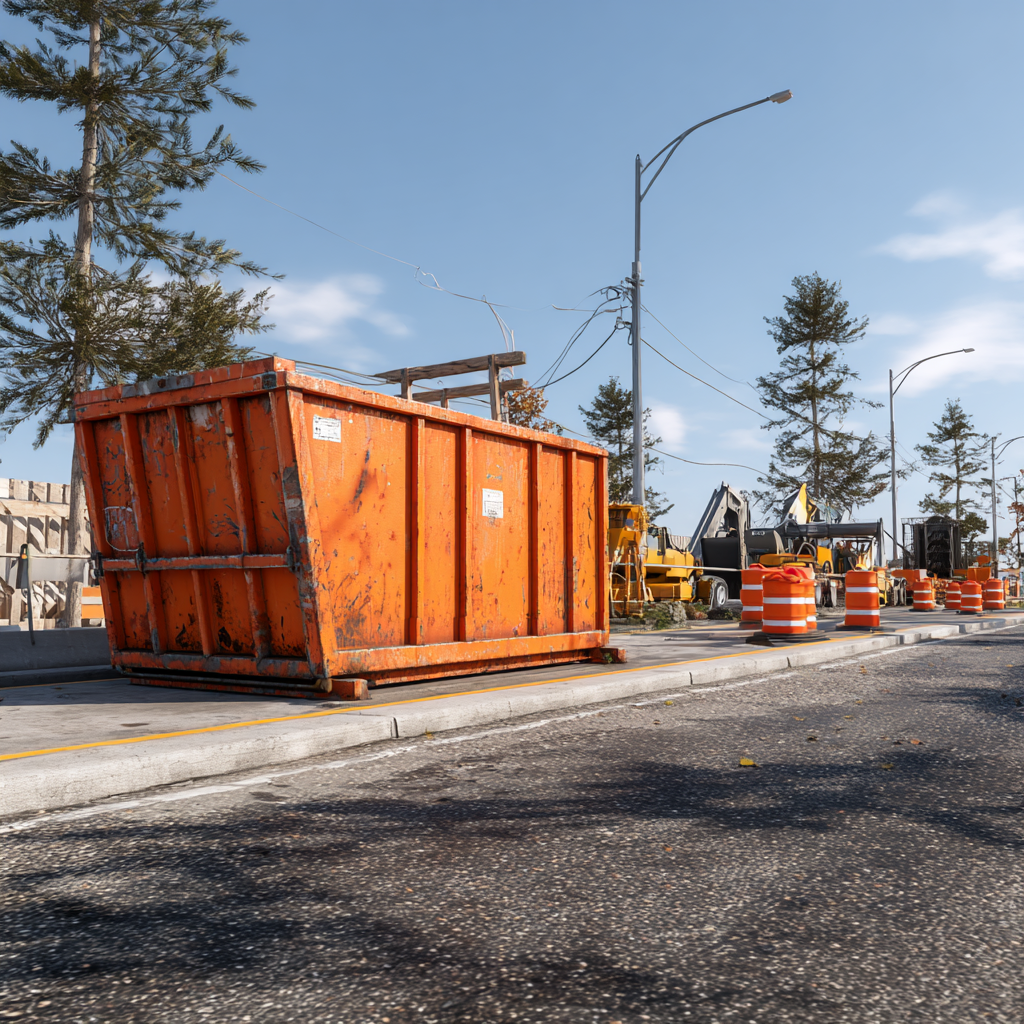
We consulted with our experts about the specialized waste management requirements for major transportation construction projects.
“Highway projects generate massive amounts of concrete and asphalt that require 10-yard containers because of weight restrictions. You’re dealing with linear construction sites that stretch for miles, so container placement becomes a logistics puzzle. The biggest challenge is coordinating with traffic control because you can’t just drop containers anywhere along an active roadway. Most highway projects need containers positioned during overnight hours when traffic is minimal.”
“Transit construction in urban areas requires precise timing because you’re working around rush hour patterns and street closures. Container delivery windows are typically limited to early morning hours before traffic builds up. We often stage multiple smaller containers instead of large ones because street space is so limited. Permit requirements are strict and you need approval from both transportation departments and local municipalities.”
“Bridge work generates heavy concrete debris that requires specialized 10-yard containers with reinforced construction for weight capacity. Access is the biggest issue because crane and equipment zones limit where you can place containers. Tunnel projects create unique challenges with limited surface access, so you need containers positioned at portal areas. The debris is usually concrete and steel, so weight management becomes critical to avoid overage fees.”
Our Prime Dumpster Pros shared insights about the complex logistics involved in waste management for active educational facilities.
“School projects require containers placed away from student traffic areas and pickup schedules coordinated around class times. You can’t have noisy debris removal happening during testing periods or graduation ceremonies. Most districts require containers positioned behind buildings or in designated staging areas that don’t interfere with bus routes or emergency access. Summer break creates the best window for major renovations, but year-round projects need careful coordination with academic calendars.”
“University campuses have unique access challenges because delivery trucks need to navigate pedestrian areas and narrow campus roads. Container placement requires approval from facilities management and often campus security for larger projects. You’re dealing with multiple stakeholders including dormitory operations, dining services, and academic departments that all have input on scheduling. Peak move-in and move-out periods create additional complications when student traffic is heaviest.”
“Campus-wide renovations require centralized coordination because multiple contractors compete for the same container inventory and delivery windows. Smart facilities managers designate specific zones for waste management and stagger project timelines to prevent conflicts. During summer renovations, we often see five or six projects running simultaneously across a single campus. The key is establishing clear protocols for container sharing and pickup scheduling that all contractors follow.”
We spoke with our team about the specialized logistics and coordination challenges unique to sports facility construction and renovation projects.
“Stadium construction requires coordinated 30 to 40-yard container deployments because you’re generating massive volumes of concrete, steel, and packaging materials across multiple work zones. Positioning containers near material staging areas rather than centralizing everything in one location. Most projects need staggered delivery schedules because you can’t have five or six containers arriving simultaneously when space is limited and crane operations are active throughout the site.”
“Renovations during the off-season give you the most flexibility, but in-season work requires containers positioned away from fan entrances and concession operations. Pickup schedules must avoid game days and major events when parking and access become impossible. In many cases, the best options are smaller 15 to 20-yard containers that can be moved quickly, rather than large units that block emergency access or interfere with broadcast equipment during events.”
“Security requirements mean containers need approval from facility management and often law enforcement for placement near venues. Access routes are limited because delivery trucks can’t use the same entrances as fans or VIP traffic. The biggest challenge is coordinating with event schedules because major venues host concerts, games, and community events year-round. Container placement that works perfectly during construction might violate security protocols during events.”
The emerging industries shaping 2026 dumpster rentals demand specialized knowledge that goes beyond standard construction approaches.
Each sector presents distinct challenges that require experienced guidance.
At Prime Dumpster, we combine industry expertise with hands-on project experience. We understand regulatory compliance, access restrictions, and coordination challenges. From solar farms to stadium renovations, we’ve handled the specialized requirements that define these growing sectors.
Contact our team for expert guidance on waste management solutions. We’ll help you navigate the unique requirements and operational constraints that make these projects successful.
If you are looking for 2026 Dumpster Rental Trends: What’s Changing in Waste Management?, Click Here


