Mon - Sat 7:00 am to 7:00 pm


Mon - Sat 7:00 am to 7:00 pm
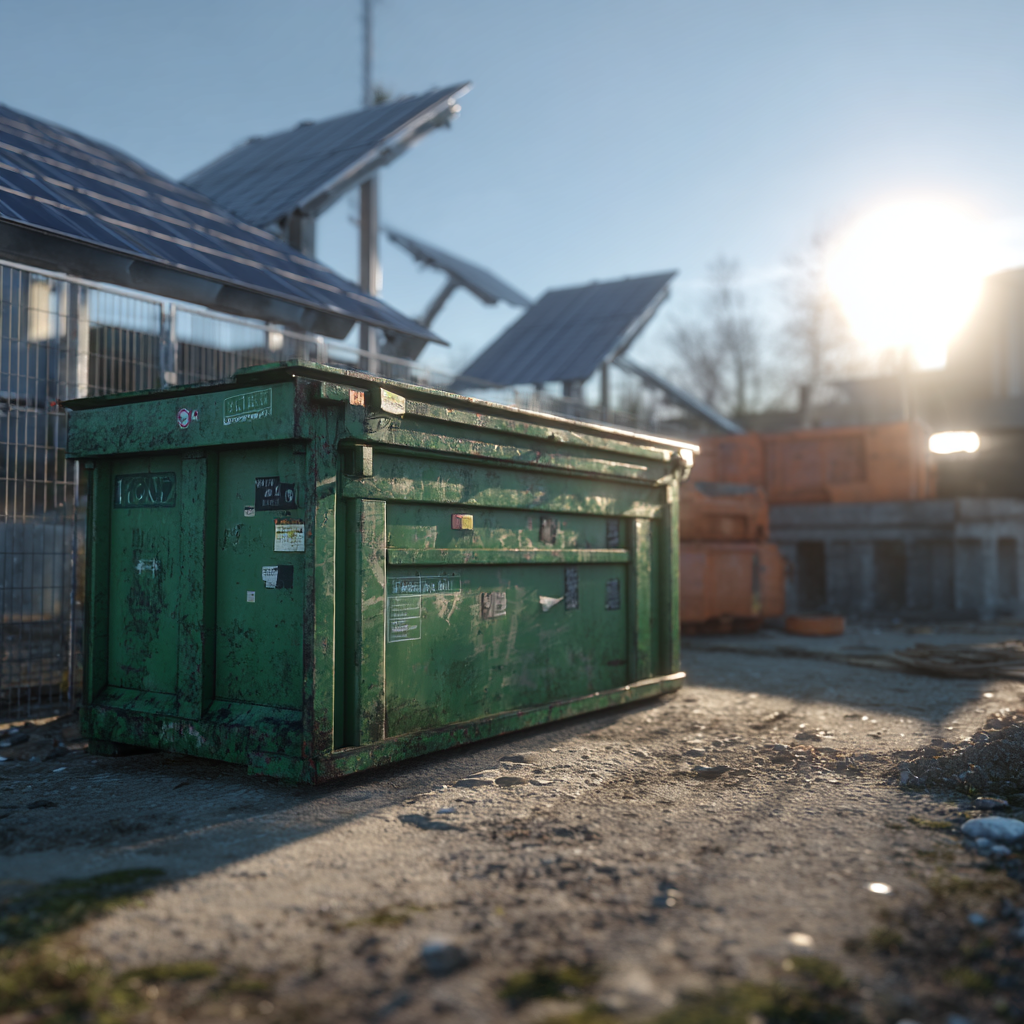
Fast construction schedules and distributed work sites make waste logistics critical for renewable energy projects. Effectively using rented dumpsters for renewable energy projects in 2026 means matching equipment to material flows before crews arrive on site.
At Prime Dumpster, we’ve handled logistics for solar installations, wind farms, and energy storage facilities where timing and container selection directly impact project schedules. Our tactical guide covers container sizing for specific debris types, multi-site coordination strategies, and compliance documentation that keeps energy projects moving.
Understanding these renewable energy-specific factors helps project managers develop waste strategies that support aggressive construction schedules while meeting environmental and regulatory requirements.
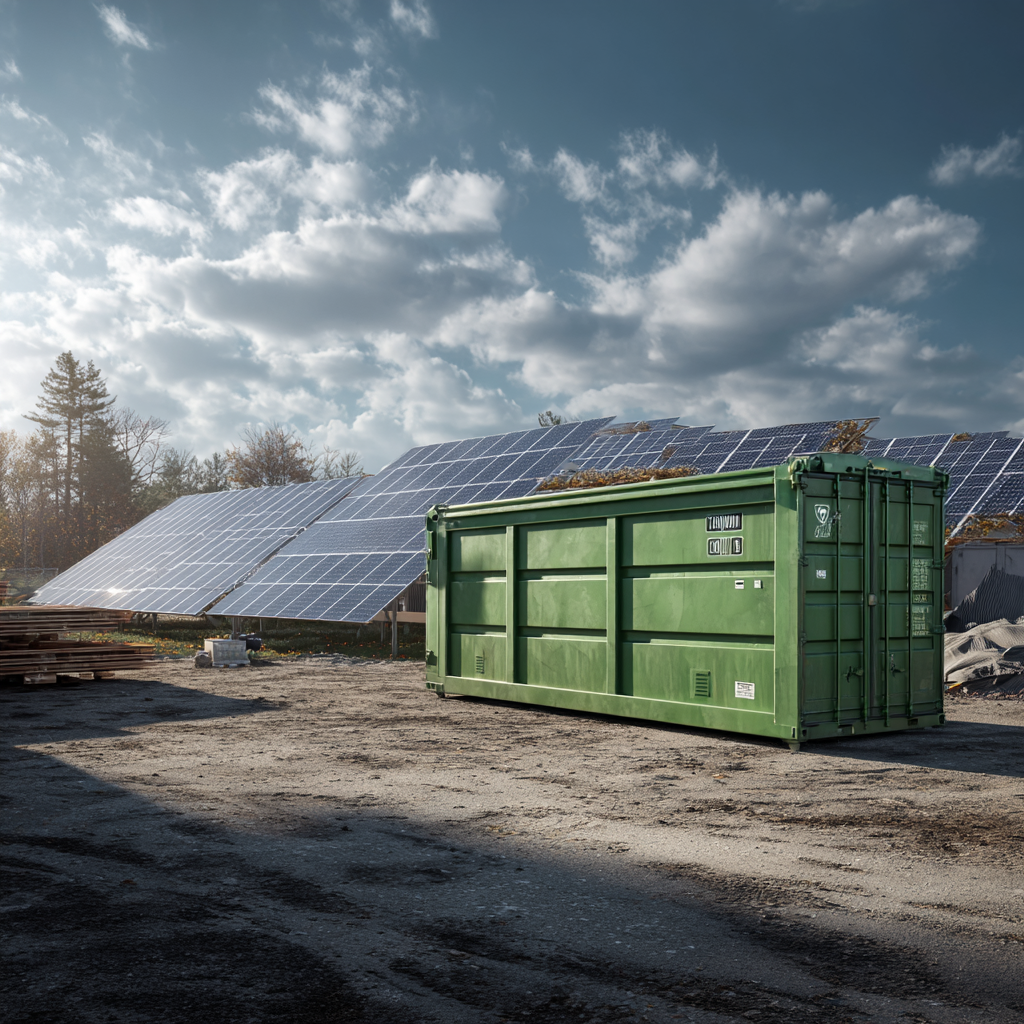
Logistics, local disposal rules, and crew sequencing will decide what containers you need in 2026. Expect tighter windows and clustered work driven by policy timelines and incentives.
Disposal markets vary regionally. Nearby facilities may accept different material streams. That fact will change your waste management plan and swap cadence.
Factor in labor, trucking, seasonal roads, and site access. Those constraints affect haul timing and the variety of sizes you can safely move. Smaller units often work better in tight early civil work.
Track weights and material notes for recycling and diversion reporting. Pricing will reflect haul distance and allowable streams, so routing efficiency matters. Keep field communication sharp to limit idle containers and missed pickups that can stall a project schedule.
Different technologies produce very different waste streams, so pick containers that fit the load. We break down common items by site type and show simple container guidance you can act on today.
Expect steady packaging, wire tails, strapping, crates, and pallets. Old solar panels may need a project-specific waste disposal path. Schedule a pallet pickup or reserve a flat-bed when deliveries spike.
Large crates, heavy packing, and steel offcuts arrive in waves. Mix lighter bulky waste with denser metal; separate streams ease hauling and reporting.
Work here leans heavy: concrete washout, formwork, and containment materials. Pick containers rated for heavy debris and monitor weights to avoid transport limits.
| Technology | Typical materials | Recommended container types | Handling notes |
| Solar | Packaging, pallets, wire, occasional solar panels | Large roll-off for pallets; single-stream bins for metal/cardboard | Schedule flat-bed pallet removal during delivery waves |
| Wind | Crates, steel offcuts, civil debris | Mixed-load containers plus metal recycling bins | Keep heavy cuttings separate to avoid overweight loads |
| Hydro & storage | Concrete, formwork, containment materials | High-capacity, high-load containers | Track weights and plan swaps to meet haul limits |
Picking the right container keeps crews moving and hauls predictable.
Use 10-yard units when access is tight and loads are dense. They handle short concrete cuts, metal offcuts, and compacted packaging without blowing weight limits.
Fifteen-yard containers work well for phased array blocks. They free up space while allowing regular swaps that match crew cadence.
Twenty-yard units strike a balance. Place them near packaging break-down stations to cut hauling and keep the laydown yard tidy.
Use 30-yard containers during high-throughput phases. They absorb mixed loads where multiple crews operate and reduce swap frequency.
Forty-yard options suit pallet surges and stacked deliveries. Fewer hauls save time when material waves hit site.
A single point of contact and live scheduling cut confusion across scattered locations. We recommend consolidating orders, invoicing, and swap requests so your field teams only call one number or use one portal.
Assign a central coordinator to place an order and track service across all sites. Consolidated invoicing saves back-office time and gives you one view of active rentals and costs.
Plan multiple dumpsters near work fronts during delivery waves. Use a rotation plan tied to truck windows and site traffic control to avoid stalls.
Stage portable toilets, ADA units, and handwashing at laydown areas so crews stay close to facilities. Place a 20-foot by 8-foot by 8.5-foot storage container near tool cribs to secure gear and cut setup time.
| Essential | Why it matters | Typical spec |
| Storage container | Secures tools and materials | 20′ x 8′ x 8.5′ |
| Portable toilets | Maintains crew hygiene and compliance | Standard and ADA units with handwash |
| Multiple dumpsters | Reduces hauling time during surges | Staged near work fronts |
Compliance rules and on-site hazards shape how you handle materials and close out waste streams. We recommend treating compliance like another crew member: plan ahead and keep paperwork tidy.
Confirm which restricted items your nearby facilities accept before removal. Old solar panels often require a project-by-project pathway and special permits. Line up handlers early to avoid stockpiling on site.
Train crews to spot hazardous waste and to label any suspect loads. Keep a short chain of custody for specialty items, such as labeled pallets or gaylords, so handling stays safe and traceable.
Create a waste management plan that lists acceptable items by container. Give field crews a quick reference card and a clear naming convention so reports tie back to work areas and dates.
| Record | Why | How |
| Container weights | Needed for diversion and billing | Scale tickets or onboard scales |
| Material categories | Supports recycling and reporting | Single-stream bins for metal and cardboard |
| Chain of custody | Protects crews and data | Labeled pallets, manifests, short custody logs |
Successfully managing rented dumpsters for renewable energy projects in 2026 requires specialized knowledge of material streams, compliance requirements, and coordination challenges that separate these projects from other emerging tech industries.
At Prime Dumpster, our team is ready to help you navigate the unique requirements of all types of cutting-edge renewable energy construction. We understand the material flows, regulatory compliance, and multi-site coordination that define successful energy projects. Contact us to develop waste management strategies that keep your renewable energy projects on schedule while meeting sustainability and reporting requirements throughout the construction process.
If you are looking for Q&A with the Prime Dumpster Pros: Emerging Industries Shaping 2026 Dumpster Rentals, Click Here


