Mon - Sat 7:00 am to 7:00 pm


Mon - Sat 7:00 am to 7:00 pm

Infrastructure construction projects generate enormous volumes of concrete, asphalt, and steel debris that require specialized waste management strategies.
At Prime Dumpster, we’ve helped coordinate dumpster rentals for highway projects, bridge renovations, transit construction, and more.
Our comprehensive guide to rented dumpsters for infrastructure projects in 2026 is here to help you plan and save. You’ll learn about container sizing for heavy debris, compliance documentation, multi-phase coordination, and cost control strategies.
Infrastructure Project Planning Essentials:
Many industries are poised for dynamic growth in 2026, with infrastructure projects one of the biggest. Here’s what to know:
Understanding these infrastructure-specific planning factors helps project managers develop waste strategies that support government compliance requirements while maintaining operational efficiency throughout extended construction cycles.
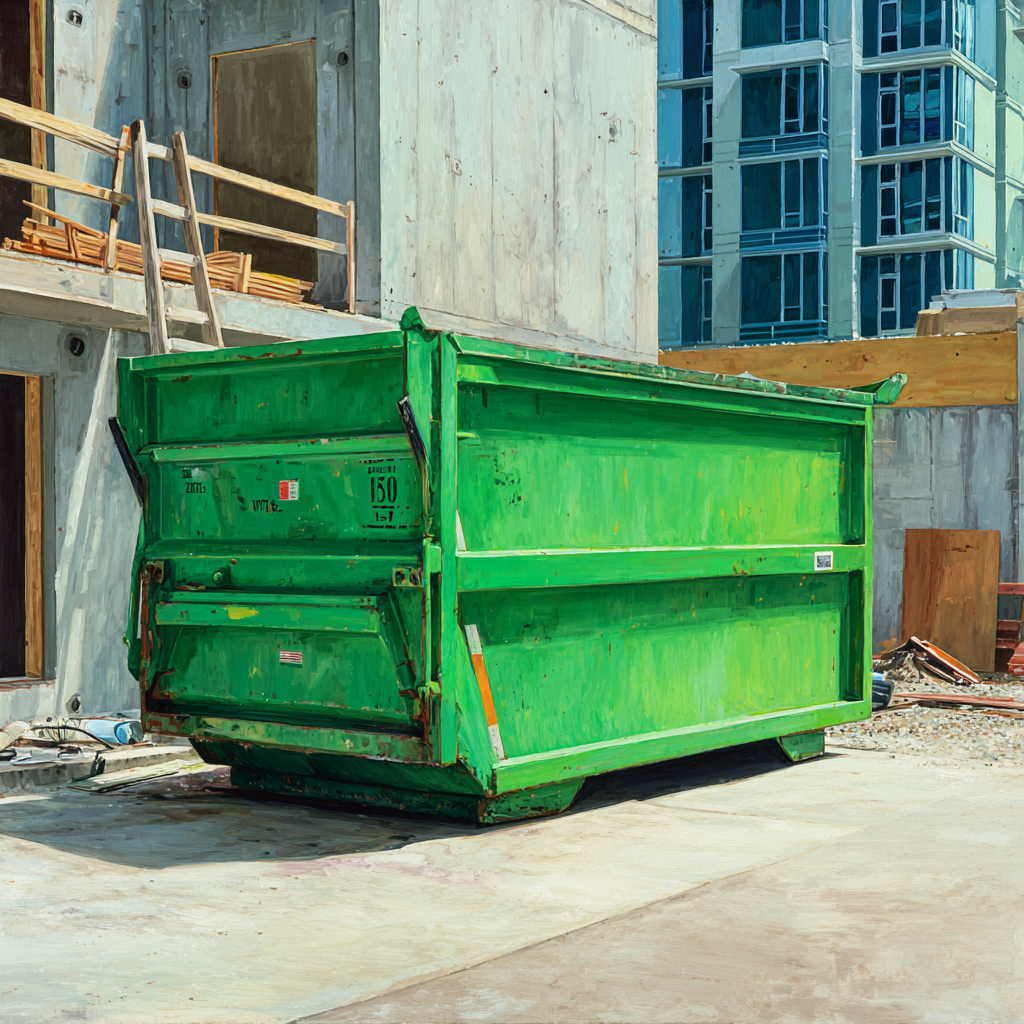
Get ready for a construction wave that’s reshaping how we handle waste management. The industry is evolving fast, and in unpredictable ways. Understanding these trends as best as possible will keep you ahead of the curve.
Governments are implementing stricter waste disposal regulations nationwide. Penalties for improper disposal have increased significantly in recent years.
These changes make certified providers essential for compliance. Many cities now embrace “zero waste to landfill” initiatives.
Sustainability goals influence disposal choices, too. Businesses increasingly seek partners offering recycling and waste diversion services.
These regulatory and environmental pressures create both challenges and opportunities. They’re changing how construction waste must be handled and documented.
The forces shaping the dumpster rental industry are creating a new operational landscape. Understanding these dynamics is crucial for securing the services you need.
Several powerful factors are fueling industry growth. Major drivers include rapid urbanization, large-scale infrastructure investment, and much stricter environmental compliance rules.
Commercial construction leads the way in driving demand for this service. The scale of these projects makes professional waste management a necessity, not an option.
This surge in demand is meeting some serious headwinds. A significant shortage of qualified drivers, affecting up to 20% of needed personnel, can lead to service delays.
Operational costs are also climbing sharply. Fuel prices have jumped over 30% since 2021, directly influencing rental pricing.
Keeping trucks on the road is another major expense. Fleet maintenance eats up about a quarter of a provider’s total operational costs.
These market insights point to one clear conclusion. Planning your container needs well in advance is the best strategy for securing adequate capacity and managing your budget.
| Market Driver | Impact on Demand | Operational Challenge |
| Urbanization & Commercial Construction | Significant Increase | Strained regional capacity |
| Stringent Environmental Regulations | Increased need for certified service | Higher compliance costs |
| Infrastructure Investment | Sustained long-term growth | Driver and personnel shortages |
America’s roads and bridges are getting a major facelift, and the cleanup process is just as important as the construction itself. Federal highway improvements and bridge renovations create enormous amounts of material that needs organized management.
These large-scale public works generate massive volumes of heavy construction debris. You’ll find concrete, asphalt, metal, and structural materials piling up quickly at job sites.
Reliable waste removal services become absolutely essential for these operations. Scheduling delays can trigger costly financial penalties and public inconvenience that nobody wants.
Common Infrastructure Debris and Management Approaches
| Debris Type | Typical Sources | Recommended Container Strategy |
| Concrete & Asphalt | Road demolition, bridge work | Heavy-duty roll-off units |
| Structural Steel | Bridge renovations, utility work | Recycling-focused disposal |
| Excavation Materials | Highway expansions, transit upgrades | High-volume container rental |
Infrastructure construction spans months or years across multiple phases. Roll-off containers serve as the backbone of site management throughout this timeline.
Proper container placement keeps work zones safer by preventing scattered debris. It also helps maintain compliance with strict environmental standards governing material disposal.
When dealing with massive transit upgrades, your waste strategy needs to be as solid as the concrete you’re removing. These large-scale jobs present unique challenges that demand careful planning from the start.
Heavy materials like concrete and asphalt require smart container selection. You can’t just fill a container to the brim without considering weight limits.
Exceeding weight restrictions triggers costly overage fees that can wreck your budget. Think about material density before you choose your waste management solution.
Common debris includes concrete rubble, steel reinforcement bars, and asphalt chunks. Each material type has different weight characteristics that affect your disposal approach.
Proper waste containment keeps work zones safer for everyone. Scattered debris creates tripping hazards and equipment damage risks.
Government-funded projects come with strict compliance requirements. You’ll need detailed documentation showing disposal methods and recycling rates.
Environmental transparency standards mandate reporting on landfill diversion percentages. Understanding these regulations upfront prevents costly project delays.
Good waste management isn’t just about cleanup – it’s about keeping your project moving forward smoothly.
Matching your waste management solution to the job’s specific needs is more than just guessing container sizes. The right choice saves money and keeps your site running smoothly.
Think about your materials first. Heavy debris needs different handling than lightweight waste. Your container selection affects both safety and efficiency.
Ten-yard containers work perfectly for concrete, asphalt, and brick. These heavy materials reach weight limits long before filling the space.
Fifteen-yard units offer more flexibility. They handle roofing jobs and medium demolition projects well. This size balances capacity with manageable weight restrictions.
Twenty-yard containers serve as the industry standard for many construction sites. They provide substantial volume without occupying too much space.
Thirty-yard dumpsters suit large renovations and commercial work. They accommodate significant amounts of lighter materials like drywall and packaging.
Forty-yard units represent the maximum standard size available. They’re essential for major demolitions and complete building overhauls where volume matters most.
Always consider both material density and total project volume when choosing. This approach prevents costly overage fees and ensures you have adequate capacity.
Working with government agencies means your waste service provider needs to be part administrator, part environmental expert. Public sector work operates under much tighter scrutiny than private jobs.
The compliance standards are significantly higher. Every disposal decision requires detailed documentation and reporting.
Government contracts demand specific paperwork that private projects often skip. You will need to maintain several critical documents throughout your project.
Essential records include:
Agencies now carefully track what percentage of materials go to landfills versus recycling centers. This transparency requirement affects your choice of waste management partners.
Public works projects typically span multiple phases across extended timelines. Your rental terms must align with funding cycles and construction stages.
Flexible rental agreements prevent service gaps that could create safety hazards. Proper scheduling ensures containers arrive exactly when needed.
Disaster response and municipal cleanup scenarios need rapid deployment. Then they require adaptable removal schedules as situations evolve.
Contractors should partner with providers who understand these specialized public sector needs. The right service makes compliance manageable and keeps projects moving forward.
From bustling retail centers to modern office towers, commercial development is generating unprecedented waste volumes. Business districts nationwide are expanding rapidly as entrepreneurs and corporations invest heavily in new spaces.
Commercial renovation creates different challenges than new construction. These projects generate diverse waste streams including fixtures, furnishings, and outdated equipment.
Typical commercial waste includes drywall from office reconfigurations and flooring materials from retail updates. Restaurant renovations produce commercial kitchen equipment, while storefront updates generate various finish materials.
Aesthetic considerations matter greatly for commercial sites. Professional appearance requires clean, organized waste management that maintains business credibility.
Timing is crucial for commercial projects. Businesses often renovate during off-hours or closed periods, demanding flexible delivery and pickup schedules.
Commercial Waste Types and Management Considerations
| Project Type | Common Debris | Special Considerations |
| Office Renovation | Drywall, flooring, furniture | After-hours scheduling needed |
| Retail Updates | Store fixtures, display materials | Maintain customer access |
| Restaurant Work | Kitchen equipment, finishes | Health code compliance |
| Mixed-Use Development | Multiple material streams | Phased removal coordination |
Sustainable commercial development is trending upward. Businesses increasingly request documentation of recycling rates and material diversion for corporate reporting.
Debris volumes vary significantly based on project scope. Small tenant improvements differ greatly from complete building overhauls in their waste management needs.
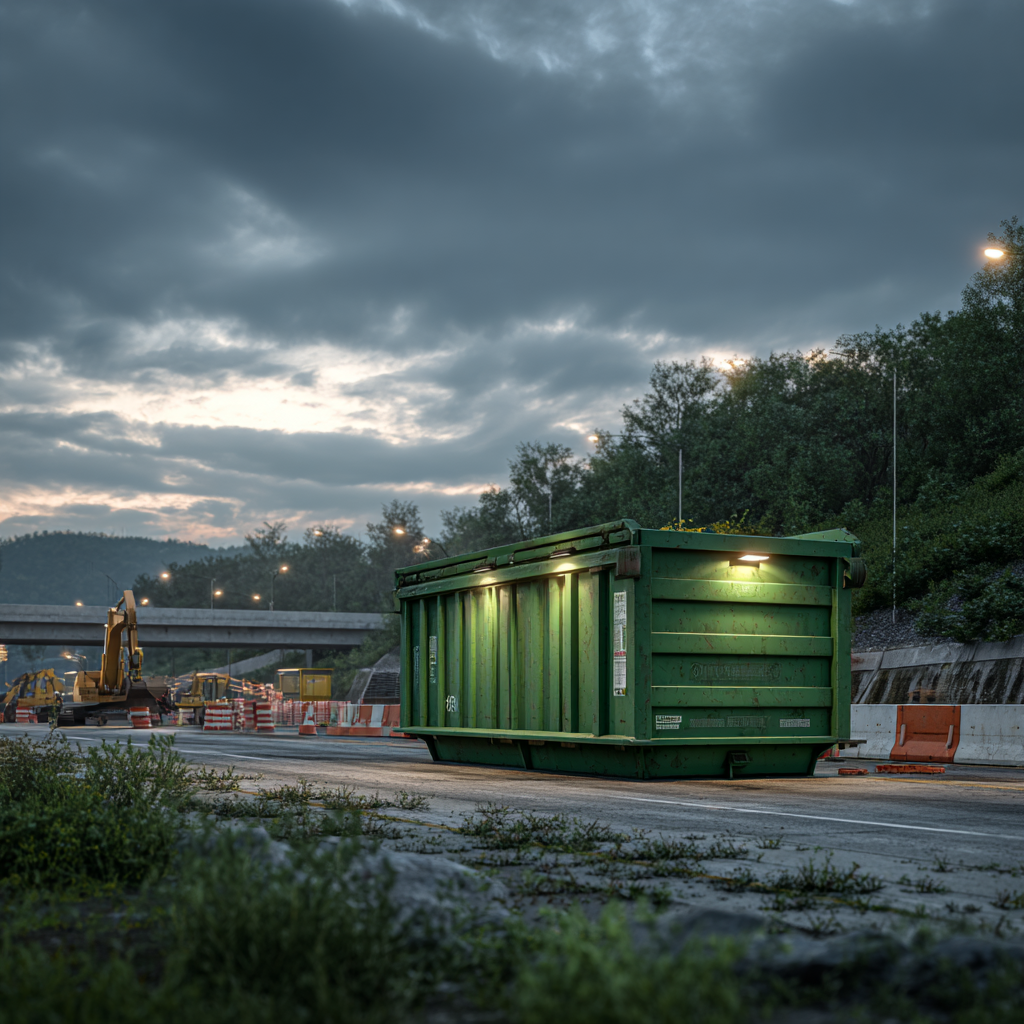
The difference between a smooth-running job site and a chaotic mess often comes down to one critical factor: strategic waste planning. Smart managers treat disposal as a core project element, not an afterthought.
Forward-thinking professionals request quotes during initial planning stages. This allows comparison shopping and guarantees capacity during busy seasons.
Accurate container sizing prevents both overpaying for unused space and facing mid-project shortages. Specialized teams help match capacity to your actual scope.
Understanding weight limits and prohibited materials avoids surprise fees. Optimize your rental duration to align with construction phases.
Establish relationships with providers who understand your industry’s unique demands. Coordinate deliveries with project start dates for maximum efficiency.
Proper planning prevents work stoppages from overflowing containers or missed pickups. Get quotes 30-60 days ahead and maintain open communication about timeline changes.
The event industry’s comeback brings more than just crowds – it creates concentrated waste management puzzles that need solving fast. Festival organizers and venue managers face challenges completely different from construction sites.
Successful events demand smart cleanup planning from the start. Your rental service must handle diverse materials like food waste, decorations, and beverage containers all at once.
Timing becomes everything with event planning. You need containers delivered before gates open and removed promptly after the last attendee leaves.
Multi-day gatherings might require mid-event exchanges to prevent overflow. Strategic placement balances accessibility with maintaining the guest experience.
Fifteen and twenty-yard units typically offer the best capacity for most events. They handle high volume while fitting into crowded venue layouts.
Delivery requires about 60 feet of straight access and 23 feet overhead clearance. Proper waste solutions protect you from violations and maintain community relationships.
Understanding your attendee count, duration, and food service scope ensures you get the right container volume. Smart planning keeps events clean and compliant.
Successfully managing rented dumpsters for infrastructure projects in 2026 requires understanding the scale, compliance requirements, and timeline challenges that separate these projects from standard construction work. Heavy material handling, documentation standards, and multi-phase coordination transform waste management into a critical project success factor.
At Prime Dumpster, our team is ready to help you navigate the complex requirements of infrastructure construction. We understand heavy debris logistics, government compliance standards, and extended timeline coordination. Contact us to develop waste management strategies that support your infrastructure projects while meeting regulatory requirements and controlling costs throughout the construction process.
If you are looking for Rented Dumpsters for Renewable Energy Projects in 2026, Click Here


