Mon - Sat 7:00 am to 7:00 pm


Mon - Sat 7:00 am to 7:00 pm

Campus construction projects face unique challenges that standard job sites never encounter. Academic calendars create tight construction windows, student move-outs generate massive waste surges, and ongoing campus operations demand careful coordination around pedestrian traffic and safety protocols.
At Prime Dumpster, we’ve coordinated waste management for residence hall renovations, academic building construction, and campus-wide infrastructure projects where timing and placement directly impact project success. Our planning guide for dumpster rentals for campuses in 2026 shows you what you can do now to set your projects up for success all year long.
Educational facility upgrades are one of many industries in 2026 that require the right rented dumpsters to succeed.
Understanding these campus-specific factors helps contractors develop waste management strategies that support construction goals while maintaining the academic environment and meeting institutional standards.
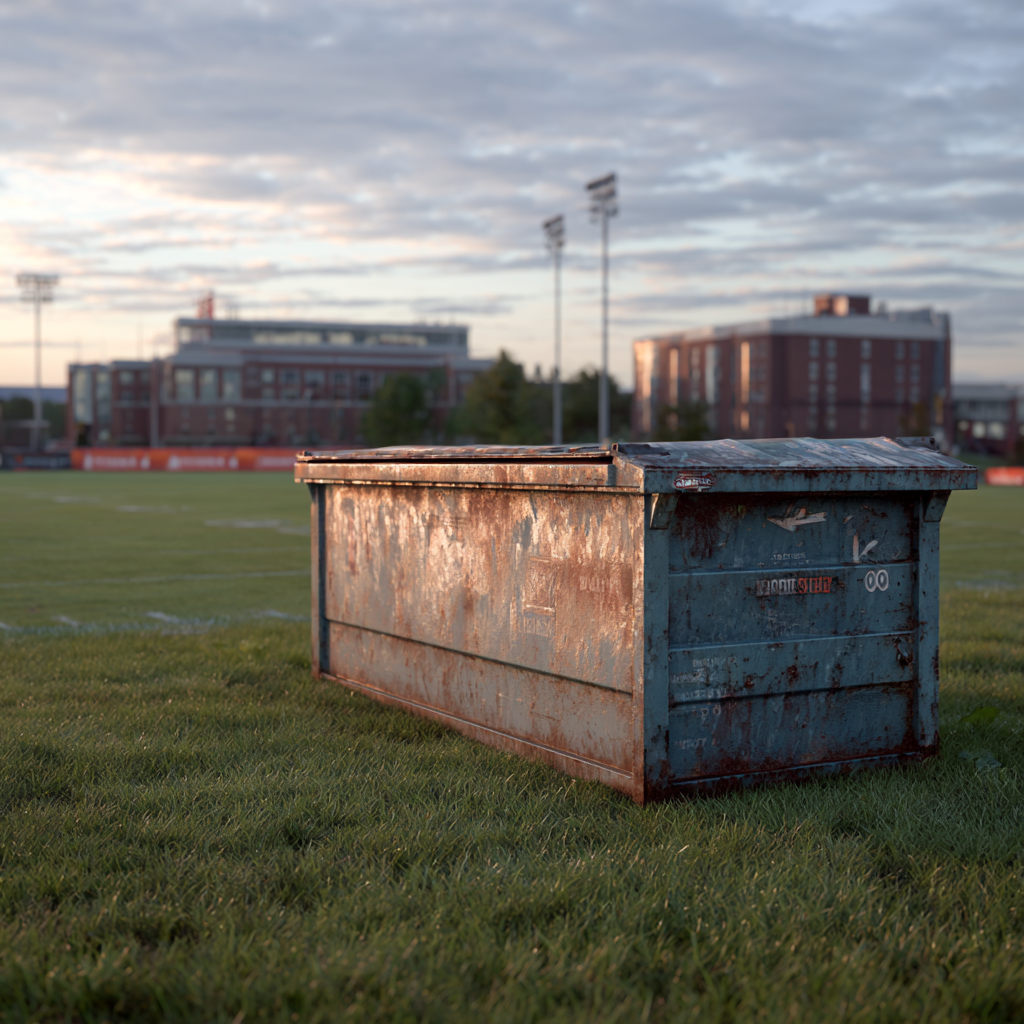
The ebb and flow of campus activities create distinct waste management challenges that follow the academic calendar. Knowing these patterns helps you stay ahead of disposal needs.
Both move-in and move-out periods generate massive amounts of materials. Students discard furniture, electronics, and household items in concentrated bursts. Summer brings concerts and orientation programs that require proactive planning.
Each season presents unique disposal demands. Graduation ceremonies and athletic events need flexible capacity solutions.
Construction work during academic terms differs from break-period projects. The volume and type of materials change significantly.
Renovations while classes are in session face different considerations. Understanding these patterns helps facility managers schedule appropriate services.
Anticipating needs prevents last-minute scrambling during peak times. This approach keeps projects moving smoothly throughout the year.
Choosing the right equipment is like picking the perfect tool for the job – it makes all the difference. We will explore the standard container sizes available for your projects. Understanding these options helps you plan effectively from the start.
Five standard sizes typically serve most project needs. These are measured in cubic yards, which refers to volume capacity.
A 10-yard unit is the smallest option. It works well for minor maintenance or cleaning out a single office. Think of it for light demolition or landscaping debris.
Stepping up, a 15-yard container offers more space. It’s a great fit for renovating a bathroom in a residence hall or handling cleanup after a campus event.
The 20-yard size is a versatile, mid-range choice. It frequently handles general construction projects or partial building cleanouts.
For larger efforts, like a complete office suite renovation, a 30-yard unit provides substantial capacity. The largest standard option, the 40-yard container, is essential for full building remodels or major demolition.
Picking the correct container size is crucial. Underestimating your needs leads to overflow and scheduling headaches. Overestimating wastes your budget on unused space.
Your selection depends on both the physical volume of debris and its weight. Exceeding weight limits results in extra fees, even if the container isn’t full.
It’s often wise to consult with your rental provider. Describe your project’s scope to ensure the chosen size matches your volume and weight requirements perfectly.
From move-out madness to summer construction, campus disposal needs shift like the seasons themselves. You need a flexible approach that adapts to changing activities throughout the year.
Summer transforms campuses into event hubs. Conferences, sports camps, and special programs generate different waste streams than regular academic terms.
These events create concentrated disposal needs. You might host a science camp one week and a music festival the next. Each requires tailored solutions for handling materials.
With fewer students on campus, the composition of everyday waste changes significantly. This is the perfect time for major facility improvement projects.
Semester transitions create peak disposal periods. Move-out weeks see massive surges of discarded household items and furniture. Strategic placement of multiple containers becomes essential.
Winter breaks offer golden opportunities for major construction work. Reduced campus populations mean you can tackle large-scale projects without disrupting classes.
Spring brings landscaping work and graduation preparations. Each season presents unique debris management challenges that require forward-thinking planning.
Construction teams must coordinate schedules with academic calendars. Timing your waste removal ensures smooth operations during critical campus periods.
Finding the perfect spot for your waste container on a university property requires more than just picking an empty space. You’re dealing with pedestrian traffic, tight schedules, and multiple operational needs all at once.
The right location balances convenience with safety. It should be close enough to your work area to save time, yet positioned to avoid disrupting campus life.
Your rental company needs clear access for delivery and pickup. They typically require 60 feet of straight-line space and 23 feet of vertical clearance. This prevents damage to property during container placement.
Look for these ideal placement zones:
Safety regulations mandate keeping containers 15-20 feet from buildings. This prevents fire hazards and maintains emergency access routes. Always choose level ground on paved surfaces like driveways to prevent tipping.
When street placement becomes necessary, you’ll need permits from local authorities. Coordinate with campus security about temporary road modifications. Planning ahead with site visits and backup locations ensures your project stays on track.
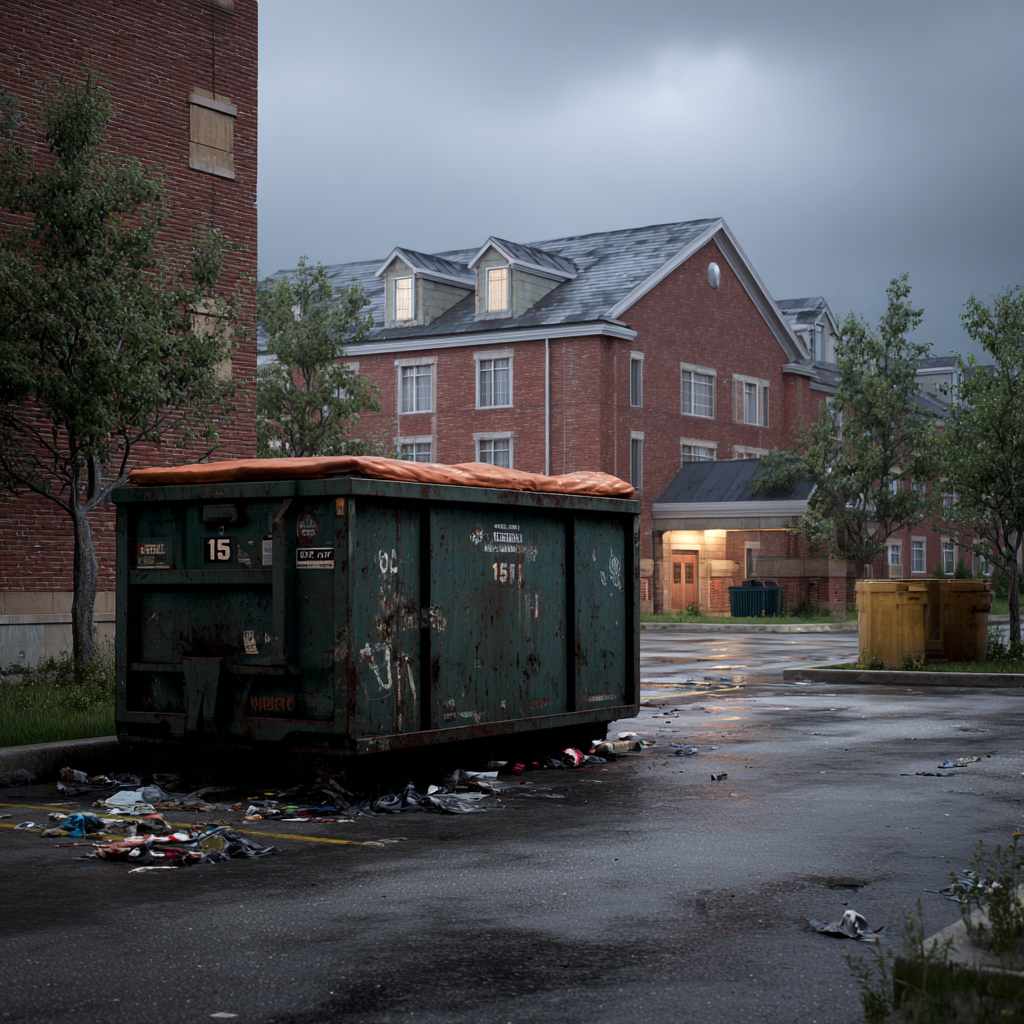
Mastering the logistics of container services of all project types requires understanding each step from order to removal. However, dumpster use on campuses and universities is unique in many aspects. Here’s what to know:
The rental process begins with accurate project assessment. You need to determine the right container size based on your construction scope and demolition volume.
Clear communication with your provider ensures smooth delivery. Discuss placement requirements and access restrictions upfront.
Weight limits directly impact your pricing. Exceeding allowances triggers overage fees, so estimate debris weight accurately during planning.
Prohibited materials require special handling. Hazardous waste, chemicals, and flammable substances cannot go in standard containers.
Schedule pickups based on fill levels and project phases. Avoid overflow while maximizing container capacity.
Experienced professionals build relationships with reliable services. They maintain clear communication about schedules and potential changes.
Ask critical questions about rental periods, fees, and flexibility. Understanding the complete process helps avoid surprises.
Effective coordination between construction managers and facilities departments addresses campus-specific requirements. This teamwork ensures projects stay on track.
Successfully managing dumpster rentals for campuses in 2026 requires understanding academic schedules, student populations, and sustainability requirements that separate university projects from standard construction work. Strategic container placement, seasonal planning, and environmental initiatives transform waste management into a competitive advantage for campus contractors.
At Prime Dumpster, our team is ready to help you navigate the specialized requirements of campus construction. We understand academic calendars, accessibility challenges, and sustainability goals that define successful university projects. Contact us to develop waste management strategies that support your campus construction while meeting institutional standards and environmental requirements throughout the project timeline.
If you are looking for Guide to Rented Dumpsters for Infrastructure Projects in 2026, Click Here


