Mon - Sat 7:00 am to 7:00 pm


Mon - Sat 7:00 am to 7:00 pm
Smart project managers know that effective 2026 dumpster rental planning starts now. Construction demand is hitting record highs, and waiting until peak season means higher costs, limited options, and potential delays.
Why plan so early? Because everyone’s competing for the same resources. The professionals who secure their waste management strategies first will dominate their markets while others scramble.
At Prime Dumpster, we’ve tracked booking patterns nationwide to create this planning guide. We cover early booking strategies, cost control, and multi-site coordination that transforms waste management from a headache into a competitive advantage.
Whether you’re managing one construction site or coordinating disposal across multiple locations, strategic 2026 dumpster rental planning gives you the edge you need to succeed.
Different industries have unique disposal needs. Construction sites generate heavy debris while events create mixed waste streams. Commercial renovations produce specialized materials. Understanding these different dumpster rental trends helps you choose the right solutions.
| Industry | Typical Waste | Special Considerations | Planning Timeline |
| Construction | Concrete, lumber, drywall | Heavy debris permits | 4-6 weeks ahead |
| Renovation | Fixtures, cabinets, flooring | Mixed material sorting | 3-4 weeks ahead |
| Commercial | Office furniture, electronics | Recycling requirements | |
| Events | Food waste, packaging | Quick turnaround needs | 2-3 weeks ahead |
Seasonal demand changes market conditions dramatically. Summer construction peaks create availability challenges. Winter events face weather-related delays. Planning ahead helps you navigate these fluctuations smoothly.
Environmental responsibility now plays a bigger role in waste management decisions. Sustainable practices reduce stress during project execution. Teams can focus on core work instead of last-minute disposal scrambling.
Mastering disposal coordination gives your business operational advantages. You gain better cost control and regulatory compliance.
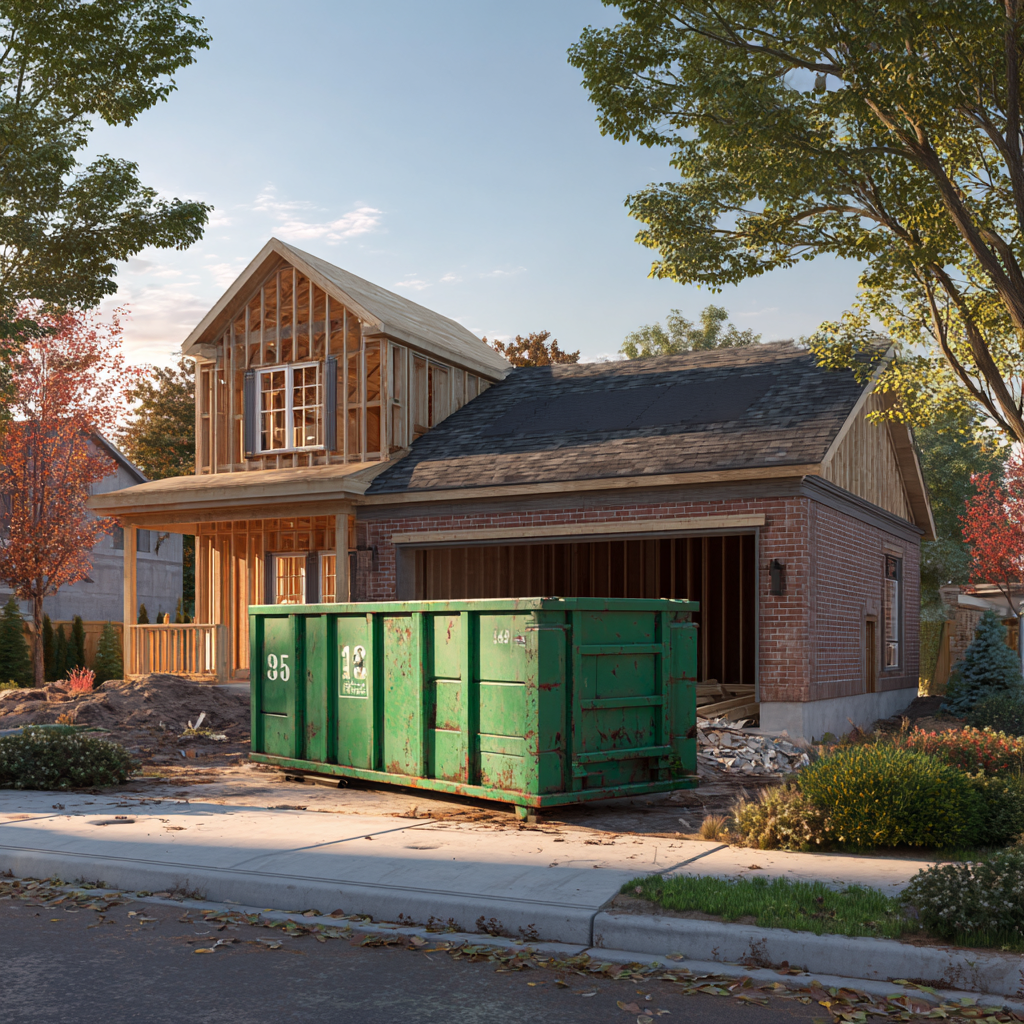
Smart project managers know that during peak building season, timing your equipment orders is as crucial as the work itself. The spring through fall months create intense demand for disposal solutions.
Securing your container ahead of time guarantees you’ll have what you need when you need it. You get first pick of sizes and better pricing options.
Early scheduling reduces stress throughout your project timeline. You avoid the panic of last-minute searches during busy periods.
Book your equipment one to two weeks before work begins. This ensures delivery matches your project start date perfectly.
Coordinate container arrival with specific project milestones. This prevents work stoppages from insufficient waste capacity.
Plan pickup schedules around completion phases. You avoid paying for extra rental days unnecessarily.
Last-minute arrangements during high-demand periods often mean limited options. They can derail your entire construction schedule.
Let’s talk dollars and sense—because nobody likes budget surprises halfway through a project. Understanding the complete cost structure helps you allocate resources accurately.
Base container costs vary significantly based on size and location. A 10-yard dumpster typically ranges from $399 to $499, while 20-yard units cost $449 to $649. Larger 30-yard containers run $599 to $799 for standard five-day rental periods.
Weight limits matter just as much as size. Smaller containers handle one ton safely, while larger units accommodate two to three tons before triggering overage fees. Accurate waste estimation prevents costly weight surprises that can double your disposal bill.
Delivery location, seasonal demand, and provider choice all influence your final price. Street placement often requires permits that add to your total project expenses.
Prohibited items create the biggest budget surprises. Hazardous materials, electronics, and certain construction debris require special disposal methods. Always confirm acceptable materials before booking to avoid expensive complications during pickup.
Several market forces impact pricing trends. Fuel costs and landfill fees are significant factors. Seasonal demand creates fluctuations.
Regional competition also plays a role. These elements combine to shape the final expenses you’ll encounter.
Use these practical strategies for effective budgeting:
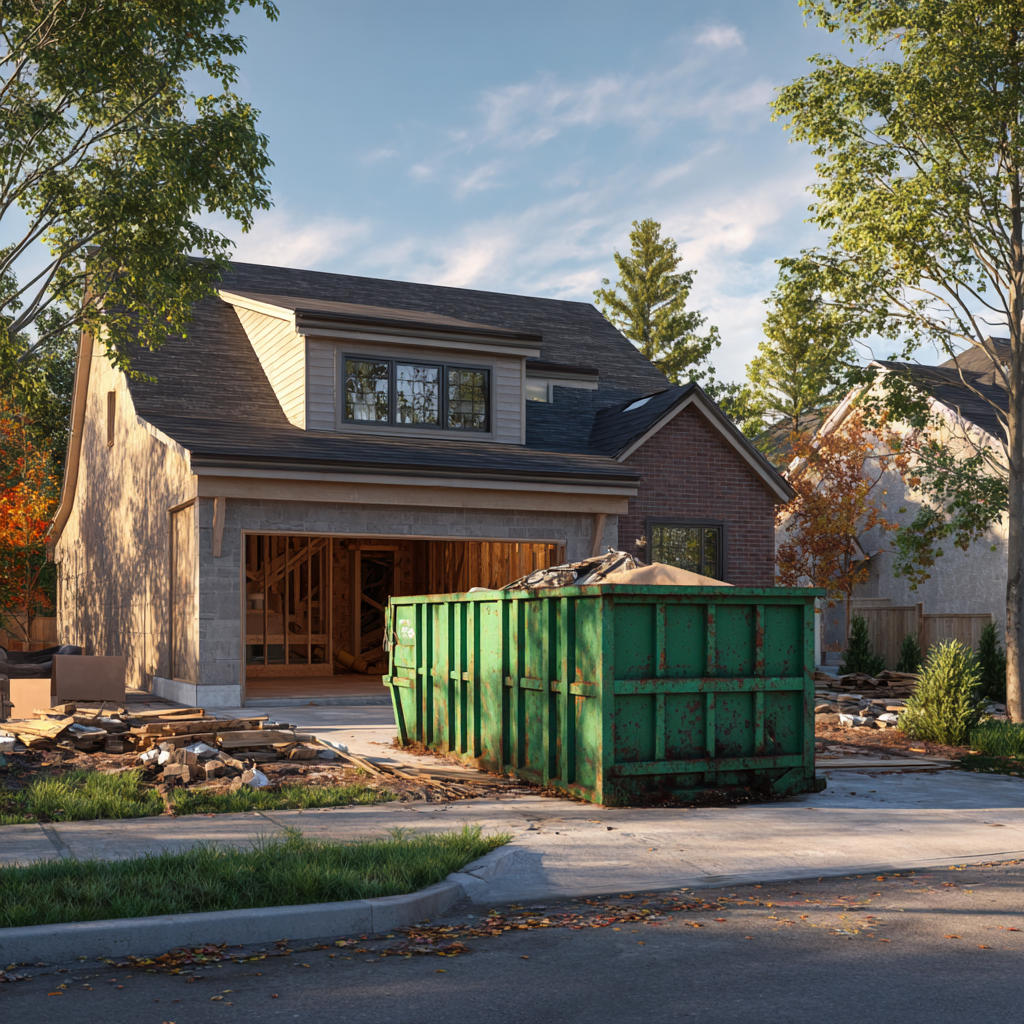
The container you choose becomes your project’s silent partner—get it right and everything flows. Selecting the appropriate capacity affects your timeline, budget, and overall efficiency.
Different jobs demand different capacities. Understanding standard sizes helps you match your needs perfectly.
| Container Size | Capacity (Pickup Loads) | Ideal Project Types | Common Applications |
| 10-yard | Approximately 3 loads | Small-scale work | Bathroom remodels, minor cleanouts |
| 15-yard | Bridge capacity | Medium-small projects | Kitchen updates, larger bathroom jobs |
| 20-yard | About 6 loads | Versatile mid-range | Flooring replacement, deck removal |
| 30-yard | Approximately 9 loads | Substantial work | Whole-home cleanouts, major renovations |
| 40-yard | About 12 loads | Large-scale projects | Demolition, commercial upgrades |
Remember that material density matters as much as volume. Heavy items like concrete may require smaller containers despite taking less space.
Estimate your square footage and debris type when selecting. Consult providers for specific guidance based on your project details.
Getting the size right saves money and prevents workflow interruptions. Professionals can offer valuable insights from similar jobs.
Green isn’t just a color anymore—it’s become a business requirement that’s reshaping how we handle project waste. Environmental responsibility now sits at the core of successful project execution.
Clients increasingly demand sustainable practices. Your waste management approach can become a competitive advantage.
Start by separating materials on site. Create distinct areas for metal, clean wood, and cardboard. This simple step reduces disposal costs significantly.
Consider using multiple smaller containers instead of one large mixed-waste unit. Different waste streams deserve separate handling. Donation opportunities exist for reusable building components.
Fixtures, doors, and undamaged materials can find new homes. Municipal recycling programs often offer financial incentives for proper segregation.
Regulations vary by jurisdiction but share common themes. Prohibited materials require special handling procedures. Documentation supports LEED certification and corporate reporting.
Train your crew on proper waste segregation. Designate clear areas for different material types. Sustainable practices represent both compliance and competitive advantage.
Your environmental commitment shows clients you’re forward-thinking. Proper waste management demonstrates professional excellence.
Multi-site operations demand a conductor’s touch – every container delivery and pickup needs perfect timing. When you’re managing several locations, your disposal strategy becomes a complex dance of logistics.
Effective coordination prevents costly delays and keeps all your projects moving smoothly. You need a system that works across different timelines and locations.
Start by booking your services 1-2 weeks ahead for each site. Stagger your deliveries to optimize provider availability and resource allocation.
Standardized protocols across all sites streamline your operations. Consistent placement guidelines and pickup processes reduce confusion.
Construction and renovation professionals face unique waste challenges that demand customized solutions. Your project’s success depends on matching the right container to your specific debris profile.
New construction generates lighter materials like wood scraps and packaging. These projects typically need larger containers since volume matters more than weight.
Renovation work produces denser debris. Old fixtures, concrete, and flooring materials weigh significantly more. You’ll need smaller containers despite the physical space they occupy.
Consider these practical matching guidelines:
Demolition phases create maximum debris volume early in your project. Time your container delivery to match this critical phase. Coordinate pickup when debris removal completes to optimize costs.
Renovation projects present special challenges since existing conditions remain unknown until demolition begins. Build flexibility into your rental arrangements to accommodate unexpected volumes.
Assess square footage, demolition extent, and material types before selecting your container. This careful planning prevents workflow interruptions and budget surprises.
Permits and regulations might seem like red tape, but they’re actually your project’s best friend for avoiding headaches. Understanding these requirements early prevents costly delays that can derail your entire schedule.
You’ll need permits whenever placing containers on public property like streets or sidewalks. Applications typically require 5-7 business days for processing through local public works departments.
Permits specify duration limits, usually up to 30 days. They also outline safety markings, reflector requirements, and barrier specifications. These placement requirements vary by jurisdiction.
Private property placement generally avoids municipal permits. But you still need property owner approvals and must check zoning restrictions. Homeowner associations often have their own compliance rules.
Safety regulations demand proper container placement that doesn’t block traffic. You need adequate marking for visibility and surface protection to prevent property damage.
Prohibited materials present another compliance challenge. Hazardous waste, electronics, and liquids require special handling outside standard disposal containers.
Research local requirements during your initial planning phase. Build permit costs into your budget and work with providers who understand compliance obligations. This proactive approach keeps your projects moving smoothly.
Digital tools are transforming waste management from a logistical headache into a streamlined business advantage. Modern technology brings new levels of efficiency to your disposal operations.
Digital scheduling platforms centralize your entire waste management process. They provide real-time visibility into container availability and delivery timelines.
These systems handle inventory tracking across multiple projects. Automated invoicing simplifies billing while customer engagement features keep everyone informed.
GPS technology revolutionizes delivery operations. Route optimization considers traffic patterns and site constraints to minimize travel time.
This technology reduces fuel costs and provides accurate arrival estimates. Mobile apps let field teams request services and report full containers instantly.
Data analytics track waste patterns across projects. This information helps identify cost-saving opportunities for future planning in 2026.
Adopting these technologies gives your business a competitive edge. They improve coordination while reducing operational expenses.

Think of waste management as the rhythm section of your project orchestra – it keeps everything moving smoothly. We have covered many strategies. Now let’s combine them into one powerful approach.
True mastery means weaving disposal into your overall project fabric. Don’t treat it as a separate task. Make it a core part of your operational rhythm.
Coordinate container timelines with specific work phases. Units should arrive as debris generation begins. They should depart when cleanup concludes.
This alignment prevents costly extensions and work stoppages. It turns waste management from a headache into a strategic advantage.
| Planning Approach | Integration Level | Typical Outcome | Recommended For |
| Last-Minute | Low | Higher costs, delays | Unexpected small tasks |
| Basic Scheduling | Medium | Adequate service | Simple single-site jobs |
| Fully Integrated | High | Predictable efficiency | Complex or multi-site projects |
Establish regular communication with your provider. Schedule periodic reviews as project conditions change. This partnership approach ensures adaptability.
Successful planning balances cost, availability, sustainability, and logistics. Create standardized processes you can replicate across projects.
Mastering these strategies gives your business real competitive edges. You gain predictable costs and reliable service. Your investment in smart preparation pays off with smoother execution.
Successful 2026 dumpster rental planning comes down to one thing: treating waste management as a strategic advantage, not an afterthought. The professionals who book early, size containers accurately, and coordinate delivery timing will dominate their markets. Those who wait until peak season will pay premium rates and face limited availability.
Our nationwide network combines industry expertise with local knowledge to tackle every challenge you’ll face in 2026. We understand government contract requirements, commercial project timelines, and the capacity constraints hitting the construction industry. Contact us to secure your waste management strategy before peak demand makes containers scarce and expensive.
If you are looking for PD Quick Guide: Dumpster Rentals for Events in 2026, Click Here


