Mon - Sat 7:00 am to 7:00 pm


Mon - Sat 7:00 am to 7:00 pm
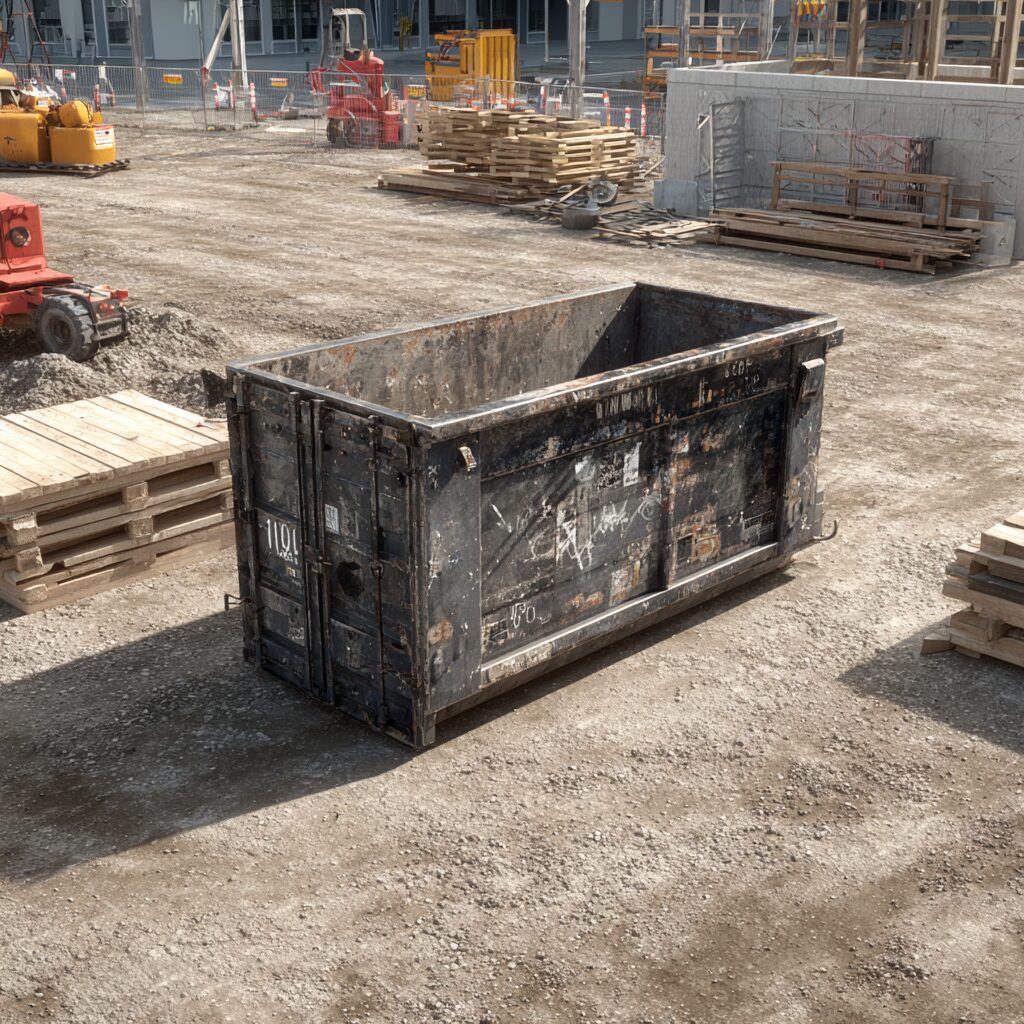
🍂 Fall weather creates a variety of unique challenges for dumpster and porta potty rentals. In our Fall Site Services Series, we’re taking a closer look at how to keep your site services operating efficiently and within budget during the Autumn season. 🍂
Fall construction projects face the perfect storm of tighter deadlines and unpredictable weather patterns. Contractors race against winter’s arrival while managing debris loads that mix standard demolition waste with nature’s seasonal contributions.
At Prime Dumpster, we’ve coordinated construction dumpster rentals for Fall for thousands of projects nationwide. Our guide reveals proven strategies for managing waste disposal efficiently during autumn’s most challenging construction months.
Construction teams face unique seasonal challenges that require specialized waste management approaches during the autumn months.
Weather-Aware Scheduling: Book containers 4-6 weeks early to avoid holiday demand spikes and secure flexible pickup timing for rain delays or unexpected snow that can halt construction progress.
Mixed Debris Management: Fall projects generate 25-40% more volume due to organic materials like leaves mixing with construction waste, requiring larger containers or more frequent pickups than summer projects.
Material Protection Planning: Position dumpsters to shield work areas from prevailing winds while using tarps and covers to prevent moisture from increasing debris weight and disposal costs by up to 18%.
Daylight Optimization: Plan for 1-2 fewer productive hours daily by November, coordinating waste removal schedules around shortened work windows to maintain project momentum before winter freeze.
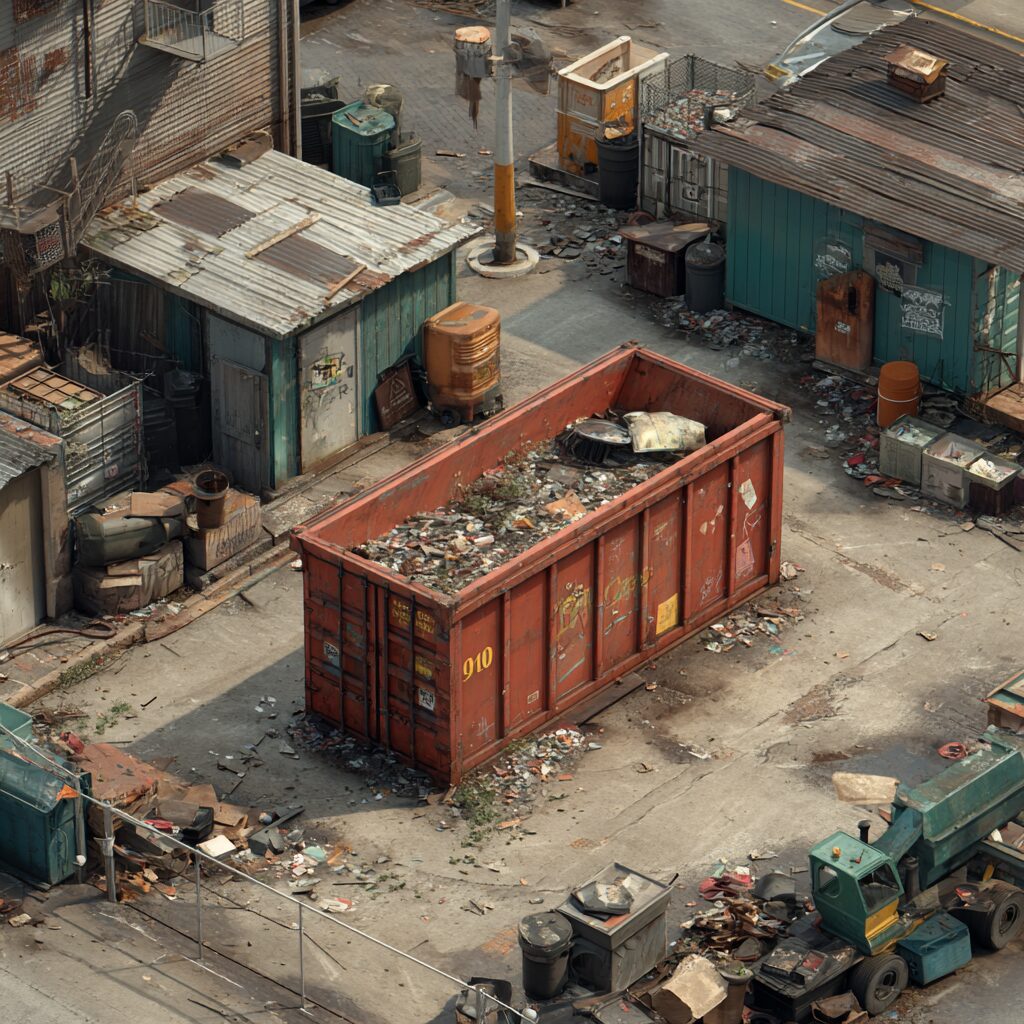
Contractors know the first freeze isn’t just a date—it’s a finish line. Worksites become battlegrounds where timelines clash with nature’s schedule, creating two distinct headaches: calendar chaos and debris cocktails. Let’s break down what makes these months especially demanding for construction dumpster rentals for Fall.
Daylight shrinks faster than your coffee supply when racing impending frost. Teams lose 1-2 productive hours daily by November, forcing smarter debris removal plans. Overflowing containers? They’ll cost you $150+ in extra fees while delaying critical equipment access.
Picture this: Your team tosses drywall scraps into a bin already stuffed with oak leaves. Now you’ve got a lightweight, space-hogging mess that many landfills charge extra to process. Organic matter acts like packing peanuts in containers—bulky but weightless, skewing disposal calculations.
Smart crews use color-coded bins for different materials. Blue for branches, red for roofing scraps. This simple system prevents cross-contamination fees and keeps projects moving when every minute counts.
Roofers face a race against time when October rolls in. Emergency repairs from summer storms and full replacements before snowfall demand smart waste planning. Let’s crack the code on matching your project’s needs to the right container strategy.
Ever seen a 15-yard container overflow with cedar shakes? Fifteen-yard units hold about 15 squares of asphalt shingles – perfect for mid-sized homes. But commercial tear-offs? That’s where 20-yard beasts shine, swallowing six truckloads of debris.
Material weight changes the game. Slate and tile weigh 3x more than standard shingles. Guess wrong, and you’ll pay overweight fees faster than squirrels stash acorns. Always calculate both volume and poundage when sizing up your construction dumpster rentals in Fall.
November rains turn uncovered shingle piles into soggy messes. Use lockable lids or tarps to prevent waterlogged debris from doubling in weight. Smart crews schedule pickups before major storms – trucks can’t navigate muddy sites.
Ever filled a kiddie pool with a firehose? That’s what happens when you mismatch bins and projects. Get this decision right, and you’ll avoid paying for air or wrestling with overflow. Let’s break down how to match container sizes to your specific needs.
Bathroom makeovers or deck repairs typically fill 3-6 truck beds, making 10-yard containers the perfect match for compact projects. These units handle three loads neatly while fitting into tight driveways without blocking garage access or creating neighbor complaints.
For slightly larger jobs like garage cleanouts combined with landscaping debris, 15-yard options provide the extra space needed without jumping to oversized containers that waste money on unused capacity.
Commercial renovations and large-scale demolition projects generate 12-14 truckloads of debris, requiring the substantial capacity that 20-yard and 30-yard containers provide.
For massive undertakings like multi-story building demolitions or stadium renovations, 40-yard units offer maximum volume while maintaining the 8-foot height that requires careful clearance planning around power lines and overhead obstacles.
Heavy materials like concrete and wet leaves mixed together often necessitate multiple smaller containers rather than one oversized unit to avoid costly overweight fees that can quickly devastate project budgets.
Quick tips for savvy teams:
When amber hues paint job sites, smart teams treat debris plans like playoff schedules – every move counts. Seasonal demand spikes transform waste management into a high-stakes chess match. Book containers 4-6 weeks early to dodge holiday rushes and price hikes that hit harder than November frost.
Phased approaches win here. Start demolition with 10-yard units for precise material sorting, then upgrade to 30-yard beasts for bulk removal. One Chicago crew saved 22% by swapping sizes mid-project instead of renting oversized bins. Their secret? Aligning container capacities with each phase’s output.
Weather gambles cost more than ruined coffee breaks. Build 3-day buffers into rental timelines for rain delays or surprise snow flurries.
Three moves separate pros from rookies:
Time your swaps smarter. Two 15-yard bin exchanges often beat one 30-yard marathon rental when working near tight deadlines.
Prime Dumpster Pro Tip: You’ll avoid overflow fees that devour budgets faster than leaf blowers clear parking lots.
Think of autumn storms as your job site’s uninvited guest – they’ll trash the place if you don’t lock things down. Moisture and wind become budget-eating monsters when they infiltrate your materials or overload containers. Here’s how to outsmart the elements without becoming a meteorologist.
Tarps aren’t just for backyard grills. Heavy-duty covers rated for 50+ mph winds keep rain from turning debris into a 300-pound sponge. Secure them with ratchet straps instead of bungee cords – one Ohio crew learned this after their tarp became a neighborhood kite during a November squall.
Place containers on elevated ground when possible. Standing water adds weight fast – wet leaves can increase disposal costs. Smart teams use angled lids that shed rainfall while allowing easy access.
Store lumber and drywall at least 10 feet from waste bins. Windborne debris scratches surfaces and creates costly replacements. Create windbreaks using scaffolding panels or temporary fencing – it’s cheaper than replacing warped window frames.
Check weather apps like your morning coffee ritual. When storms hit forecasts, deploy roll-off covers immediately. Top contractors use color-coded systems: red straps for urgent weather prep, yellow for routine coverage.
Timing dumpster arrivals is like conducting a symphony – miss a beat and the whole project falls out of rhythm. Smart scheduling keeps crews working while trucks roll in and out seamlessly. Let’s explore how top teams nail this logistical dance.
Book services 3-4 weeks early during peak seasons when providers juggle limited trucks. Pair these strategies:
Designate a logistics captain to track fill levels and coordinate with drivers. Use color-coded flags on bins – green for “ready,” red for “needs attention.” Smart teams:
One Denver crew cut delays by 40% using walkie-talkies between foremen and drivers. Remember: Clear access beats convenience when ground conditions turn soggy.
Build in 48-hour buffers for weather delays. Providers often prioritize clients who plan ahead – your preparedness becomes their preference when trucks are scarce.

Job sites transform into debris tornadoes when autumn arrives. You’re not just managing broken concrete and scrap lumber now – nature’s confetti (looking at you, maple leaves) crashes the party. Master these strategies to keep your site cleaner than a freshly swept porch.
Color-coded bins are your new best friends. Designate green containers for branches and leaves, blue for recyclables like metal and clean wood. This simple system prevents leaf piles from hogging space meant for drywall scraps.
Know what’s allowed in your bins like you know your coffee order. Roofing shingles? Check. Old batteries? Nope – those go to specialty centers. Many landfills now charge extra for mixed loads containing organic matter. Smart teams partner with local recyclers to divert 30%+ of materials from landfills, turning potential costs into sustainability bragging rights.
Three rules for waste warriors:
Get this right, and you’ll spend less time playing trash detective and more time finishing projects before winter’s first snowball fight.
Successfully managing construction dumpster rentals for Fall requires more than just choosing the right container size—it demands understanding seasonal challenges and planning around weather variables that can impact project timelines. Smart waste management strategies eliminate costly delays while keeping your crews productive through autumn’s demanding construction season.
Prime Dumpster specializes in site service solutions for construction sites in Fall. We’ll help you adapt to changing weather conditions and seasonal deadlines. Contact our experienced team to discover how our construction-focused approach can help you complete projects efficiently while navigating autumn’s unique challenges and tight pre-winter timelines.
If you are looking for Q&A with the Prime Dumpster Pros: Apartment Dumpster Use, Click Here


