Mon - Sat 7:00 am to 7:00 pm


Mon - Sat 7:00 am to 7:00 pm
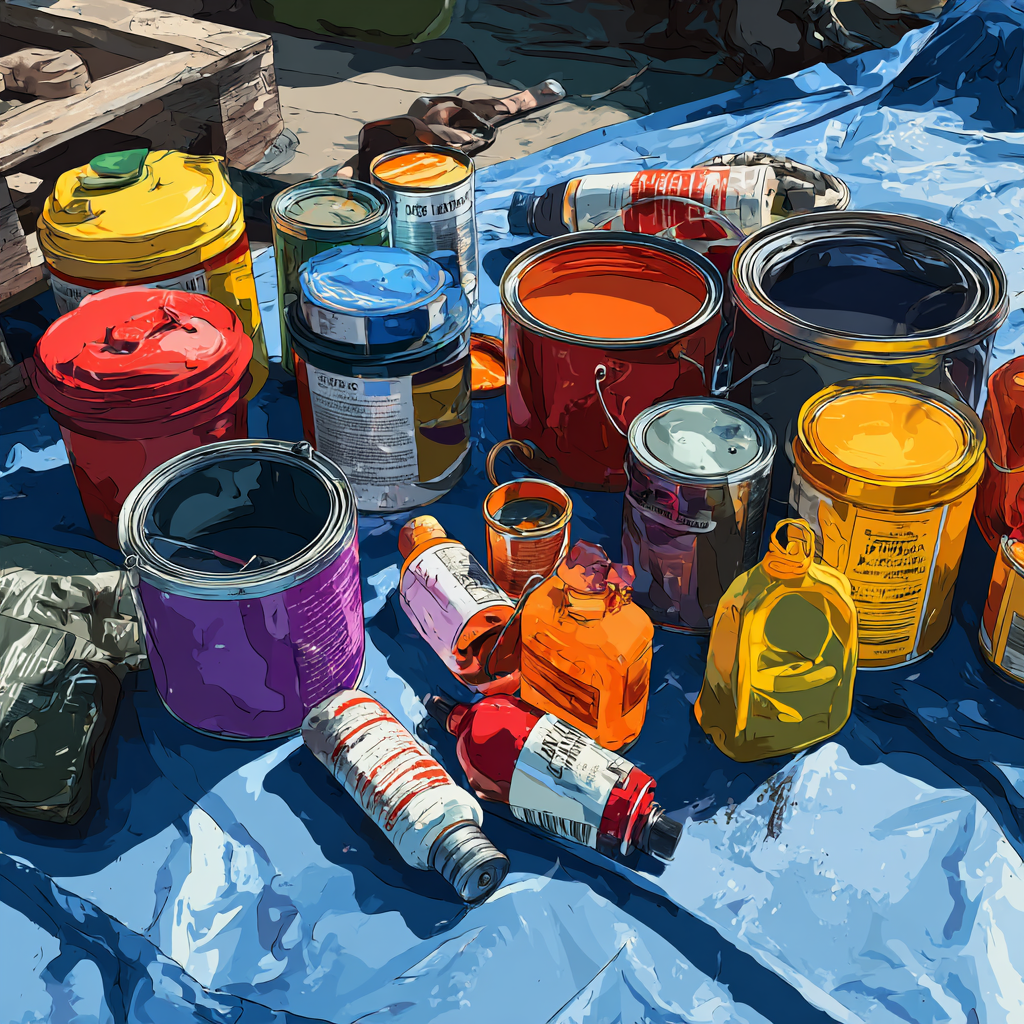
Planning your 2026 projects means getting every detail right from the start. One critical aspect that can make or break your timeline is knowing how to dispose of different materials in a rented dumpster properly.
Whether you’re a construction manager preparing for next year’s builds, an event planner organizing large-scale gatherings, or a facility manager handling commercial upgrades, understanding dumpster disposal rules is essential. The wrong approach can lead to rejected pickups, surprise fees, and costly project delays.
Prime Dumpster has serviced over 43,000 projects across 30 industries, and we’ve seen firsthand how proper waste planning transforms project outcomes. Our comprehensive guide covers everything you need to know about disposing of different materials in a rented dumpster for your 2026 initiatives.
From 10-yard containers for small renovations to 40-yard giants for major construction sites, we’ll help you navigate the complexities of waste disposal regulations and best practices. Let’s ensure your 2026 projects run smoothly from day one.
Here’s a quick breakdown to determine what materials you can safely dispose of in your rented dumpster.
| Material Type | Typically Allowed | Disposal Notes |
| Household furniture & debris | ✓ Yes | Wooden tables, chairs, clothing, toys, general household items |
| Construction debris | ✓ Yes | Drywall, lumber, flooring, fixtures, roofing shingles and tiles |
| Empty paint cans | ✓ Yes | Must be completely empty with no residue |
| Dry latex paint | ✓ Yes | Must be dried out and wrapped in plastic bags |
| Most appliances | ✓ Yes | Microwaves, stoves, dishwashers (remove fuel from grills) |
| Yard waste | ✓ Yes | Branches, leaves; some areas limit quantities or charge for stumps |
| Standard batteries | ✓ Yes | AA, AAA, D alkaline batteries only |
| Refrigerators & water heaters | ✗ No | Contain harmful refrigerants and chemicals |
| Oil-based & lead paints | ✗ No | Toxic materials requiring specialized disposal |
| Car & lithium batteries | ✗ No | Require special recycling due to hazardous components |
| Tires & propane tanks | ✗ No | Can damage equipment or cause fires |
| Electronics | ⚠️ Varies | Complex rules; contact provider for guidance |
| Contaminated soil | ✗ No | Requires approved treatment facilities |
| Pesticides & chemicals | ✗ No | Need designated hazardous waste collection centers |
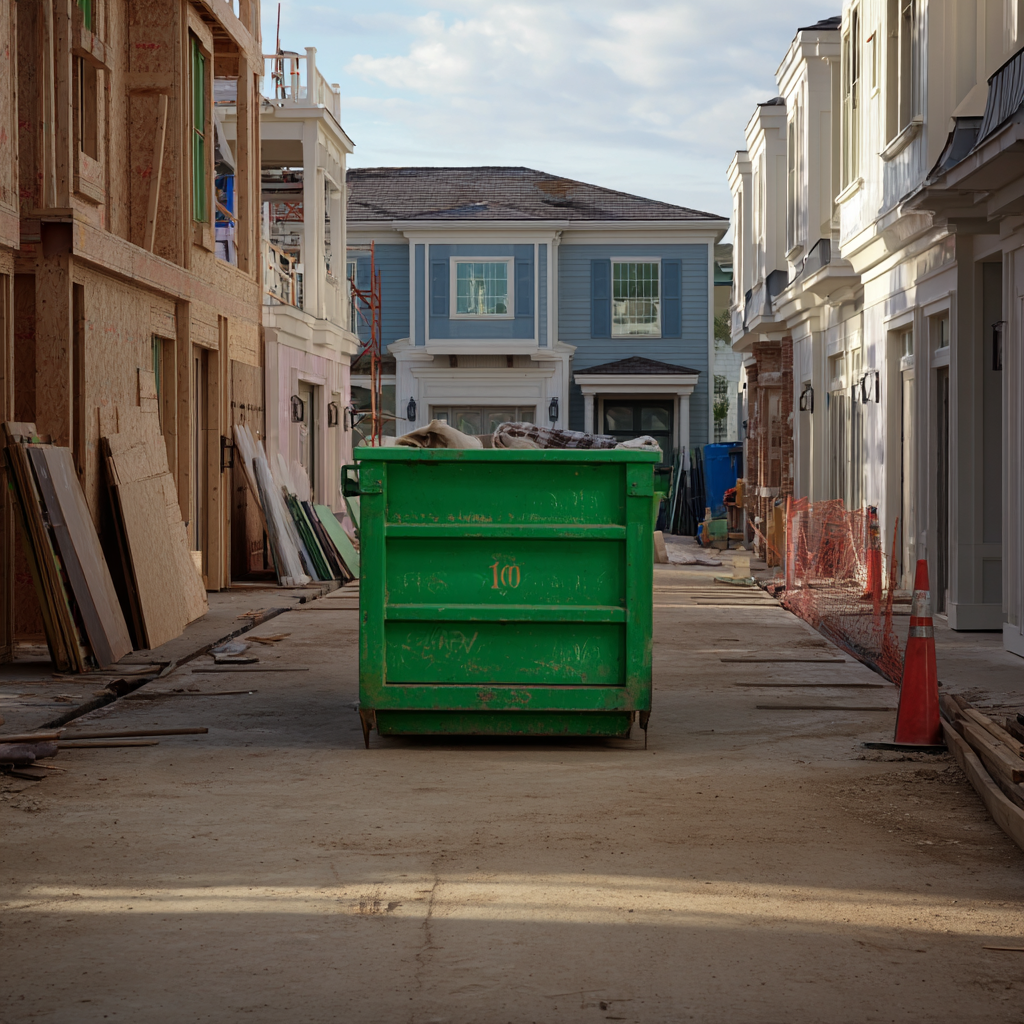
Your dumpster rental comes with a clear list of dos and don’ts for loading it up. Getting this right from the start saves you time, money, and potential fines.
Most everyday project waste is perfectly acceptable. This includes general clutter from cleanouts.
You can confidently fill your container with standard household trash. Think old furniture, clothing, toys, and kitchenware. Wooden tables, chairs, and bookcases are almost always good to go.
Construction debris is another major category for your dumpster. This includes drywall, lumber, flooring, and old fixtures. Roofing materials like shingles and tiles are also typically accepted.
Some items are strictly prohibited due to safety and environmental laws. Throwing these away improperly can create serious hazards.
Always check with your rental company about local rules for upholstered furniture and other specific items. A quick call prevents big problems later.
Not all projects are created equal, and neither are dumpster sizes. Picking the correct container is crucial for staying on budget and on schedule. We will guide you through the standard options.
Remember, heavy debris like concrete or brick has strict weight limits. Even a half-full container can be overweight. Some service areas offer special heavy-duty dumpsters for these dense materials.
A 10-yard dumpster is your go-to for smaller tasks. Think garage cleanouts or a single bathroom remodel. It fits tight spaces and handles limited waste volume perfectly.
Step up to a 15-yard container for medium-sized projects. It manages small room remodels or yard cleanup jobs that produce more debris. This size gives you extra room without being overwhelming.
The 20-yard dumpster is a contractor’s best friend. It handles kitchen remodels, roof replacements, and estate cleanouts with ease. This versatile size balances capacity and accessibility.
For large construction projects or whole-home renovations, a 30-yard dumpster is ideal. It provides significant capacity, often eliminating the need for multiple container swaps.
Major commercial construction and large-scale demolition demand a 40-yard dumpster. This giant container manages maximum waste volume, serving as the ultimate project workhorse.
Before you toss anything into your container, understanding your area’s specific rules is the most important step you’ll take. Local regulations can make or break your project timeline.
What’s acceptable in one town might be banned in the next. Always contact your waste management authority or rental provider first.
State and municipal rules vary dramatically. Materials accepted elsewhere could face restrictions in your service area. This advance research prevents costly fees and compliance issues.
Safety requirements protect workers, equipment, and the environment. Understanding why certain items can’t be thrown away helps you find proper alternative disposal methods.
Check items for hazard symbols before loading. Follow product packaging instructions if you find any warning labels.
Distribute weight evenly across the container floor. Avoid concentrating heavy debris in one spot to prevent tipping hazards.
Verify paint containers are fully dried before adding them to your load. Latex paints can be poured into absorbent material to dry properly.
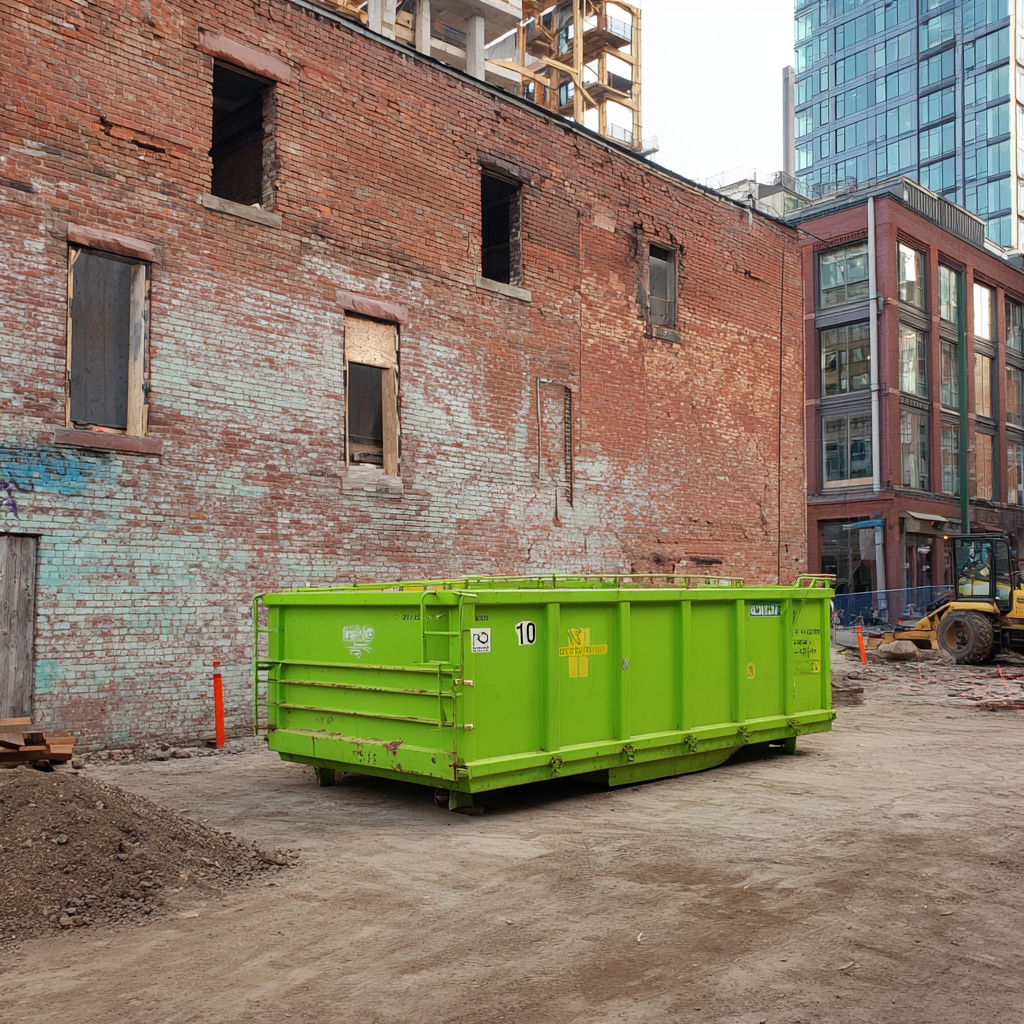
Some materials demand extra care to avoid environmental damage and regulatory fines. Here’s the trickiest categories that require special handling.
Paint disposal depends entirely on the type. Dry latex paint wrapped in plastic bags typically gets approved. Empty paint cans are usually acceptable.
Oil-based paints, lead-based paints, and paint thinners cannot go in your container. They can leak and contaminate groundwater. Chemical household cleaners and solvents need designated collection centers.
Pesticides in any form require specialized chemical waste services. Improper disposal harms plants, wildlife, and people through groundwater contamination.
Most appliances like microwaves and stoves are acceptable. Refrigerators and water heaters face strict prohibitions due to toxic refrigerants.
Remove all gasoline from grills and lawn mowers before disposal. Certain appliances may trigger additional fees based on local recycling requirements.
Electronics create complex challenges. Working devices become hazardous when broken in landfills. Components can leak harmful chemicals.
Batteries demand careful sorting. Standard alkaline batteries (AA, AAA, D) can go in dumpsters. Car batteries and lithium types require special recycling.
Yard waste, including branches and leaves is generally acceptable. Some areas limit quantities or charge fees for stumps.
Heavy materials like concrete and brick need special consideration. Weight limits apply regardless of how full your container looks.
Contaminated soil requires approved treatment facilities. Mattresses face restrictions in many areas due to recyclable components.
Food waste acceptance varies dramatically. Some areas allow small amounts while others ban it entirely.
Knowing how to dispose of different materials in a rented dumpster properly protects your project timeline and budget. Acceptable items include household debris and construction materials, while hazardous substances like chemicals, batteries, and certain appliances require special handling. Following local regulations and proper loading techniques across all container sizes ensures smooth pickups and avoids costly surprises.
Prime Dumpster’s nationwide expertise and proven track record across 43,000+ projects make us your trusted partner for waste management success. Contact us to discuss your specific disposal needs and secure reliable dumpster services for your upcoming projects.
If you are looking for Emergency Dumpster Preparation Tips for 2026, Click Here


