Mon - Sat 7:00 am to 7:00 pm


Mon - Sat 7:00 am to 7:00 pm

Managing compliance requirements and controlling costs can make the difference between a profitable project and a budget-busting nightmare. Mastering dumpster rental compliance and cost management means understanding regulations before they become problems and preventing fees before they appear on your final bill.
At Prime Dumpster, we’ve guided thousands of contractors, project managers, and business owners through the complexities of waste disposal regulations nationwide. Our comprehensive Q&A sessions with experienced professionals reveal the insider strategies that keep projects compliant, costs predictable, and operations running smoothly from delivery through final pickup.

We asked the Prime Dumpster Pros for their expert guidance on navigating weight limits and compliance requirements. Here’s their advice on staying within regulations while managing costs effectively throughout your entire rental period.
“Weight limits are based on what’s safe for trucks to haul and what disposal facilities can legally accept,” says a Prime Dumpster Pro. “Most containers can physically hold 8-10 tons, but your rental includes a specific tonnage allowance – usually 1-5 tons depending on size – that’s built into your quoted price. Anything over that allowance gets charged per ton at the disposal facility’s rate.”
“Every area has different rules about hazardous materials, electronics, and certain construction debris like asbestos or treated lumber,” says a Prime Dumpster Pro. “What’s accepted in one city might be prohibited 20 miles away because different facilities have different processing capabilities. We always provide a prohibited items list specific to your location when we deliver your container.”
“You’ll need permits anytime you’re placing a dumpster on public property like streets or sidewalks, but the rules change dramatically between municipalities,” says a Prime Dumpster Pro. “Some cities require permits for any street placement, others only for certain neighborhoods or time periods. Private property placement usually doesn’t need permits, but always check with your local building department if you’re unsure.”
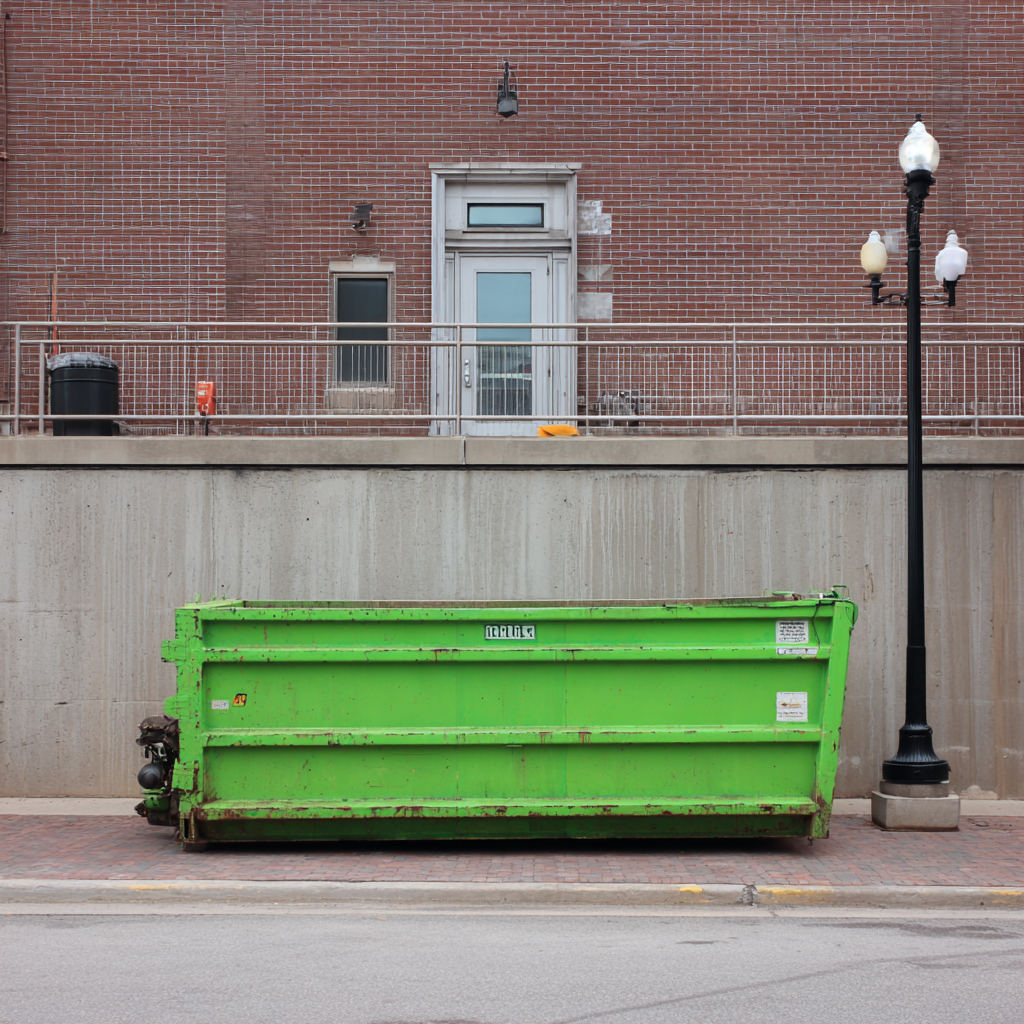
We asked the Prime Dumpster Pros about the most effective strategies for controlling costs and preventing surprise charges. Here’s their guidance on optimizing your rental to avoid common fee pitfalls.
“The big three are weight overages, overfilling penalties, and trip fees for blocked access,” says a Prime Dumpster Pro. “Weight overages happen when people load too much concrete or dirt without mixing in lighter materials, overfilling occurs when debris goes above the fill line, and trip fees hit when our drivers can’t access the container due to parked cars or blocked driveways. All three are completely preventable with basic planning.”
“Build buffer time into your initial rental rather than cutting it close and paying premium extension rates,” says a Prime Dumpster Pro. “Most people underestimate how long their project will take, so I recommend adding 2-3 extra days to your estimated timeline upfront. It’s much cheaper to include those days in your original rental than to extend daily at higher rates.”
“Schedule delivery for the day before you start generating waste and pickup for the day after you expect to finish loading,” says a Prime Dumpster Pro. “This gives you flexibility without triggering rush charges or weekend premiums. Also, coordinate with your provider’s regular route schedule – deliveries and pickups during their normal service days cost less than special trips.”
From understanding weight restrictions and local regulations to preventing common fees and optimizing rental periods, these strategies ensure your waste disposal supports rather than sabotages your project success.
Contact our team for your next project and experience the difference of working with waste management professionals who understand both the regulatory landscape and the real-world challenges of effective cost control.
If you are looking for Rented Dumpster Troubleshooting: 7 Easy Fixes for Common Problems, Click Here


