Mon - Sat 7:00 am to 7:00 pm


Mon - Sat 7:00 am to 7:00 pm

Construction crews and project managers often struggle with timing their waste removal perfectly, leading to costly extensions or wasted rental days. A comprehensive dumpster rental duration guide helps you synchronize container sizes with project timelines, avoiding the expensive mistakes that derail both budgets and schedules.
Prime Dumpster’s project coordination expertise has developed this essential dumpster rental duration guide based on thousands of successful installations across various project types. Our strategic approach helps contractors, renovators, and event planners match container capacity with rental periods while avoiding the timing mishaps that create unnecessary expenses.
What size dumpster do you need and how long do you need it? Here’s a quick look at the main facts to know:
Now let’s explore the detailed strategies that help you optimize both container sizing and rental duration for maximum project efficiency.

Ever watched a demolition crew work faster than your weekend cleanup crew? Whether tackling a construction site or clearing out a packed attic, your debris strategy needs precision. The secret lies in matching your workflow to the right container and timeline.
Demolition jobs blast through materials like kids through birthday cake – fast and messy. A teardown might fill a container in days. But renovations? They trickle out debris for weeks. Contractors often need extended timelines for multi-phase work.
Heavy items like concrete demand careful planning. Lightweight drywall? It stacks neatly but eats space. Smart teams track their daily debris output to predict needs. One rule: Always add a buffer day for surprises.
Clearing a hoarded home feels like solving a junk puzzle. That vintage couch? It’s not fitting through the door sideways. You’ll need flexibility for bulky items and hidden treasures buried under decades of stuff.
Event planners face the opposite challenge. Concert crowds leave mountains of trash in hours. You’ve got one shot to haul it all before the next show starts. Coordinate pickup times like your reputation depends on it – because it does.
Ever tried squeezing a king-size mattress into a studio apartment? That’s what happens when container dimensions don’t match your mess. Five standard options exist – 10 to 40 yards – but picking the right one requires more than guesswork.
Ten-yard units are your weekend warriors. They handle single-room makeovers or attic purges but fill faster than you’d expect. Contractors often pair these with 1-3 ton weight limits for lighter materials.
Mid-sized 15– and 20-yard bins work like Swiss Army knives. They manage kitchen overhauls or roofing jobs without hogging driveway space. Their 2-4 ton capacity handles mixed debris better than smaller options.
Need heavy artillery? 30– and 40-yard containers swallow whole-house renovations or commercial tear-downs. Just remember – their 5-6 ton limits mean careful loading. One overloaded pickup could cost more than the rental itself.
Bigger bins buy breathing room but demand real estate. A 40-yard unit might need two parking spots – fine for construction sites, impossible for suburban driveways. Their extended timelines help avoid mid-project swaps.
Smaller containers fill quicker with dense materials. Concrete chunks can quickly max out a 10-yard bin’s weight limit, even before you fill it halfway. Smart teams track daily waste output to match container lifespan with project phases.
Mismatched sizes create domino effects. Overstuffed bins lead to emergency pickups. Half-empty ones waste money. Measure twice, order once – your timeline (and budget) will thank you.
What do weekend warriors and construction crews have in common? Both need their debris gone yesterday. Choosing how long to keep your container involves more than marking a calendar – it’s about syncing your project’s heartbeat with available time slots.
Think of your container as a parking spot for junk. A 10-yard unit fills faster than you can say “spring cleaning” – perfect for 5-day slots. But try cramming a roof tear-off into that timeframe? You’ll be playing Tetris with shingles by day three.
Bigger projects need breathing room. That 30-yard monster? It’s built for month-long marathons like whole-house remodels. Crew size matters too – three workers fill bins twice as fast as a solo DIYer. Always check weather forecasts – rain delays turn efficient timelines into soggy messes.
Prime Dumpser Pro Tip: Pad your schedule. Adding three extra days upfront costs less than emergency extensions. Always confirm weight limits – overstuffing leads to fees that’ll make your wallet weep. Remember, the right time frame keeps your project rolling smoother than a freshly paved driveway.
Ever had a parking ticket ruin your day? That same sinking feeling hits when surprise charges appear on your waste management bill. Navigating timelines and regulations requires sharper strategy than guessing how many pizza boxes fit in a compact car.
Local rules dictate where containers can park and for how long. Some cities ban street placement entirely. Others limit stays to 14 days. Always check ordinances first – getting fined for illegal parking spots adds insult to injury.
Weight limits matter most during extended stays. A 10-yard bin holding concrete slabs hits its max faster than one filled with insulation. Track material density like you’re balancing a checkbook. Exceed the limit? That’s an overage fee plus potential delays.
Prohibited items turn into costly mistakes. Toss in paint cans or car batteries? You’ll pay extra for removal – if they’ll take them at all. Treat the forbidden list like your ex’s texts: ignore it at your peril.
Load smarter by crushing boxes and breaking down furniture. Think Tetris champion meets minimalist organizer. Leave 6 inches below the rim – overstuffed containers get rejected faster than a soggy sandwich.
Schedule pickups before deadlines hit. Companies often charge daily rates for overtime use. Need more time? Negotiate weekly extensions upfront – it’s cheaper than panic-paying penalty fees later.
Monitor access like a bouncer at closing time. Snowdrifts blocking the container? Parked cars hogging the zone? Clear the path 24 hours before pickup. Otherwise, you’re paying for someone else’s bad parking karma.
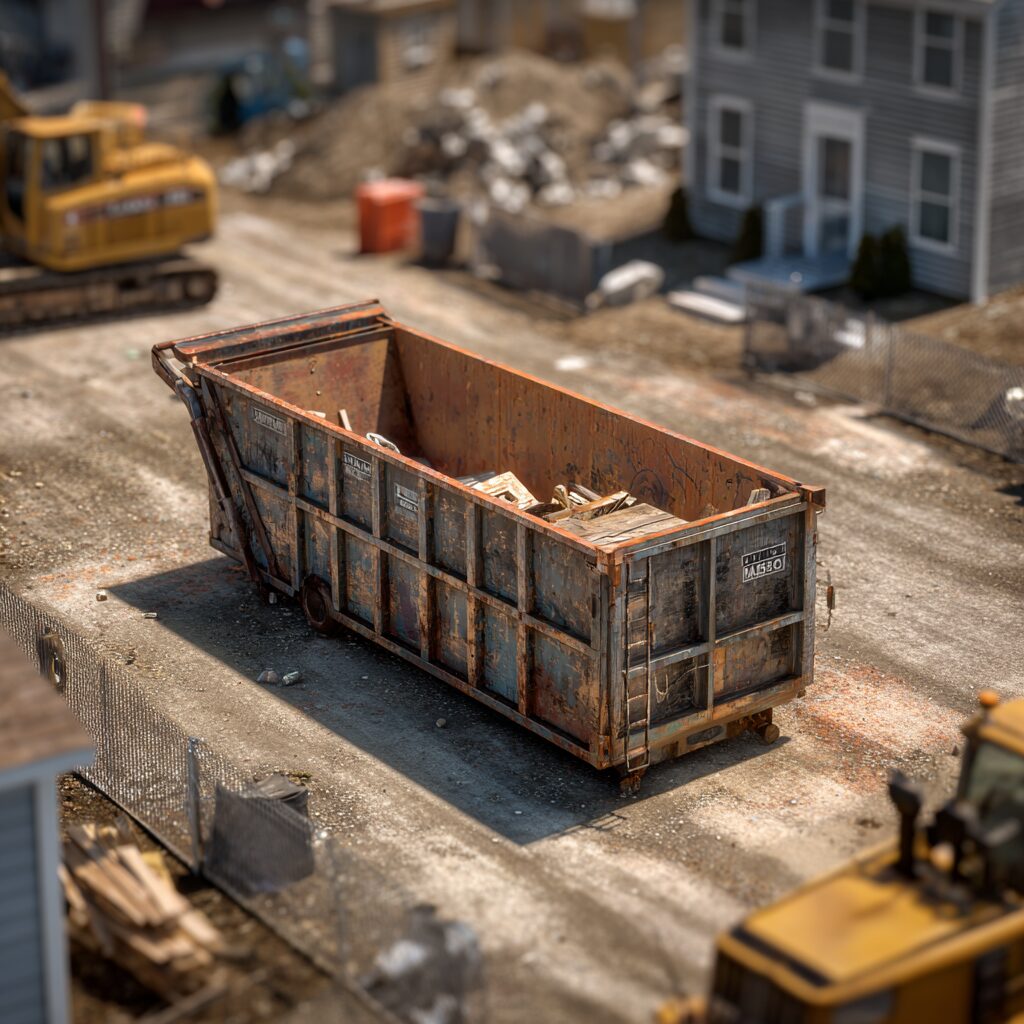
Ever hosted a party where uninvited guests raided the snack table? That’s what happens when your container becomes community property. Smart waste management requires equal parts strategy and security – let’s turn your bin into Fort Knox for debris.
Start with heavy materials like concrete or bricks at the base. They create stability and prevent lighter items from shifting during transport. Break down furniture and appliances before tossing them – flattened boxes and disassembled shelves save precious cubic feet.
Respect the fill line like it’s your project’s finish line. Exceeding it risks rejected pickups and extra fees. Layer lighter debris on top, crushing cardboard boxes as you go. Need to throw away bulky items? Wedge them vertically against bin walls to eliminate air pockets.
Keep a 3-foot clearance around your container at all times. Delivery trucks need swing space for hassle-free pickups. Cover the bin with a tarp secured by bungee cords when not loading – it’s like putting a bouncer at the door of your private landfill.
Check locks daily and document what you throw away. Neighbors might treat your bin like a free disposal service, leaving prohibited materials that could void your agreement. Make sure rain doesn’t add weight – waterlogged debris costs more to haul than dry waste.
Ever seen a demolition timeline derailed by poor planning? Smart coordination between your work phases and container availability keeps projects humming. Let’s break down how to sync schedules with waste needs.
Map your debris generation peaks before calling any company. Demolition crews should time container arrivals with tear-down phases. Event teams need bins delivered 24 hours before crowds arrive.
| Project Type | Ideal Delivery Timing | Buffer Days Needed |
| Home Renovation | Day before demolition | 3-5 days |
| Festival Cleanup | Morning of event setup | 0 (fixed pickup) |
| Commercial Build | After foundation work | 7-10 days |
Buffer days act like insurance against surprises. Add 20% extra time to your initial estimate – rain delays or permit issues won’t wreck your budget. Contractors report 30% fewer overtime fees using this strategy.
Communication trumps guesswork. Update your provider weekly – they’ll prioritize extensions if needed. One construction manager saved $1,200 by negotiating weekly rates instead of daily penalties during weather delays.
Load smarter by crushing boxes and disassembling furniture first. Flat-packed items create 40% more space than bulky throws. Keep prohibited materials lists handy – tossing batteries or paint cans can result in fines and dangers.
This dumpster rental duration guide transforms complex timing decisions into straightforward planning that keeps projects moving efficiently and cost-effectively. Proper coordination between container capacity and rental periods eliminates the scheduling mistakes that create budget overruns and project delays.
Prime Dumpster’s timing expertise helps contractors and project managers implement this dumpster rental duration guide with confidence and precision. Contact our team to discover how strategic planning and flexible scheduling can optimize your waste management timeline while protecting your project budget from unnecessary timing costs.
If you are looking for Guide to Summer Site Services for Construction and Events, Click Here


