Mon - Sat 7:00 am to 7:00 pm


Mon - Sat 7:00 am to 7:00 pm

Seasonal store changeovers create complex waste management challenges that can overwhelm even experienced retail managers without proper planning. From dismantling holiday displays to disposing of outdated fixtures and signage, successful transformations require strategic debris handling that keeps projects on schedule while maintaining customer access throughout the renovation process.
At Prime Dumpster, we’ve helped store managers and construction crews navigate dumpster rentals for everything from quick holiday refreshes to complete layout overhauls. Our comprehensive guide to dumpster rental for seasonal store changeover covers sizes, placement strategies, season-specific challenges, and more.
Spring transformations typically involve clearing out winter inventory, holiday displays, and worn fixtures while preparing for warmer weather merchandise and brighter store aesthetics. These changeovers often coincide with deep cleaning efforts and minor renovations that generate mixed debris streams from packaging materials to old seasonal decorations.
Book containers 4-6 weeks early during spring’s construction boom when equipment availability tightens across the retail industry. Use 15-20 yard containers for mixed debris since spring cleanouts produce varying material densities, and schedule pickups during weekday mornings to avoid weekend shopping crowds.
Summer renovations take advantage of extended daylight hours and typically focus on major structural updates, flooring replacements, and cooling system upgrades while kids are out of school. These projects often generate heavier construction debris mixed with promotional materials and seasonal merchandise packaging from back-to-school preparations.
Position containers near loading docks to minimize customer disruptions during peak shopping hours, and request bi-weekly pickups to prevent heat-related odor issues from organic materials. Consider 20-30 yard containers for construction debris, but monitor weight limits carefully as summer heat can make materials expand and become heavier.
“Summer’s longer operating hours mean retail spaces generate 40% more daily foot traffic, so coordinate container placements to accommodate extended customer flow patterns while maintaining clear emergency exit routes,” says the Prime Dumpster Pro.
Fall transformations are the most intensive, involving multiple holiday setup phases from Halloween through New Year’s while simultaneously clearing summer inventory and preparing for winter merchandise. These changeovers often overlap, creating complex logistics as stores cycle through decorations, promotional materials, and seasonal fixtures in rapid succession.
Coordinate staggered container deliveries to handle sequential holiday changeovers without overwhelming your site with multiple units simultaneously. Use smaller containers (10-15 yard) more frequently rather than large units, as fall’s rapid changeover pace requires flexible pickup scheduling that adapts to compressed timelines.
Winter renovations face weather-related challenges, including frozen ground conditions, snow removal complications, and temperature effects on both debris and container accessibility. These projects often focus on interior updates, lighting improvements, and post-holiday cleanup while preparing for spring inventory arrivals.
Build weather delay buffers into your timeline and consider covered container options to prevent debris from freezing together during pickup. Upsize containers by 25% during winter months as cold temperatures prevent effective compaction of bulky items like holiday decorations and packaging materials.

Retail spaces undergo dramatic makeovers multiple times a year, much like stage sets for different acts in a play. These transformations keep stores fresh and aligned with consumer expectations, but they’re not without their backstage chaos.
Businesses refresh layouts to match shifting trends, inventory rotations, and holiday themes. Major updates typically happen before spring and fall, with smaller tweaks for summer sales or winter holidays. Each overhaul generates piles of discarded items – think outdated signage, shelving units, and enough cardboard to build a fort.
One day you’re tossing fabric displays, the next you’re wrestling with broken drywall. Lightweight packaging competes with heavy construction materials for space, requiring strategic disposal plans. Roll-off containers handle bulkier loads, with sizes scaling from 10-yard units for boutique refreshes to 40-yard giants for full remodels.
Teams face tight deadlines: every extra hour closed means lost sales. Coordinating waste removal upfront prevents “debris traffic jams” when contractors, designers, and staff work simultaneously. Smart planning turns potential disasters into smooth transitions – no hard hats required.
Store transformations move at championship relay speeds – one team passes the baton to the next without breaking stride. The right equipment keeps this race against the clock from becoming a demolition derby.
Imagine tossing entire display walls into a container without disassembling them first. Roll-off units offer open-top access for bulky items like shelving units or holiday décor skeletons. Their extended on-site availability means no scrambling to meet rigid trash pickup schedules during time-sensitive projects.
| Feature | Roll-Off | Front Load |
| Capacity | 10-40 cubic yards | 2-8 cubic yards |
| On-Site Duration | Days/weeks | Daily pickup |
| Debris Types | Mixed construction materials | Standard business trash |
| Accessibility | Open-top loading | Closed design |
Placement matters more than you’d think. Positioning containers near employee entrances cuts hauling distances by up to 75% compared to parking lot locations. Drivers skilled in urban logistics can squeeze these units into spaces that’d make a parallel-parking pro sweat.
Unexpected delays? No problem. Flexible rental periods adapt to last-minute design changes or weather hiccups. You’ll avoid the “cardboard avalanche” effect that happens when temporary storage areas overflow.
Retail calendars flip faster than Midwest weather. Each season brings unique cleanup hurdles that demand tailored approaches. Let’s explore how to outsmart Mother Nature while keeping your project timeline intact.
January renovations turn parking lots into ice rinks. Frozen ground complicates container placement, while snowstorms push pickup dates like a game of calendar roulette. Build in 48-hour buffers for weather delays – your grand reopening date will thank you.
Spring’s construction boom means everyone wants equipment at once. Book containers six weeks early to lock in sizes and locations.
Prime Dumpster Pro Tip: Materials like brittle holiday displays take up 30% more space when they can’t be compacted in cold temps.
July’s extended daylight helps crews work faster, but vacation schedules create staffing pinballs. Position containers near delivery docks to minimize customer disruptions. Weekly pickups prevent melted signage glue from turning your bin into a modern art sculpture.
Autumn’s retail rodeo requires military precision. Coordinate multiple container swaps as you cycle through Halloween décor, Thanksgiving displays, and holiday inventory setups. Providers with real-time tracking tools help avoid scheduling pileups.
| Season | Top Challenge | Smart Solution |
| Winter | Frozen debris expansion | Upsize containers by 1.5x |
| Spring | Industry-wide equipment shortages | Pre-book with cancellation insurance |
| Summer | Organic material odors | Bi-weekly pickup mandates |
| Fall | Triple project overlap | Staggered delivery schedules |
Top-performing chains treat waste management like Christmas lights – untangle the logistics early, and everything shines brighter. Many providers now offer digital portals to reschedule pickups during surprise heatwaves or early frosts.
Selecting equipment for retail transformations feels like matching puzzle pieces – the wrong fit slows everything down. Different phases demand specific capacities to handle debris without wasting space or funds.
Ten-yard units (typically 12’L x 8’W) swallow four truckloads of dense materials like concrete or metal fixtures during early demolition. Their low profile fits snugly behind stores without blocking fire lanes.
Mid-sized refreshes thrive with 15-yard containers. At nearly 11 feet long, they handle six truckloads of mixed debris from display teardowns and minor construction. Twenty-yard giants tackle eight loads of bulky items like fabric displays or holiday packaging, standing tall enough to prevent overflow.
| Size | Capacity | Dimensions | Best For |
| 10-yard | 4 truckloads | 15’L x 8’W | Heavy demolition debris |
| 15-yard | 6 truckloads | 10’L x 8’W | Mixed material removal |
| 20-yard | 8 truckloads | 22’L x 7’W | Lightweight bulk items |
Thirty-yard containers devour 14 truckloads during major renovations – think wall removals or electrical upgrades in big-box stores. Their 5-foot walls accommodate taller debris stacks.
Forty-yard monsters handle 16 loads for shopping center overhauls. Seven-foot walls make them ideal for multi-store projects, though placement requires serious parking lot real estate. Remember: Bigger sizes mean fewer pickups, but always check weight limits to avoid fines.
Align container arrivals with contractor start dates like matching puzzle pieces. Need permits for parking lane use? Get approvals before the crew rolls in. Unexpected delays? Digital portals let you reschedule pickups faster than texting a contractor.
Peak seasons turn scheduling into a high-stakes game. Build backup dates into every order – it’s like having an umbrella for forecasted storms. Top services offer:
Managing waste across multiple stores is like playing chess with 20 boards simultaneously – every move impacts your bottom line. Smart businesses streamline their approach by treating disposal logistics as core operations rather than afterthoughts.
Major retail chains gain real advantages through master service agreements. These contracts lock in predictable pricing and priority scheduling for all locations. Imagine updating stores from Miami to Seattle without negotiating separate contracts each time.
Centralized billing transforms accounting nightmares into single-line approvals. One invoice covering hundreds of sites slashes administrative work by 40% in many cases. Standardized container sizes and procedures help teams work faster – no retraining staff at every new mall renovation.
Nationwide providers become strategic partners, eliminating the “vendor lottery” of local services. They handle everything from urban parking permits to rural delivery routes. Bonus? Volume discounts kick in when businesses commit to annual contracts, turning waste management into a profit-protection tool.
Here’s what top performers do differently:
When emergencies strike – say a hurricane accelerates renovation timelines – established partners deploy rapid-response teams. Your commercial dumpster service should feel like an extension of your operations crew, not just another vendor.
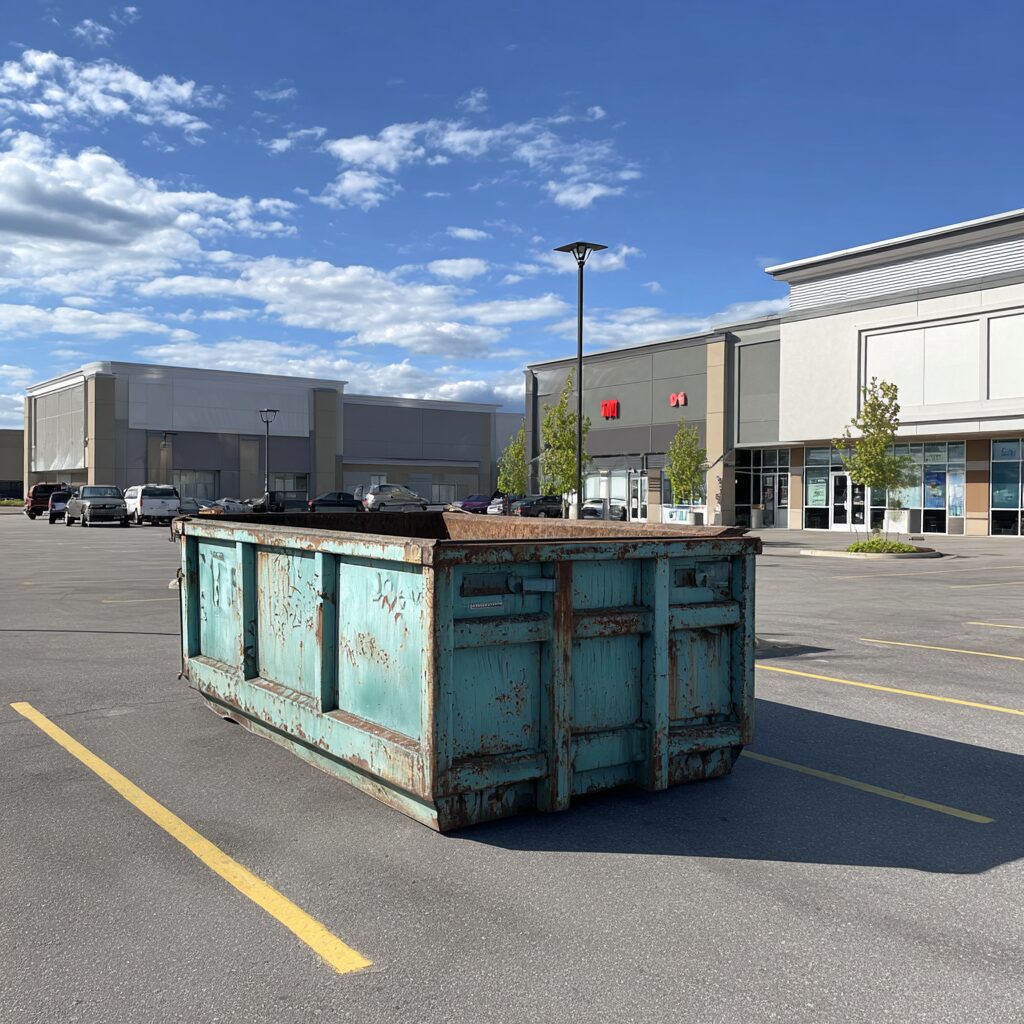
Handling leftover materials requires more than just tossing items—it demands smart safety practices. Proper protocols protect your team, customers, and the planet while keeping projects on track. Let’s break down how to manage tricky materials without creating new headaches.
Some items turn routine cleanouts into regulatory nightmares. Never toss aerosol cans, batteries, or old computers—these common troublemakers can spark fires or leak toxins. Fluorescent bulbs and chemical products require special handling too. When in doubt, ask your provider about local recycling programs for hazardous waste.
Federal and state laws dictate how businesses handle waste disposal. Fines for improper practices can exceed $10,000 per violation. Reputable services help navigate requirements like asbestos removal or appliance recycling. Many now offer sustainability reports to simplify ESG documentation.
Smart teams treat recycling as profit protection. Cardboard and metal recovery programs often offset service costs. Always verify your provider’s certifications—it’s cheaper than explaining violations to inspectors later. Remember: Careful planning today prevents landfill regrets tomorrow.
Successful seasonal store changeovers require waste management solutions that adapt to tight retail schedules and mixed debris streams while maintaining customer access during critical sales periods. Strategic dumpster rental for seasonal store changeover transforms potentially chaotic renovations into organized operations that protect your revenue and reputation.
Prime Dumpster’s experienced team understands the unique pressures of retail transformations and seasonal deadlines. Contact our specialists to discover how our proven approach to dumpster rental for seasonal store changeover can help you coordinate efficient waste management that supports your transformation goals while keeping your business running smoothly.
If you are looking for Guide to Roll-Off Dumpsters for Retail Store Transitions, Click Here


