Mon - Sat 7:00 am to 7:00 pm


Mon - Sat 7:00 am to 7:00 pm
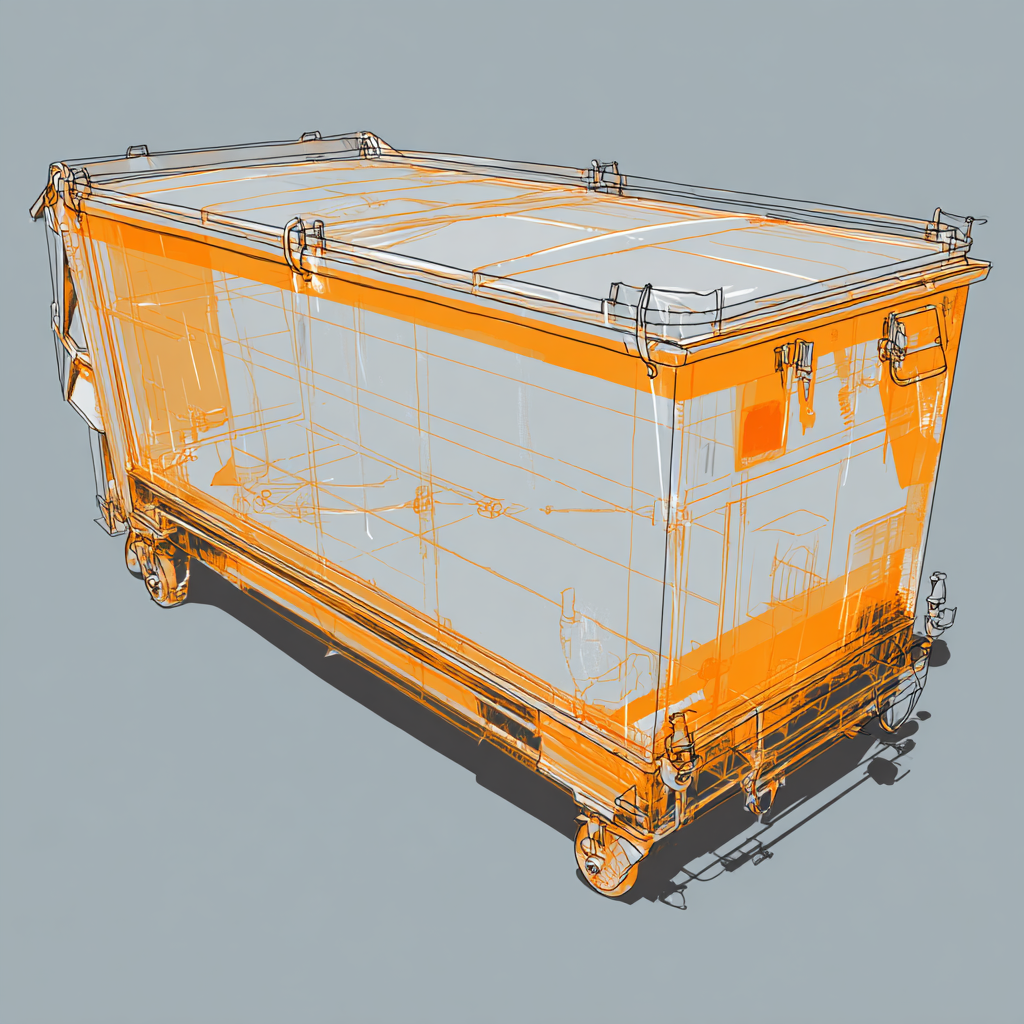
Your dumpster rental is confirmed and delivery is scheduled, but understanding the rules that govern your container is crucial for a smooth, cost-effective experience. Navigating dumpster rental weight limits and regulations isn’t just about avoiding fees – it’s about ensuring safe disposal while maximizing your investment.
At Prime Dumpster, we know how proper weight management can make the difference between a seamless project and costly complications. Our comprehensive guide covers the essential regulations and practical strategies that help you stay compliant, avoid overage charges, and keep your project running smoothly from delivery to pickup.
We asked the Prime Dumpster Pros about the most common questions regarding weight limits and cost management. Here’s their expert guidance on staying compliant and avoiding unexpected charges.
“Your weight limit depends on three main things: the container size you choose, local transportation laws, and the specific materials you’re disposing of,” says a Prime Dumpster Pro. “We set these limits to ensure safe transport on public roads while keeping disposal costs predictable for your project.”
“Overage fees typically range from $50 to $100 per ton over your included allowance, but the exact cost depends on your location and disposal facility pricing,” says a Prime Dumpster Pro. “The good news is you only pay for the extra weight you actually use, not a flat penalty fee.”
“Mix heavy and light materials strategically, and break up dense items like concrete before loading,” says a Prime Dumpster Pro. “If you’re dealing with a lot of heavy debris, consider renting a second smaller container rather than trying to cram everything into one unit – it’s usually more cost-effective.”
Let’s look into the detailed strategies that help you manage dumpster rental weight limits and regulations.

The success of your waste management strategy hinges on grasping two fundamental measurements. Think of them as the twin pillars supporting your project’s cleanup efficiency.
Your container’s capacity depends on separate allowances for mass and space. The weight allowance, measured in tons, determines how much mass can be hauled safely. Volume capacity, measured in cubic yards, defines the physical space available.
Here’s where it gets interesting. You could completely fill the cubic yardage with light items like cardboard boxes and still stay within your tonnage limit. Conversely, dense materials like concrete might hit the maximum weight while leaving most of the space empty.
Material density becomes the game-changer in this equation. Lightweight debris such as furniture or yard waste occupies space without adding significant mass. Heavy materials like dirt, brick, or asphalt pack tremendous weight into small volumes.
Consider this practical comparison. A cubic yard of typical household junk might weigh a few hundred pounds. That same space filled with concrete can easily exceed 4,000 pounds. Understanding this relationship helps you choose the right container size and avoid costly overage charges.
Mixing different types of materials requires strategic planning. Balance your heavy and light debris to optimize both weight and volume efficiently.
Behind every debris container’s capacity lies a carefully calculated system of safety and economics. These rules aren’t arbitrary restrictions but essential guidelines that protect everyone involved in your project.
Understanding these frameworks helps you avoid surprises and manage your cleanup efficiently. Let’s explore how different regulations shape your container experience.
Those tonnage numbers connect directly to road safety laws governing commercial vehicles. Trucks hauling overloaded containers risk serious fines and safety hazards.
Municipal rules often dictate placement requirements too. Street-side containers frequently need permits and have specific time limits.
Waste facilities charge by the ton for disposal services. Your quoted price includes a set allowance that matches these pricing structures.
Exceeding your included tonnage means paying additional fees for the extra weight. Estimating your material weights beforehand helps prevent these unexpected costs.
Following these guidelines keeps your project on schedule and budget. Proper planning ensures your debris gets handled safely and legally from start to finish.
Understanding and respecting your debris container’s maximum capacity transforms a potential headache into a smooth, predictable process. Those numbers on your contract aren’t arbitrary—they’re carefully calculated to protect your budget and ensure everything runs safely.
Those extra charges when you exceed your allowance aren’t penalties. They reflect the actual disposal costs your provider pays at the landfill. Planning ahead helps you avoid these surprise fees.
Estimate your material weights before choosing your container size. This simple step prevents budget-busting overage charges that can add up quickly.
Overloaded containers create serious hazards during loading and transport. They can damage roads, driveways, and equipment while putting workers at risk.
Haulers may refuse pickup if your load exceeds legal limits. This can stall your project timeline until you remove enough material. Staying within your capacity keeps everything moving smoothly from start to finish.
Proper preparation transforms container delivery from a potential headache into a seamless process. We’ll walk you through the essential steps to ensure everything goes smoothly when your unit arrives.
Start by confirming your delivery date and time window. Someone should be available to guide the driver and answer questions. Clear communication prevents delays.
Choose a flat, stable placement area with enough space for the truck to maneuver. Most rolloff containers measure about 22 feet long by 8 feet wide. Check for overhead obstacles like tree branches or power lines.
Following these simple steps ensures your project stays on track. Your preparation pays off with a hassle-free experience from drop-off to pickup.
Your project’s efficiency hinges on one crucial decision: choosing the container that matches your debris volume and material density. Getting the dimensions right saves time, money, and headaches.
Rolloff containers come in five standard sizes measured in cubic yards. Most units share similar length and width measurements while varying in height.
Understanding these options helps you make informed choices. Each size serves different project scales and material types.
| Container Size | Typical Dimensions | Weight Capacity | Best For Projects Like |
| 10-yard | 22′ long × 8′ wide × 4′ high | 1-2 tons | Small cleanouts, minor renovations |
| 15-yard | 22′ long × 8′ wide × 5′ high | 1-2 tons | Kitchen remodels, landscaping |
| 20-yard | 22′ long × 8′ wide × 6′ high | 2-3 tons | Roofing jobs, basement cleanouts |
| 30-yard | 22′ long × 8′ wide × 7′ high | 3-4 tons | Whole-house cleanouts, construction |
| 40-yard | 22′ long × 8′ wide × 8′ high | 4-5 tons | Large commercial projects, major demolition |
Consider both space and weight when selecting your container. A 10-yard unit works for light debris like household items or yard waste.
Mid-sized projects often benefit from 15 or 20-yard options. These handle renovation debris or mixed materials effectively.
Large-scale jobs require 30 or 40-yard containers. Their greater capacity suits construction sites or commercial cleanouts.
Consult your provider about specific project details. They’ll help you choose the most cost-effective size that balances volume and weight allowances.
Think of your container’s weight limit as a customized budget rather than a restrictive ceiling. This approach helps you understand the financial logic behind your quoted numbers.
Your rental quote includes a specific tonnage amount that matches your project needs. This represents the debris included in your base price, not the absolute maximum the unit can hold.
Most containers safely handle up to 10 tons, but you only pay for the allowance that fits your job. This flexible system keeps costs fair for different project scales.
Consider this example: rent a 10-yard unit with a 1-ton limit. If your debris weighs 1.1 tons, you pay a small fee for the extra 0.1 tons only. This pay-for-what-you-use model saves money compared to paying for unused capacity.
Standard allowances typically range from 1-2 tons for smaller units to 4-5 tons for the largest containers. Review your quote carefully and ask your provider to explain the included allowance and potential overage charges.
Understanding this system upfront helps you plan loading strategies and avoid budget surprises. It turns potential confusion into clear financial planning.

Material density separates the smooth-sailing projects from the budget-busting surprises when managing your debris. Understanding this difference helps you plan smarter and avoid unexpected fees.
| Material Type | Density Level | Weight per Cubic Yard | Recommended Strategy |
| Concrete, Brick, Asphalt | Very High | 3,000-4,000 lbs | Separate container or specialty hauling |
| Soil, Dirt, Masonry | High | 2,000-3,000 lbs | Break up and remove excess |
| Mixed Construction Debris | Medium | 1,000-1,500 lbs | Balance with lighter materials |
| Household Items, Furniture | Low | 200-500 lbs | Standard container ideal |
Heavy materials like concrete and brick consume your capacity much faster than volume. A single cubic yard of concrete can weigh over 4,000 pounds.
This means just a few yards can max out your allowance while leaving most space empty. Consider separating these heavy debris items into dedicated containers.
Break up concrete slabs into smaller pieces. Remove excess soil from demolition materials. Clean concrete or asphalt can often go to recycling centers.
Household items and light construction debris behave differently. Furniture, boxes, and general clutter take up space without adding much mass.
These materials are perfect for standard containers. Disassemble bulky items and flatten boxes to maximize volume efficiency.
You can pack these lighter materials more densely without worrying about exceeding your capacity. Knowing your material density keeps projects on budget.
You now have the essential knowledge to navigate dumpster rental weight limits and regulations with confidence throughout your entire project. From understanding capacity calculations to managing material density and avoiding overage fees, these strategies ensure your rental experience stays efficient and cost-effective.
Smart weight management protects both your budget and project timeline while ensuring safe, compliant disposal that meets all transportation and facility requirements. Prime Dumpster’s nationwide expertise and commitment to transparent service means you get the professional guidance needed to make every rental a success, regardless of your project’s complexity.
Contact our team for help with your next project and experience the difference that comes from working with waste management professionals who understand both the regulations and the real-world challenges of effective debris disposal.
If you are looking for Dumpster Rental Fees Explained, Click Here


