Mon - Sat 7:00 am to 7:00 pm


Mon - Sat 7:00 am to 7:00 pm

Government waste management projects fail when contractors underestimate the complex compliance requirements, documentation standards, and specialized certifications that separate public sector work from commercial projects.
Federal agencies, state departments, and municipal facilities require dumpster rental providers to have appropriate certification and compliance, plus proven experience navigating regulations.
Prime Dumpster has coordinated waste management for government projects nationwide, understanding the critical compliance factors that make dumpster rentals for government projects near me successful while avoiding costly delays and regulatory violations.
Government waste management projects require specialized providers with proper certifications, compliance expertise, and understanding of federal regulations that distinguish public sector work from standard commercial rentals.
Understanding these government-specific requirements ensures your public sector waste management meets all regulatory standards while avoiding costly compliance violations.
“Government contracts have zero tolerance for compliance shortcuts – a single violation of waste disposal regulations can result in contract termination, hefty fines, and permanent exclusion from future federal work opportunities,” says a Prime Dumpster Pro.
“The documentation, sorting, and disposal requirements aren’t just bureaucratic paperwork; they’re legally binding obligations that protect public health and ensure taxpayer money is spent responsibly on compliant waste management services.“
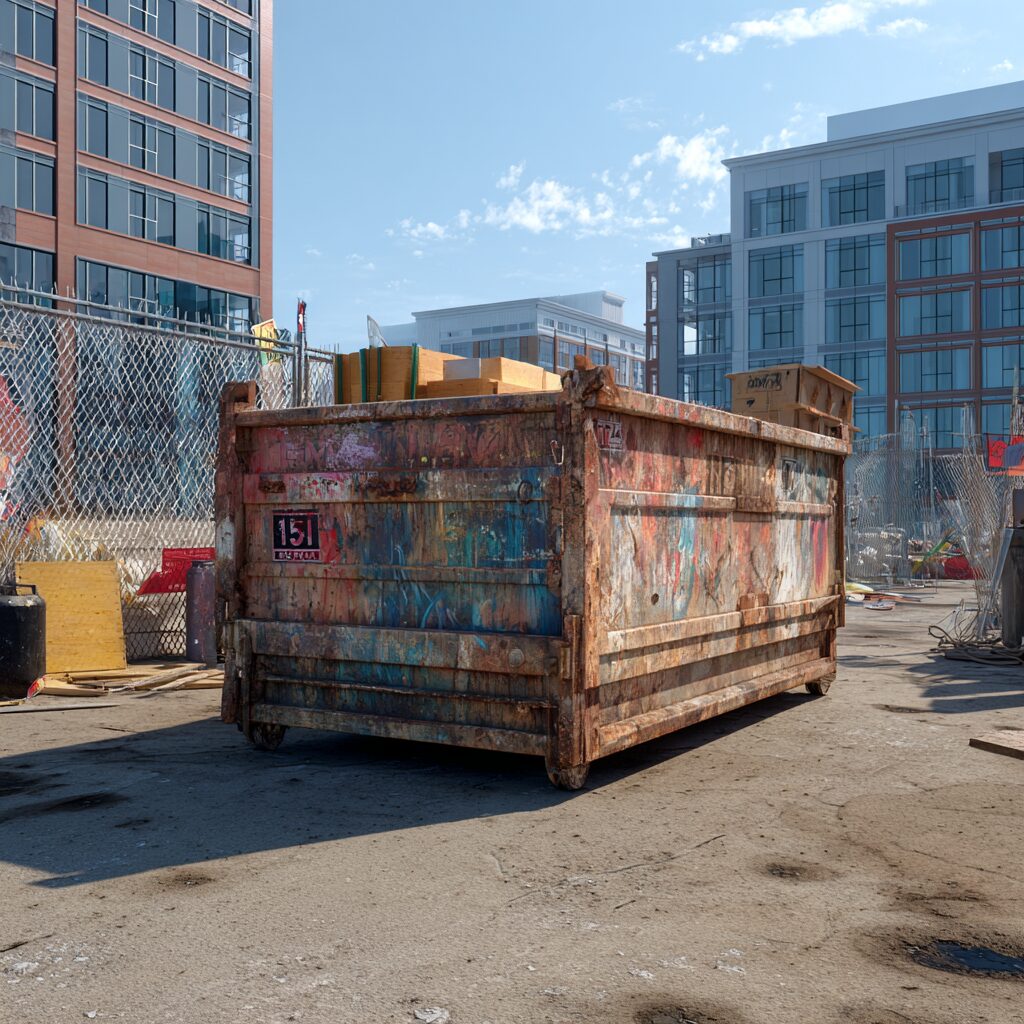
From the east to the west, public sector initiatives produce tons of debris. Here’s a look projects necessitate waste management to prepare for the unique demands of government work.
When the General Services Administration updates courthouses or state agencies modernize office buildings, substantial waste is generated. Old carpeting, drywall, fixtures, and outdated furniture quickly fill containers. A typical 50,000-square-foot renovation can produce enough debris to fill multiple 30-yard dumpsters over several weeks.
Highway expansions and bridge repairs generate massive amounts of debris. Broken concrete, asphalt chunks, and excavated soil require specialized handling. Transportation departments often need multiple 40-yard containers stationed along project routes to manage the continuous flow of materials.
Military base dumpsters serve various needs, from barracks renovations to new training facilities. Security protocols add extra layers to waste management on these sites. Contractors must coordinate container placement and pickup schedules with base personnel to maintain security while keeping projects moving.
Environmental cleanup containers handle contaminated soil, hazardous materials, and restoration debris. EPA-managed Superfund sites and state environmental projects require specialized containers that meet strict regulatory standards for containing and transporting potentially dangerous waste.
Public event waste management becomes critical during Independence Day celebrations, state fairs, and government ceremonies. Temporary container placement helps manage the surge of trash from thousands of attendees. This ensures clean, safe venues for public gatherings.
Collaborating with approved disposal facilities ensures your project adheres to all regulatory standards. These facilities hold current permits and licenses essential for managing government waste. Seek providers that offer:
Recycling compliance programs are pivotal in government waste management. Federal regulations often dictate specific diversion rates for construction debris, office materials, and specialty waste.
Professional contractors facilitate these goals by providing comprehensive sorting services. They separate recyclables like concrete, metal, wood, and cardboard at the source or processing facility.
Waste documentation systems track every load from pickup to final disposal. Government reporting protocols mandate detailed manifests showing waste types, weights, disposal locations, and recycling percentages.
Reputable providers offer monthly reports. These include disposal certificates, weight tickets, and recycling verification documents, crucial for project closeouts and environmental compliance audits.
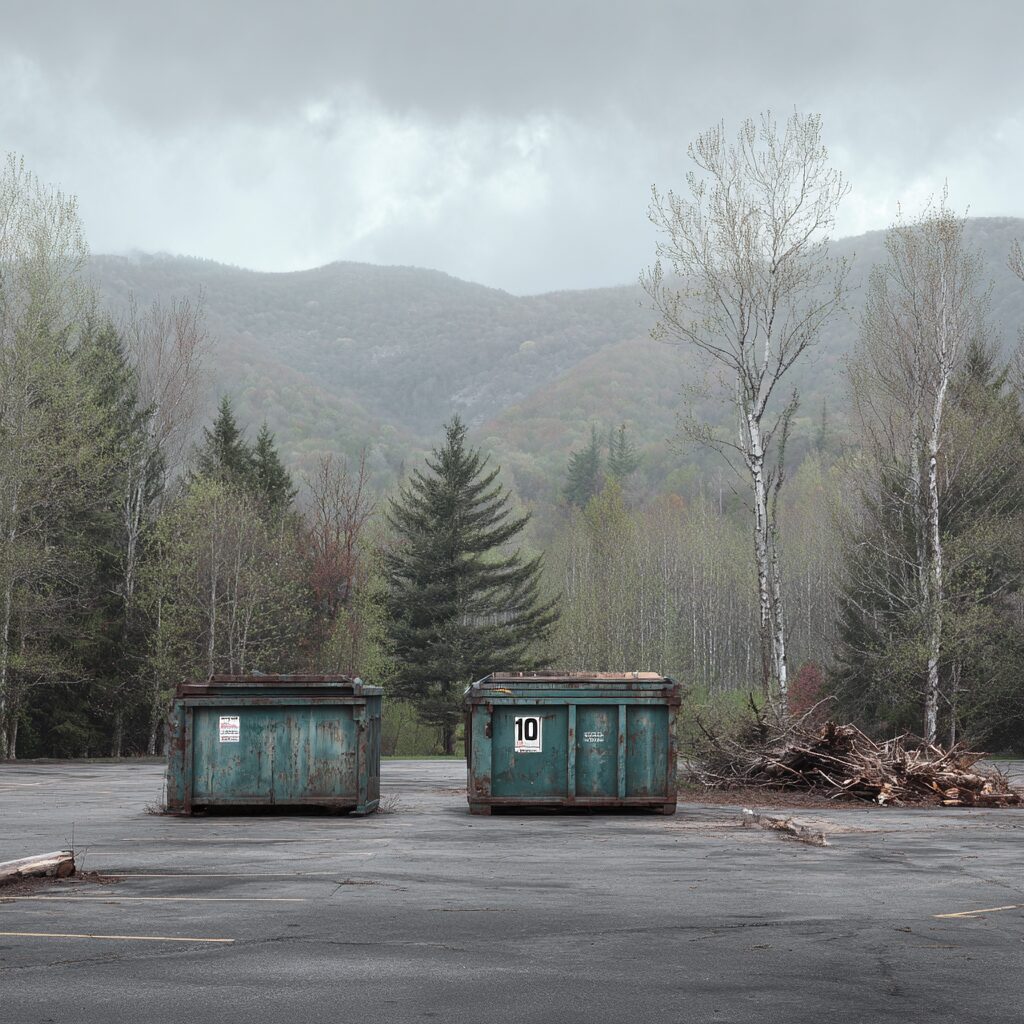
Government projects necessitate the right tools for waste management. Choosing the correct specialized containers ensures efficient debris removal and adherence to strict standards. Each project’s size demands specific solutions, tailored to the volume and type of materials involved.
For updating government buildings, 10-yard office renovation containers are ideal. These compact units fit into tight spaces, handling about 4 pickup truck loads of debris. They’re perfect for remodeling break rooms, updating conference spaces, or replacing flooring in federal offices.
Medium-scale government renovations benefit from 15-yard containers that bridge the gap between small office updates and major facility overhauls. They accommodate approximately 6 pickup truck loads of debris from projects like courtroom modernizations, lobby renovations, or multi-office reconfigurations. Government agencies often select this size for projects requiring more capacity than a 10-yard unit but don’t justify the expense of larger containers.
Facility upgrade dumpsters offer the perfect capacity for medium-sized projects. Twenty-yard containers manage 6,000 pounds of material from various upgrades, including bathroom renovations and HVAC replacements. Government facilities often select this size for multi-room renovations without overwhelming the site.
Infrastructure waste solutions require larger containers for substantial debris volumes. The 30-yard units can accommodate 9 to 10 pickup truck loads, ideal for road repairs, bridge maintenance, and utility upgrades. Public works departments rely on this size for efficient project completion.
Construction site roll-offs provide maximum capacity for extensive government projects. These large containers are essential for military base expansions, new courthouse construction, and federal building demolitions. Long-term projects benefit from the substantial volume 40-yard containers offer.
| Container Size | Best For | Typical Projects |
| 10-Yard | Small Renovations | Office Updates |
| 15-Yard | Medium Projects | Courtroom/Lobby Renovations |
| 20-Yard | Facility Upgrades | Multi-Room Remodels |
| 30-Yard | Infrastructure Work | Road/Bridge Repairs |
| 40-Yard | Major Construction | New Buildings |
Government projects require strict adherence to federal safety standards, exceeding typical commercial waste management. When handling federal buildings or state facilities, waste disposal compliance is crucial. It can significantly impact your project timeline. Each dumpster rental must adhere to specific environmental protection requirements set by agencies like the EPA and OSHA.
Government safety protocols cover all aspects, from container placement to material segregation. Construction debris, hazardous materials, and general waste each need separate handling procedures. Your waste management partner must hold certifications and follow regulatory guidelines. These include:
Federal safety standards demand specific container features for government sites. Dumpsters must have secure lids, reflective markings, and proper drainage systems. Many facilities require containers with lockable gates to prevent unauthorized access. Environmental protection requirements often include dust control measures, especially near sensitive areas like schools or hospitals.
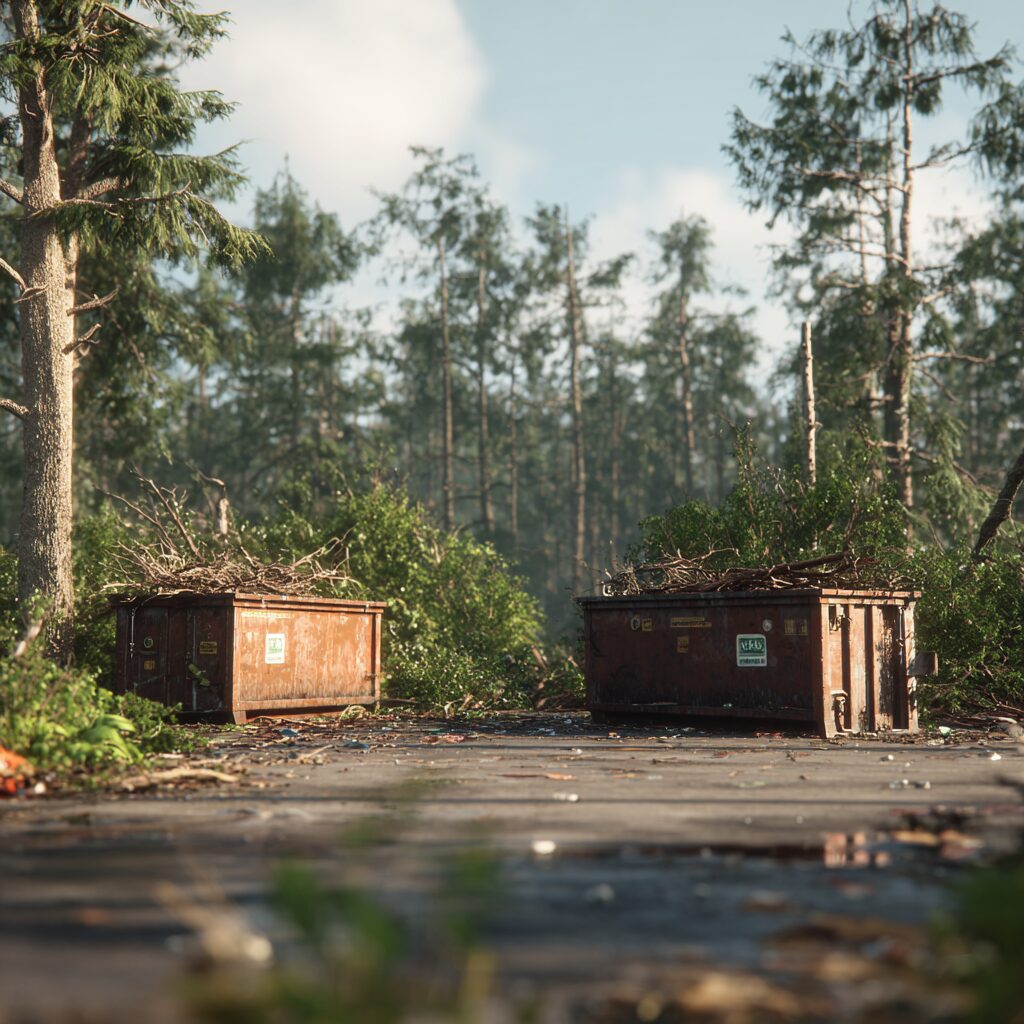
Extended project management for government sites demands meticulous planning from the outset. When the Department of Defense renovates a facility or the Army Corps of Engineers constructs a new dam, these endeavors span years. Implementing long-term waste solutions is crucial for maintaining clean, safe environments. This is especially important given the stringent federal regulations.
Continuous disposal services are vital for the smooth operation of large government construction sites. Consider a new VA hospital being constructed over 36 months. Crews produce vast amounts of concrete, drywall, and metal scraps daily. Effective government construction planning must ensure regular waste pickup, proper container placement, and sufficient capacity for peak construction phases.
Sustained waste removal transcends simple dumpster placement and collection. Projects such as interstate highway expansions or federal courthouse renovations necessitate flexible service agreements.
Waste management partners can provide detailed tracking reports, uphold necessary certifications, and swiftly adapt to project scope changes. Savvy contractors incorporate these requirements into their initial bids to circumvent unexpected issues during extended government contracts.
Successful dumpster rentals for government projects near me require providers who understand that compliance isn’t optional—it’s the foundation of every aspect of service delivery from initial certification through final documentation.
Professional government waste management eliminates regulatory risks while ensuring your project meets all federal standards for environmental protection, documentation, and disposal procedures.
Contact our team to discover how our GSA approval and compliance expertise can deliver the certified dumpster rentals for government projects near me that keep your public sector projects compliant and on schedule.
If you are looking for Dumpster Rentals for Industrial Sites Near Me, Click Here


