Mon - Sat 7:00 am to 7:00 pm


Mon - Sat 7:00 am to 7:00 pm

Grocery store remodels present complex waste management challenges that combine food safety regulations with heavy construction debris, creating specialized disposal requirements unlike any other retail environment.
From removing commercial refrigeration units and contaminated flooring to managing packaging waste during store reopening, successful grocery renovations demand waste solutions that meet health department standards while maintaining operational efficiency.
At Prime Dumpster, we’ve facilitated dumpster services for grocery store remodels nationwide, helping supermarket managers and construction teams navigate everything from produce section updates to complete store overhauls.
Our comprehensive guide to dumpster rentals for grocery store remodels covers container sizing for specialized waste streams, health department compliance, and coordination strategies that keep your renovation on schedule while meeting the strict standards required for food retail environments.

Grocery store renovations generate unique waste streams that require specialized handling and disposal methods to meet food safety and environmental regulations.
Commercial refrigeration units, freezer systems, and HVAC equipment contain refrigerants and other regulated materials requiring certified disposal. Use 10–15 yard containers for heavy equipment that reaches weight limits quickly, and coordinate with certified technicians for proper refrigerant recovery before disposal. Schedule removals during store closure periods to prevent contamination of active food areas.
Flooring, wall materials, and fixtures in food preparation areas often require special handling due to potential contamination. Separate food-contaminated debris from general construction waste using dedicated containers, and ensure proper documentation for health department compliance. These materials typically need disposal at certified facilities rather than standard construction debris sites.
Fresh food departments generate organic waste mixed with construction debris, creating disposal challenges that demand careful separation. Use smaller containers (10-20 yard) positioned strategically to prevent cross-contamination between organic waste and construction materials. Schedule frequent pickups to prevent odor issues and pest attraction during renovation phases.
Warehouse-style storage areas and loading docks produce high volumes of shelving, pallets, and packaging materials that require large-capacity containers. Plan for 30–40 yard units during major structural work, but ensure placement doesn’t interfere with ongoing deliveries to operational store sections during phased renovations.
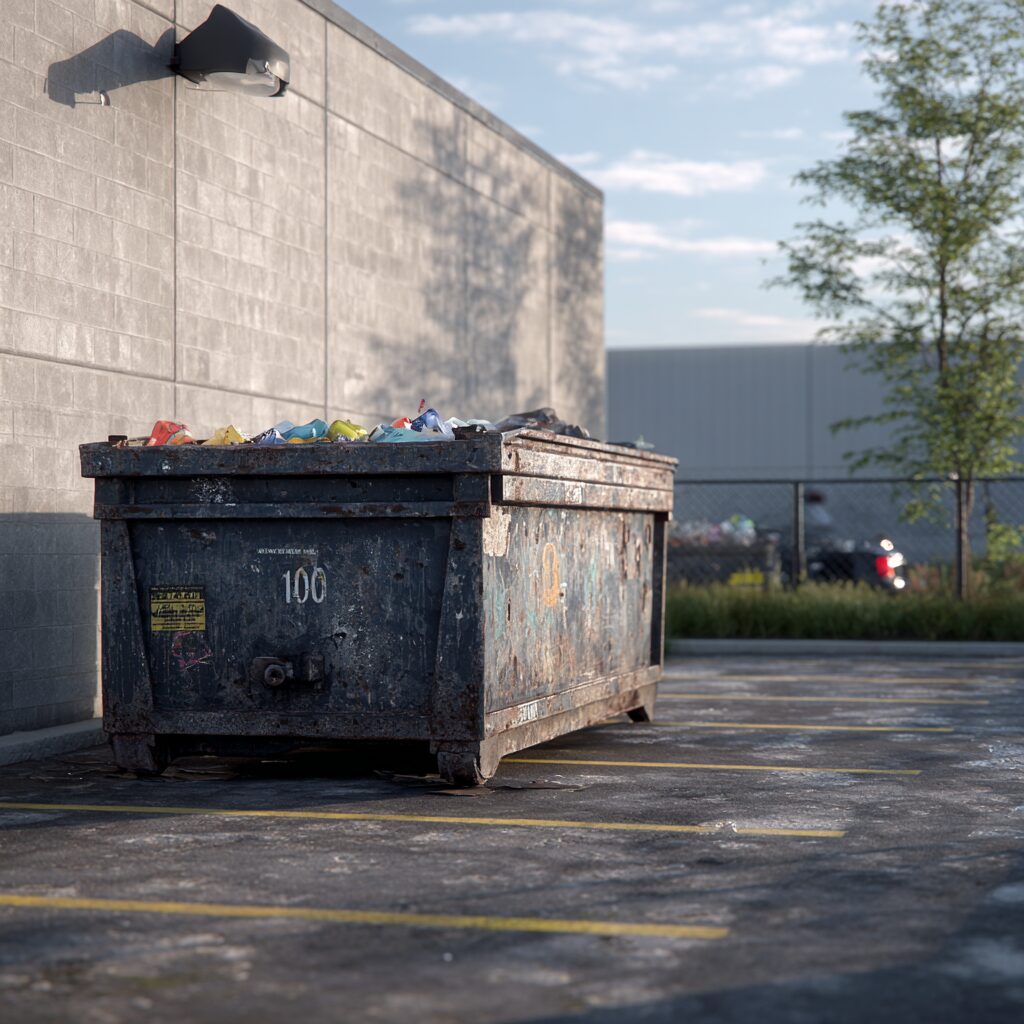
Supermarket managers can optimize their waste management approach by understanding grocery-specific requirements and avoiding common mistakes that can lead to health department violations.
We asked our Prime Dumpster Pros for their tips on what you should and shouldn’t do when using dumpsters in a grocery store environment.
Successful dumpster rentals for grocery store remodels require specialized expertise in food safety regulations, contaminated material handling, and health department compliance. Strategic waste management ensures your renovation meets all regulatory requirements while maintaining the operational standards essential for food retail environments.
Prime Dumpster’s experienced team understands the unique challenges of grocery store environments and food safety compliance. Contact our team to discover how our proven approach supports your renovation goals while meeting the strict standards your customers and health inspectors expect.
If you are looking for PD Quick Guide: Big Box Rental Dumpster Solutions, Click Here


