Mon - Sat 7:00 am to 7:00 pm


Mon - Sat 7:00 am to 7:00 pm
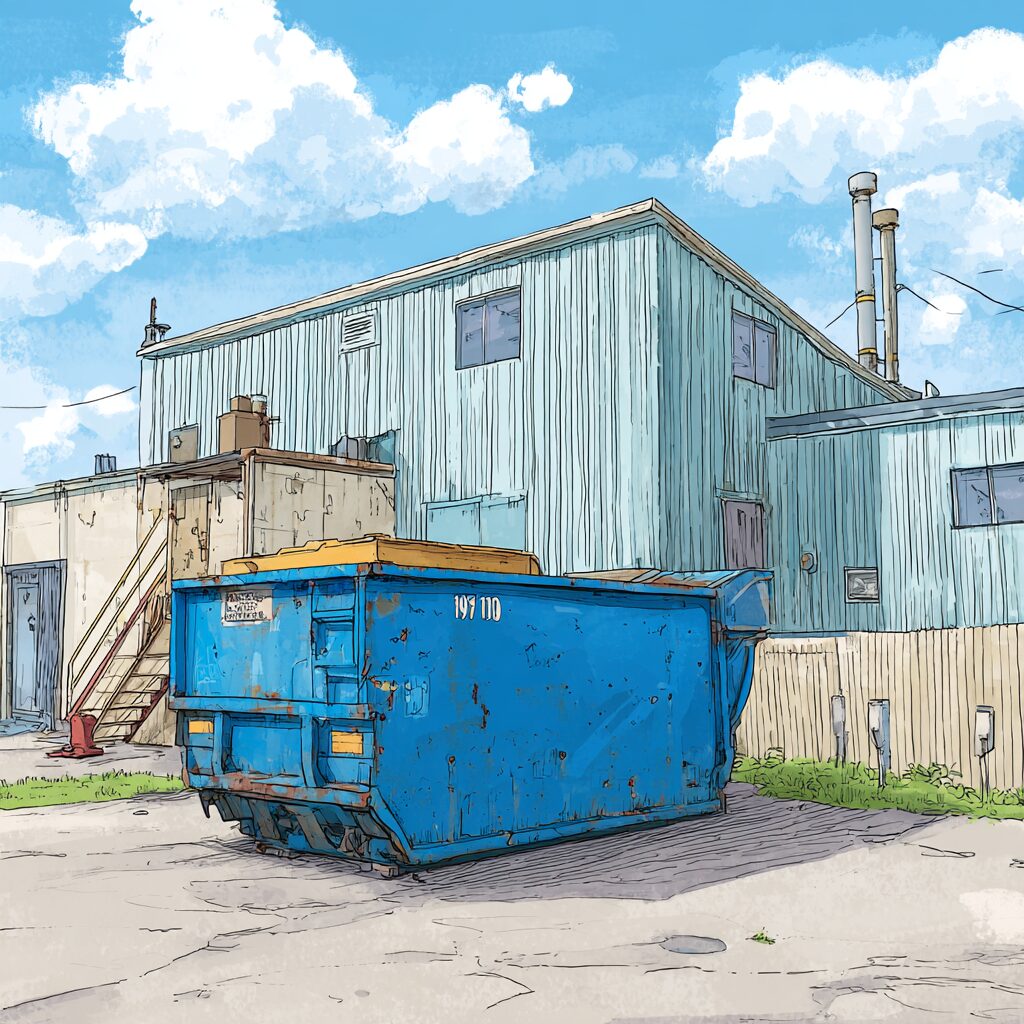
Are you a facility professional searching for dumpster rentals for industrial sites near me?
Industrial facilities generate waste streams that standard commercial dumpster services simply can’t handle efficiently. Managing production scrap, packaging debris, and maintenance waste requires specialized knowledge of weight limits, material segregation, and regulatory compliance that keeps operations running smoothly.
Prime Dumpster has coordinated waste management for manufacturing plants, processing facilities, and industrial complexes nationwide.
Industrial plants generate complex waste streams that demand specialized dumpster rental strategies combining proper container sizing, strategic placement, and regulatory compliance to maintain efficient operations.
These industrial-specific requirements helps facility managers select the right waste management solutions for their unique operational needs.
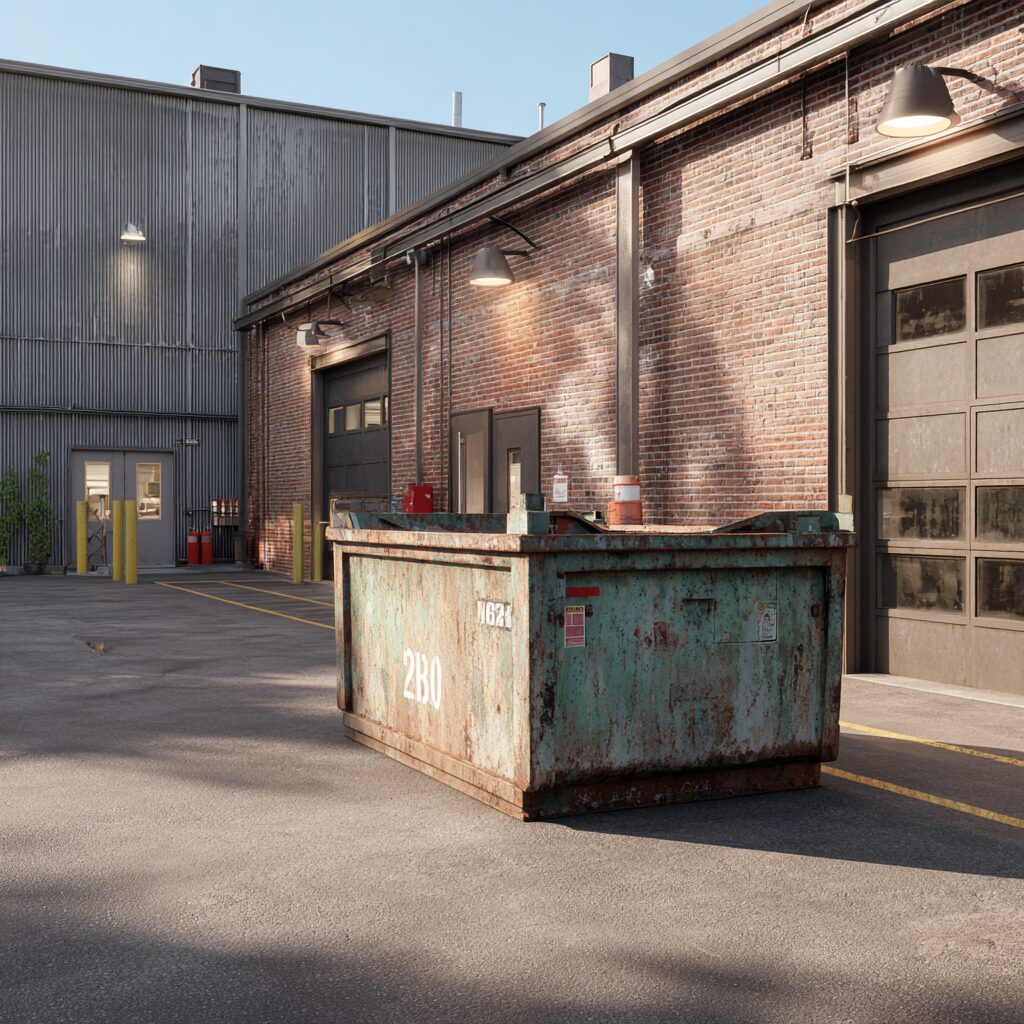
“Industrial waste management success comes down to understanding your three main streams – production scrap that’s heavy and dense, packaging materials that are bulky but light, and maintenance debris that varies wildly depending on your turnaround schedule,” says the Prime Dumpster Pro.
Industrial facilities typically generate three distinct waste streams that require different container strategies and disposal approaches.
Manufacturing processes generate offcuts, metal turnings, rejected parts, and material trimmings that accumulate throughout production cycles. These materials often have high density and weight, requiring careful container selection to avoid exceeding weight limits while maximizing disposal efficiency.
Industrial facilities receive raw materials in cardboard boxes, wooden pallets, plastic film, and metal strapping that must be disposed of regularly. This waste stream tends to be bulky but lightweight, making it ideal for larger containers that can accommodate high volumes without hitting weight restrictions.
Facility maintenance and equipment repairs produce debris, including drywall, flooring materials, old piping, fixtures, and worn components from machinery overhauls. These materials vary significantly in weight and composition, often requiring mixed-use containers during scheduled turnarounds and maintenance periods.
Dense materials like concrete, asphalt, soil, metal turnings, and bricks can hit weight limits long before a container looks full. Plan smaller units for those items to avoid overage charges and safety issues.
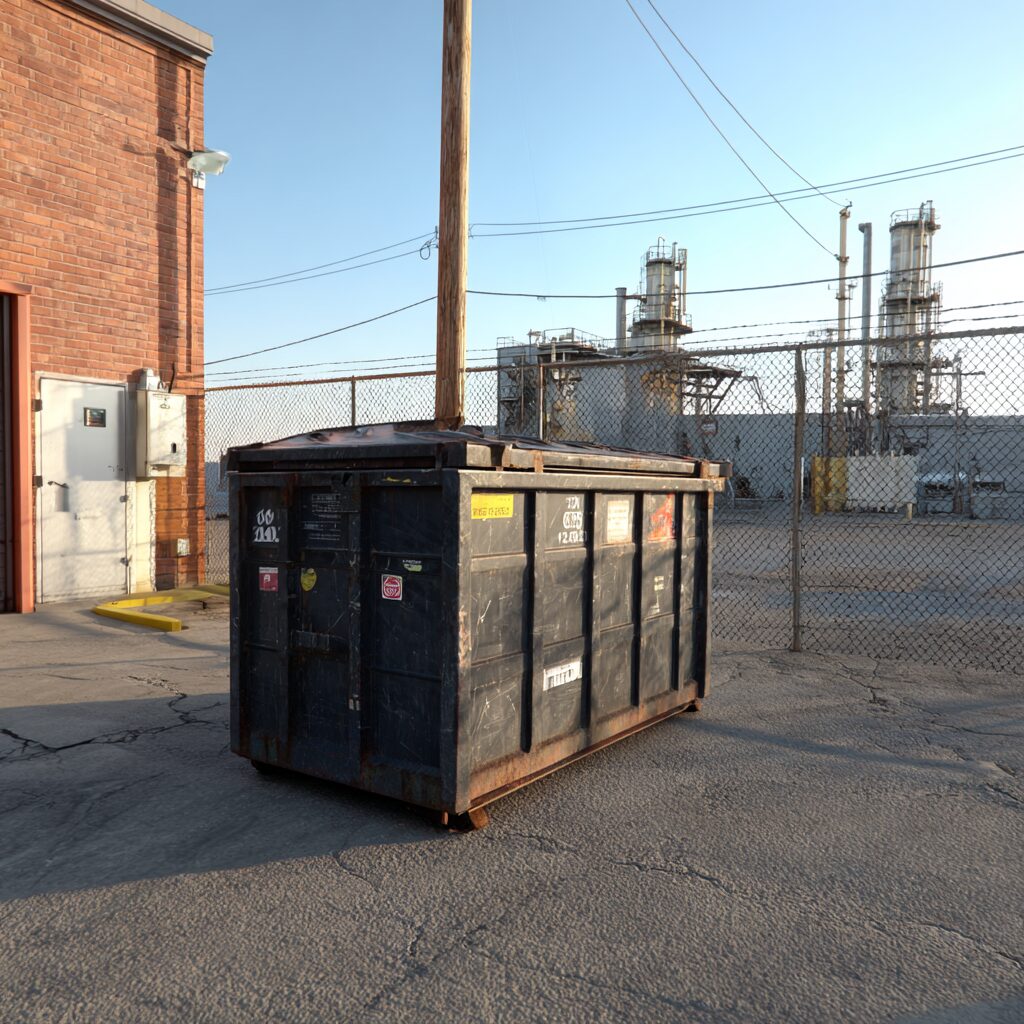
Most roll-off units accept non-hazardous items: wood, metal, drywall, carpet, cardboard, and siding. Keep flammables, batteries, paints, oils, tires, medical waste, and refrigerant appliances out of general disposal streams.
Align service with shift patterns. If packaging spikes on second shift, schedule swaps after that shift to keep the pad clear. Track tonnage and moisture content so you size by weight as well as cubic yards.
Stage hazardous and non-hazardous streams separately and document every movement. Keep load sheets, scale tickets, and service logs together for audits. Permits apply for street placement in many municipalities. Place containers on solid, flat surfaces away from utilities.
| Waste category | Common items | Handling note |
| Production scrap | Offcuts, metal turnings, rejected parts | Separate dense turnings; monitor tonnage |
| Packaging | Cardboard, pallets, film, strapping | Compactable; schedule frequent service during peak shifts |
| Maintenance debris | Drywall, flooring, piping, fixtures | Reserve extra capacity for planned turnarounds |
| Excluded items | Batteries, paints, oils, refrigerant appliances | Handle via hazardous streams and record movement |
Picking the right container size simplifies cleanups and keeps projects on schedule. We’ll walk through common options, when to choose each, and how to avoid weight surprises that blow your budget.
Use a 10-yard unit for concrete, asphalt, soil, and metal scrap. Typical dimensions are about 12–14 feet long by 8 feet wide and 3 feet high. Low walls make skid-steer loading safer and help avoid overweight charges.
A 15-yard fits tight pads and steady scrap when you need more capacity than a 10-yard. Mid-size 20-yard units offer balance for maintenance and light construction debris. Expect lengths near 21–22.5 feet and heights of 3–4.5 feet.
Choose a 30-yard for remodels and turnarounds to cut swaps. A 40-yard serves large projects with bulky, lighter materials. Both share similar lengths around 22–23 feet; sides run 5–7 feet to maximize cubic capacity.
| Size | Typical dims (L×W×H) | Best use |
| 10-yard | 12–14′ × 8′ × 3′ | Dense materials, tight pads |
| 20-yard | 21–22.5′ × 7–8′ × 3–4.5′ | Maintenance, mixed debris |
| 40-yard | 22–23′ × 8′ × 5–7′ | Large-scale, bulky items |
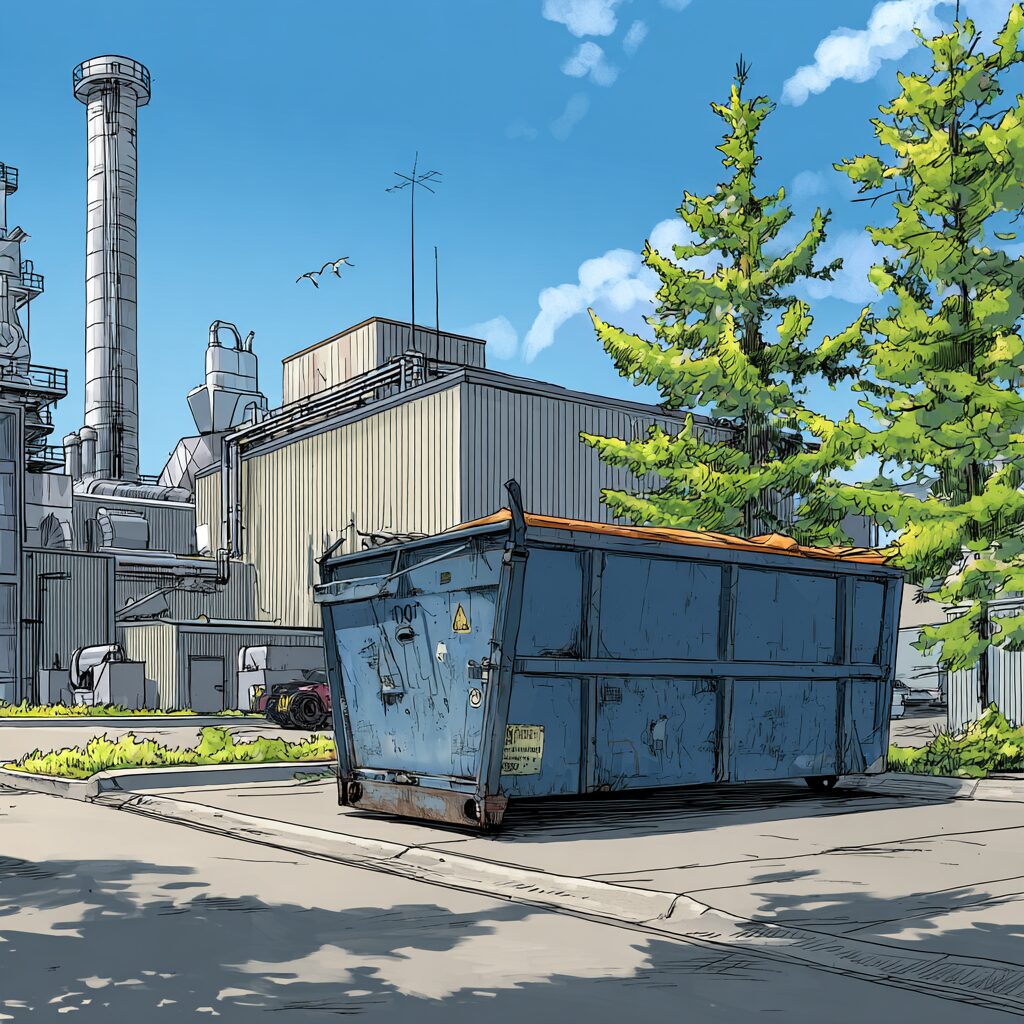
A clear placement plan keeps trucks moving and crews safe during every swap. Below are practical steps you can apply today to pick a stable pad, give drivers room, and keep operations running without surprises.
Pick solid, level surfaces. Concrete or well-compacted asphalt work best. Soft soil and uneven gravel cause settling and tilt that create hazards.
Mark underground utilities, drains, and sprinkler lines. Protect access for maintenance and avoid placing heavy containers over septic or buried lines.
Keep approach lanes clear and confirm the truck turning radius before placement. Check overhead clearance for power lines, catwalks, and tree branches so lifts happen safely.
Separate forklifts and foot traffic with cones or painted zones. Post signs listing acceptable items to reduce contamination of waste streams.
Train crews on loading. Spread weight evenly, don’t exceed rim height, and require PPE like gloves, eye protection, and steel-toe boots.
If a container must sit in the street, expect permits and posted signage. Confirm local rules, add lights or reflectors, and schedule any required inspections in advance.
Plan collections around heat and peak shifts. Early pickups are common in heat waves, so set out materials the night before when possible.
| Factor | Recommended practice | Reason |
| Pad | Concrete or compacted asphalt | Prevents settling and keeps crews safe |
| Clearance | Adequate approach and overhead space | Allows safe lift and maneuver of trucks |
| Permits | Check local rules before street placement | Avoid fines and ensure compliant service |
Ready to get started? Walk the site with a tape and a short checklist. A 15-minute layout review saves time and keeps everyone safer.
Effective dumpster rentals for industrial locations require providers who understand manufacturing environments and can deliver specialized solutions that support rather than disrupt your production schedules. The right waste management strategy eliminates bottlenecks while ensuring regulatory compliance and cost control.
Contact our industrial specialists to discover how our experience with complex waste streams can help optimize your facility’s dumpster rentals for industrial locations while maintaining the safety and efficiency your operations demand.
If you are looking for Q&A with the Prime Dumpster Pros: How to Find Dumpster Rentals Near Me, Click Here


