Mon - Sat 7:00 am to 7:00 pm


Mon - Sat 7:00 am to 7:00 pm
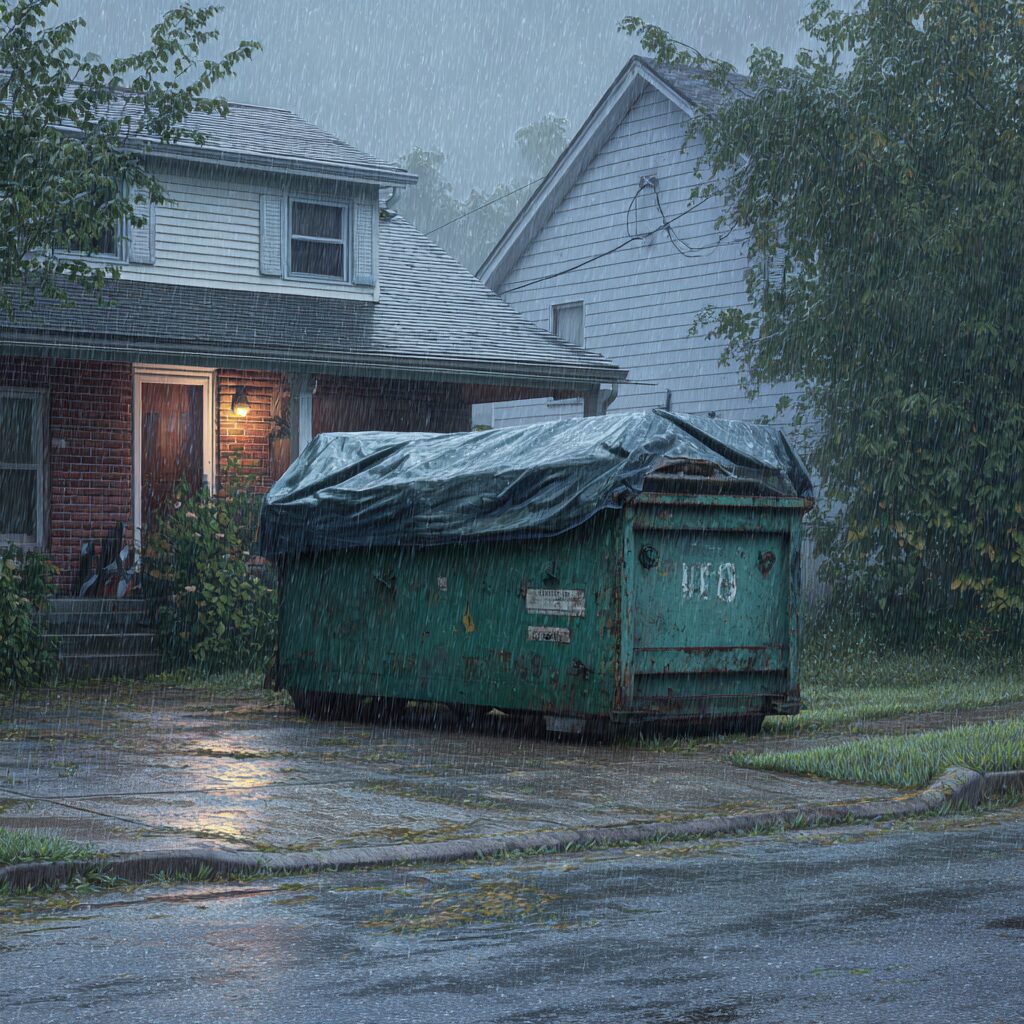
🍂 Fall weather creates a variety of unique challenges for dumpster and porta potty rentals. In our Fall Site Services Series, we’re taking a closer look at how to keep your site services operating efficiently and within budget during the Autumn season. 🍂
Fall roofing season brings both opportunity and pressure as property owners rush to complete repairs before winter’s arrival. Smart contractors know that autumn’s cooler temperatures and clear skies create ideal working conditions, but shorter days and unpredictable weather demand efficient project management strategies that can make or break seasonal success.
At Prime Dumpster, we’ve coordinated waste management for fall roofing projects nationwide, from residential re-roofs in suburban neighborhoods to commercial installations on multi-story buildings.
Our comprehensive guide to dumpster rentals for roofing contractors in Fall. You’ll learn proven strategies for managing fall roofing debris efficiently while navigating weather challenges and tight deadlines. You’ll discover how to choose optimal container sizes for different project types, coordinate deliveries around weather windows, and protect materials from autumn’s temperature swings.
Fall roofing contractors face unique seasonal challenges that require specialized approaches for site services and weather-aware planning.
Weather Window Planning: Schedule container deliveries during stable weather forecasts and request flexible pickup timing to accommodate sudden temperature drops or early snow that can halt work unexpectedly.
Material Protection Priorities: Position dumpsters to shield work areas from prevailing winds while ensuring morning frost doesn’t contact sensitive materials like asphalt shingles that become brittle in cold temperatures.
Seasonal Volume Increases: Fall demand typically increases container needs by 25-30% compared to summer months as property owners rush to complete repairs before winter, requiring advance booking for guaranteed availability.
Cold-Weather Container Considerations: Request containers with reinforced positioning systems and ensure access routes remain clear as autumn leaves and early frost can create slippery conditions for delivery trucks.
Pre-Winter Project Timing: Plan for 20% longer project timelines during fall months due to shorter daylight hours and weather delays, coordinating waste removal schedules accordingly to prevent overflow situations.
Now, let’s explore more detailed strategies about dumpster rentals for roofing contractors in Fall.
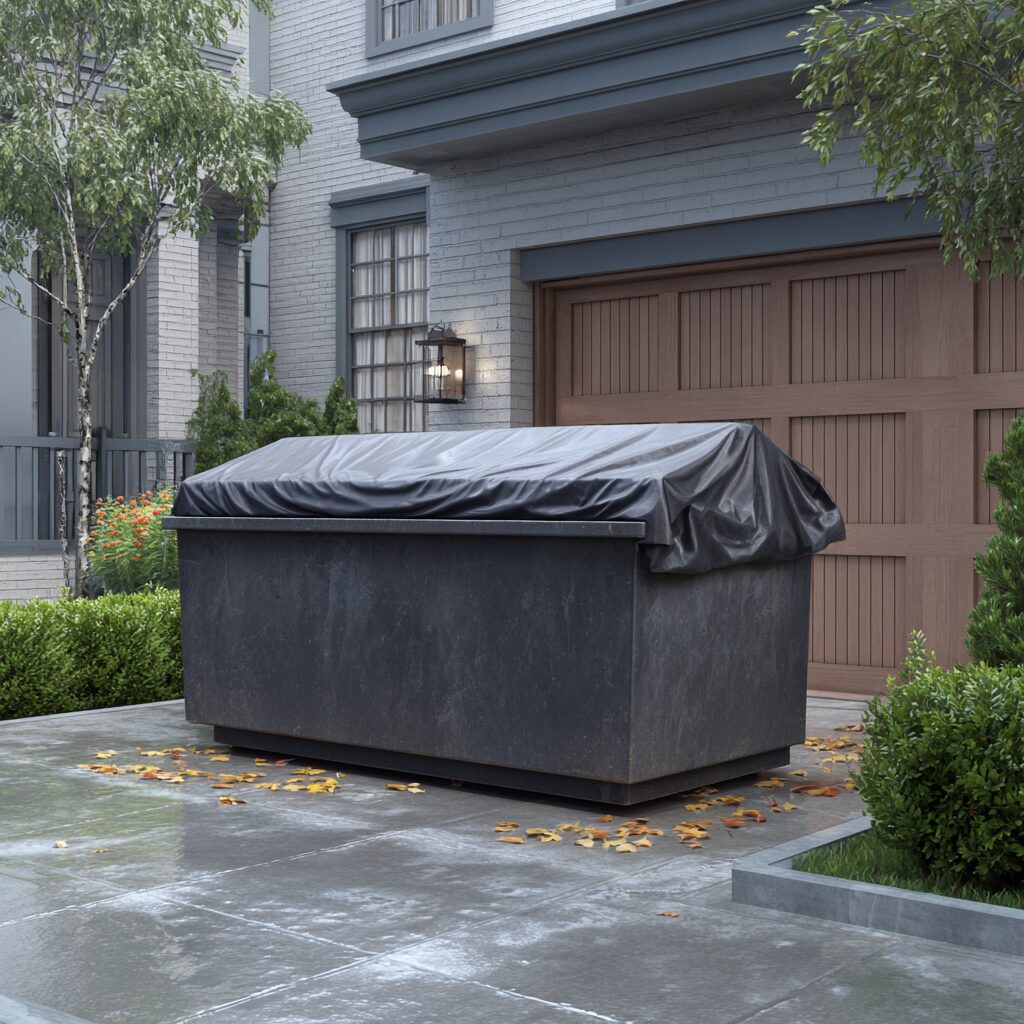
As pumpkin spice lattes make their annual comeback, so does the scramble to fix roofs before winter hits. Property owners suddenly remember those loose shingles during backyard leaf-raking sessions. What starts as a minor leak in September becomes a November emergency when temperatures drop.
Damaged shingles turn into ice dams waiting to happen. One winter storm can transform cracked roofing materials into costly structural nightmares. Contractors often see three patterns:
The October-to-December sprint means juggling tear-offs at Mrs. Johnson’s colonial while patching apartment complexes. Smart teams use these strategies:
One contractor told us, “It’s like Thanksgiving dinner prep – everything needs to hit the table before the guests arrive.” Translation? Snowflakes don’t care about your project delays.
Getting container dimensions wrong wastes time and money – like bringing a turkey platter to a potluck for 50. Let’s crack the code on matching space needs to project scope.
Most single-family home jobs thrive with 10-yard units. They handle about three layers of asphalt shingles from average-sized roofs without blocking garage access. Need more wiggle room? A 20-yard option gives breathing space for larger properties but requires partial filling to dodge weight limits. Both slide neatly into tight spaces – no neighbor complaints about blocked sidewalks.
Multi-story homes or commercial sites demand heavier-duty solutions. Here’s the breakdown:
Remember: Concrete tiles and slate add weight fast. A 20-yard container might hold 4 tons max – enough for two average roofs. Smart teams track material density like bakers watching cookie dough rise.
Fall’s shorter days demand smarter debris management strategies. Contractors juggling multiple tear-offs need solutions that keep pace with tight schedules while handling everything from asphalt scraps to weathered underlayment. Let’s explore how specialized containers transform chaotic job sites into streamlined operations.
Imagine crews tossing broken tiles directly into waiting containers without interrupting workflow. Rolloff units positioned below work areas eliminate time-wasting trips to ground-level bins. This setup proves crucial when handling:
| Material Type | Weight per Sq Ft | Ideal Container Size |
| Asphalt Shingles | 2.5-4 lbs | 10-20 yard |
| Concrete Tiles | 9-12 lbs | 30-40 yard |
| Cedar Shake | 1.5-3 lbs | 15-20 yard |
| Slate | 8-10 lbs | 30 yard+ |
Ever seen a container groan under concrete tile overload? Knowing weight thresholds prevents costly delays. Lighter materials like wood shingles let you fill containers higher, while dense slate requires frequent swaps.
Prime Dumpster Pro Tip: Track daily debris output using a simple formula – square footage × material density ÷ 2,000 = estimated tons.
Teams that pair this math with weather-aware scheduling often complete projects 18% faster. They avoid last-minute scrambles when frost threatens uncovered materials or rain soaks unprotected piles.
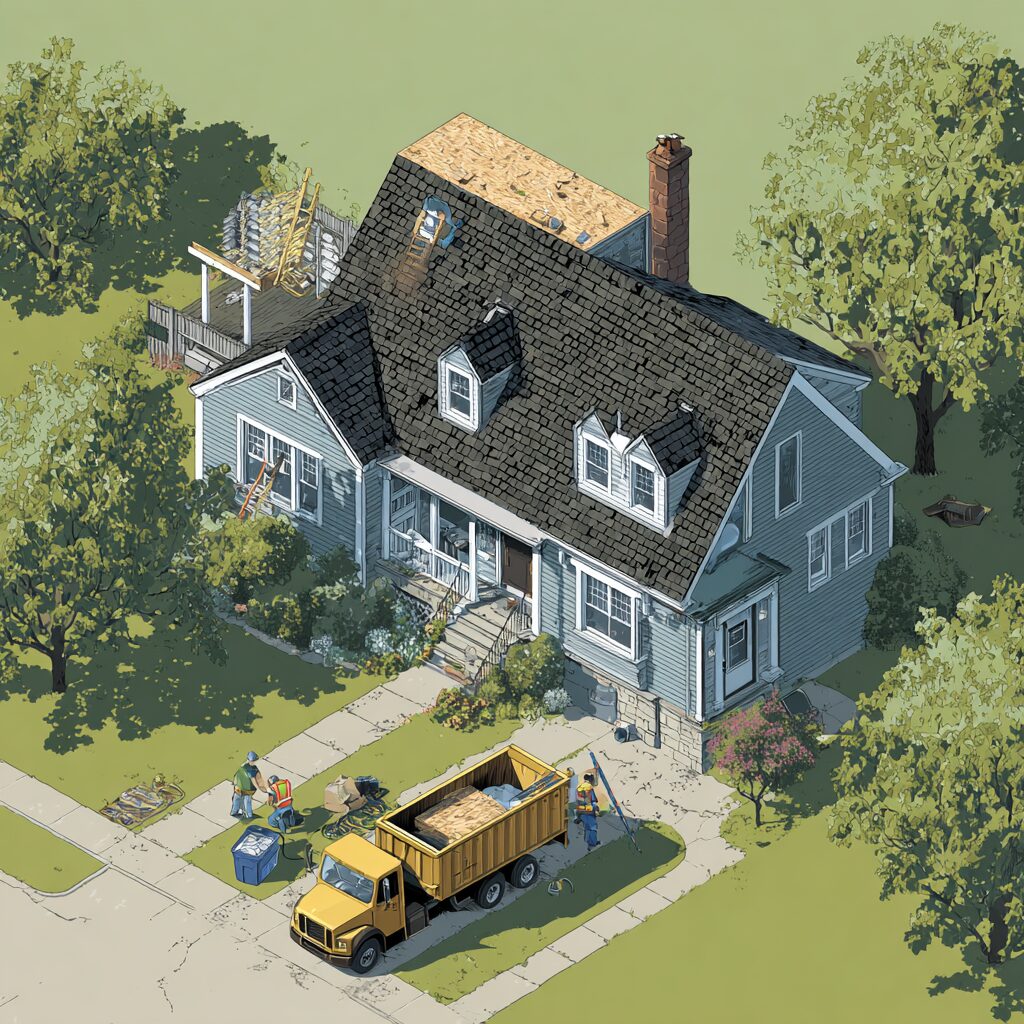
When summer’s humidity fades to crisp mornings, smart teams shift strategies. Autumn’s beauty hides a scheduling minefield – one week brings golden sunshine, the next delivers early snow flurries. Success hinges on anticipating these swings while safeguarding supplies from nature’s mood swings.
Imagine trying to schedule a picnic during monsoon season. That’s fall roofing work in a nutshell. Savvy crews track forecasts like sports fans checking scores, syncing container deliveries with dry spells. Flexible rental periods prove vital when projects stretch like taffy across stormy weeks.
| Material Type | Cold-Weather Care | Storage Solution |
| Asphalt | Keep dry to prevent cracking | Covered staging area |
| Slate | Avoid temperature swings | Insulated pallets |
| Metal panels | Prevent morning frost contact | Elevated racks |
Morning frost turns fragile materials into potato chips – crunchy and prone to breaking. Nightly tarp rituals become as essential as morning coffee.
Position containers like bodyguards against nor’easters. Place them upwind to block gusts from scattering debris or soaking new supplies. One contractor swears by her “triangle method” – materials, workspace, and waste units forming a protected zone.
Unexpected flurries? Have emergency protocols ready. Waterproof covers should deploy faster than kids grabbing Halloween candy. Remember: Snow melts into puddles that warp wood and rust metal faster than you can say “winter surprise.”
Successfully managing dumpster rentals for roofing contractors in Fall requires more than just skilled craftsmanship—it demands strategic waste management that adapts to seasonal challenges while keeping projects on schedule and within budget. The right dumpster rental partnership eliminates logistical headaches and allows your crews to focus on delivering quality work before winter arrives.
Ready to streamline your fall roofing waste management? Contact our experienced team to discover how our contractor-focused approach can help you complete more projects efficiently while building the client relationships that drive year-round success.
If you are looking for Dumpsters for Schools and Universities in Fall, Click Here


