Mon - Sat 7:00 am to 7:00 pm


Mon - Sat 7:00 am to 7:00 pm

Shopping mall renovations involve coordinating waste management across diverse tenant spaces while maintaining customer flow and meeting complex operational demands. Whether updating regional shopping centers, lifestyle destinations, or enclosed traditional malls, property managers face unique logistical challenges that require specialized container strategies and careful timing coordination.
At Prime Dumpster, we’ve facilitated waste management solutions for shopping malls nationwide, from anchor store renovations to common area updates that keep these commercial destinations thriving and attractive to both shoppers and retailers.

Different shopping mall formats create distinct waste management requirements that demand tailored approaches for optimal efficiency and minimal disruption.
Shopping malls house everything from jewelry boutiques to department stores, each generating different waste volumes and types during renovations. Anchor tenants typically require 30-40 yard containers for major overhauls, while smaller specialty shops work efficiently with 10-15 yard units.
Successful coordination involves creating master schedules that prevent container conflicts and maintain loading dock access for all tenants.
Food courts, restrooms, and corridor renovations generate mixed waste streams requiring careful separation and specialized disposal methods.
These high-visibility areas demand discrete container placement and expedited removal schedules to minimize customer impact. Infrastructure work like HVAC updates or electrical system improvements produces debris that must be managed without disrupting mall operations or compromising safety protocols.
Shopping malls experience predictable busy periods during holidays and special events that affect waste management timing.
Container deliveries and pickups must coordinate around Black Friday preparations, holiday decoration installations, and community events that draw large crowds. Outdoor malls face additional weather-related challenges that can delay projects and require flexible scheduling approaches.
Mall environments demand container solutions that maintain professional appearances while meeting security protocols. Enclosed malls often require covered containers or strategic placement behind service areas to preserve the shopping atmosphere.
Security considerations include preventing unauthorized access to containers and ensuring proper lighting around waste management zones for both safety and theft prevention.
Roll-off dumpsters (10–40 yards) serve temporary renovation projects with open-top loading and flexible on-site placement for weeks or months at a time. These larger containers handle construction debris, old fixtures, and renovation materials that exceed the capacity of standard waste collection systems.
Permanent front-load dumpsters (2-8 yards) manage daily operational waste like packaging, food court refuse, and routine maintenance debris through scheduled pickup services. The key difference lies in capacity and purpose – roll-offs accommodate project-based debris volumes while permanent containers maintain ongoing waste disposal for daily mall operations.
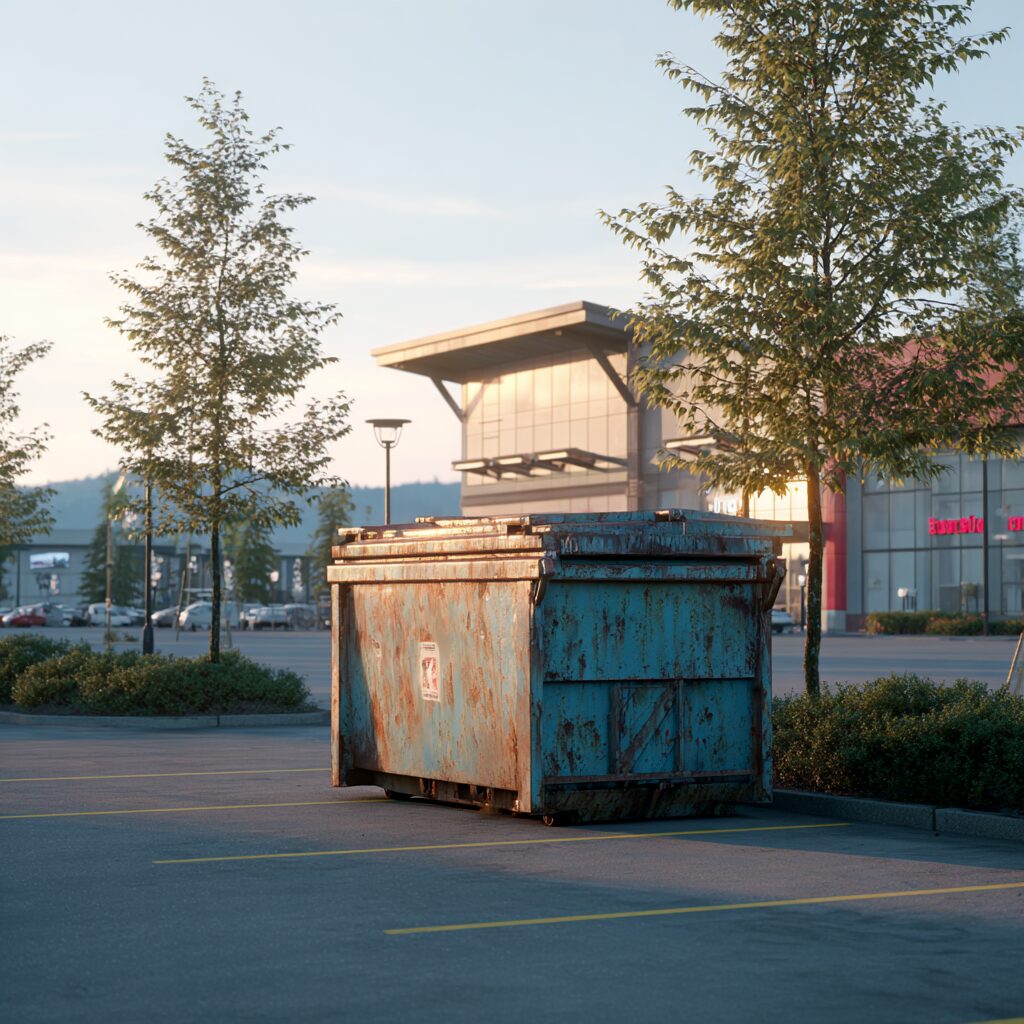
Property managers can optimize mall renovation projects by following proven practices while avoiding common pitfalls that disrupt operations or create tenant conflicts.
Our Prime Dumpster Pros have rounded up quick do’s and don’ts for shopping mall trash disposal.
Effective dumpster rentals for shopping malls require understanding the unique demands of multi-tenant commercial environments where customer experience and operational efficiency must coexist. Proper planning ensures renovations enhance rather than disrupt the shopping destination’s appeal and functionality.
Contact us for specialized guidance on shopping mall waste management solutions that coordinate seamlessly with your property’s operational requirements and tenant needs.
If you are looking for Dumpster Rentals for Grocery Store Remodels, Click Here


