Mon - Sat 7:00 am to 7:00 pm


Mon - Sat 7:00 am to 7:00 pm

Retail environments present unique challenges when it comes to dumpster safety, where customer foot traffic, employee operations, and renovation projects must coexist without creating hazardous conditions.
Store managers and shopping center operators need comprehensive strategies that protect both customers and staff while maintaining efficient waste management during renovations, seasonal cleanouts, and daily operations.
At Prime Dumpster, we’ve coordinated waste management solutions for retail chains, shopping centers, and commercial properties nationwide, learning firsthand how proper safety protocols prevent accidents and liability issues. Our comprehensive guide reveals seven essential tips for dumpster safety in retail environments that protect customers, employees, and your business operations.
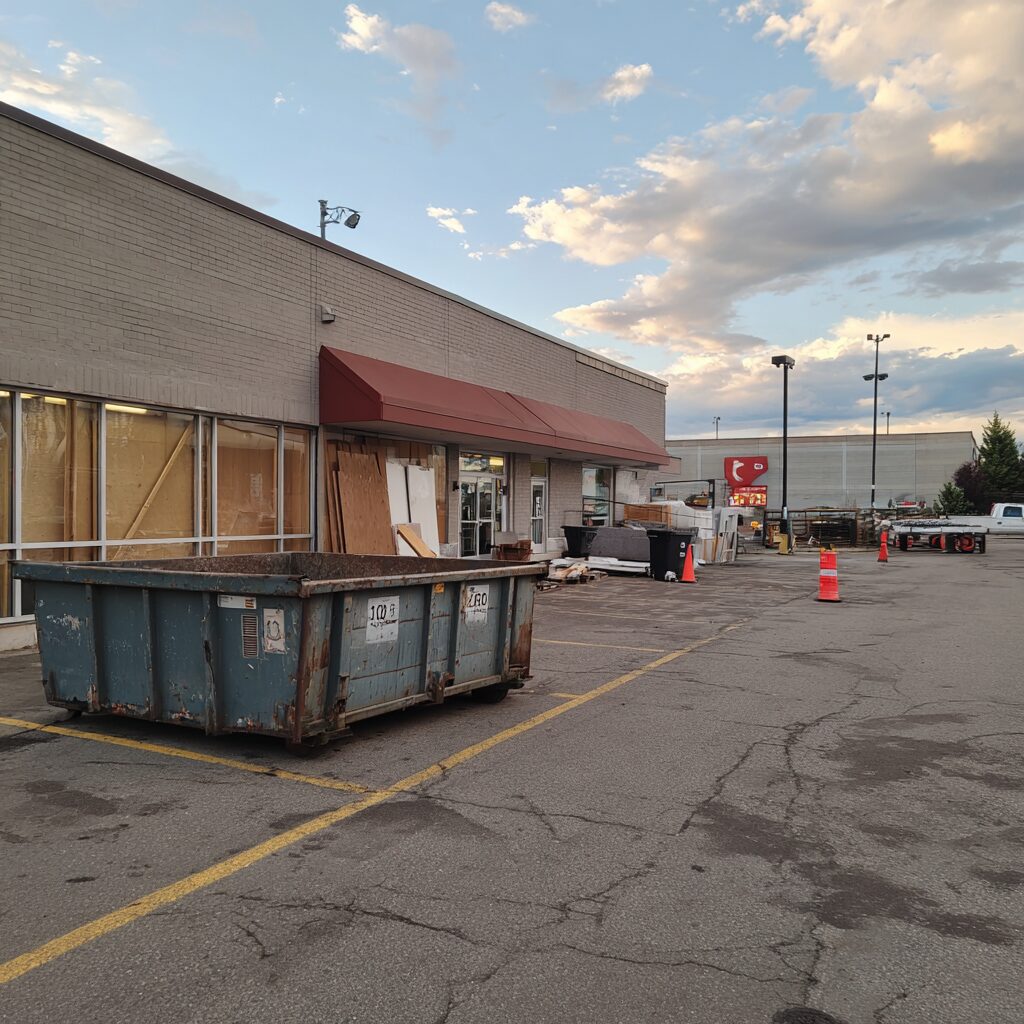
In a hurry? Here’s a rundown of our top tips:
Now let’s take a closer look at the details!
Professional delivery crews will position dumpsters in designated areas that maintain clear customer access to store entrances and parking spaces.
Retail managers should coordinate with rental companies before delivery to identify optimal placement zones that avoid blocking fire lanes, handicap spaces, or high-traffic customer areas.
Store teams must ensure the designated placement area remains clear of shopping carts, merchandise displays, and employee vehicles during scheduled delivery windows.
Retail staff should wear proper personal protective equipment including safety gloves, closed-toe shoes, and high-visibility vests when loading construction debris or store renovation materials into dumpsters.
Store teams must never exceed the container’s rim height and should distribute weight evenly across the bottom to prevent tipping hazards during pickup operations.
Employees should immediately report any damaged container conditions, sharp edges, or structural issues to management rather than attempting repairs or continued use of compromised equipment.
Rental companies will position dumpsters away from main customer walkways and store entrances to minimize pedestrian safety risks during busy shopping periods.
Retail managers should establish clear barriers or temporary fencing around dumpster areas to prevent customers from accidentally walking into loading zones during renovation projects.
Store security teams must monitor dumpster areas regularly to ensure children and customers do not climb on containers or use them as shortcuts through construction zones.
Rental companies will provide lockable lids or tarping systems when requested to prevent unauthorized dumping that could create liability issues for retail properties.
Store managers should designate specific employees who are authorized to access dumpsters and ensure all staff understand which materials are prohibited from disposal.
Security teams must include dumpster areas in regular patrol routes to deter vandalism, illegal dumping, and potential safety hazards from improperly discarded materials.
“Keep an eye out for people dumping things they shouldn’t in your dumpster – it happens more often than you’d think and can end up costing your business money in extra fees. A simple security camera pointed at the dumpster area can save you headaches down the road and helps catch problems before they get expensive,” says a Prime Dumpster Pro.
Delivery crews will coordinate with store managers to schedule dumpster placement and removal during off-peak hours to avoid conflicts with overnight restocking operations.
Retail teams should ensure adequate lighting around dumpster areas and establish clear protocols for night shift employees who need to dispose of materials safely.
Store supervisors must communicate dumpster locations and safety procedures to all overnight staff, including cleaning crews and third-party vendors working during closed hours.
Professional drivers will position dumpsters to maintain clear access for delivery trucks while ensuring containers remain accessible for waste loading operations.
Store receiving teams should coordinate delivery schedules with dumpster service windows to prevent conflicts between merchandise deliveries and waste removal activities.
Loading dock supervisors must establish designated pathways that separate dumpster access from normal freight operations to prevent accidents involving forklifts and hand trucks.
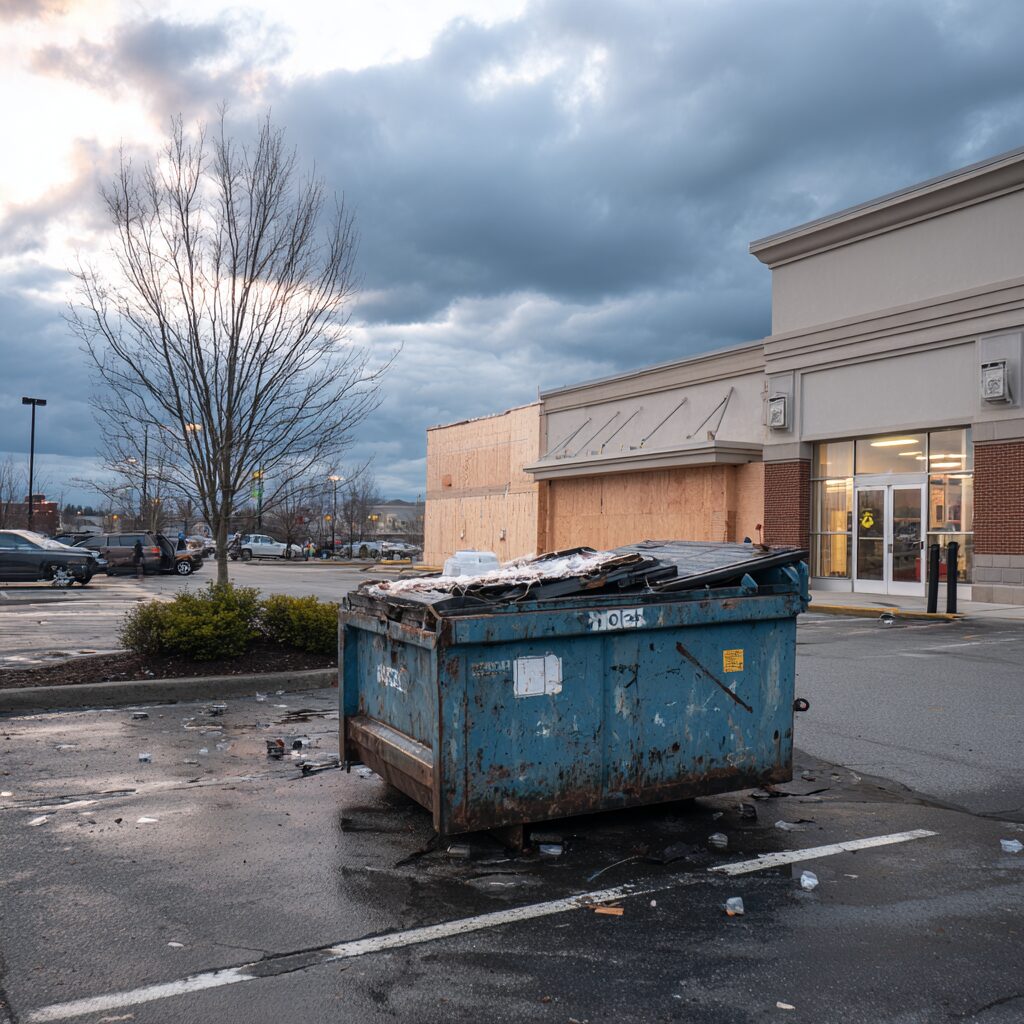
Rental companies will ensure dumpster placement maintains required clearances from emergency exits, fire lanes, and evacuation routes as mandated by local fire codes.
Store managers must verify that dumpsters do not obstruct any emergency lighting, alarm systems, or safety equipment that could impede evacuation procedures during emergencies.
Retail safety coordinators should include dumpster locations in regular fire safety inspections and immediately request repositioning if containers create any barriers to emergency response access.
Mastering dumpster safety in retail environments requires coordinated planning between rental providers and on-site teams to ensure customer protection while maintaining operational efficiency. Smart retail managers understand that proper safety protocols not only prevent accidents but also protect their business from liability issues that could impact their bottom line and reputation.
Prime Dumpster’s retail expertise helps shopping centers and store managers implement safety strategies that keep customers safe and operations running smoothly. Contact our team to discover how our retail-focused approach to waste management eliminates safety concerns while delivering the reliable service your business demands.
If you are looking for PD Quick Guide: Dumpster Rentals for Food Court Overhauls, Click Here


