Mon - Sat 7:00 am to 7:00 pm


Mon - Sat 7:00 am to 7:00 pm

Updated for 2025 with tips from the Prime Dumpster Pros!
Planning a drywall project? Accurately estimating drywall weight makes disposal simpler, safer, and less expensive. Choosing the right dumpster size prevents overage fees, extra trips, and project delays — and a drywall-focused calculator gives a quick, reliable weight estimate based on your project’s square footage and drywall thickness.
Prime Dumpster provides construction and renovation teams — homeowners, contractors, and remodelers — with practical guidance for managing debris and avoiding unexpected costs. This guide explains how to use the calculator, how to estimate drywall weight, and how to pick the right dumpster for your needs.
Try our free, custom drywall weight calculator now to get an instant estimate in pounds and tons, plus a recommended dumpster size for your project.
The mass of drywall directly affects the dumpster size you’ll need for removal — especially on large renovations or demolitions — so understanding pounds per square foot and thickness helps with logistics and budgeting.
A standard 4×8 foot (32 sq ft) sheet of half‑inch drywall typically weighs about 50 pounds. Sheet thickness changes the pounds per square foot and, therefore, the overall weight of your project. Below is a quick reference expressed as weight per 1,000 square feet, so you can scale estimates easily.
| Thickness | Weight per 1,000 sq ft |
| 1/4 inch | 1,200 lbs |
| 1/2 inch | 1,600 lbs |
| 5/8 inch | 2,300 lbs |
For a practical example, here are estimated weights for 500 square feet of drywall by thickness:
These figures help you convert square footage into pounds so you can estimate required dumpster capacity. Keep in mind that wet or water-damaged drywall and attached materials (like insulation or tile backing) will increase the weight, so factor in an extra 10–15% for waste and moisture when you calculate.
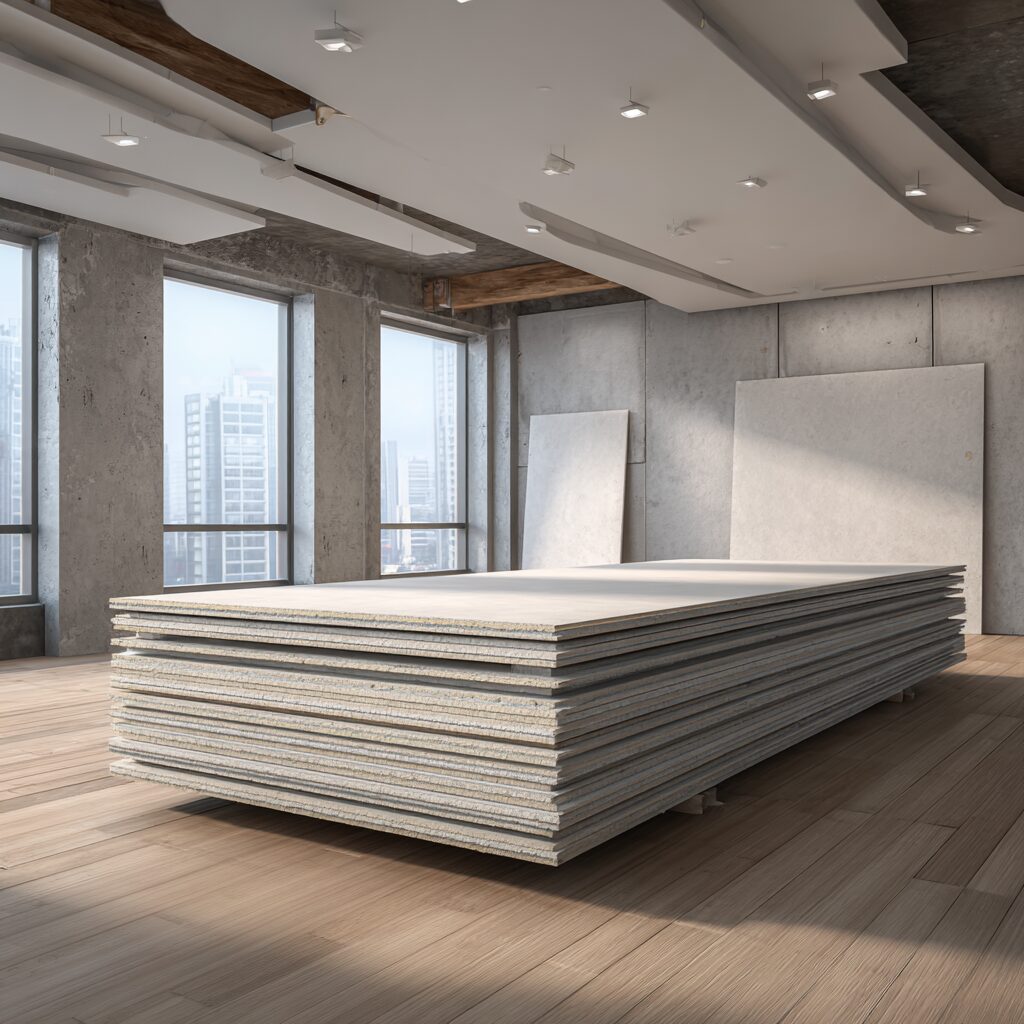
Using a dumpster weight calculator for drywall is essential for helping to understand how dumpster weight limits work. A reliable calculator helps you estimate how many pounds of drywall debris your project will generate so you can choose the right dumpster and avoid overage fees or extra trips.
As a ballpark figure, many contractors use ~500 pounds per cubic yard as a typical drywall debris estimate (this varies with packing and moisture). Use that estimate only as a starting point and confirm exact weight limits with your dumpster provider: a typical10‑yard dumpster often handles roughly 4,000–6,000 pounds, while a 40‑yard unit can typically handle up to 12,000–16,000 pounds — but provider policies and local regulations can change capacities and pricing.
An online drywall weight calculator saves time and money by converting square footage and thickness into pounds and tons and then suggesting the right dumpster size for your project.
Have your project details ready (total square footage, drywall thickness, and percent waste) before using the calculator below — it will give you instant estimates and a recommended dumpster size.
Calculating drywall weight up front keeps your renovation or construction project on schedule and prevents unexpected disposal costs. The basic steps are simple: measure the area, determine sheet thickness, convert area to number of sheets, then multiply by the weight per sheet to get total pounds.
The formula in practice: Total Weight (lbs) = Weight per Sheet (lbs) × Number of Sheets. If you prefer the calculator route, enter square footage and thickness into the weight calculator to get instant estimates in pounds and tons.
Start by measuring the total square footage you need to remove. A standard 4×8 sheet equals 32 square feet, so divide your project square footage by 32 to find the number of 4×8 sheets. If you use multiple thicknesses, calculate each thickness separately and add the results together for the final weight.
Example workflow: 1) Measure area in square feet; 2) Determine which thicknesses you used; 3) Convert area to sheets per thickness; 4) Multiply sheets × weight per sheet; 5) Sum all thickness totals and add a waste allowance (typically 10–15%).
Below are common weight estimates per standard 4’×8′ sheet to help with manual calculations or to verify calculator results.
| Thickness | Weight per 4’x8′ Sheet |
| 3/8 inch | 39 pounds |
| 1/2 inch | 50 pounds |
| 5/8 inch | 56 pounds |
Worked example: For 500 sq ft of 1/2″ drywall → 500 ÷ 32 = 15.625 sheets → round up to 16 sheets → 16 × 50 lbs = 800 lbs. Add 10% waste → 800 + 80 = 880 lbs. Convert to tons if needed (880 lbs ≈ 0.44 tons). For metric conversions, note 2.2 pounds per kilogram.
After calculating pounds, you can convert to cubic yards or compare against dumpster weight limits. Remember that packed debris density varies; use these estimates as a practical guideline and round up to be safe when choosing a dumpster.

The drywall weight calculator streamlines disposal planning by turning your project inputs into a clear pounds/tons estimate and a recommended dumpster size. Before you start, gather three simple inputs: total square footage, drywall thickness, and an allowance for waste or breakage (we suggest 10–15%).
Quick step-by-step:
1) Enter total square feet of drywall to remove.
2) Select the thickness (3/8″, 1/2″, 5/8″, etc.).
3) Enter a waste percentage (default 10%).
4) Review the result in pounds and tons and see the suggested dumpster size.
For reference, here are common weight estimates per 500 sq ft by thickness — useful for quick manual checks or to validate the calculator’s output:
| Drywall Thickness | Weight per 500 sq ft |
| 3/8 inch | 780 lbs |
| 1/2 inch | 1,040 lbs |
| 5/8 inch | 1,300 lbs |
The calculator returns an estimated weight in pounds and tons, then helps you choose the appropriate dumpster size. A 10-yard dumpster will suit many small to medium jobs, while larger renovations may require a 40-yard container. Confirm your provider’s weight limits and pricing before booking to avoid surprises.
Make sure your measurements are ready, then use the weight calculator to get an accurate estimate and pick the right dumpster to keep your project on budget and on schedule.
Removing drywall can seem daunting, but the right precautions and process make the job safe and efficient. Learn how to remove drywall properly to reduce hazards and to prepare the material for disposal or recycling.
Following safe drywall removal practices protects workers and prevents extra disposal costs from contaminated or improperly handled debris.
Prioritize safety before you begin. Wear appropriate PPE: work gloves, safety goggles, a dust mask or N95 respirator, and long sleeves. If the structure was built before 1980 or you suspect asbestos/lead paint, stop and arrange professional testing and abatement — do not proceed with DIY removal if hazardous materials are present.
Work from the top down and cut drywall into manageable pieces (4′ or smaller is ideal for manual handling). Keep the area well ventilated and clear pathways to reduce trip hazards. Bag small debris and remove it separately to keep the main demolition area tidy.
Do a quick site check for nails, screws, electrical boxes, or plumbing before tearing out panels to avoid accidental damage.
Load the dumpster to distribute weight safely and stay within weight limits. Follow these loading best practices:
Overloading a dumpster can result in extra fees, safety hazards, and possible equipment damage. Check your provider’s weight limits and pricing before loading; if you need help estimating debris pounds per square (or per cubic yard), contact your dumpster provider for guidance or use the weight calculator earlier in this guide.
Quick do / don’t list:
Following these tips reduces debris-related problems and supports responsible drywall disposal.

We asked Prime Dumpster Pros for their answers to the top questions about drywall weight calculators.
“A standard 4×12 sheet at half-inch thickness weighs about 60 pounds. If you’re dealing with 5/8-inch thickness, that jumps to about 75 pounds or more per sheet. That’s 50% more material than a 4×8 sheet, so your disposal calculations need to account for those longer panels.”
“Always add 15% to your base calculations for cutoffs, mistakes, and job site reality. Real-world projects never match perfect math. If you’ve got joint compound and texture applied, tack on another half pound per square foot. Those finishing materials add up quick across a whole house.”
“A standard 4×8 sheet at half-inch thickness weighs right around 50 pounds. Go up to 5/8-inch and you’re looking at 60 pounds per sheet. Moisture-resistant panels from bathrooms run a bit heavier at 55 to 60 pounds even at standard dimensions because of the denser core materials.”
“Moisture-resistant drywall is specially treated board with a denser gypsum core and water-repellent paper facing designed for bathrooms, kitchens, and other high-humidity areas. You’ll see it called green board or blue board depending on the manufacturer. It weighs 10 to 20% more than regular drywall because of those extra additives and denser materials, so your disposal weight calculations need to account for that difference.”
Regular drywall vs moisture-resistant drywall for dumpster disposal requires different weight calculations, with moisture-resistant panels at 55 to 60 pounds per 4×10 sheet compared to standard sheets at 50 pounds per 4×8 sheet. Projects involving bathroom and kitchen demolition need larger containers or additional hauls to accommodate the 10 to 20% weight increase from moisture-resistant materials.
Contact our team to help you find the best dumpster rental options for your drywall disposal project, including expert guidance on container sizing based on your specific panel types and project square footage.
If you are looking for Can You Mix Drywall with Other Materials in a Dumpster?, Click Here


