Mon - Sat 7:00 am to 7:00 pm


Mon - Sat 7:00 am to 7:00 pm
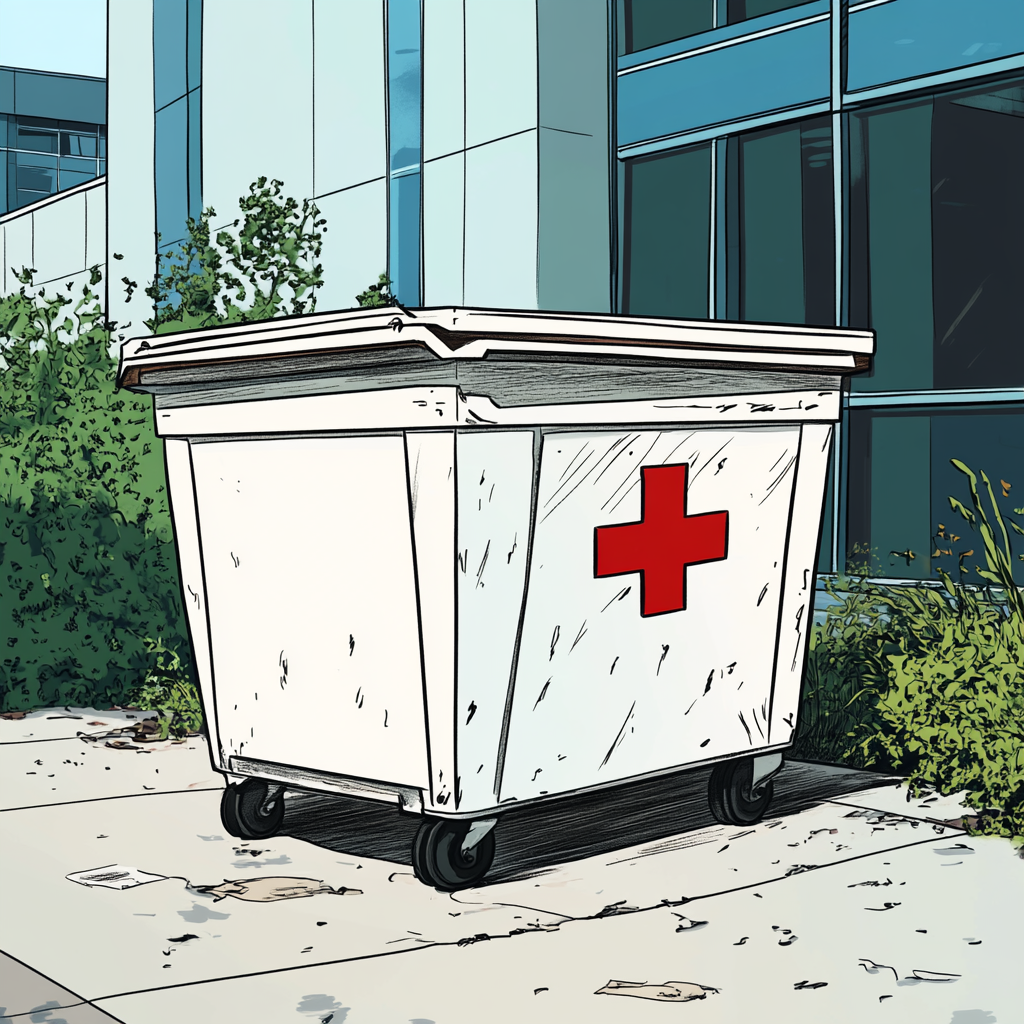
Healthcare facilities, from hospitals to dental offices, produce biohazardous waste that demands ethical and compliant disposal. Proper management of these diverse medical waste streams is crucial for protecting public health and the environment.
At Prime Dumpster, we’re experts in waste management for a diverse range of medical waste streams. From sharps to expired meds, we’ll explore various types of medical waste and explore how to handle each safely and efficiently.
Let’s learn more about dumpsters for medical waste streams and healthcare facility waste management!
Navigating the world of regulated medical waste disposal is akin to playing a high-stakes game of Operation. Let’s look into rules and regulations that govern healthcare facility waste management.
Federal, state, and local regulations categorize medical waste subject to regulation. These rules are vital for ensuring safety and preventing disease transmission.
Interestingly, studies reveal that hospital waste isn’t inherently more infectious than residential waste. Residential waste often harbors more bacterial contamination.
The Occupational Safety and Health Administration (OSHA) and Centers for Disease Control and Prevention (CDC) mandate strict guidelines for healthcare facilities. These are not mere suggestions but strict requirements.
For example, medical wastes must be stored in leak-resistant biohazard bags. Extra precautions are necessary for contaminated or punctured bags.
The EPA prioritizes environmental protection in medical waste disposal. Healthcare facilities must dispose of waste regularly to minimize odors and pest issues.
Certain wastes, such as microbiologic cultures, may require steam sterilization at 250°F for up to 90 minutes.
| Waste Type | Disposal Method | Special Requirements |
| Sharps | Puncture-resistant containers | Prevents needlestick injuries |
| Microbiologic | On-site destruction | Required for select agents |
| Blood/Body Fluids | Sanitary sewers | Volume limits may apply |
Proper regulated medical waste disposal is more than just following rules. It’s about safeguarding our health and environment. By grasping these requirements, healthcare facilities can manage their waste streams effectively and safely.

Medical waste management is vital in healthcare. U.S. hospitals generate nearly 6 million tons of medical waste yearly. It’s crucial to select the right dumpsters for managing this waste. Let’s delve into the various types of medical waste dumpsters and their uses.
Front-load containers are a popular and effective way to manage medical waste. They come in various sizes, fitting different facility needs. Constructed from heavy-duty steel, they are durable and secure. Given that each patient bed produces about 33 pounds of medical waste daily, choosing the right size is critical.
For large healthcare facilities or during renovations, roll-off containers are the solution. These dumpsters are perfect for handling bulk waste. However, they pose infection control risks if left unattended. RBX (Red Bag Box) containers, measuring 20 feet long and 8 feet high and wide, are commonly used for this purpose.
Some medical waste requires extra caution. Specialized containment systems are designed for infectious, hazardous, and radioactive waste. These dumpsters ensure compliance with EPA regulations, which categorize medical waste into four distinct types. Each type demands specific disposal methods to ensure safety and regulatory adherence.
| Waste Type | Example | Disposal Method |
| General Waste | Paper, packaging | Regular trash |
| Infectious Waste | Blood-soaked bandages | Biohazard containers |
| Hazardous Waste | Unused medications | Special chemical treatment |
| Radioactive Waste | Cancer treatment byproducts | Strict containment and decay |
Selecting the appropriate medical waste dumpsters is crucial for efficient waste management and compliance. Collaborating with waste management experts can streamline your processes and potentially lower costs.
Regulated medical waste disposal requires strict adherence to safety protocols. Healthcare facilities must handle, transport, and document waste carefully. This ensures compliance with state and federal regulations.
Medical waste must be segregated and contained before transport. Sharps need rigid, leak-proof containers. Blood and body fluids over 20 ml require special treatment. Transportation vehicles must meet standards to prevent spills or exposure during transit.
Employees handling medical waste need comprehensive training. They must understand waste classification, use personal protective equipment, and know emergency response procedures. Regular refresher courses keep staff updated with the latest safety practices.
Accurate record-keeping is crucial in healthcare facility waste management. Facilities must keep detailed logs of waste generation, treatment, and disposal. Large Quantity Generators must register with state authorities. Small Quantity Generators have specific reporting requirements.
| Waste Type | Container | Treatment Method |
| Sharps | Rigid, puncture-resistant | Not required before disposal |
| Blood (>20 ml) | Leak-proof | Incineration or sanitary sewage |
| Other regulated waste | Appropriate containment | Treatment required before disposal |
By following these safety protocols, healthcare facilities can ensure compliance with regulations like the Medical Waste Management Act. This protects both staff and the environment from potential hazards associated with regulated medical waste disposal.
Hospitals generate over 4.67 million tons of waste each year. Yet, about 85% of this waste is non-hazardous. This presents a significant opportunity for sustainable management.
Healthcare waste management is undergoing a transformation. Landfill fees have increased by up to 1500% in the last two decades. It’s imperative to adopt smart recycling programs and waste-to-energy initiatives. These strategies can drastically reduce waste volumes by up to 90%.
Here’s a quick look at how sustainable solutions stack up:
| Solution | Benefit | Impact |
| Waste Segregation | Improves recyclability | Up to 20% cost savings |
| Waste-to-Energy | Reduces landfill use | 20% of US renewable electricity |
| Biofuel Conversion | Creates new revenue | Turns waste into profit |
Collaborating with waste management experts can help healthcare facilities develop customized solutions. These solutions address specific waste streams, from pathological waste to biohazardous waste. The right approach can lead to substantial cost savings and environmental benefits.

Managing medical waste streams in healthcare facilities is crucial for safety and compliance. Proper handling of different types of medical waste dumpsters ensures a sanitary environment and prevents the spread of infections.
Effective healthcare facility waste management starts with proper segregation. Separate sharps, pharmaceutical waste, and infectious materials into designated containers. For instance, place needles in puncture-resistant sharps containers, while trace chemotherapy waste goes in yellow bins. Bulk chemotherapy waste requires hazardous waste containers.
Choose the right size dumpster based on your facility’s waste volume. Small clinics might opt for front-load containers, while hospitals often need larger roll-off solutions. Consider the types of medical waste dumpsters available and match them to your specific needs.
Regular waste removal is essential to prevent overflow and maintain hygiene. Schedule pickups based on your waste generation rate. For example, infectious waste may require more frequent collection than general medical waste. Partner with a licensed medical waste disposal company to ensure compliance with regulations.
By following these best practices, healthcare facilities can streamline their waste management processes, reduce risks, and maintain a safe environment for staff and patients alike.
Hospitals and clinics must be ready for any situation when it comes to regulated medical waste disposal. With over 30 years of experience, we’ve faced everything from small spills to major biohazard situations. Our commitment to on-time service ensures you’re supported during emergencies.
Developing a robust emergency response plan is essential. This plan should detail handling procedures and staff training. In a medical waste emergency, you’re the hero – no cape needed, but proper PPE is crucial!
During outbreaks or pandemics, waste volumes can surge. Our extensive fleet and nationwide network are prepared to manage increased medical waste. We’ve successfully navigated major health crises, including SARS (2003), H1N1 (2009), Ebola (2014), and COVID-19 (2020).
| Outbreak | Year | Waste Management Challenge |
| SARS | 2003 | Increased PPE disposal |
| H1N1 | 2009 | Surge in contaminated materials |
| Ebola | 2014 | Highly infectious waste handling |
| COVID-19 | 2020 | Unprecedented volume of medical waste |
Stay ready with our 24/7 online account management and training for Biohazardous Waste Segregation. With the right tools and knowledge, you’ll tackle any medical waste emergency with ease!
By implementing proper protocols, investing in appropriate equipment like dumpsters for medical waste streams, and partnering with reliable waste management providers, healthcare facilities can ensure that medical waste is handled responsibly, minimizing risks and contributing to a healthier and safer environment for all.
Contact our team for more information and help on medical waste stream management, including dumpster options for healthcare facilities.
If you are looking for Dumpster Rentals for Corporate Events, Click Here


