Mon - Sat 7:00 am to 7:00 pm


Mon - Sat 7:00 am to 7:00 pm

Strip mall renovations can feel like solving a puzzle, with the pieces constantly shifting. You’re managing construction crews, keeping businesses open, and making sure customers can still find parking – all while dealing with mountains of debris that need to go somewhere fast.
At Prime Dumpster, we’ve helped property managers tackle strip mall projects across the country, from small tenant updates to complete center overhauls.
Our guide to rented dumpsters for strip mall renovations covers the practical stuff you need to know: which container sizes work best, where to put them without blocking traffic, and how to keep everything running smoothly while your center gets its makeover.
These coordination strategies ensure your strip mall renovation proceeds efficiently while protecting tenant operations and customer satisfaction throughout the construction process.
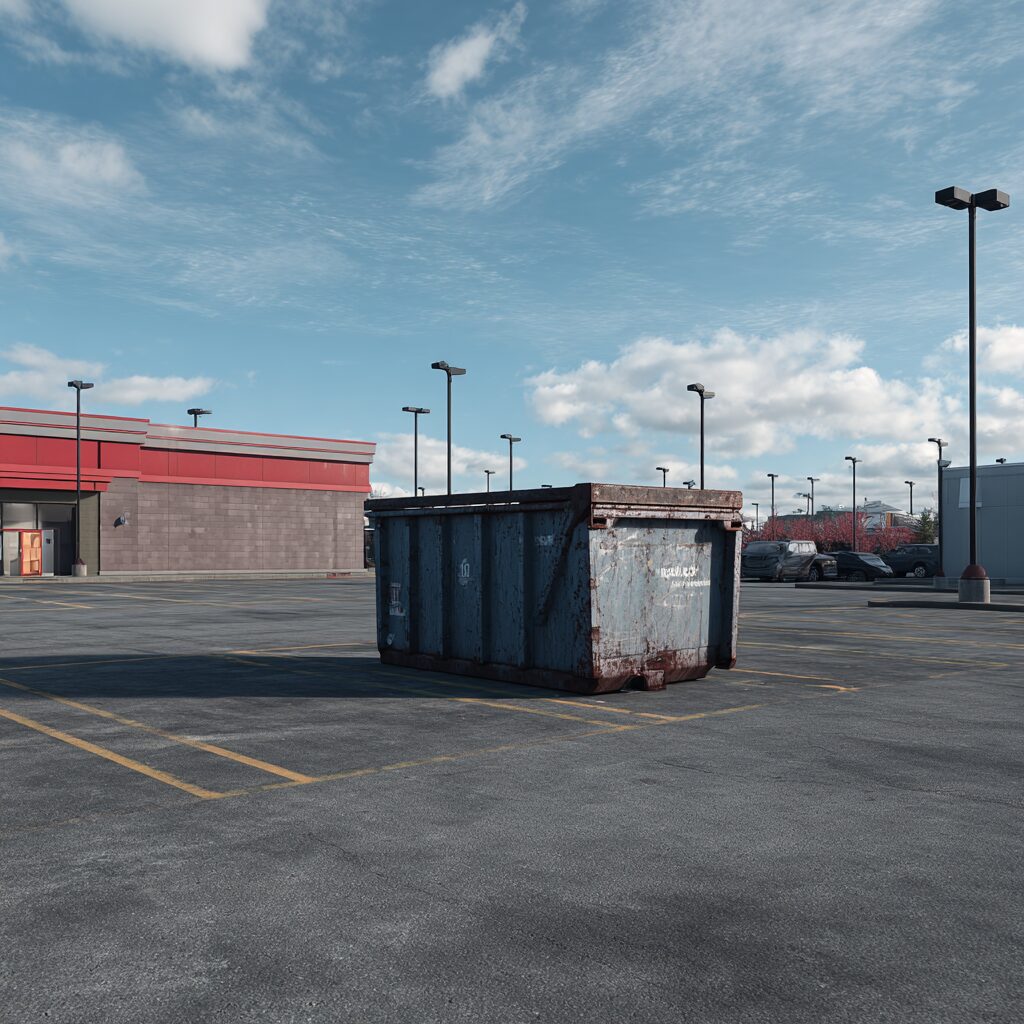
Shared parking and active storefronts make waste control a project-level concern. When multiple retail stores remain open, debris can spread into customer paths and loading lanes. A clear plan prevents that and keeps shoppers safe.
We recommend a staged approach that uses a single dumpster and scheduled swaps. Providers deliver and pick up standard containers in 10-, 20-, 30-, and 40-yard sizes. That service speeds turnover and stops crews from staging piles that slow work.
Containment also protects your brand and your business neighbors. By keeping waste in one place, you reduce trip hazards, dust, and pest risk. You also limit tenant complaints and avoid blocking ADA routes.
| Size (yd) | Typical Use | When to Order |
| 10 | Selective demo, light buildout | Partial closures |
| 20 | Multi-bay interior work | Staggered closures |
| 30–40 | Full-bay demo and large debris | Major gut work |
Work with your waste services partner early and pick a solid dumpster rental schedule. You’ll keep the site tidy and construction on pace.
Before a sledge hits drywall, you should map what’s coming out and where it will go. Early scoping saves time, avoids weight overages, and keeps your work zones clean.
Inventory fixtures, gondolas, shelving, millwork, drywall, ceiling grid, flooring, and packaging. Note metals from racks, clean wood from buildback, tile or carpet, and film wrap from deliveries.
When stores stay open during work, clear access routes must stay a top priority. We plan placements and windows so customers keep easy entry while crews load and haul debris safely.
Stage the container where curb cuts, ramps, and door swings remain clear. Always leave fire lanes open for emergency vehicles.
Use cones, temporary fencing, and bright signage so pedestrians can see alternate paths. Add lighting at dusk so visitors spot barriers and wayfinding.
Schedule pickup during off-peak times to avoid queuing at main entrances and clashing with vendor deliveries. Coordinate quiet hours with tenants to skip breakfast rush or school-drop spikes.
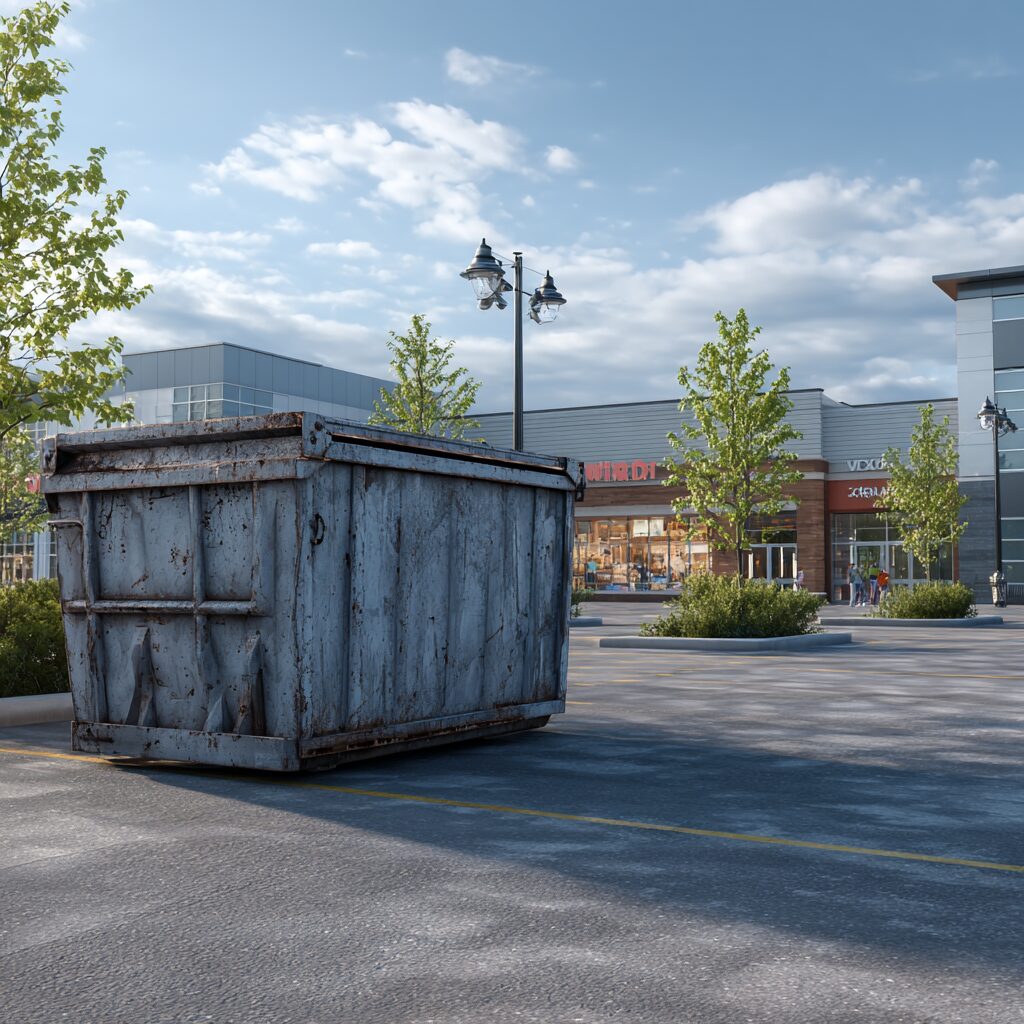
Right-size your waste plan and crews stay productive while customers keep easy access. Here are the dumpster sizes typically available for strip mall construction.
Use compact units during partial closures. A 10-yard fits tight parking bays and swaps quickly. A 15-yard handles light demo and fixture swaps while shops remain open.
The 20-yard is the workhorse when you stagger store closures. It holds fixtures, drywall, and general waste without constant turnover.
Step up to 30-yard boxes for full-bay teardown and buildback debris. Choose 40-yard when multiple tenants gut at once and you want fewer truck trips.
| Size (yd) | Best Phase | Typical Debris | Notes |
| 10 | Partial closures | Millwork, light demo | Fits tight spots; fast swaps |
| 15 | Partial closures | Fixture changes, light tear-outs | Good balance of capacity and access |
| 20 | Staggered closures | Multi-bay interior work | Workhorse for interior construction |
| 30–40 | Full closures | Full-bay demo, roofing | Watch tonnage on dense materials |
Busy parking lots and shared docks demand placement plans that keep deliveries moving and people safe. We recommend a short pre-delivery check and a simple map so everyone knows the truck approach and collection route.
Stage the roll-off near loading areas but outside the turning radius. That lets semis back to docks without tight maneuvers. Keep at least 10 feet from overhangs and signage so a lift does not strike canopies.
Post reflective panels at corners and cone off adjacent spaces if you must use a parking row. Ask your hauler about clearances before you pick a location. Your provider will often guidance on safe placement.
| Scenario | Placement Tip | Protective Measure |
| Shared loading dock | Park outside truck turning radius | Coned buffer and route map |
| Busy parking row | Use end spaces and end cones | Ground protection mats |
| Near pedestrian flow | Shift away from walkways | Reflective panels and signage |
Before you stage dumpsters for strip mall renovations, confirm local rules and who holds permit responsibility. We advise early contact with your waste services partner and property management to lock in placement that meets zoning and safety rules.
Plan around approach paths, overhead clearances, and municipal setbacks. Providers often carry permits and can recommend spots where a commercial dumpster won’t block sidewalks, hydrants, or drive lanes.
Here are the top tips that our Prime Dumpster Pros recommend to help ensure you don’t overlook anything important:
| Permit type | Where it applies | Lead time |
| Temporary staging | Shared lanes and curbside | 1–3 days |
| Right-of-way approval | Public roads and medians | 3–10 days |
| Long-term siting | Service yards and alleys | Varies |
Align cubic yards and service frequency with debris to avoid surprise mid-week moves. Keep the hauler’s contact and today’s approved service windows on your plan so site leads resolve timing fast and keep business humming.
Good timing keeps crews busy and the lot clear. Create a simple schedule that ties deliveries and pickups to trade milestones so work never pauses waiting on space.
Build a flex window around major push days. Allow the hauler to slide a pickup during rain, inspections, or late deliveries without disrupting the rest of the week.
Use market-aware turnaround targets. Ask for next-day swaps during peak demo weeks and scale back to multi-day service as debris slows.
Require verification photos or short videos after every pickup so you know the unit is empty and ready for the next trade.
Keep one contact list for superintendents, property managers, and the hauler dispatch. Quick texts or calls solve surprises in real time.
| Schedule Option | Turnaround Time | Best Use |
| Standing weekly | 7 days | Routine buildback and steady loads |
| Next-day swap | 24 hours | Peak demolition and heavy pushes |
| On-call flex | Same-day to 48 hours | Rain delays, inspections, or short surges |
| Quiet-hour pickup | Mid-morning windows | Sites with noise restrictions |
Review service weekly and praise customer service that keeps businesses running today. Track fill levels daily and call before lunch if you expect an afternoon full. Small planning saves big time on-site.

A busy parking lot becomes a safety risk without simple controls around service areas. You want clear signals, good lighting, and a plan that everyone can follow.
Use cones and barricades with readable “No Parking” and “Work Zone” signs that customers spot from the lot entry. Add night-visible reflectors and task lighting at the corners so shoppers and drivers can see the area after dark.
Here are top safety tips when working with dumpsters for strip mall renovations.
Post a one-page safety plan in the trailer that shows traffic flows and where spotters stand during service. Coordinate with your hauler so drivers know who controls lane closures. Quick tenant reports should trigger same-day tweaks to barriers or signage.
| Item | Action | Benefit |
| Signage | High-contrast, legible | Visible from entry, reduces confusion |
| Lighting | Corner coverage, reflectors | Safe evening access for customers |
| PPE & Spotters | Vests and trained spotters | Safer truck moves and fewer close calls |
Successful strip mall renovations require waste management solutions that balance construction efficiency with ongoing business operations and customer access needs.
Prime Dumpster’s experienced team understands the unique demands of strip mall environments, where every decision impacts multiple stakeholders.
Contact our team to discover how our proven approach to rented dumpsters for strip mall renovations can help you coordinate efficient waste management that supports your renovation goals while maintaining the operational excellence your tenants and customers expect.
If you are looking for Dumpster Rentals for Shopping Centers: A Guide for Shopping Center Property Managers, Click Here


