Mon - Sat 7:00 am to 7:00 pm


Mon - Sat 7:00 am to 7:00 pm

Every construction project and major event creates tons of waste that typically ends up polluting landfills and releasing harmful gases into the atmosphere. Smart dumpster rentals can reduce a carbon footprint by cutting transportation emissions, boosting recycling rates, and preventing methane release from rotting organic materials.
Learning how the right dumpsters reduce carbon footprints changes waste management from a costly headache into an environmental win. At Prime Dumpster, we’ve seen firsthand how proper waste strategies cut emissions while saving money on disposal costs and transportation fees.
These strategies transform waste management from an environmental burden into a powerful tool for reducing project-related carbon emissions.
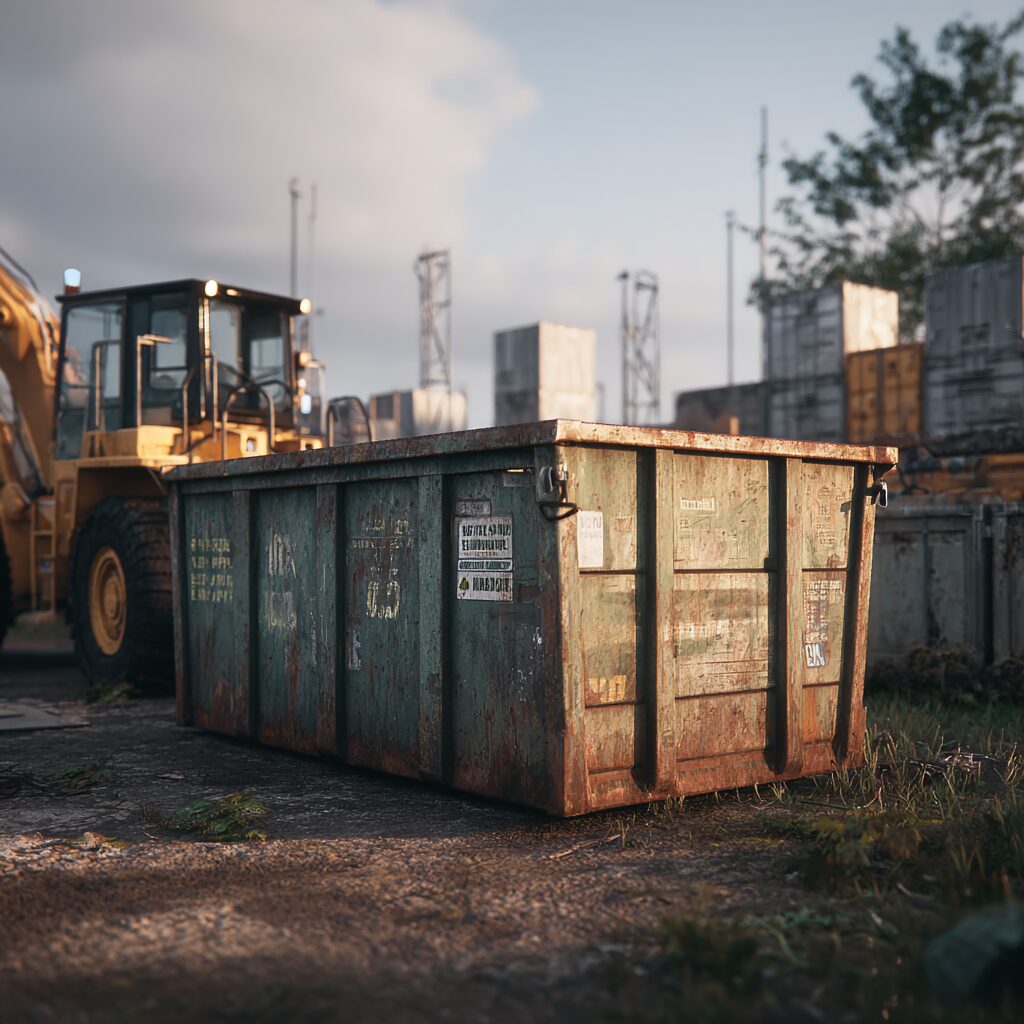
Think of your carbon footprint as an invisible trail left by every action – including debris removal. It measures all greenhouse gases generated by your activities, from fuel burned during waste transport to methane released at landfills.
Organic materials rotting in landfills produce methane, a gas 25x more potent than CO₂. Meanwhile, multiple disposal trips guzzle fuel and spew exhaust. These factors quietly inflate your project’s environmental toll.
Here’s the game-changer: centralized collection systems cut transportation needs by up to 75%. One well-placed container prevents eight separate truck runs, slashing emissions immediately.
Proper sorting lets materials like metal and concrete get reborn as new products. This reduces mining demands and keeps harmful substances from seeping into groundwater. Check how different approaches stack up:
| Factor | Traditional Method | Optimized Approach | Environmental Benefit |
| Transportation | 8+ trips | Single pickup | 72% fewer emissions |
| Material Recovery | 15% recycled | 60% recycled | Preserves natural resources |
| Methane Production | High | Controlled | Cleaner air quality |
Smart waste management isn’t just about compliance – it’s about leadership. When you prioritize efficient systems, you’re voting for cleaner neighborhoods and healthier communities.

Ever stared at a mountain of debris wondering where to put it all? The secret lies in matching your project’s scale to the correctly-sized container. Let’s break down your options – no tape measure required.
A 10-yard unit handles weekend warrior tasks. Think bathroom remodels or attic purges. It’s the Goldilocks choice for jobs needing two pickup truck loads – compact yet mighty enough to skip multiple trips to the landfill.
Step up to 15 yards for kitchen overhauls or deck tear-downs. This mid-sizer swallows 3-4 tons of materials while keeping transport trucks off neighborhood streets. Perfect when you’re tossing cabinets but keeping the sink.
Got a house-wide renovation? The 20-yard hero tackles roof shingles and drywall piles in one go. No overflow means no surprise second rentals – just efficient disposal from start to finish.
Commercial crews love 30-yard beasts for multi-story projects. They hold enough concrete rubble or steel scraps to fill three semi-trailers, cutting hauling frequency by 60% compared to smaller units.
When skyscrapers come down, 40-yard titans step up. These giants handle eight tons of debris per load – equivalent to 20 standard truck beds. One delivery, one pickup, minimal road time.
Match your container like you’d pair tools to tasks. Oversized units waste fuel hauling air. Undersized ones demand repeat pickups. Get it right and you’ll see:
Prime Dumpster Pro Tip: Rental companies often provide sizing guides. Share your project details – they’ll help you nail the sweet spot between capacity and eco-smart efficiency.
Ever wonder how traffic jams relate to your project’s trash? The answer lies in smarter hauling strategies that tackle two problems at once: clearing debris and protecting air quality.
Picture this: Ten pickup trucks idling in gridlock versus one heavy-duty hauler cruising optimized routes. Choosing bulk disposal slashes vehicle runs by 80%, according to EPA data. Check what happens when you consolidate trips:
| Metric | Standard Approach | Optimized Method | Impact |
| Weekly Trips | 10+ | 2 | 80% fewer exhaust clouds |
| Fuel Used | 45 gallons | 18 gallons | 60% less consumption |
| Road Wear | High | Low | Smoother streets |
This approach keeps 12 tons of CO₂ equivalents out of the atmosphere per project – equal to planting 150 trees.
Professional haulers don’t just drive trucks – they engineer routes. GPS tracking and real-time traffic updates create fuel-sipping paths that bypass school zones and rush hours.
Modern fleets use diesel-electric hybrids and biodiesel blends, cutting particulate emissions by 35% compared to older models. Regular tune-ups and proper tire pressure add up too – a well-maintained rig gets 15% better mileage.
Here’s the kicker: These strategies don’t just help your project. They create cleaner air for entire neighborhoods by keeping unnecessary trucks off local roads.
What if your project’s leftovers could build someone else’s dream home? Modern disposal strategies make this possible through clever material recovery systems.
Professional services act as matchmakers for discarded items. Metal beams become bicycle frames. Crushed concrete forms new parking lots. Wood scraps transform into mulch for city parks.
Aluminum recycling shows why this matters. Melting soda cans uses 95% less energy than mining raw ore. That’s like powering a TV for three hours instead of three days per pound processed.
Some materials need VIP treatment. Lead-based paint chips demand sealed containers. Asbestos requires double-bagged transport. Chemical residues get neutralized before disposal.
Certified handlers use lined storage units that block leaks. They track dangerous goods from pickup to processing. This prevents midnight drips into storm drains or backyard wells.
Smart material management isn’t just cleaner – it’s cheaper. Repurposing cuts manufacturing costs. Proper hazard handling avoids six-figure cleanup bills. Your project becomes part of tomorrow’s infrastructure instead of yesterday’s landfill.
What if your trash could text you? Welcome to the era where waste systems think smarter than your average garbage can. Construction teams and event planners now wield tech-powered tools that turn disposal into environmental chess matches.
Jobsite recycling starts with color-coded containers. Separate bins for metals, wood scraps, and drywall let crews toss smarter. One Florida high-rise project boosted material recovery by 53% using this method – their steel scraps later became bicycle racks at a nearby school.
Smart sensors now monitor fill levels like coffee pots tracking caffeine supplies. These devices ping dispatch teams when containers hit 80% capacity. No more half-empty hauls guzzling diesel on highways.
GPS isn’t just for avoiding traffic jams anymore. Waste fleets use real-time data to dodge school zones and accident hotspots. One Chicago company trimmed 400 annual driving hours by syncing pickups with highway clearance times.
Check how modern transport stacks up:
| Factor | Old Trucks | New Fleet |
| MPG | 5.2 | 8.7 |
| Route Efficiency | 62% | 89% |
| Idle Time | 22 mins/day | 6 mins/day |
Bonus win: Many containers now contain recycled plastics from last year’s demolition projects. It’s like watching yesterday’s soda bottles become tomorrow’s debris catchers.
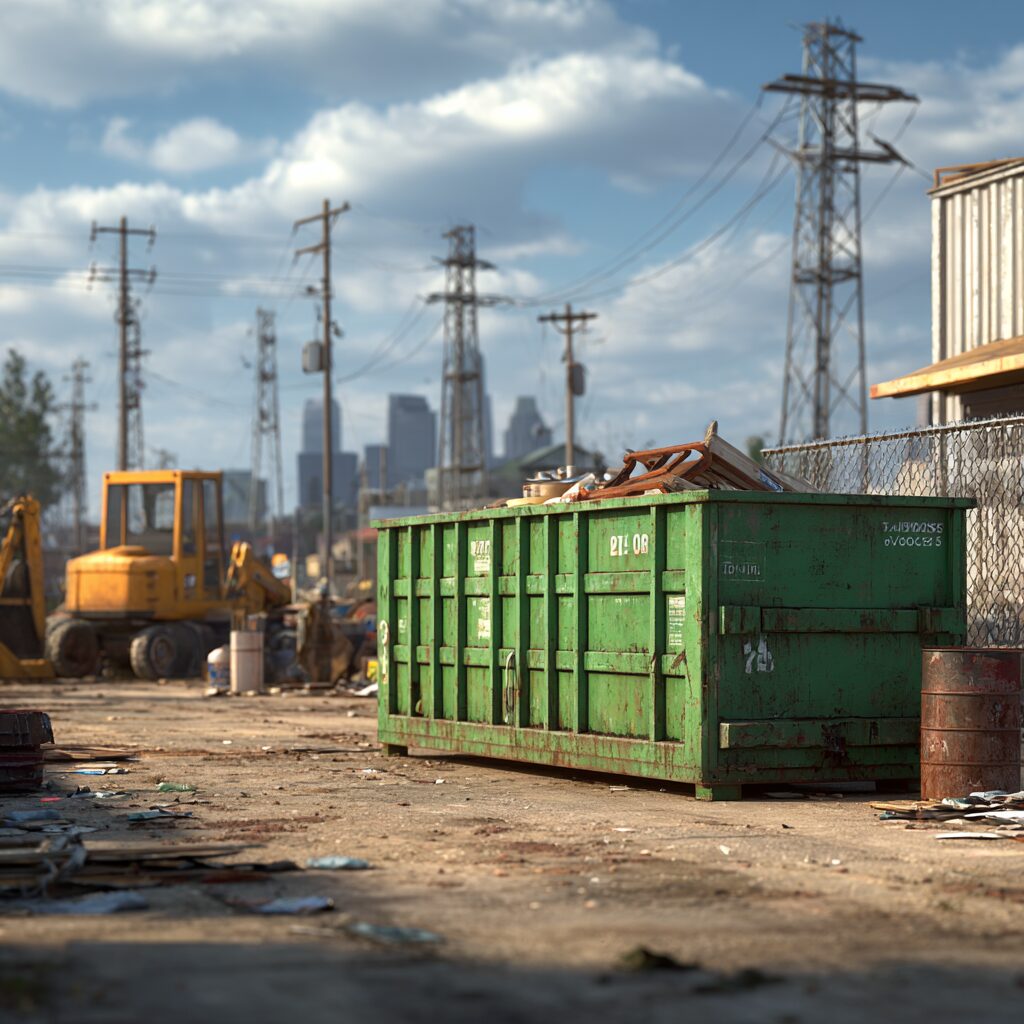
Mapping out your waste strategy isn’t rocket science—it’s smarter than that. Picture your jobsite as a living organism where every scrap has purpose. The right setup turns chaos into closed-loop systems.
Start by playing waste detective. Track what gets tossed daily. Place recycling containers near break areas where soda cans pile up. Position construction debris units close to active demo zones. This cuts worker travel time and prevents “accidental” mixing.
| Aspect | Traditional Approach | Optimized Method | Impact |
| Container Locations | Parking lot corners | High-traffic work zones | 47% less cross-contamination |
| Pickup Schedule | Every Friday | 75% full alerts | 33% fewer truck visits |
| Training | Paper signs | Weekly toolbox talks | 82% better sorting |
Sync deliveries with project phases. Need roofing tear-off done Tuesday? Have the dedicated shingle container arrive Monday afternoon. Time it wrong and you’ll have materials piling up on porta-potties.
Teach teams with visual aids—think color-coded bins with picture labels. No one reads fine print when holding a buzzing Sawzall. Track progress through simple checklists. Surprise bonus: Cleaner sites often finish faster.
Partner with local recyclers early. Many offer discounted rates for sorted loads. Some even provide certificates proving your metal became bike racks instead of buried treasure.
The facts show that strategic dumpsters reduce carbon footprints on jobsites while also creating real business benefits like lower costs and improved efficiency. Renting eco-friendly dumpsters helps reduce potential environmental contamination while also helping you save money and time.
Your waste decisions affect entire communities by creating cleaner air and protecting natural resources. Contact us to discover how the right dumpsters reduce carbon footprints while supporting your project’s success and environmental goals.
If you are looking for The Complete Guide to Eco-Friendly Dumpster Rentals for Sustainable Waste Management, Click Here


