Mon - Sat 7:00 am to 7:00 pm


Mon - Sat 7:00 am to 7:00 pm
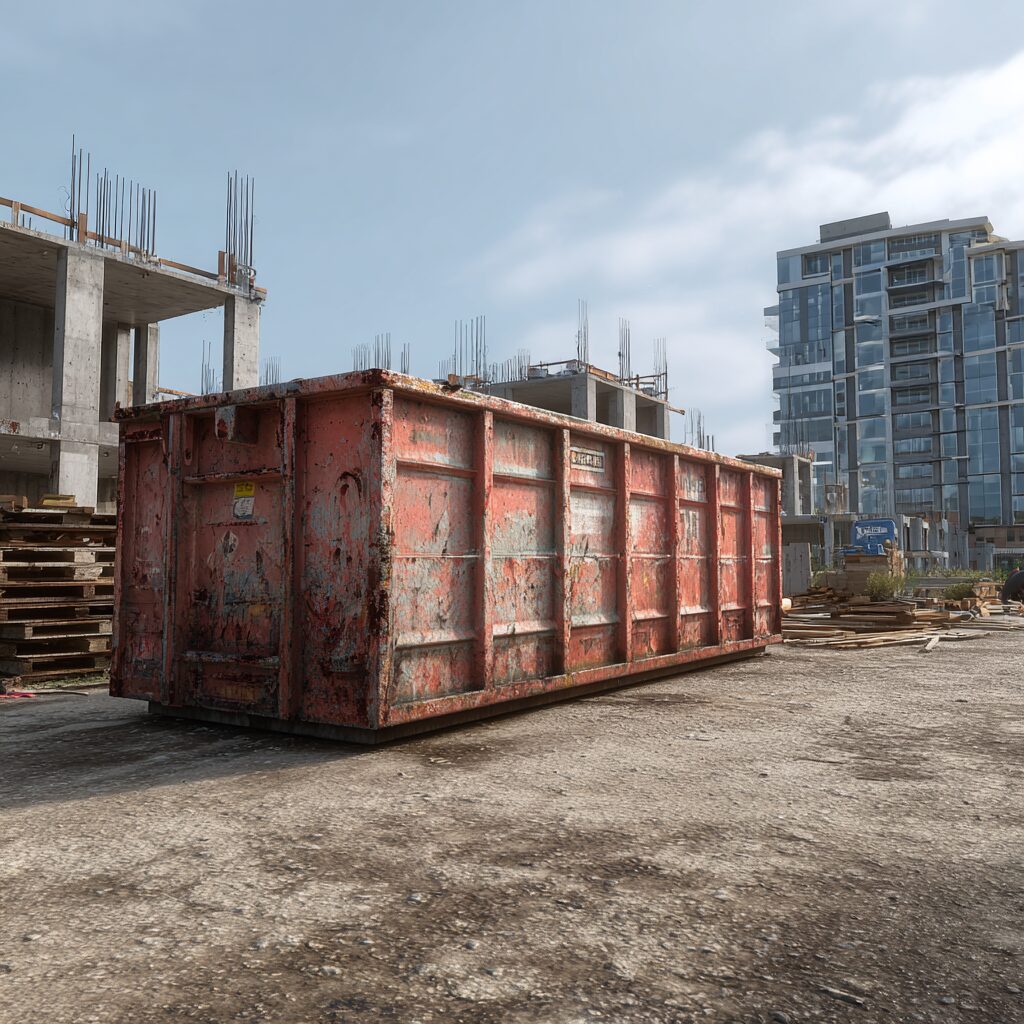
💡Welcome to this essential Q&A with the Prime Dumpster Pros, where our sustainability and waste management experts share insights about selecting eco-friendly dumpster sizes that minimize environmental impact while maximizing project efficiency! 💡
Choosing the right container size impacts more than just your budget. It affects fuel consumption, transportation emissions, and resource utilization throughout your project. At Prime Dumpster, our team has coordinated sustainable waste management for thousands of projects, learning how proper sizing decisions create measurable environmental benefits.
We asked our Prime Dumpster Pros for their expert guidance on selecting eco-friendly dumpster sizes that balance project needs with environmental responsibility across different industries and applications.

Smaller dumpster sizes offer significant environmental advantages through reduced transportation emissions and proper waste matching. Our sustainability experts explain how choosing compact containers supports environmental goals while maintaining project efficiency.
“Smaller dumpsters like 10-yard and 15-yard containers require less fuel per trip and create lower carbon emissions during delivery and pickup compared to oversized units,” says a Prime Dumpster Pro. “Home renovations typically generate 3-8 cubic yards of debris, making these compact sizes perfect for bathroom remodels or kitchen updates without wasting space that leads to unnecessary truck trips.”
“Ten-yard containers prevent overloading that can damage roads and require additional fuel consumption from overweight trucks struggling with excessive loads.”
“Concrete and masonry materials hit weight limits long before filling larger containers, so choosing 10-yard units for heavy debris helps ensure optimal load efficiency while preventing the environmental damage caused by overweight vehicles on public infrastructure,” explained a Prime Dumpster Pro.
“Project managers should select 15-yard dumpsters when waste estimates fall between 8-12 cubic yards, as this prevents the environmental waste of renting oversized 20-yard or 30-yard units that won’t be fully utilized,” a Prime Dumpster Pro notes. “Right-sizing containers reduces the overall carbon footprint of waste management operations while maintaining cost efficiency and preventing the fuel waste associated with transporting partially empty containers.”
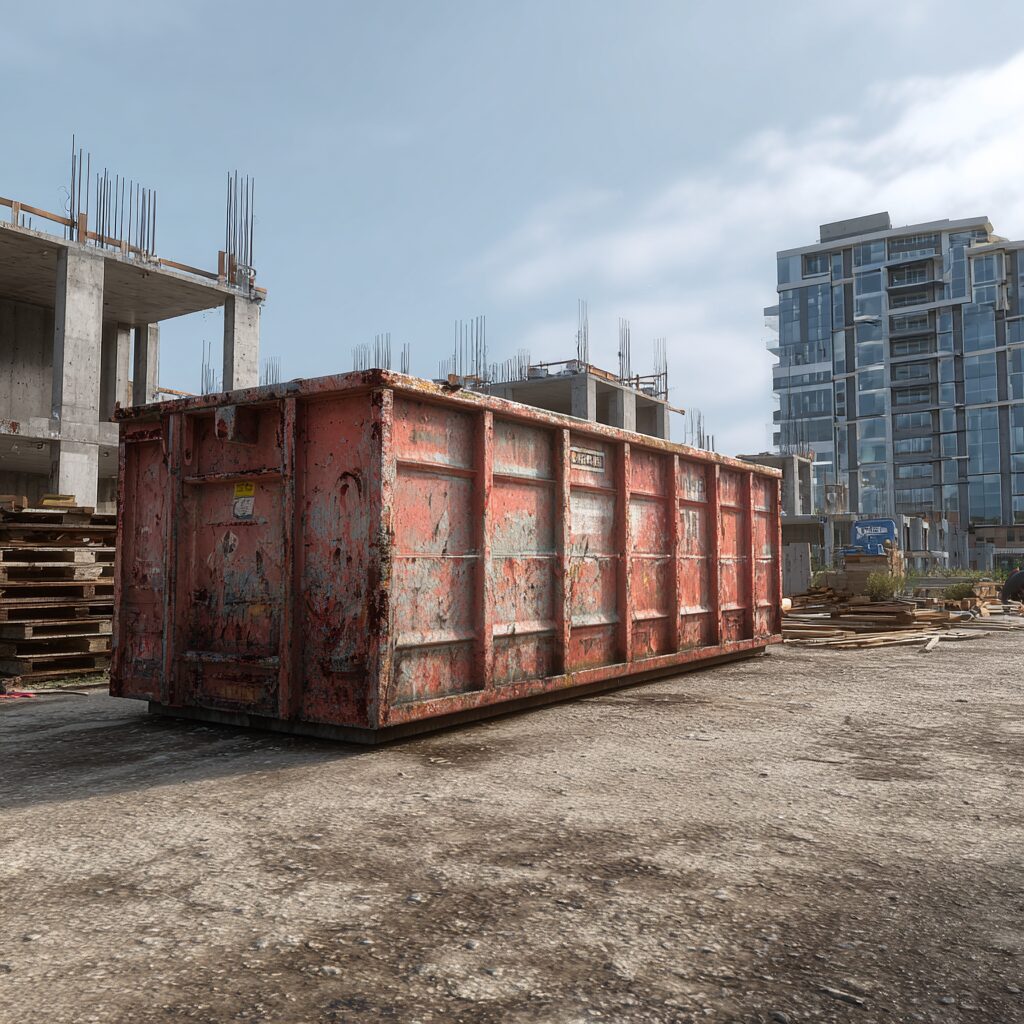
Mid-sized containers balance capacity with environmental efficiency for diverse project types. Our waste management specialists address how 20-yard dumpsters optimize resource use while supporting sustainability goals.
“Twenty-yard containers hit the sweet spot for most medium projects, eliminating the environmental waste of multiple smaller rentals while avoiding the fuel inefficiency of oversized units,” explained a Prime Dumpster Pro. “When projects generate 12-16 cubic yards of debris, choosing 20-yard containers prevents the carbon emissions from extra delivery trips that smaller units would require.”
“Medium construction projects benefit from 20-yard containers because they optimize truck capacity utilization without exceeding weight limits that force partial loads and wasted fuel consumption. These units handle most roofing jobs, kitchen remodels and office renovations efficiently while maintaining proper load distribution,” says a Prime Dumpster Pro.
“Event planners choose 20-yard dumpsters for outdoor celebrations because they provide adequate capacity for vendor waste and cleanup materials without creating the oversized environmental footprint of 30-yard or 40-yard containers,” a Prime Dumpster Pro notes.
“Strategic placement of one 20-yard unit often proves more environmentally responsible than multiple smaller containers that require additional service trips and increased fuel consumption during event cleanup operations.”
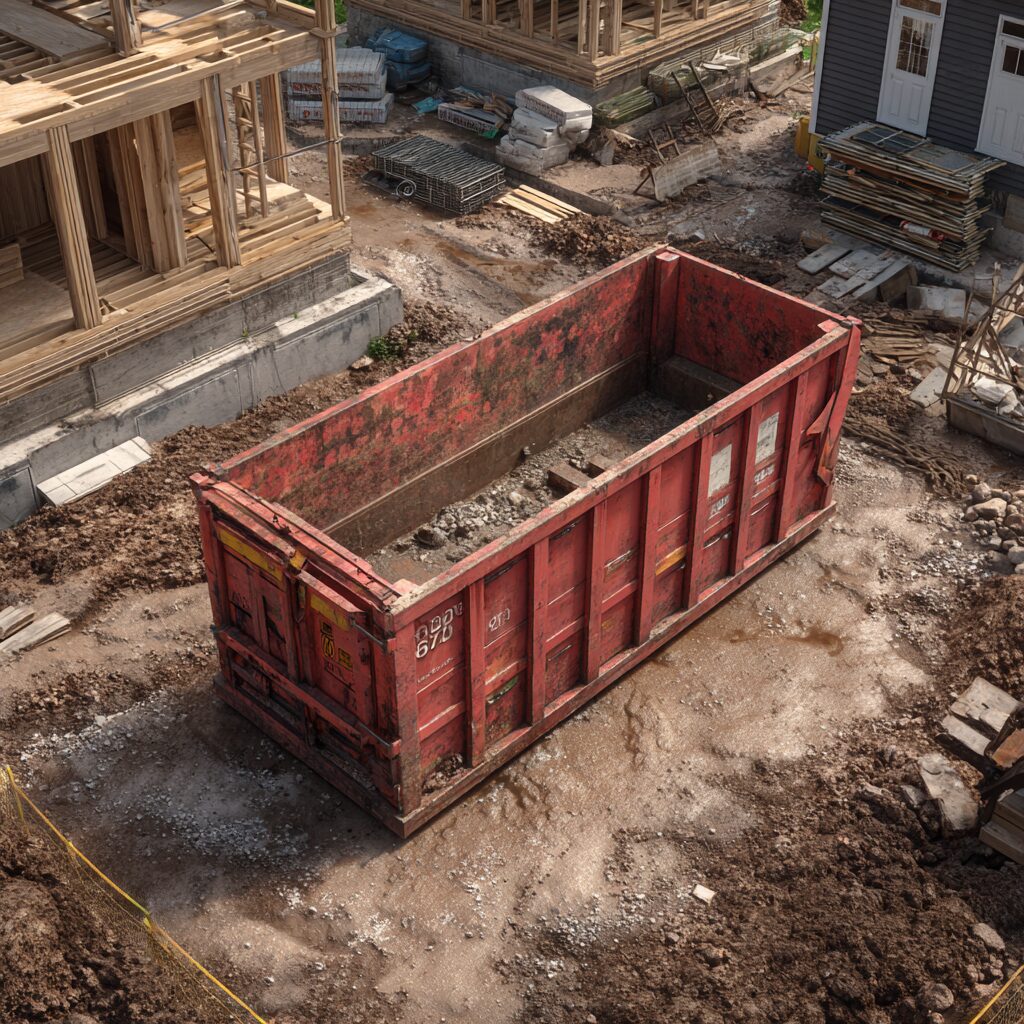
Large containers require careful consideration to maximize environmental benefits while avoiding waste from oversizing. Our project specialists explain when bigger dumpsters support sustainability goals and when they become counterproductive.
“Major construction projects generate 20-35 cubic yards of debris that large containers handle efficiently, eliminating the carbon emissions from multiple delivery trips required by smaller units,” a Prime Dumpster Pro notes. “Thirty-yard and 40-yard containers reduce overall fuel consumption when projects truly need their capacity, making them the most sustainable choice for complete building renovations or large demolition jobs.”
“A single 40-yard container eliminates up to four separate delivery trips that smaller containers would require for large-scale projects.”
“This consolidation reduces diesel fuel consumption, road wear from heavy trucks, and the overall carbon footprint of waste removal operations when projects generate sufficient debris to justify the larger size,” explained a Prime Dumpster Pro.
“Oversized dumpsters harm the environment when projects can’t fill them properly, leading to wasted fuel transporting partially empty containers and unnecessary manufacturing resources for unused capacity,” said a Prime Dumpster Pro. “Choosing a 40-yard container for a 15-yard project creates environmental waste through inefficient resource utilization. Projects should always match container size to actual debris volume rather than overestimating for convenience.”
Thank you for meeting our team!
Choosing eco-friendly dumpster sizes isn’t just about going green. It’s about making smart decisions that save money and reduce waste. Renting the best eco-friendly dumpsters prevents unnecessary trips, reduces fuel consumption, and optimizes resource use.
Our experienced team at Prime Dumpster helps clients select containers that match their actual needs rather than guessing. We’ve seen how proper sizing benefits both budgets and the environment. Contact us to discover how choosing eco-friendly dumpster sizes can enhance your next project while supporting your sustainability goals.
If you are looking for Guide to Multi-Stream Dumpster Strategies for Festivals, Click Here


